

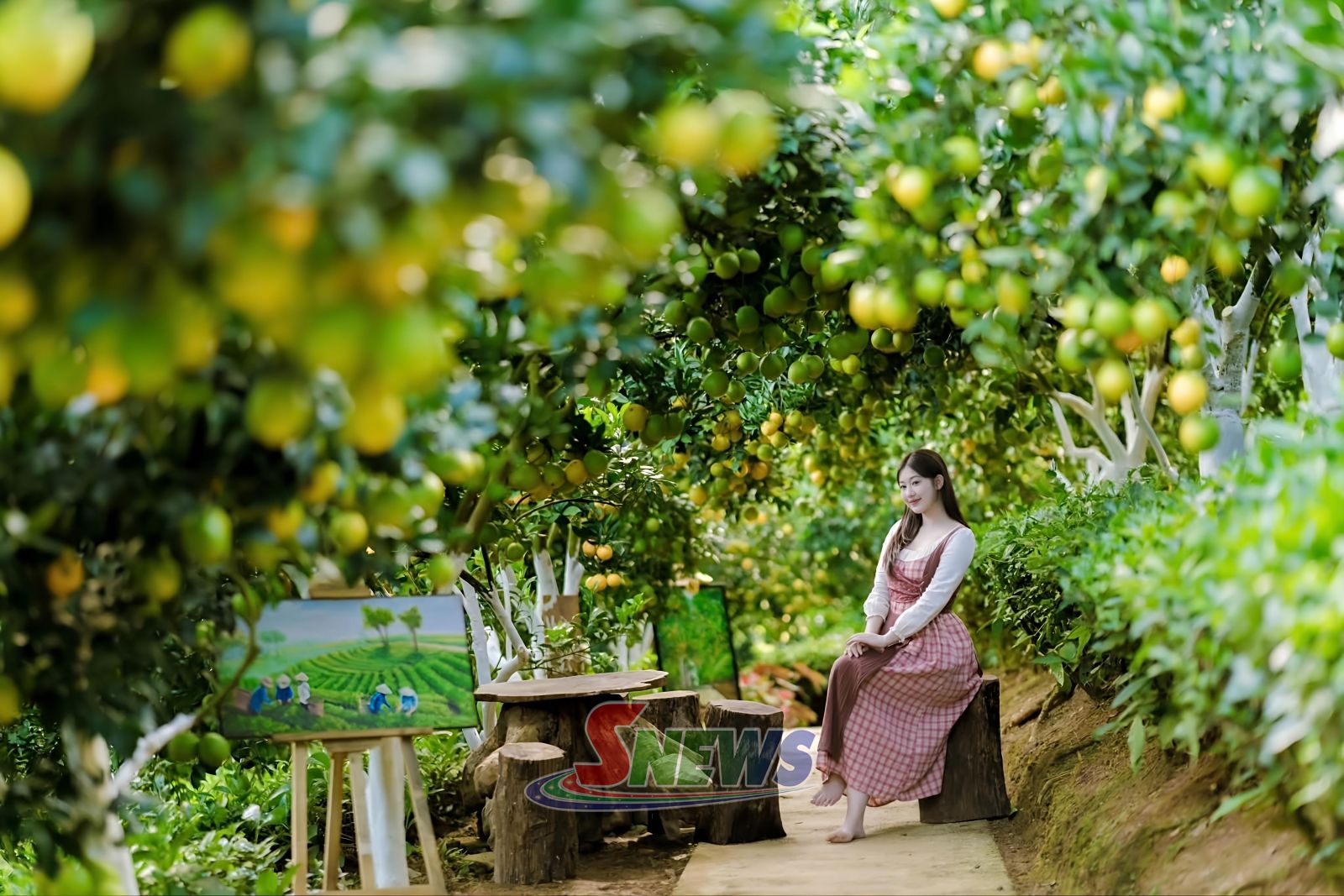
At this time of year, the orange orchard of Ha Van Chien’s family in Residential Area 68 is bustling with visitors as the fruit reaches its peak ripening season. Across the hills, thousands of heavily laden orange clusters create a vivid sea of yellow. Visitors can pick and taste the fresh fruit themselves, enjoying an experience that brings them closer to local agriculture.
To create an attractive landscape and produce sweet, high-quality fruit that keeps visitors coming back, orange growers in Van Son ward have increasingly adopted organic farming practices. The use of hydrolysed nitrogen, microbial fertilisers and biological preparations not only produces uniformly sized, plump and visually appealing oranges, but also helps ensure food safety and protect the surrounding ecosystem.
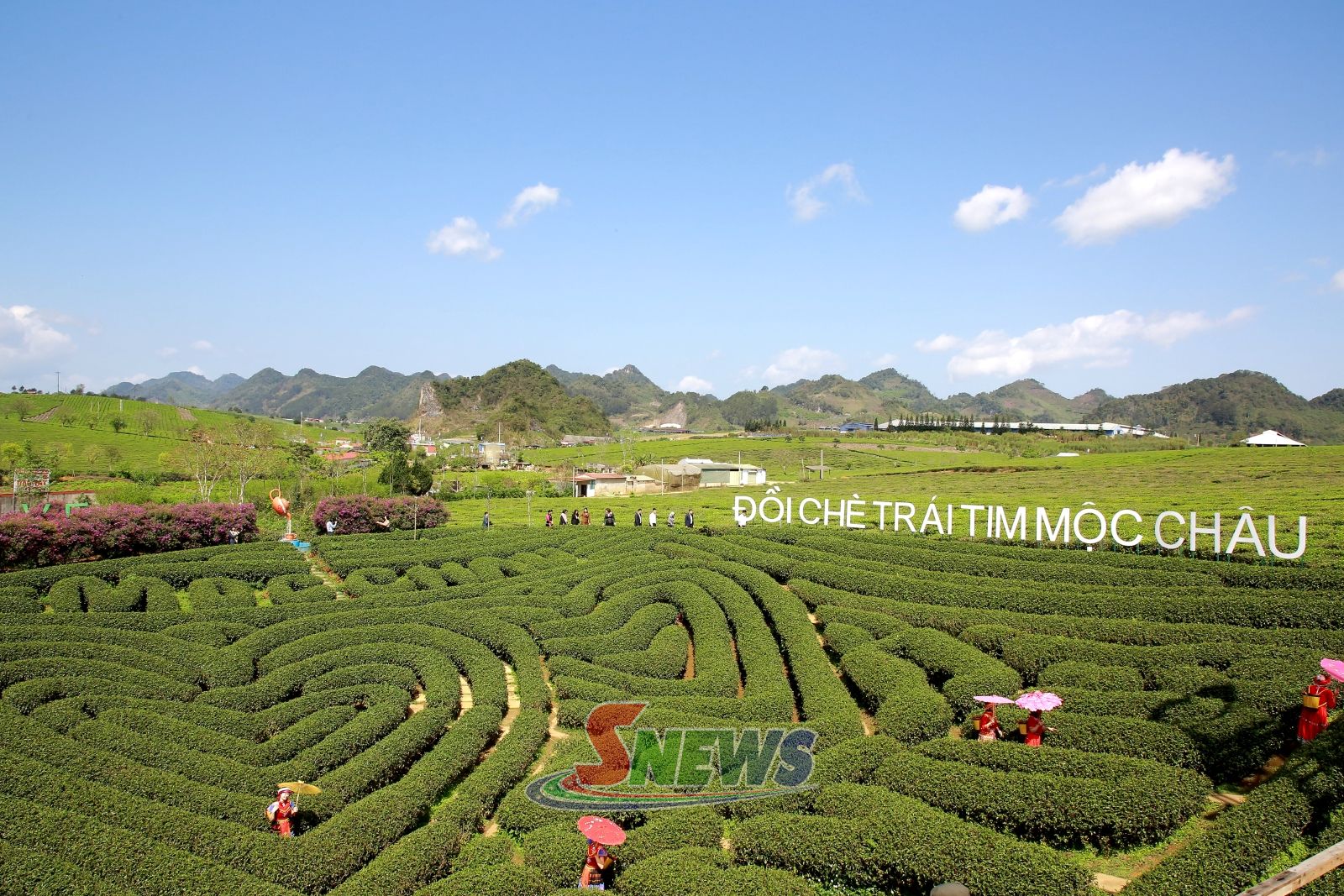
Leaving behind the vivid yellow of the orange orchards, visitors can continue their journey through Van Son into the tranquil, lush-green landscape of its sprawling tea hills. Beyond their refreshing scenery, the tea plantations offer visitors the chance to experience life as farmers themselves. With bamboo baskets slung over their shoulders, visitors can hand-pick tender green tea buds still covered in the morning dew and learn firsthand about the meticulous processing methods.
The experience culminates in a moment of tranquility amid the open, breezy landscape, as visitors sip a steaming cup of tea and take in the distinctive essence of Moc Chau’s land and climate - an experience that often remains memorable long after the first taste.
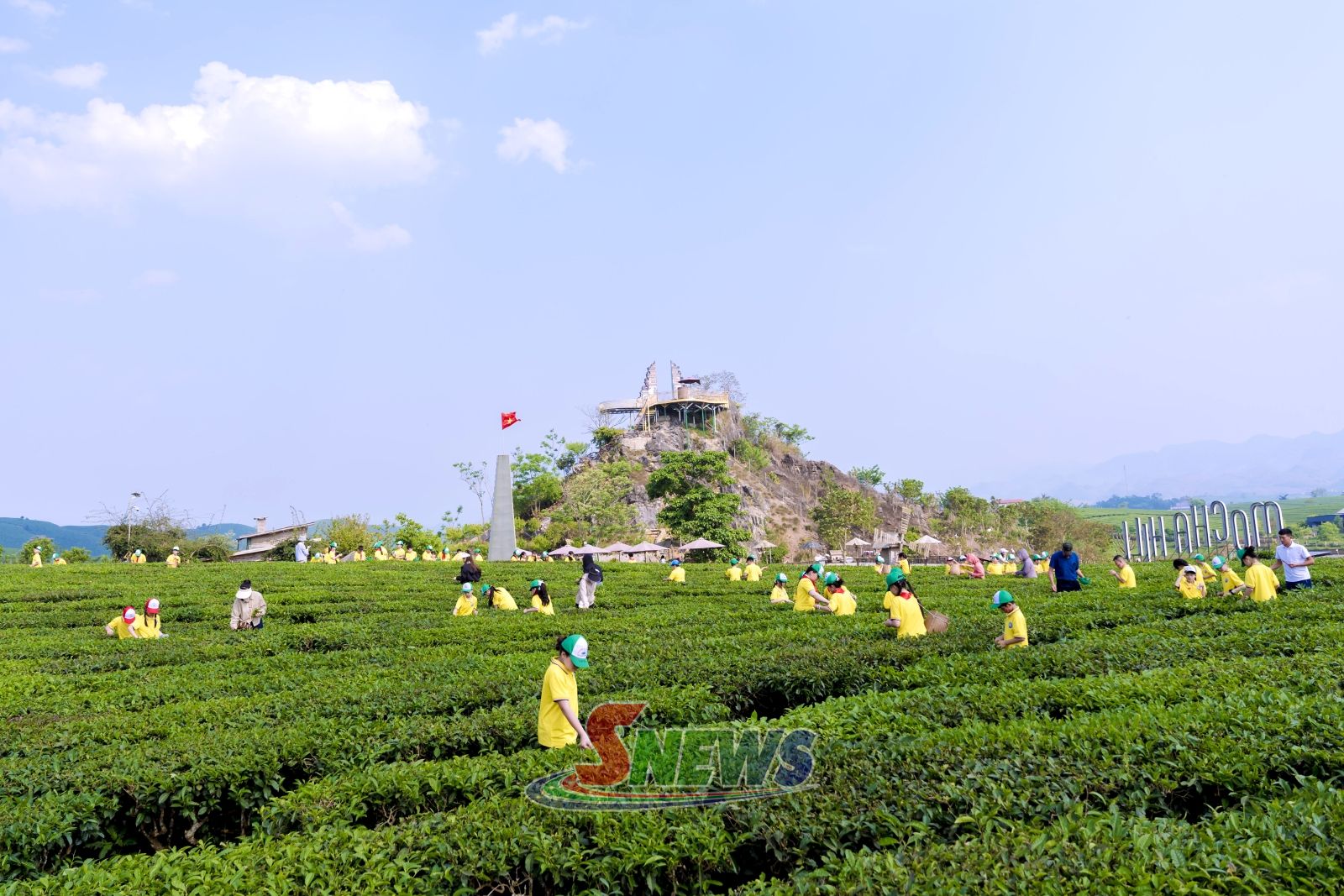
Responding to growing demand for experiential tourism, several cooperatives in Van Son ward have invested in models that combine agricultural production with tourism services. A notable example is the May 19 Agricultural Development Services Cooperative, which has developed an experimental garden covering more than 7 hectares.
The orchard grows temperate fruit varieties and uses selected local plants as standard rootstocks to develop a range of distinctive, high-quality fruit varieties, including Dinh Vang and early- and late-ripening plums, early-ripening peaches, milk grapes, temperate pears and bastard oleaster. The model serves both technical production needs and visitors seeking hands-on agricultural experiences.
Based on the varieties that have proven effective in the experimental garden, the cooperative has partnered with local farmers, providing technical guidance and helping them introduce new varieties into production. The initiative aims to supply consumers with high-quality and safe agricultural products.
Van Son ward currently maintains nearly 900 hectares of tea plantations, with fresh tea bud output estimated at 11,560 tonnes, as well as 225 hectares of fruit trees, producing an estimated 2,110 tonnes of fresh fruit.
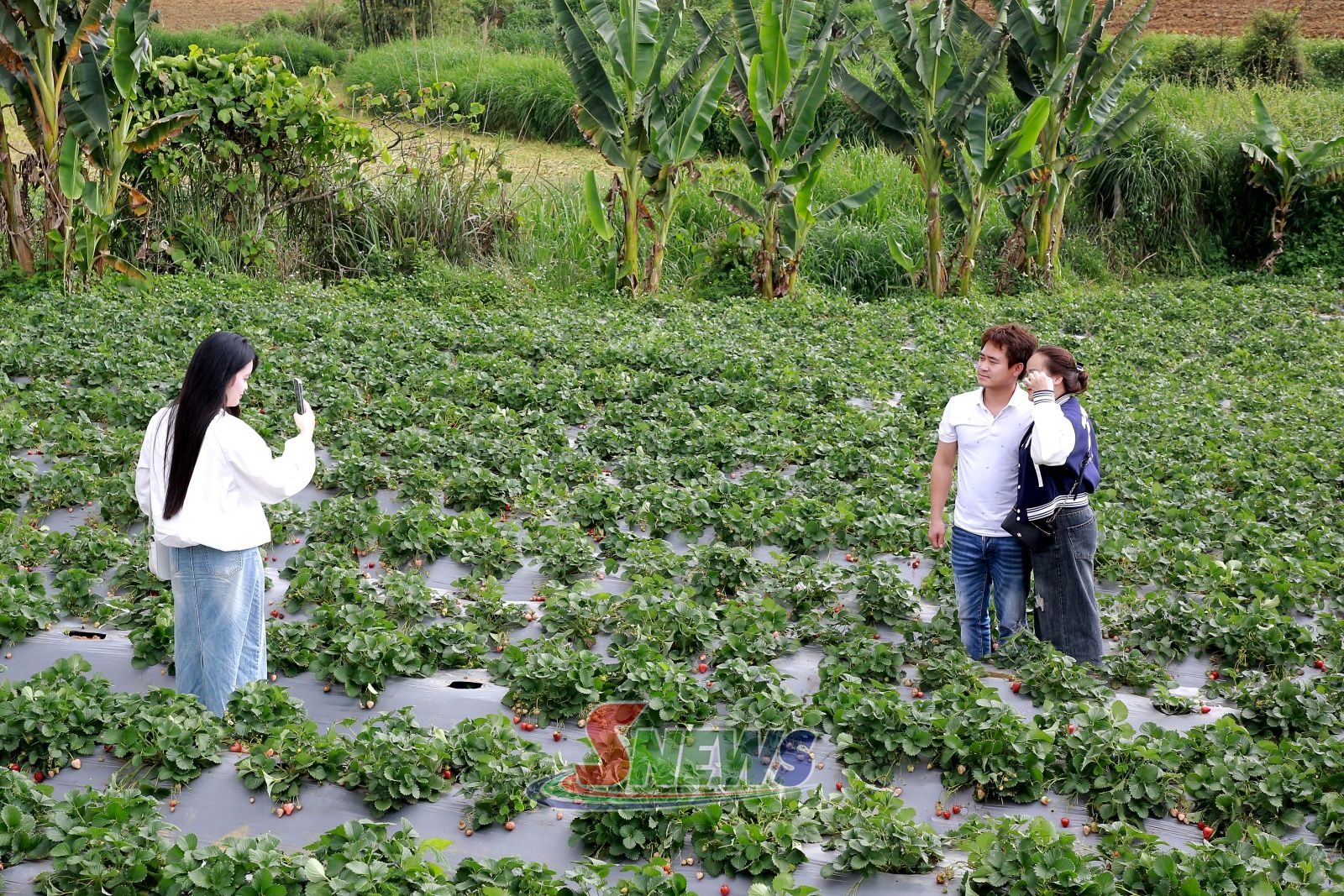
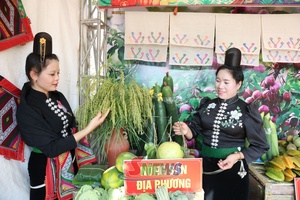
Alongside efforts to accelerate the application of science and technology in agricultural production, the ward has encouraged and supported residents in shifting from conventional farming toward green agriculture linked to experiential tourism. It has developed tourism-oriented models, including farm visits and hands-on activities such as planting, caring for and harvesting fruit trees and vegetables.
As a result, Van Son ward has welcomed about 867,000 tourist arrivals since the beginning of the year, generating an estimated 606.9 billion VND (23.35 million USD) in total tourism revenue.
Linking agricultural production with experiential tourism is creating new opportunities to increase the value of Van Son’s tea hills and fruit orchards. Visitors can take part directly in the production process, while farmers gain additional income and opportunities to sell agricultural products at their source.
The approach also offers a practical way for Van Son to capitalise on its agricultural resources and landscapes, helping develop distinctive, green tourism products and promote sustainable growth within the Moc Chau National Tourism Area.
.jpg)


You have 500/500 characters left
Please enter 5 or more characters!!!