




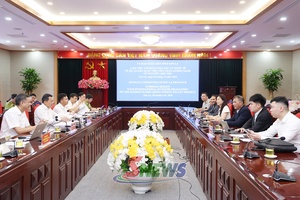
The meeting also addressed issues arising during implementation by the working group established under Decision No. 576-QD/TU, issued by the provincial Party Committee’s Standing Board on October 21, 2026, which Hung heads.
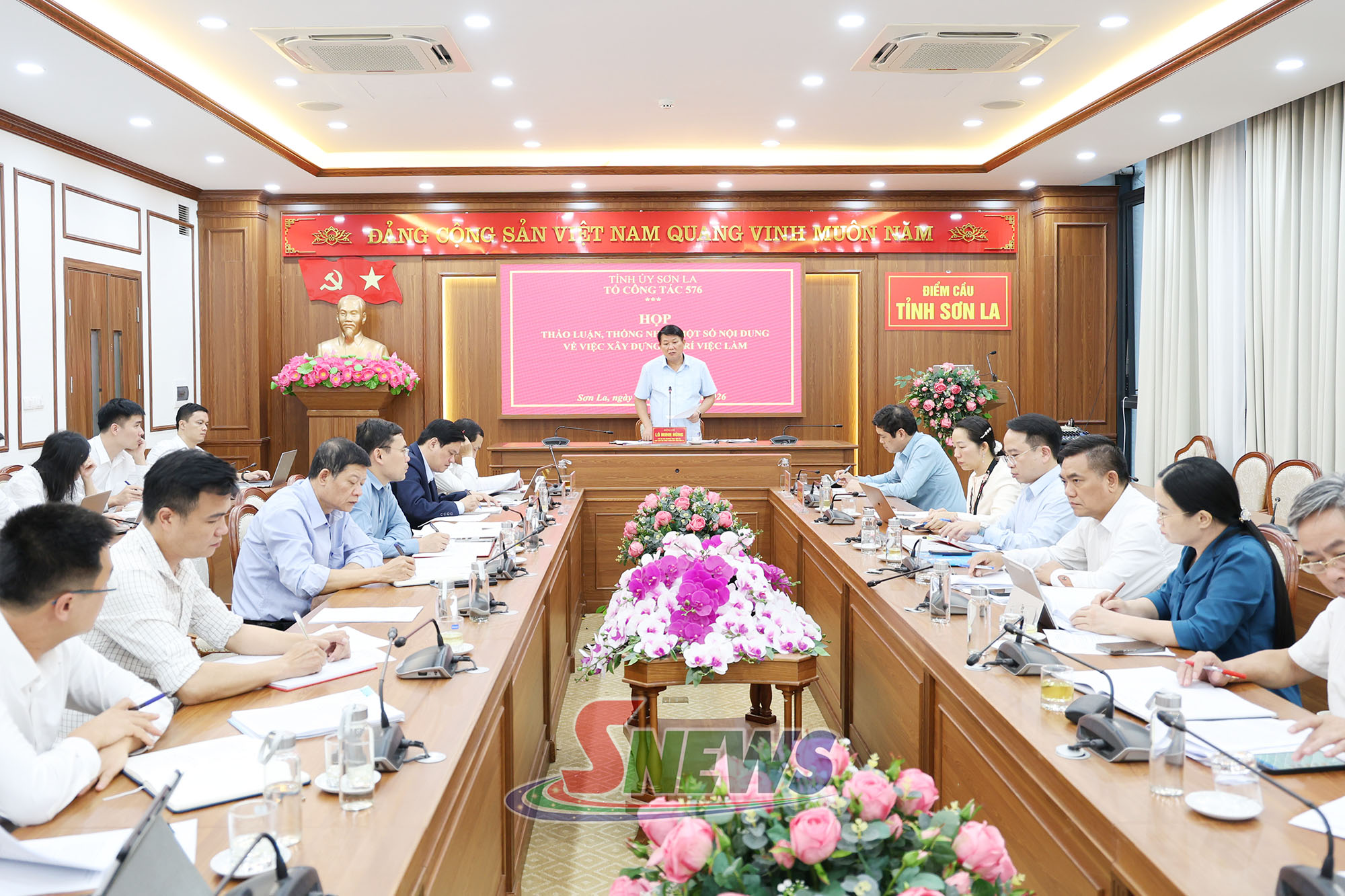
Implementing Politburo Conclusion No. 107-KL/TW dated October 17, 2026, and Guidance No. 07, the provincial Party Committee’s Standing Board established the working group to review and finalise job positions, determine staffing needs and develop a staffing plan for the province’s political system. It also issued an implementation plan.

To date, all 334 entities across the four working groups required to compile job-position profiles have submitted their datasets, reaching a completion rate of 100%. All profiles have been officially synchronised with the software system. The review and declaration process has been carried out at both provincial and commune levels, providing a basis for identifying tasks, workloads, job positions, staffing needs and staffing plans for the 2027-2031 period.
Initial findings show that agencies and units have generally followed the prescribed structure of nine forms, as well as the task codes and job-position codes set out in the guidelines. They have also made preliminary assessments of staffing needs and developed personnel allocation plans suited to their functions, responsibilities and workloads. The staffing plan for 2027-2031 is being formulated in line with the central government’s policy of reducing staff by around 5-10%, in conjunction with organisational restructuring and efforts to improve operational efficiency.
At the meeting, the working group discussed and addressed difficulties and obstacles encountered during implementation, agreeing that staffing levels must not be increased solely on the basis of working-time conversion results. Agencies and units whose staffing needs exceed their assigned quotas must proactively reorganise and reallocate personnel, accelerate digital transformation and administrative reform, and improve the efficiency of their use of officials, civil servants and public employees to meet task requirements.
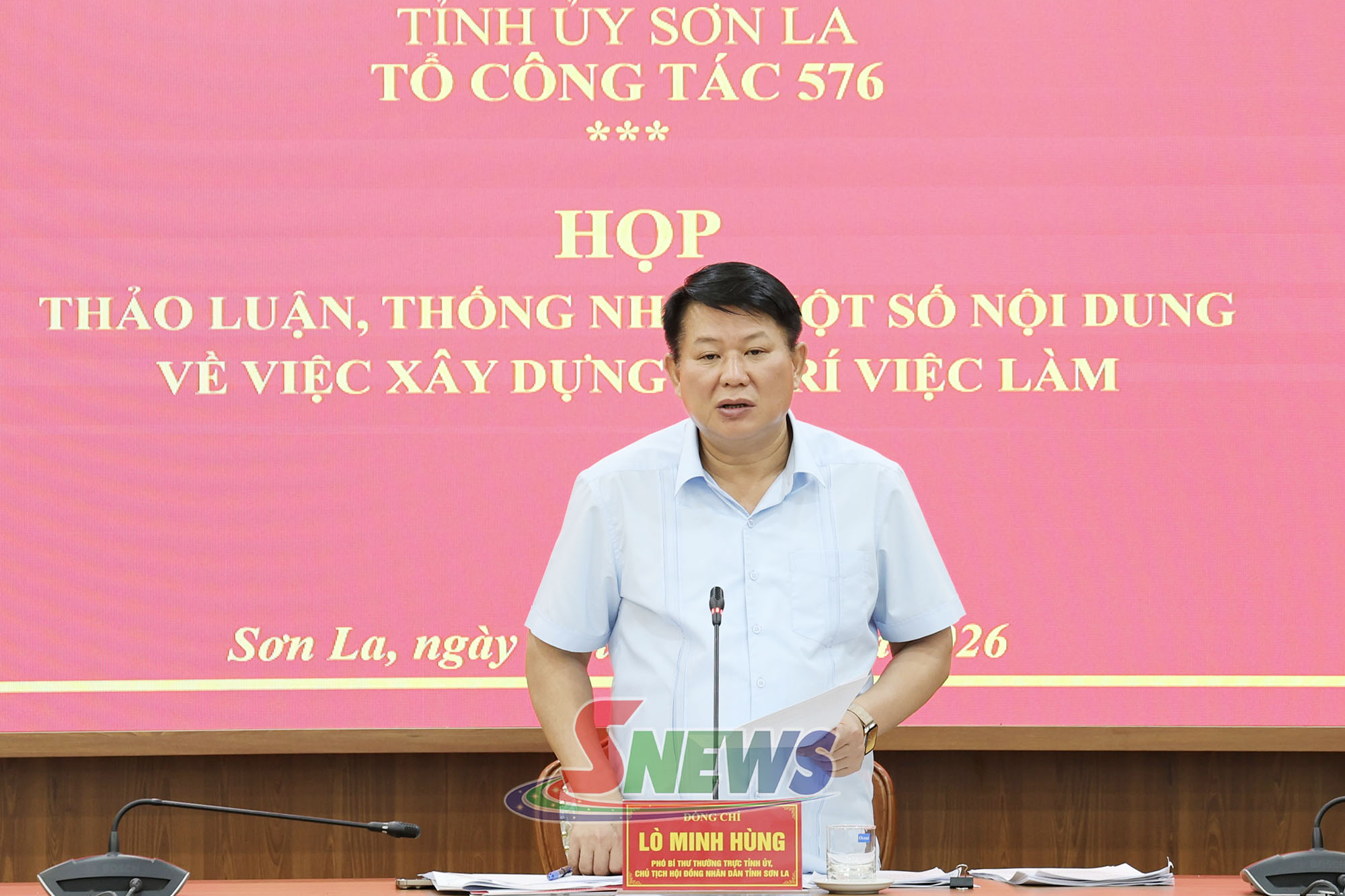
In his remarks, Hung asked the provincial Party Committee’s Board for Organisation to take the lead, in coordination with the Department of Home Affairs, in providing guidance on the development of staffing plans. It was also tasked with urging Party agencies and units to finalise their job-position profiles based on appraisal results; inspecting and consolidating results from Party agencies and relevant agencies at both provincial and grassroots levels for submission to the working group; finalising the provincial report and staffing plan for submission to the provincial Party Committee’s Standing Board; and compiling difficulties and obstacles beyond its authority for reporting to the Party Central Committee’s Commission for Organisation.
The Department of Home Affairs was asked to coordinate with the provincial Party Committee’s Board for Organisation in issuing unified guidelines and work with the software provider to grant user accounts to public service units. It was also tasked with urging public service units that have yet to submit their datasets, as well as communes and wards that are not yet ready to enter data into the system, to complete the work before November 12, 2026, and clarifying the basis for developing staffing reduction plans in line with the needs of each agency.
The Office of the provincial delegation to the National Assembly and the People’s Council, and the provincial Vietnam Fatherland Front Committee were tasked with inspecting and urging agencies, units and localities under their respective groups to finalise their profiles and fix system errors. They are also required to consolidate the data and submit it to the provincial Party Committee’s Board for Organisation.
Provincial-level agencies and units must finalise their profiles based on inspection results, with their heads signing off on and taking responsibility for the accuracy of the data before submitting it to the respective group’s focal agency./.













You have 500/500 characters left
Please enter 5 or more characters!!!