

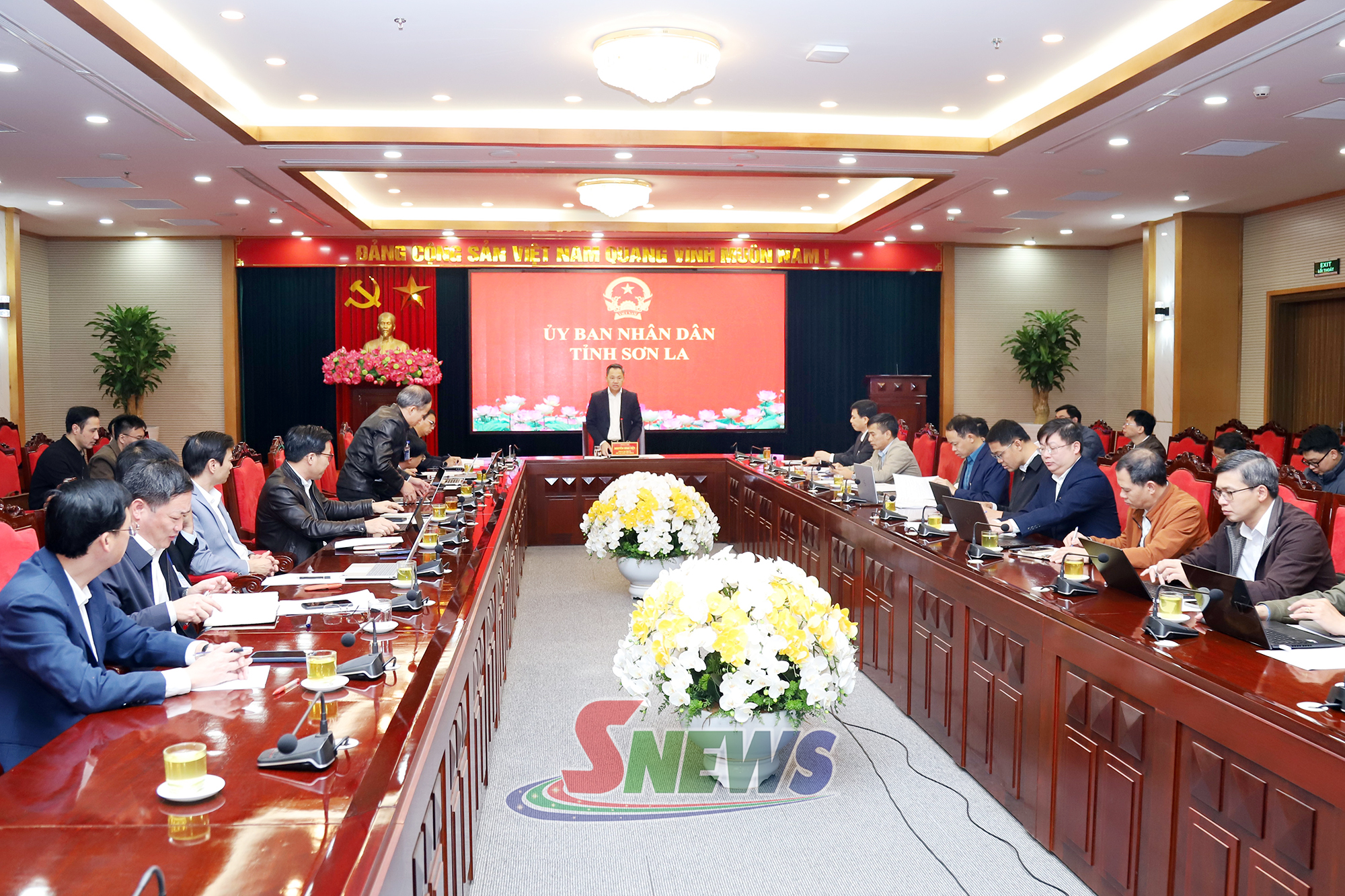
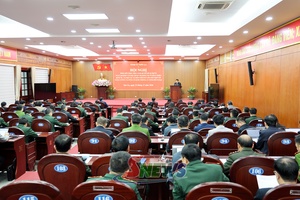
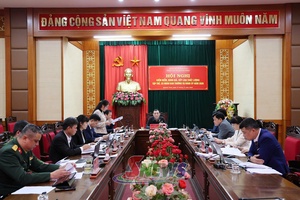
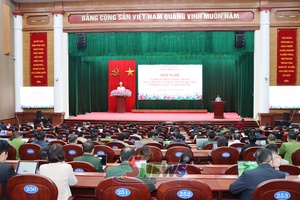
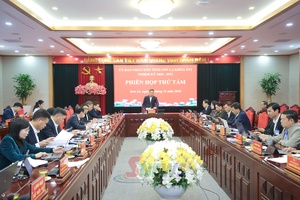
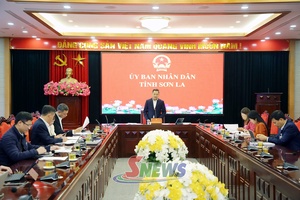
The hybrid meeting saw the attendance of members of the provincial Party Committee’s Standing Board, Vice Chairpersons of the provincial People’s Committee, leaders of provincial departments and agencies, and representatives of Chieng Coi ward and the communes of Mai Son, Chieng Mung, Chieng Mai, Muong Chanh and Muoi Noi.
The CT.03 expressway section through Son La province is expected to stretch 179.5 km and require around 2,230 hectares of land, including 325.53 hectares of forest land subject to procedures for conversion to other purposes.
The project is estimated to affect 4,968 households and individuals and 32 organisations. It will include 26 concentrated resettlement sites for around 920 households and require the relocation of nearly 600 graves. In addition, approximately 749.5 hectares of land are expected to be acquired for dumping sites, with a capacity to accommodate around 99 million cu.m of excavated materials. About 102 hectares will be used for construction roads and bypasses, including the upgrading, improvement and expansion of around 63 km of existing roads.
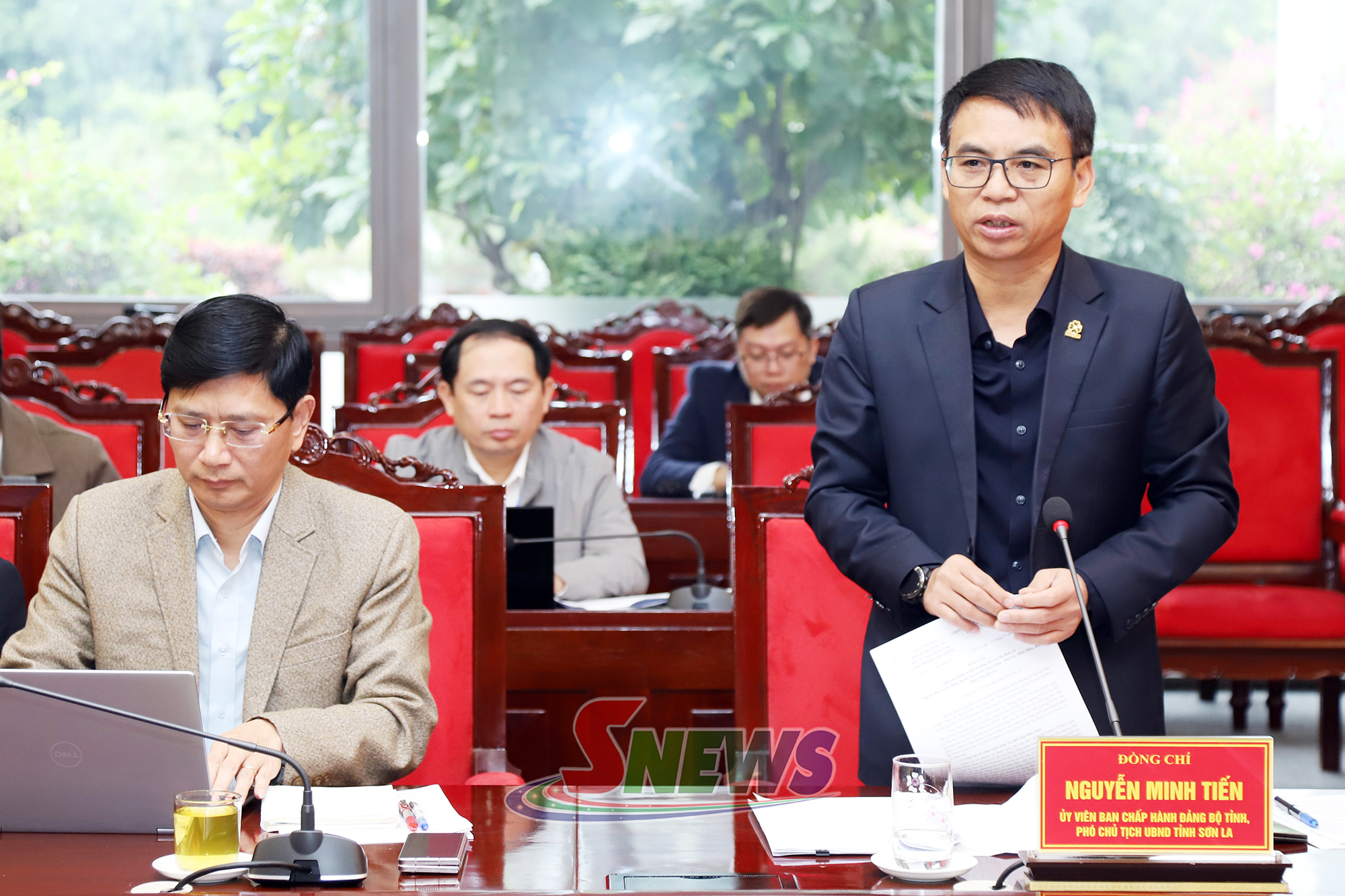
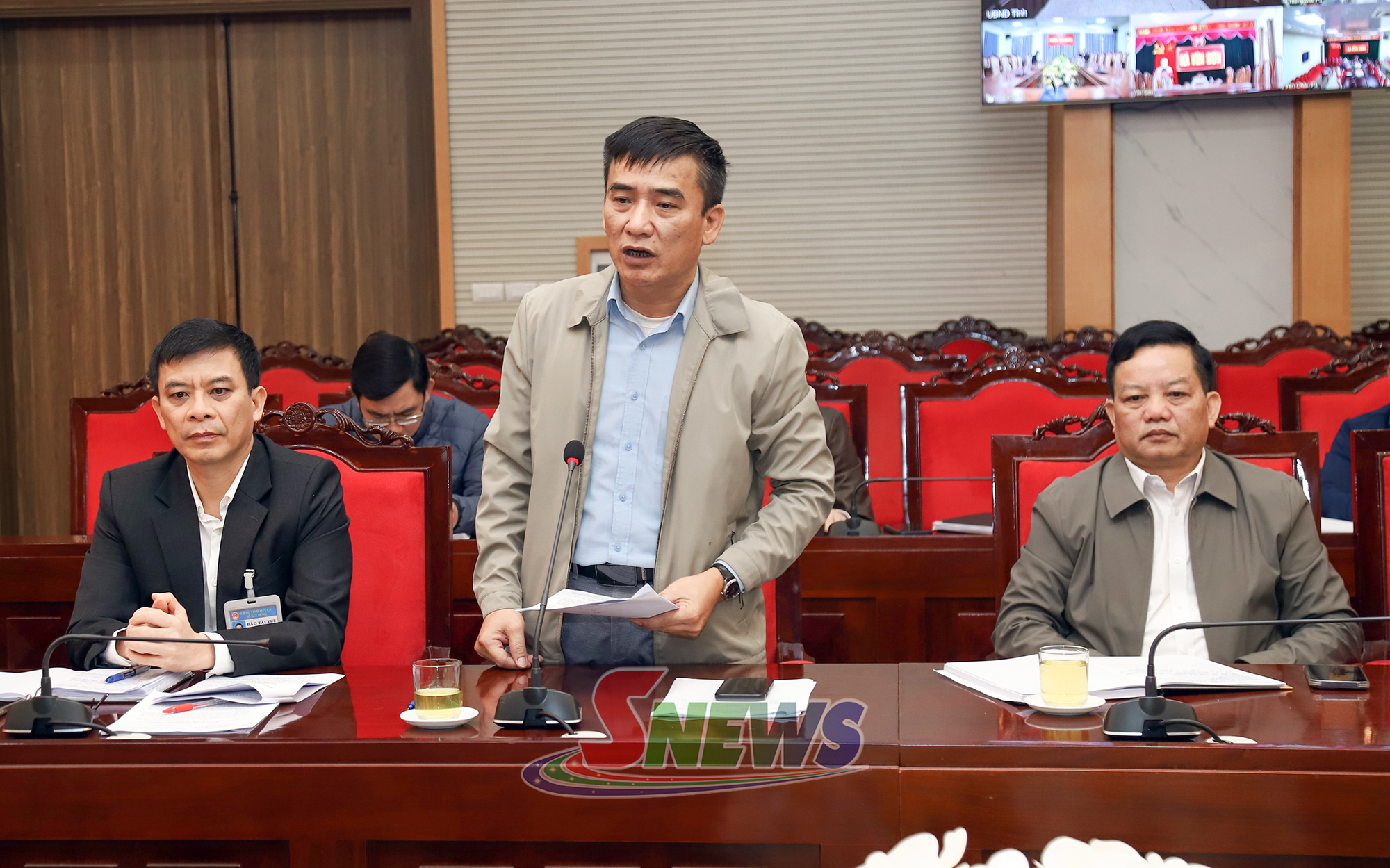
Participants focused their discussions on addressing difficulties and obstacles related to the project alignment, interchanges, underpasses for local residents, dumping sites, construction roads and resettlement.
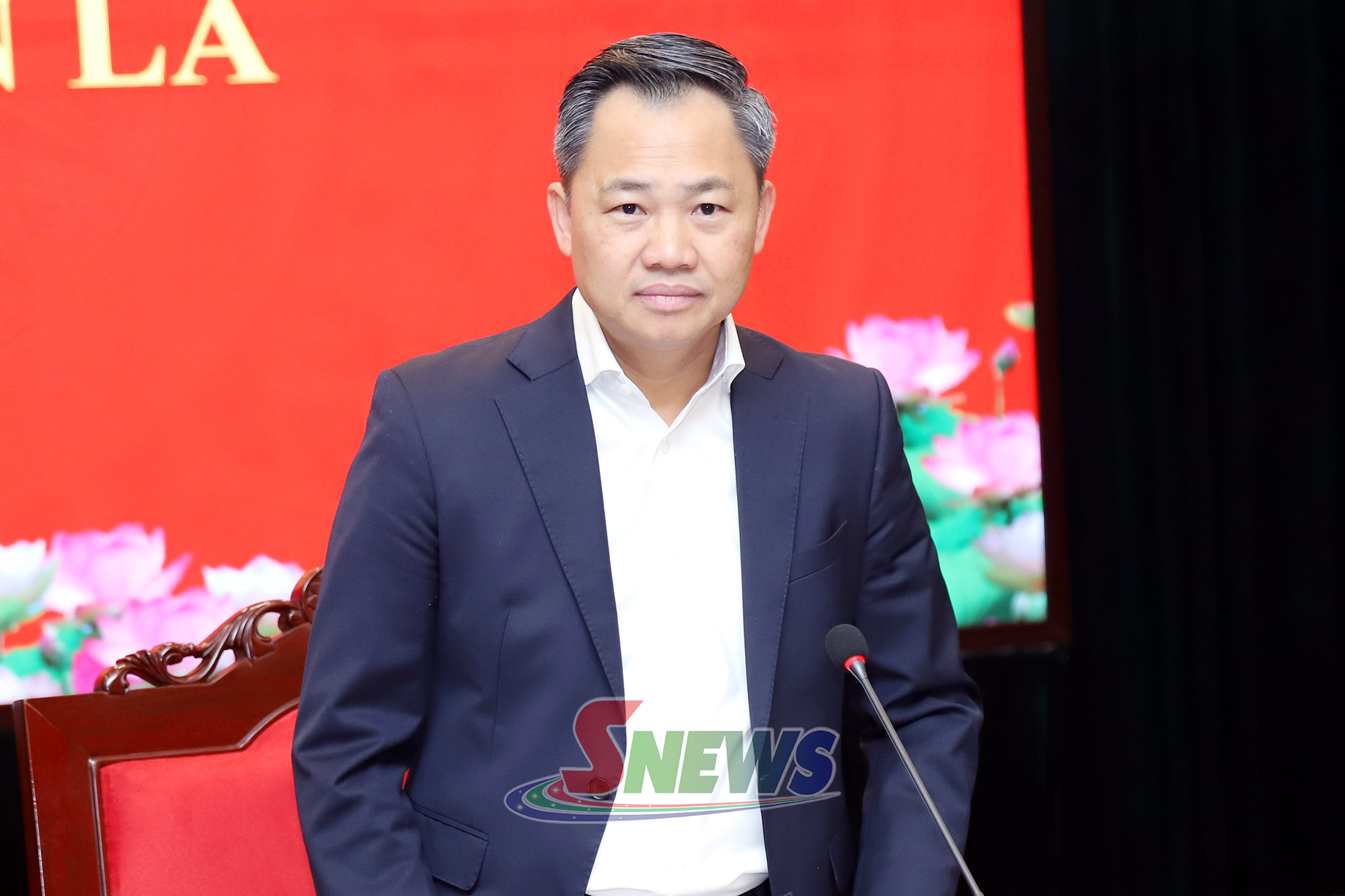
Addressing the meeting, Viet asked departments, agencies and localities to accelerate site clearance, with an aim to complete preliminary land inventories and determine land origins before March 15, 2027, thereby paving the way for the first construction package to start no later than April 30, 2027.
Commune- and ward-level People’s Committees were tasked with accurately inventorying land and assets, proactively carrying out site clearance, reviewing resettlement needs and arranging resettlement areas with synchronised infrastructure to ensure safety and stable living conditions and livelihoods for affected residents.
The Department of Agriculture and Environment was assigned to take the lead in developing a unified site clearance process for the entire route through 18 communes and wards, while strengthening inspections, providing guidance and promptly resolving difficulties related to documentation and administrative procedures./.






You have 500/500 characters left
Please enter 5 or more characters!!!