




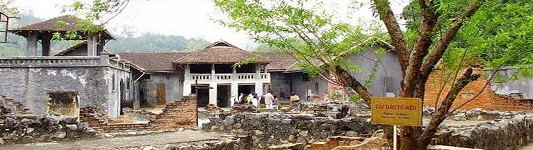
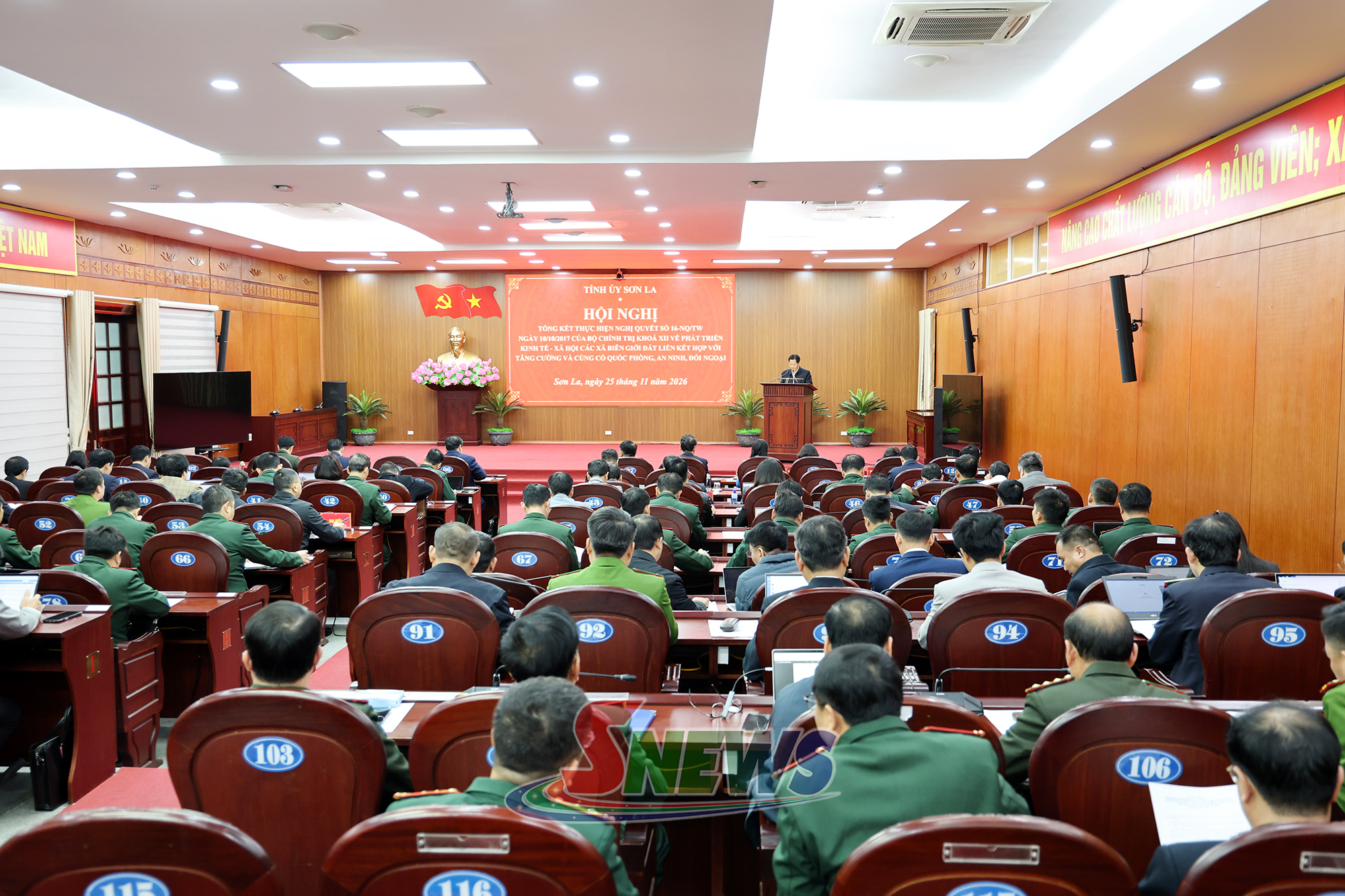
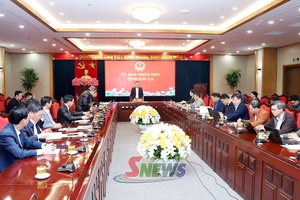
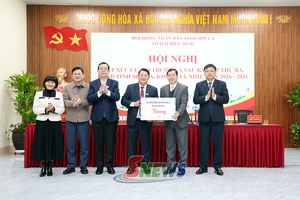
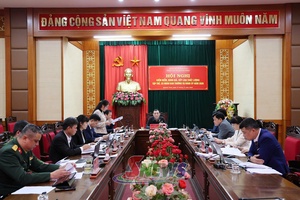
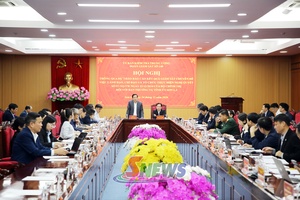
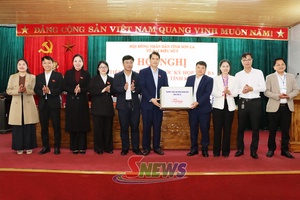
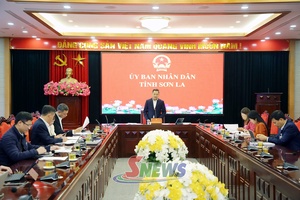
The conference was co-chaired by Lo Minh Hung, Standing Deputy Secretary of the provincial Party Committee and Chairman of the provincial People's Council, and Cha A Cua, Deputy Secretary of the provincial Party Committee and President of the provincial Vietnam Fatherland Front Committee.
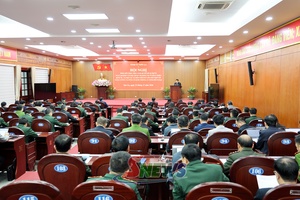
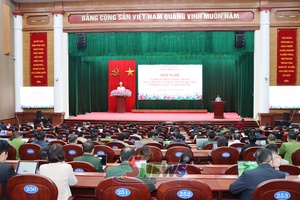
Attendees included members of the provincial Party Committee and its Standing Board; leaders of the provincial People's Council, People's Committee and Vietnam Fatherland Front Committee; representatives of provincial departments and agencies; and leaders and armed forces personnel from the province's 13 border communes.
Son La shares more than 274 km of border with Houaphanh and Luang Prabang provinces of Laos. Following administrative restructuring, the province's border area comprises 13 communes and 233 hamlets, including 57 border hamlets, with a population of more than 150,000.
To implement Resolution No. 16-NQ/TW, the provincial Party Committee's Standing Board issued an implementation plan linked to tasks including protecting national borders, ensuring national defence and security, promoting socio-economic development in ethnic minority areas, achieving sustainable poverty reduction, and mobilising the collective strength of the entire political system and border communities.
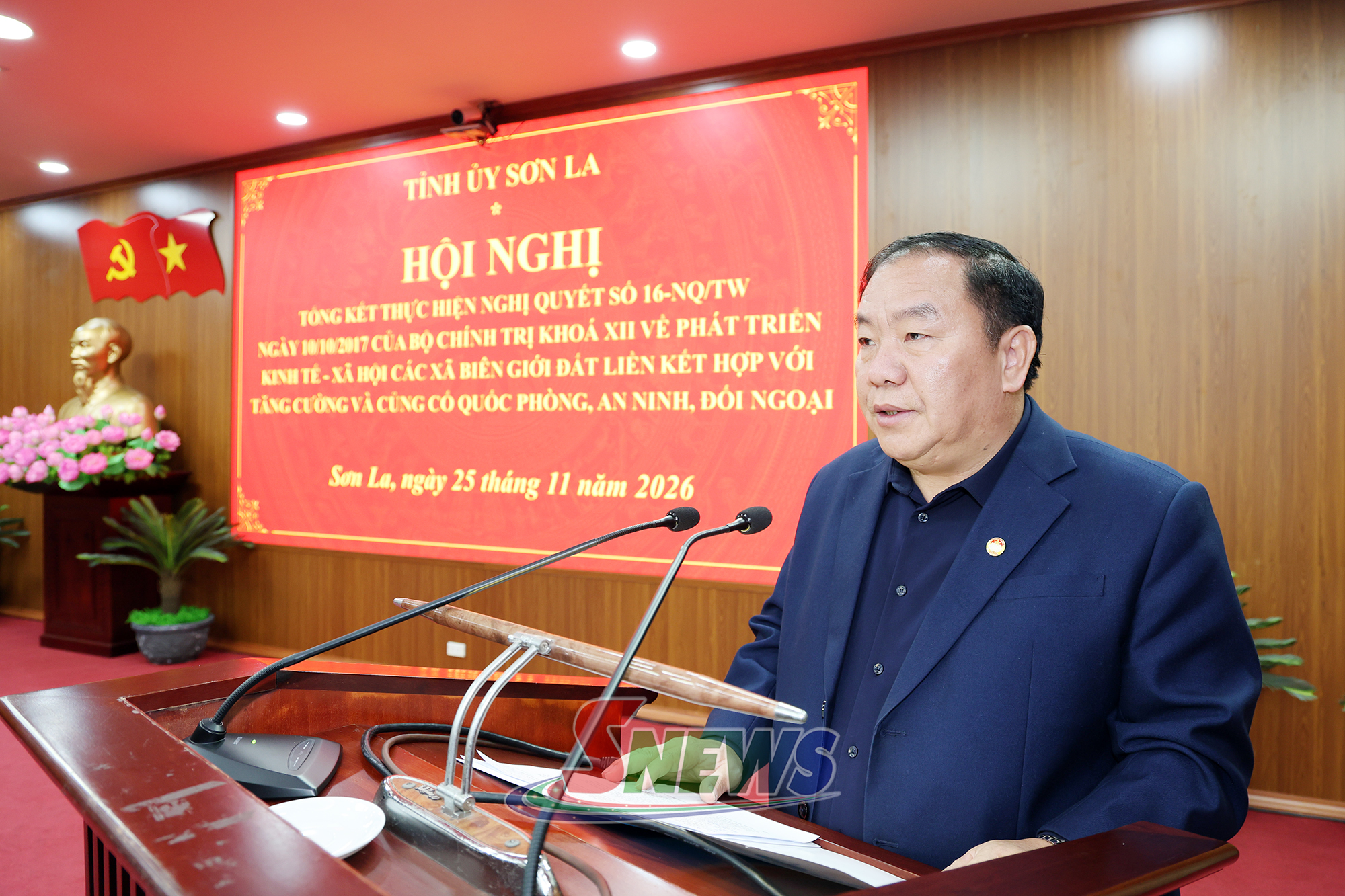
After nearly 10 years of implementation, border communes have recorded positive socio-economic progress, with infrastructure gradually upgraded and living standards improved.
The poverty rate fell from 40.3% in 2017 to 18.9% in 2025. More than 11,000 households received support for production development, while over 3,300 households got housing assistance. Twelve residential resettlement projects were implemented, providing stable accommodation for 550 households.
All 13 border communes have received investment in road connections to commune centres, broadband fibre-optic infrastructure and health stations. They have also maintained Level 3 universal primary education and universal preschool education for five-year-old children.
National defence, security and external relations tasks have been implemented in a coordinated manner. Relevant forces have stepped up coordination in patrols, border and marker protection, and crime prevention and control, helping maintain public order and build a border line of peace, friendship and development.
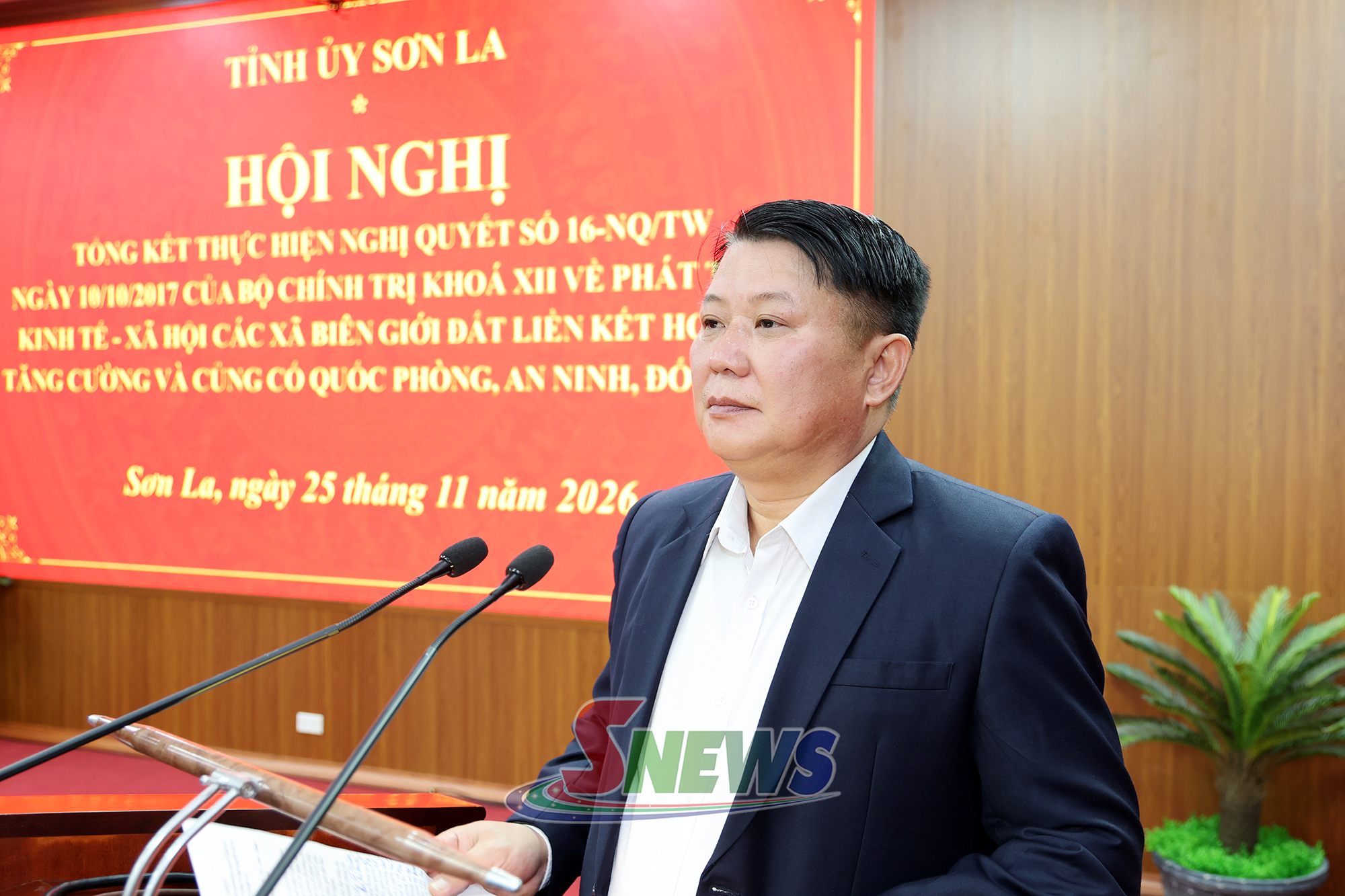
Addressing the conference, Hung called on authorities at all levels, sectors and localities to continue effectively implementing Politburo Resolution No. 16-NQ/TW and other resolutions issued by the Party Central Committee and the provincial Party Committee, while combining socio-economic development with the strengthening of national defence, security and external relations.
He also called for stronger protection of national sovereignty and border security; consolidation of the all-people national defence and people's security posture in coordination with the all-people border defence posture; and proactive monitoring of developments and intensified efforts to prevent and combat crime, particularly drug-related offences.
He stressed the need to strengthen friendly relations and effectively implement cooperation agreements with Lao provinces.
Other priorities include promoting the role of village elders, hamlet heads and respected community members in addressing issues arising at the grassroots level; expanding twinning ties between communities on both sides of the border; and stepping up joint patrols, friendship exchanges and cooperation in crime prevention and control./.



You have 500/500 characters left
Please enter 5 or more characters!!!