

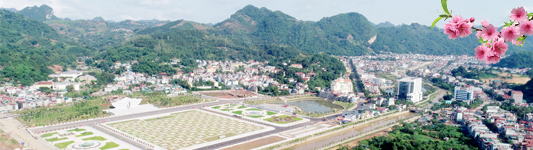


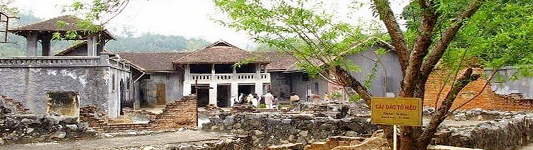
The province is home to more than 15,000 food production and processing facilities, eateries, street food vendors and collective kitchens, including 4,820 food service providers. In major tourism destinations such as the Moc Chau National Tourism Area, Ta Xua and Ngoc Chien, food safety controls at restaurants, hotels and other food service facilities are being strengthened, particularly during peak tourist seasons, festivals and large-scale events.
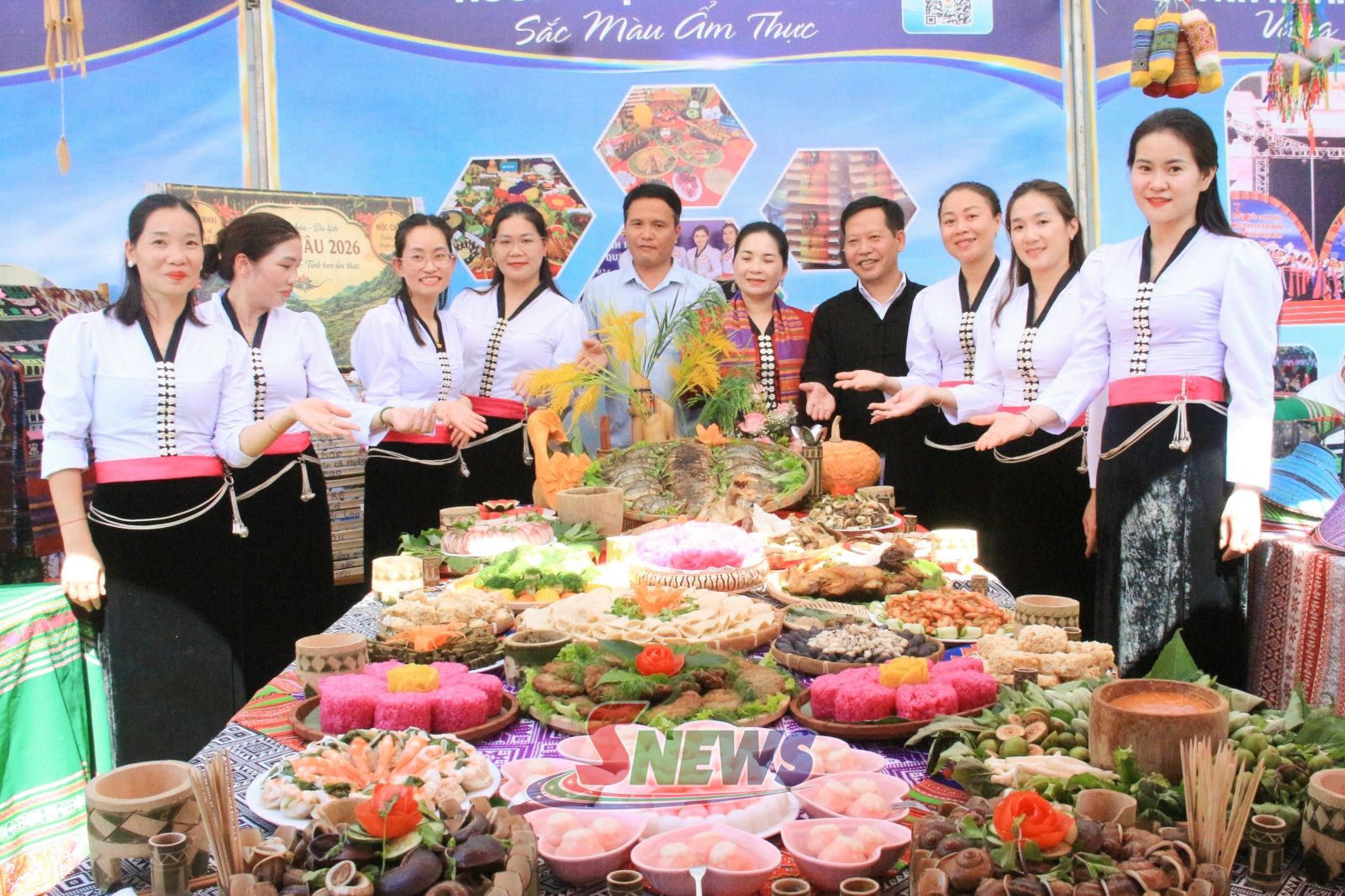
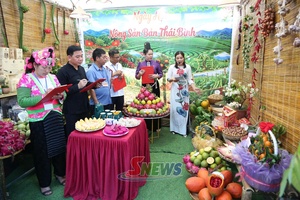
The Moc Chau National Tourism Area is home to nearly 900 tourism businesses, including more than 400 food service providers. Throughout the week-long Moc Chau Culture and Tourism Week 2026, restaurants in the Moc Chau, Moc Son and Thao Nguyen wards were packed with diners, with many establishments near the main event venues operating at full capacity during lunch and dinner.
During the recent National Day holiday, the Moc Chau National Tourism Area welcomed 338,300 visitors, accounting for more than 87% of total tourist arrivals to the province. More than 60,770 visitors stayed overnight, while the average occupancy rate at local accommodation facilities exceeded 90%.
The surge in visitor numbers has also increased pressure on restaurants and other food service businesses. At the Tuan Gu restaurant chain, located near the main venues of the Moc Chau Culture and Tourism Week, tables are typically fully occupied during peak hours. Despite the crowds, the restaurant puts food hygiene and safety at the top of its priorities.
Nguyen Dinh Tuan, owner of the restaurant chain, said the business closely monitors the quality and origin of fresh food supplies, follows a one-way kitchen workflow and raises awareness among kitchen and service staff to ensure meals are both tasty and safe for customers.
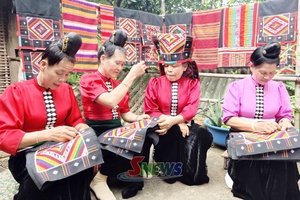
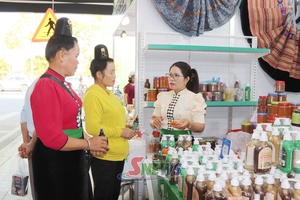
Beyond Moc Chau, many restaurants in the province’s central wards are capitalising on the appeal of ethnic cuisine to serve visitors. Alongside preserving traditional flavours, they are paying close attention to the origin of ingredients and food preparation processes.
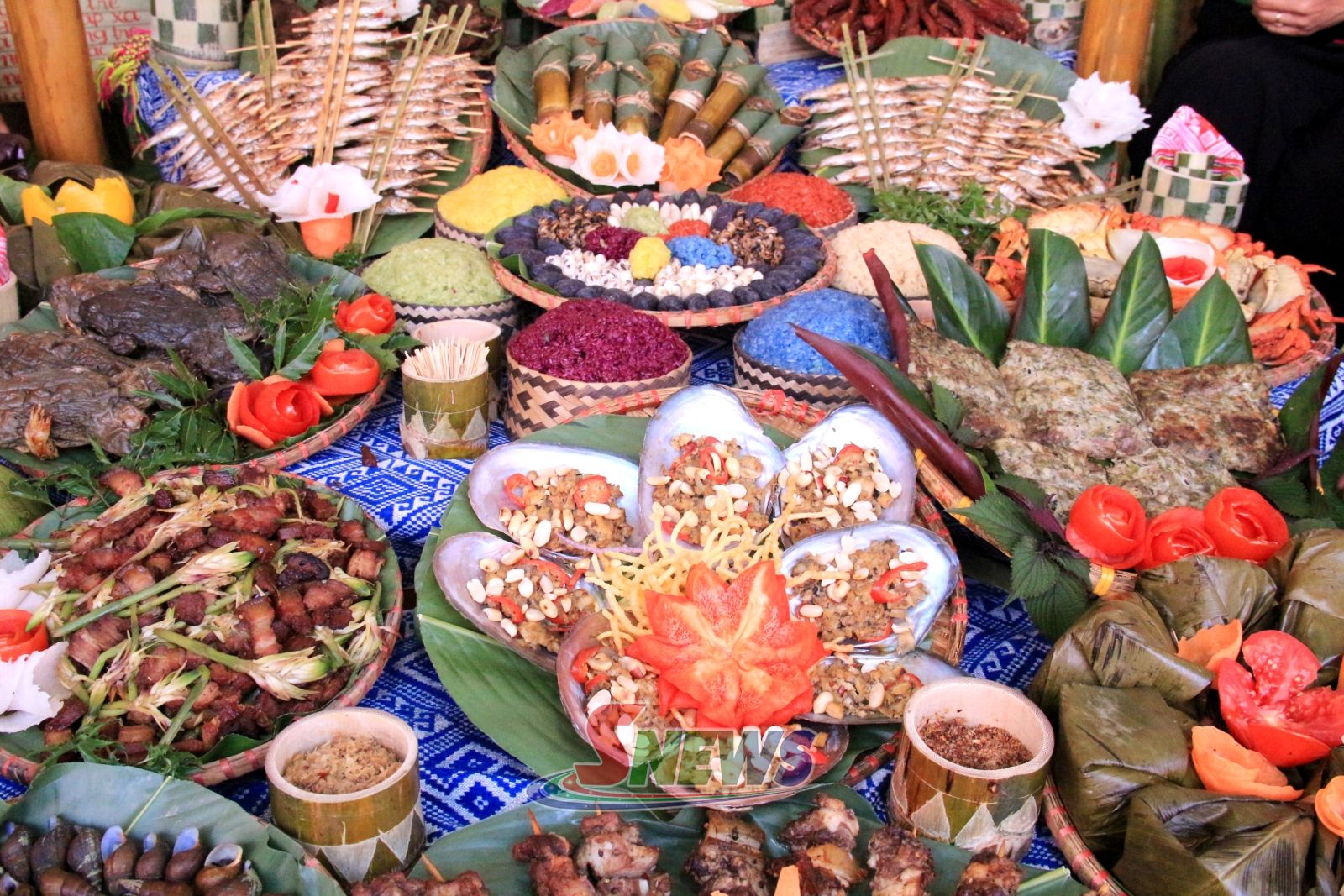
Quang Thi Cuong, owner of Nang Ban Sinh Quang restaurant in Chieng Coi ward, said the restaurant serves traditional Thai ethnic dishes while preserving conventional preparation methods and flavours. It prioritises locally sourced, clean ingredients and seasonings, and follows hygienic food preparation procedures, ensuring that meals retain their distinctive cultural character while remaining safe for diners.
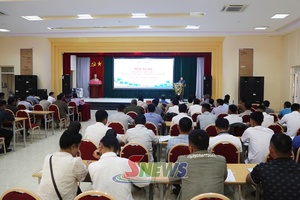
Nguyen Manh Duc, Director of the provincial Food Safety and Hygiene Sub-Department, said food safety measures are being implemented in line with the division of responsibilities, strengthening accountability among agencies and localities while enhancing inter-agency coordination in food quality control.
The agency conducts annual food safety inspections during peak periods and steps up monitoring at major events. It also proactively prepares response plans to deal with food safety incidents and the risk of foodborne diseases, he said.
To protect the rights and safety of diners, provincial authorities have inspected nearly 320 tourism sites and tourist service businesses, promptly identifying and handling violations. Service quality assessments have also been stepped up.
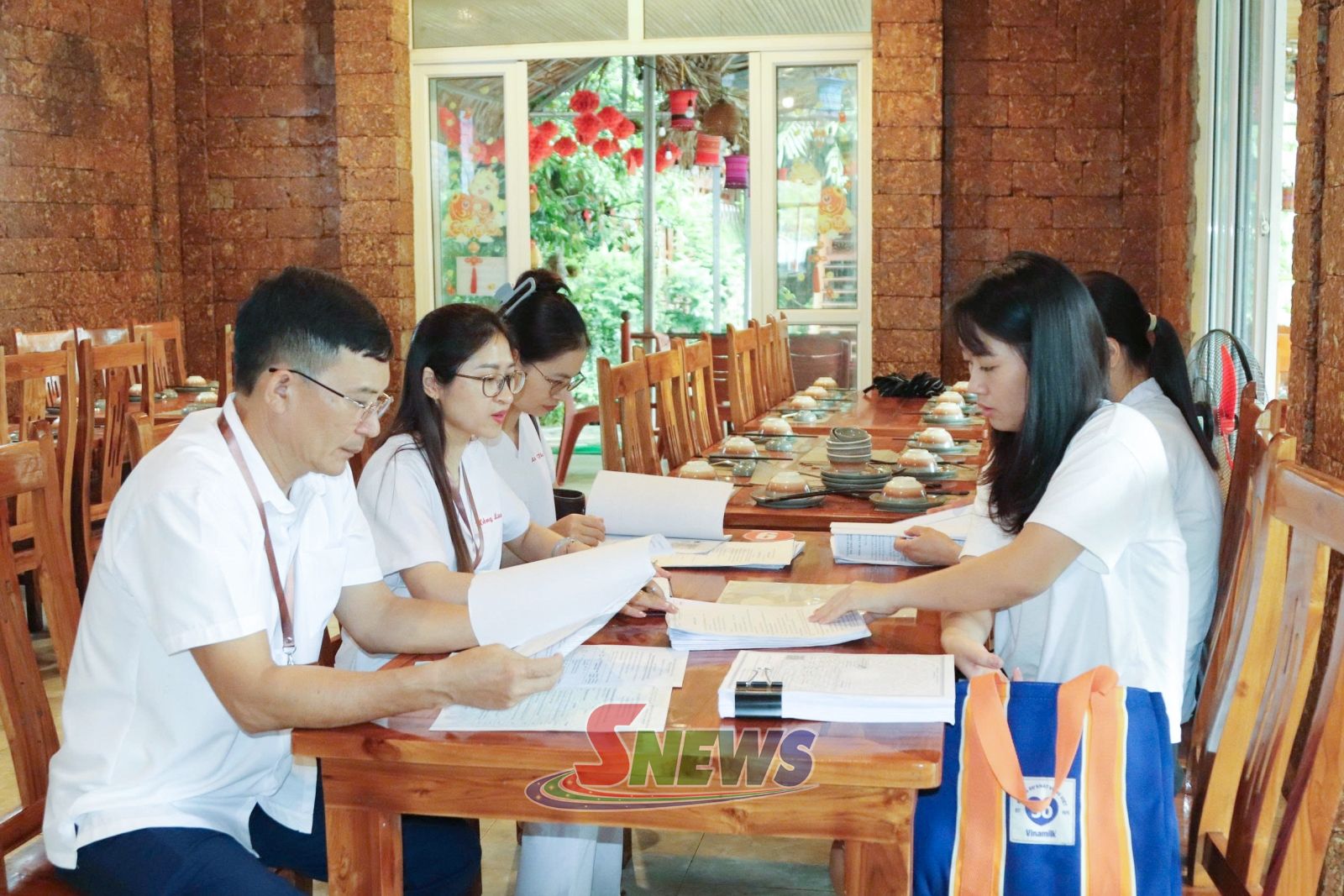
Local authorities have coordinated with the Vietnam National Authority of Tourism to inspect and assess major hotels for 4- and 5-star ratings. They have also inspected, assessed and licensed nearly 190 accommodation establishments as meeting standards for serving tourists, along with nine shopping, dining, sports and entertainment establishments.
Tighter oversight by authorities, combined with a strong sense of responsibility among businesses, will help build a safer tourism environment. From clean kitchens to tasty and safe meals, the image of friendly and hospitable Son La can continue to spread, encouraging visitors to return to the northwestern province./.
.jpg)





You have 500/500 characters left
Please enter 5 or more characters!!!