



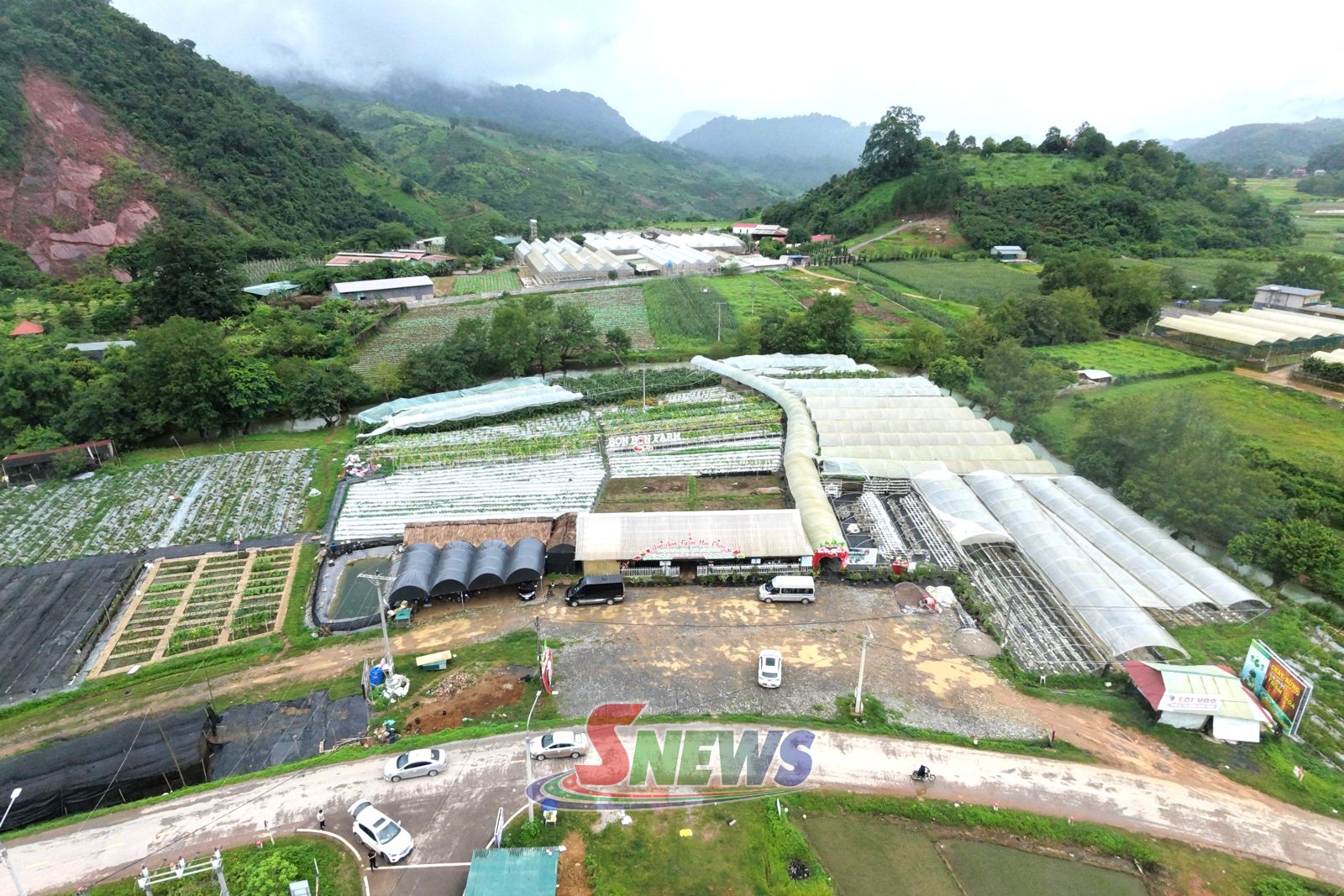
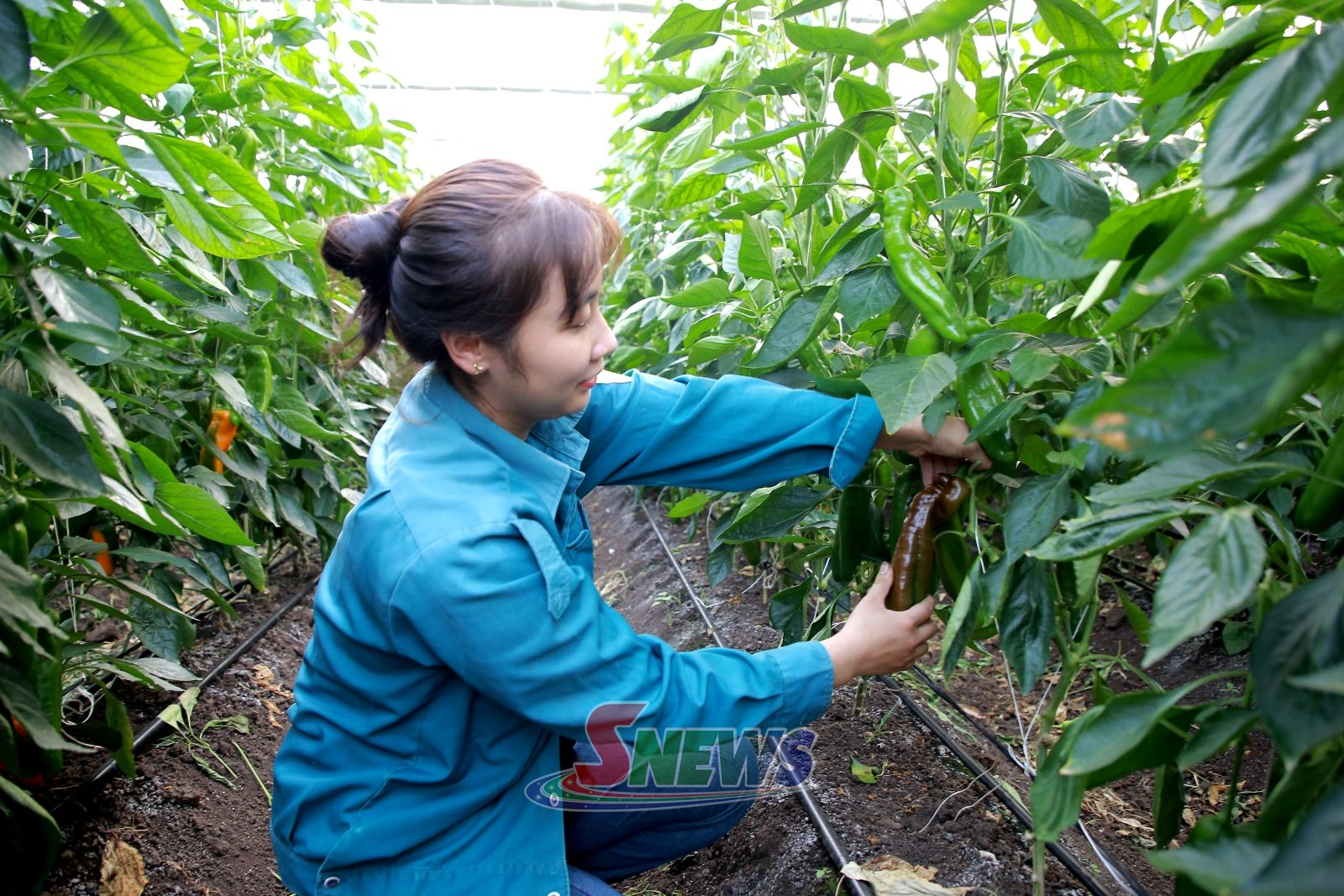
At the production site of Moc Van Trang Organic Agriculture Cooperative, rows of systematically built, modern greenhouses and net houses stand out. Director Ha Van Tien said the cooperative currently grows 18 hectares of various vegetables. Of this, 4 hectares are used to grow tomatoes, bell peppers, celery, strawberries, cucumbers and other crops in greenhouses and net houses equipped with advanced automated irrigation systems.
On average, the cooperative supplies more than 500 tonnes of vegetables, tubers and fruits to the market each year, generating revenue of more than 10 billion VND (384,283 USD). Average revenue reaches nearly 900 million VND per hectare. Most encouragingly, the cooperative’s products are becoming increasingly well known and trusted by consumers, with output at times unable to meet market demand.
Alongside agricultural production, many cooperatives in Moc Chau have studied tourism trends and transformed their gardens into attractive destinations for sightseeing and hands-on experiences.
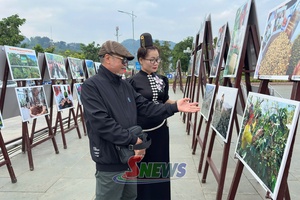
One example is Bon Bon Agricultural Services and Tourism Cooperative. On just over 5 hectares, the cooperative has selected a range of high-value crops, including strawberries, raspberries, figs, cherry tomatoes, Shine Muscat grapes, passion fruit and several varieties of gourds and pumpkins that produce large fruits. These create distinctive landscapes and products for visitors.
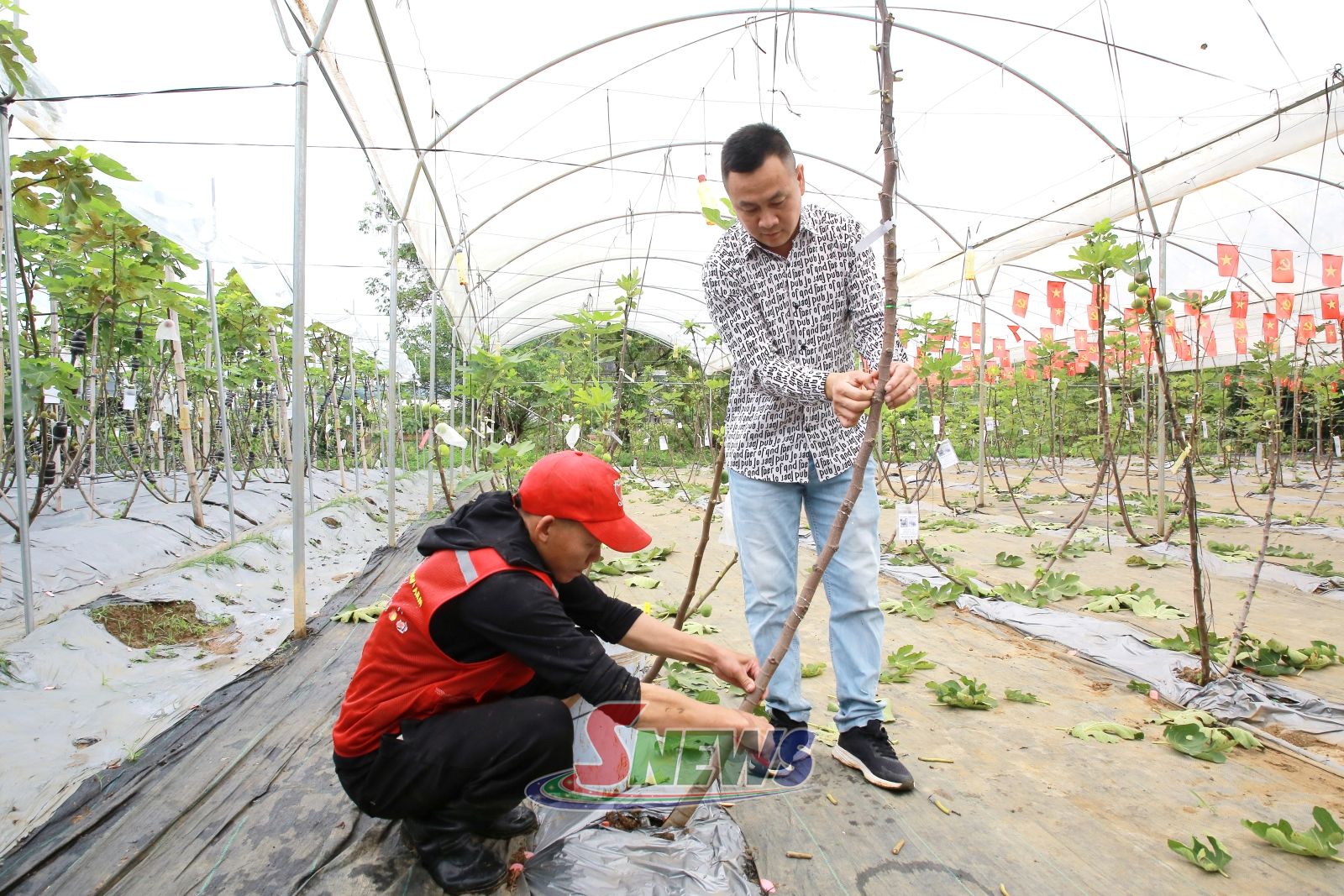
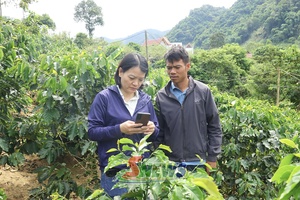
Nguyen Thi Thao Linh, the cooperative’s director, said tourists are increasingly interested in new experiences, prompting the cooperative to prioritisse unique and less common crops for cultivation. The crops are grown according to technical procedures to ensure product quality, allowing visitors to tour the gardens, experience the farming process, pick the produce and enjoy it on site.
The cooperative welcomes thousands of visitors each month for sightseeing and experiential activities.
In Vat Hong residential area, the local landscape, agricultural production and traditional culture of the Thai ethnic community are also being leveraged to develop community-based tourism.
The area’s management board and residents have worked together to establish the Vat Hong Cultural and Experiential Space, featuring 34 stalls, mostly built from bamboo and thatch, set amid fields to create a natural, rustic setting.
Visitors can sample local specialties such as bamboo-cooked rice, grilled fish, smoked meat, five-coloured sticky rice, and fresh vegetables and tubers. They can also participate in cultural and artistic activities and learn about the daily life of the Thai ethnic community.
Director Hoang Thi Hong said the development of experiential tourism activities has helped change local residents’ approach to production and business, from self-sufficiency and small-scale trading toward jointly developing products and services for visitors.
The community has also strengthened cooperation with travel companies to organise tours and attract more visitors, creating additional jobs and raising local incomes.
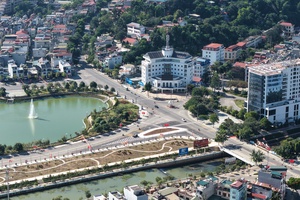
Moc Chau ward has 26 cooperatives operating in agriculture and tourism, making an active contribution to local socio-economic development.
Through the cooperatives, members and farmers receive guidance on production processes, the application of science and technology, product promotion and market access, gradually developing a stable and sustainable agriculture.
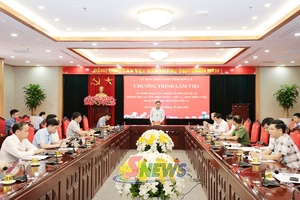
Lo Minh Hiep, Vice Chairman of the Moc Chau ward People’s Committee, said the local authorities are working with cooperatives by facilitating access to preferential loans, supporting the application and transfer of technical advances, and connecting production with markets.
These efforts are enabling cooperatives to expand their operations and strengthen agricultural value-chain linkages alongside tourism development, contributing to local socio-economic growth, he said.
By capitalising on its climate, soil, landscapes and cultural identity, cooperatives in Moc Chau ward are gradually shifting from conventional agricultural production toward building agricultural value chains linked to services and tourism.
Effective models are helping increase the value of agricultural products, create additional livelihoods for local residents and promote Moc Chau as a destination for visitors./.






You have 500/500 characters left
Please enter 5 or more characters!!!