

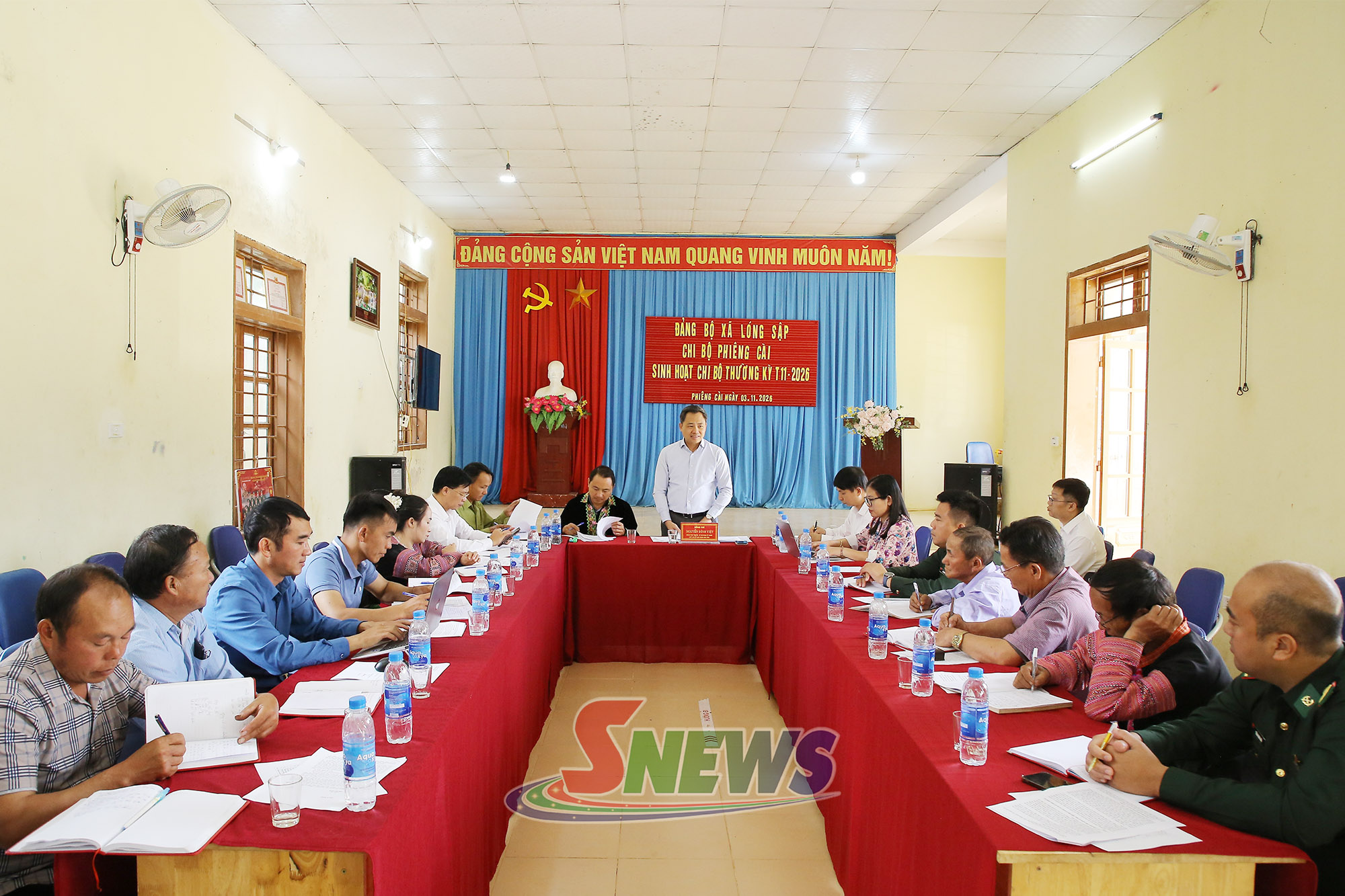
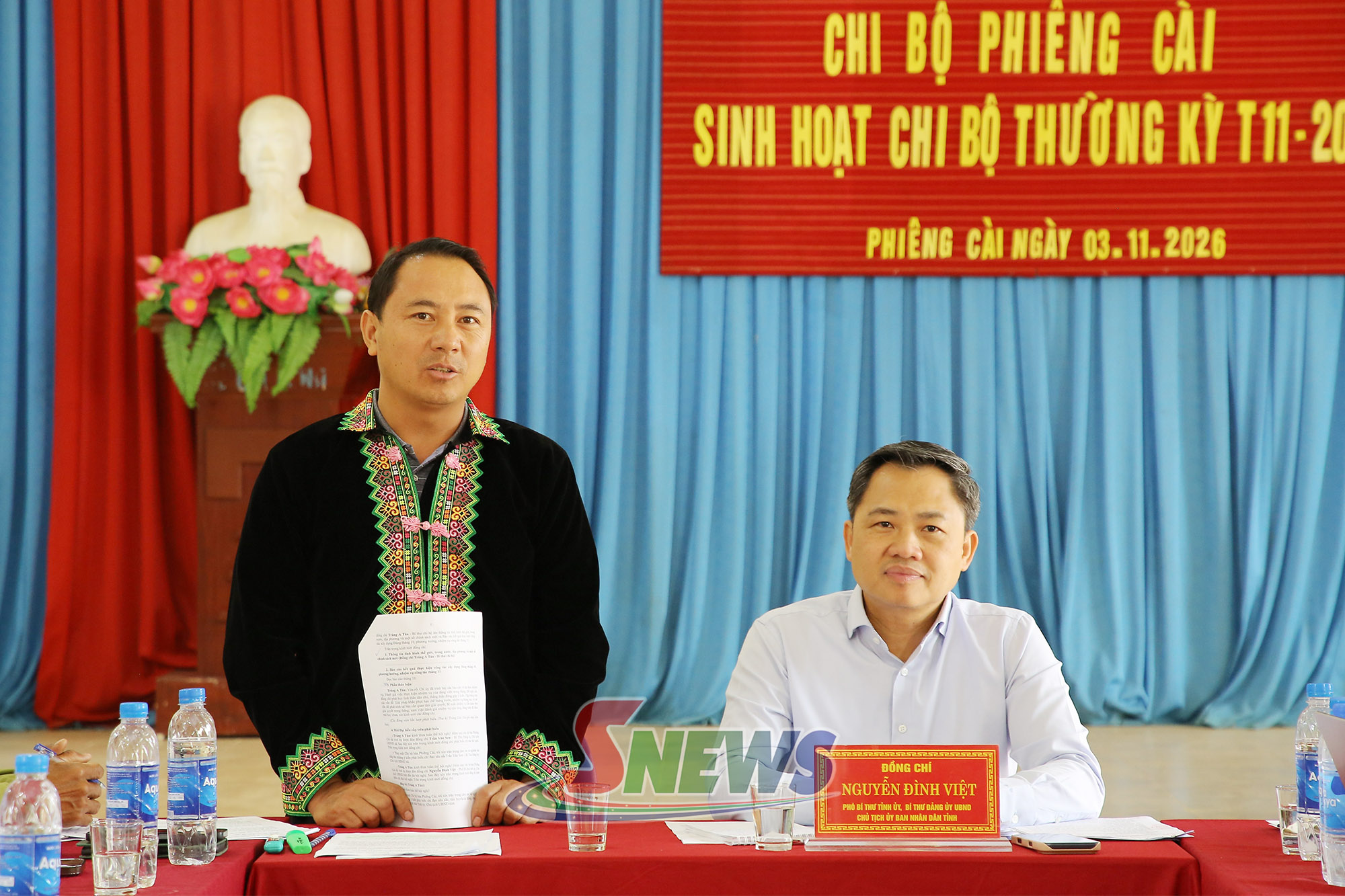
Phieng Cai is a mountainous hamlet with a 14.3-km-long border. It is home to 112 households with 640 people, mainly from the Mong ethnic group. Its Party Cell, which has 21 members, has focused on political and ideological education for officials and Party members, while accelerating the digitisation of Party membership records. All Party members have installed and are using the electronic Party Member Handbook application.
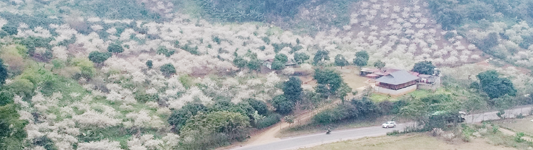
On economic development, the Party Cell has directed residents to maintain and expand the cultivation of key crops. The hamlet currently has 44 hectares of pear, 7.5 hectares of passion fruit, 32 hectares of tea, 29 hectares of plum and 3.4 hectares of macadamia. Residents have also planted 400 scattered trees along both sides of local roads and maintained 3,800 myrtle trees, helping improve the landscape and attract tourists.
Attention has also been given to cultural, social, healthcare and education activities. Public healthcare and vaccination programmes have been fully implemented. Political security and social order and safety have been maintained, with the village continuing efforts to keep the border area free of crime and social evils.
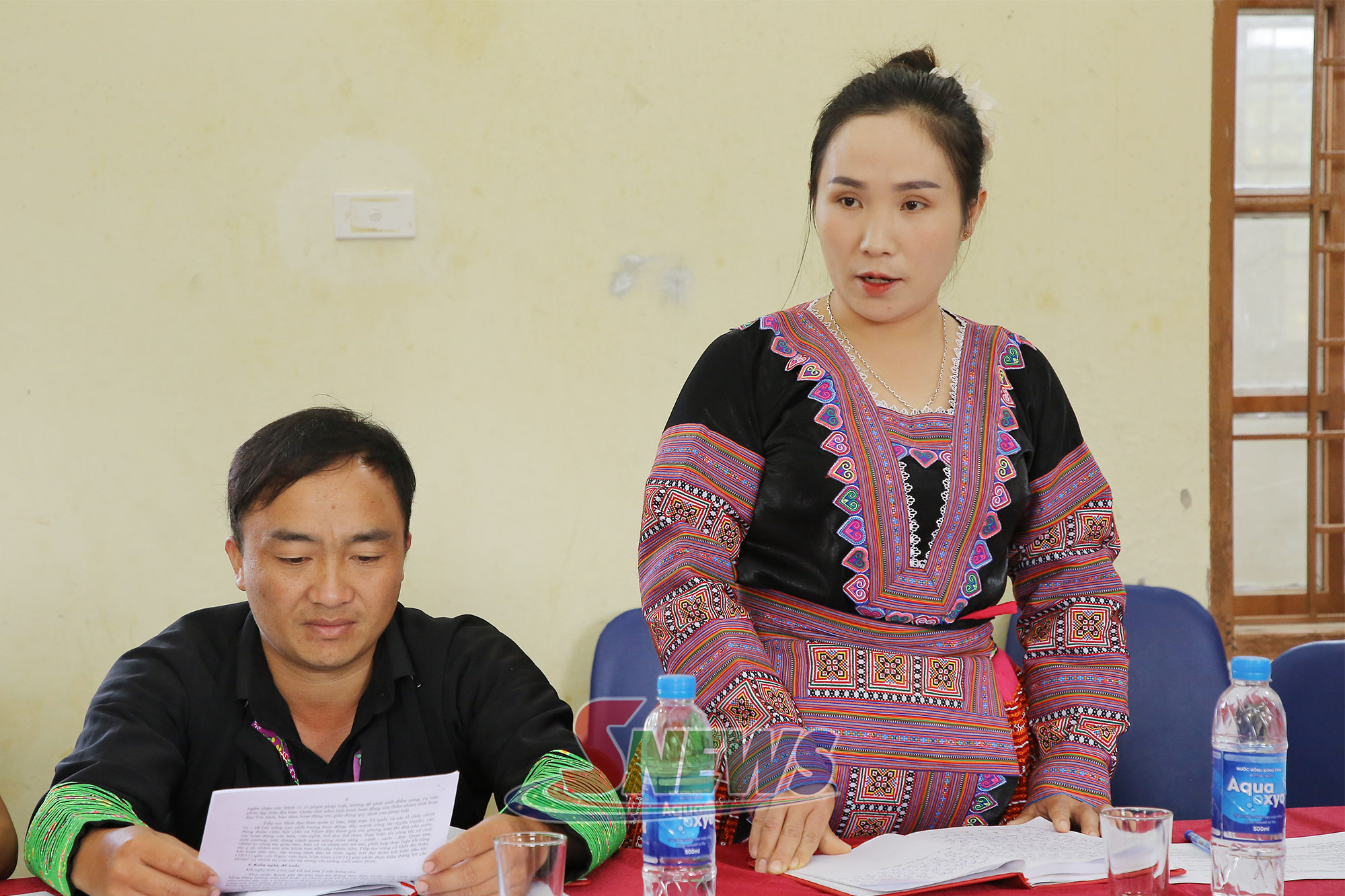
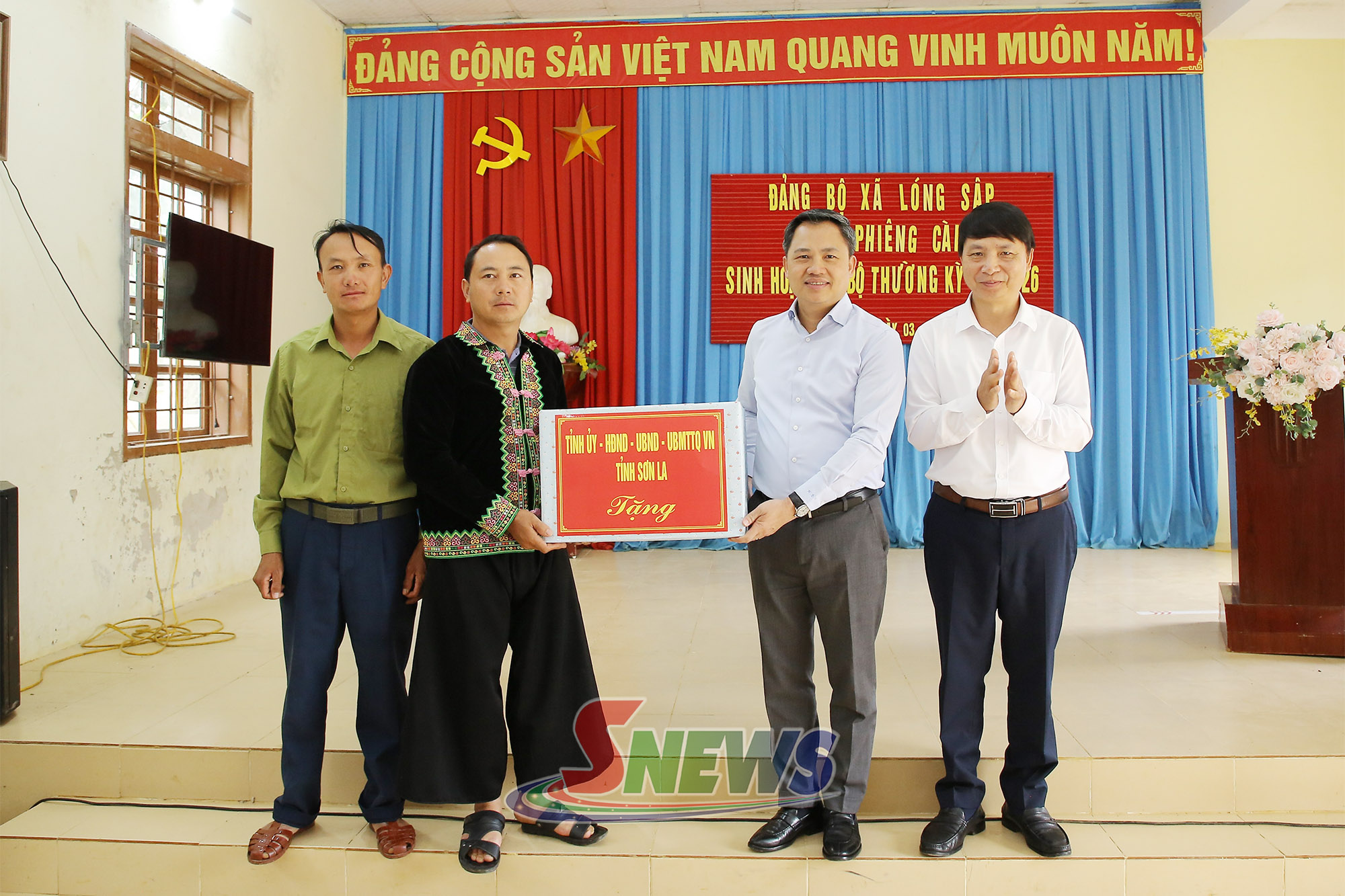
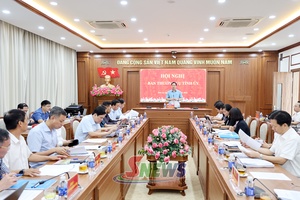
At the meeting, Party members called on the province to provide further financial support for the installation of solar-powered public lighting systems, or reinstate electricity subsidies for public lighting as previously provided. They also proposed assistance with the necessary conditions to gradually develop community-based and experiential tourism services, making better use of the area's local potential and advantages.
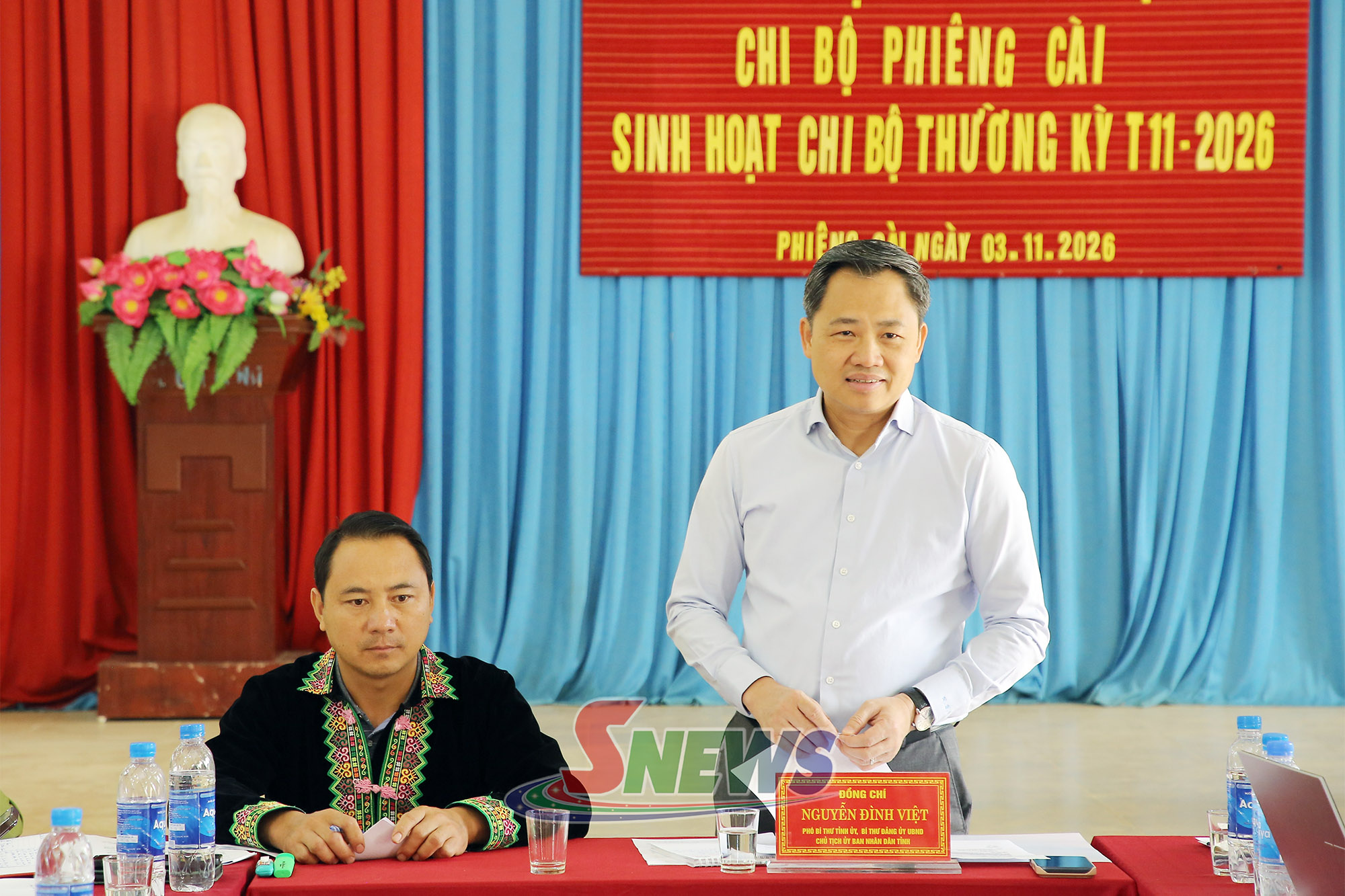
In his remarks, the Chairman of the provincial People's Committee acknowledged and praised the achievements made by the Phieng Cai hamlet Party Cell in recent time.
He called on the Party Cell to continue improving the quality of its meetings, leadership capacity and organisational strength; pay greater attention to residents' material and spiritual well-being; and expand effective economic development models.
He also urged the hamlet to capitalise on its scenic landscapes and geographical advantages by guiding and encouraging residents to invest in community-based tourism, while actively participating in safeguarding border lines and markers, maintaining political security and social order and safety./.






You have 500/500 characters left
Please enter 5 or more characters!!!