


In Khoa hamlet, the Ta Khoa commune Thai Ethnic Culture Club has served for many years as a gathering place for its 46 members. Once a week, members come together to rehearse traditional performances, learn the Thai script, share brocade-weaving and embroidery techniques, and prepare traditional dishes.
Lu Thi Dieu, the club’s chairwoman, said: “With a desire to preserve the beauty of our traditional culture, I persuaded like-minded people to establish the club in 2024, after retiring from the education sector. Initially, only a few people joined, so I visited households individually to talk with residents and encourage their participation. Today, the club has gradually established regular activities and fostered close bonds among those who share a commitment to preserving our ethnic culture.”
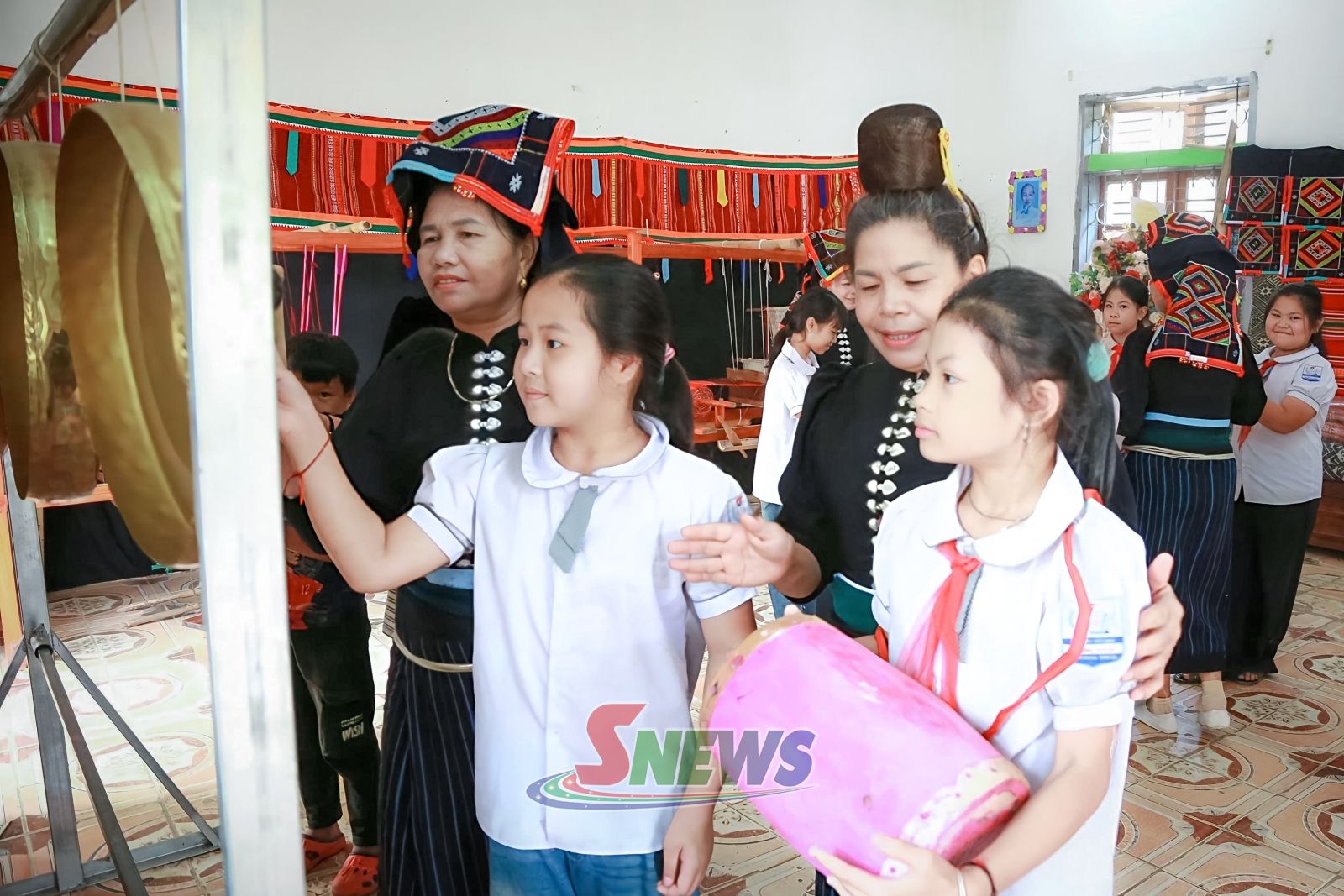
The club also works with local schools to organise experiential activities for students. Under the guidance of older women, students learn about traditional costumes and customs, become familiar with weaving looms, and practice the xoe dance. These hands-on experiences spark students’ interest and nurture their love for, and commitment to preserving the cultural heritage of their homeland.
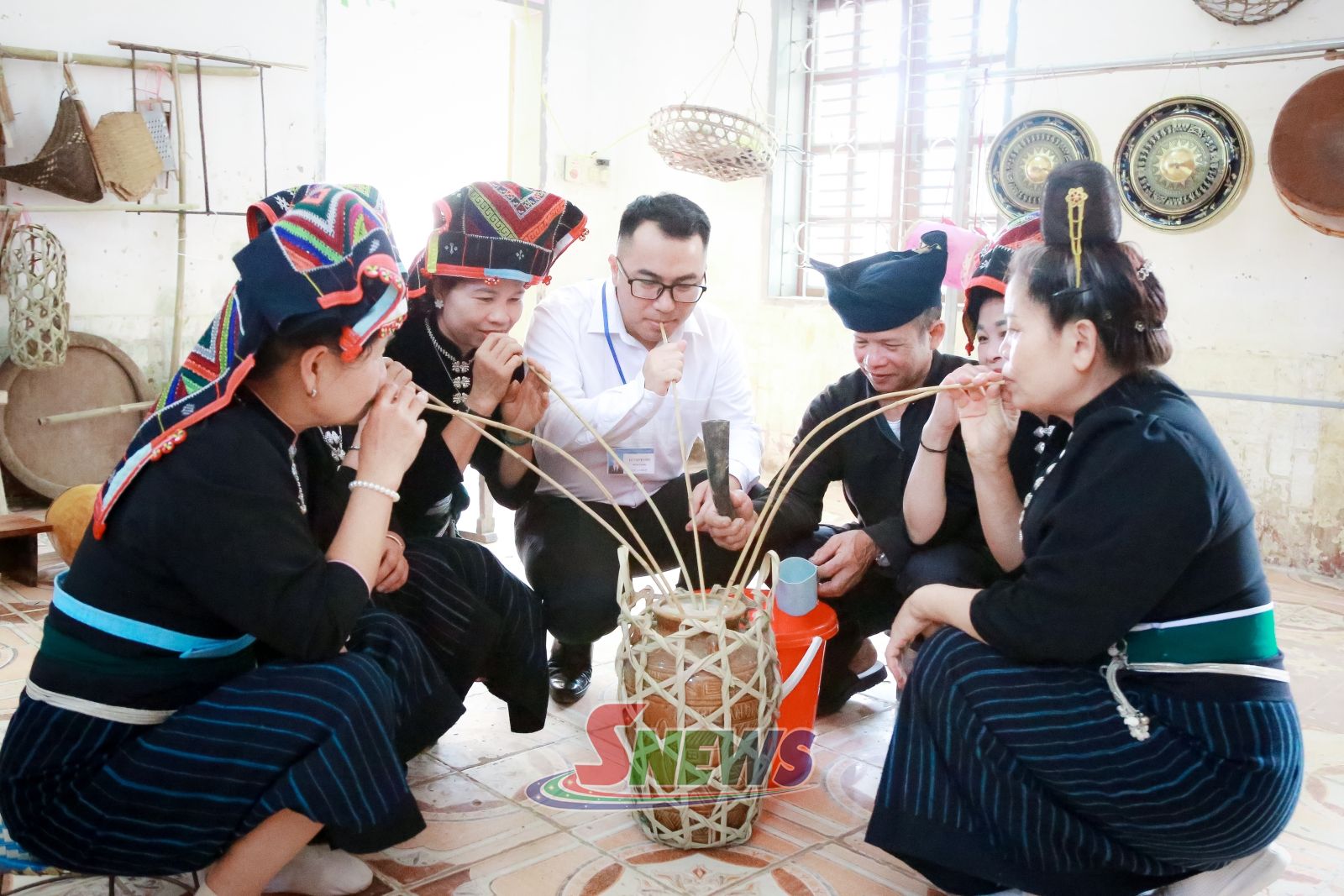
(a traditional rice fermented wine) in the Thai ethnic cultural space in Ta Khoa commune.
Tong Thi Thao Chi, a Class 7A student at Muong Khoa Secondary School, shared: “I really enjoy taking part in activities that help me and my classmates learn about Thai ethnic culture. Listening to the older women introduce our traditions and guide us through practical activities has helped me learn much more about our costumes and customs. I hope to participate in more meaningful activities like these.”
Ta Khoa commune currently has six cultural and performing arts groups across its hamlets, each with about seven members. The groups receive access to rehearsal venues and annual financial support of 2 million VND (77 USD) to maintain their activities. During festivals, Tet celebrations, and community events, members prepare folk songs and traditional dances for performances and cultural exchanges. They also organise folk games, creating a joyful atmosphere and strengthening bonds among villagers.
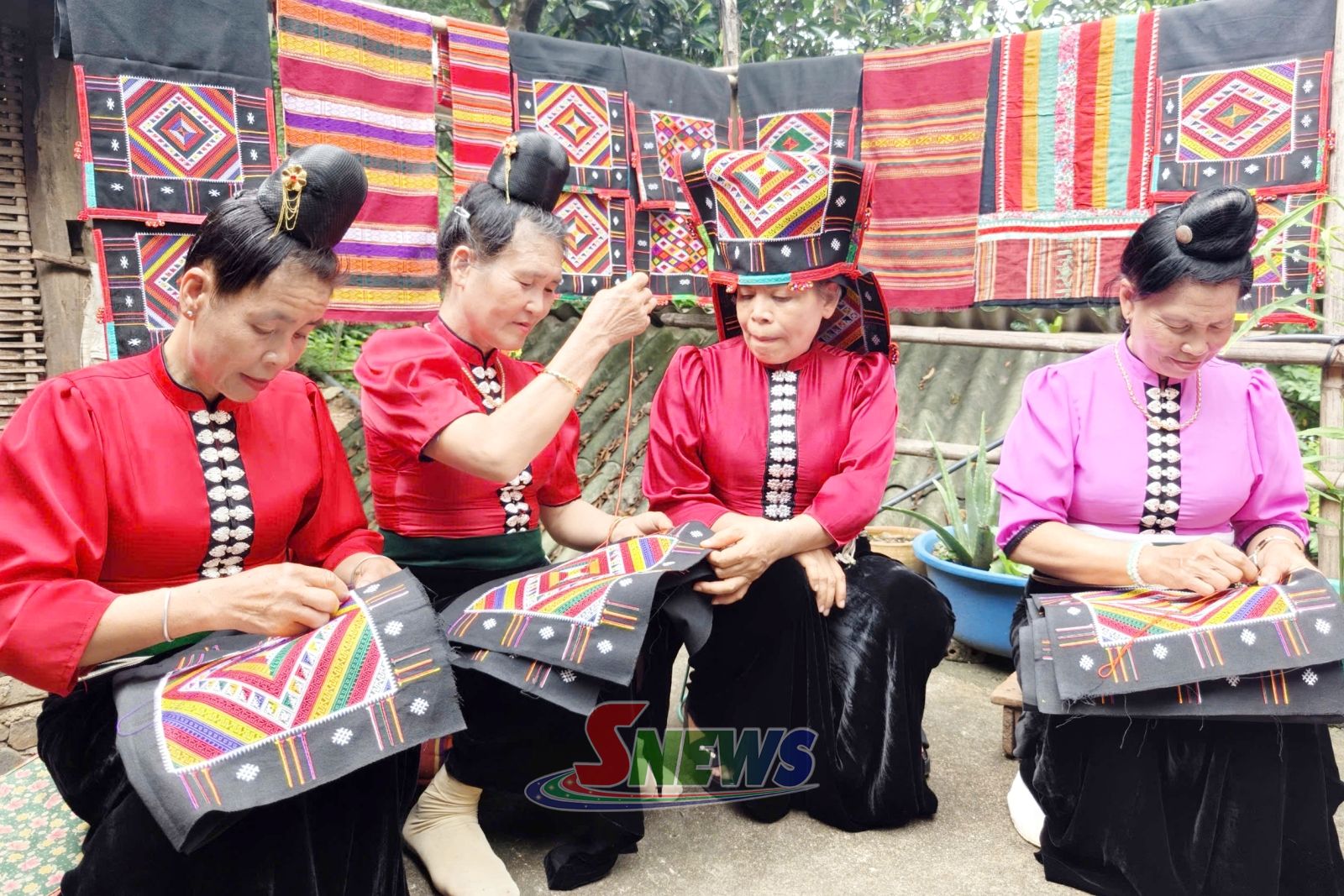
Lu Van Tuyen, Vice Chairman of the Ta Khoa People’s Committee, said the commune focuses on raising public awareness of and responsibility for preserving traditional culture, while promoting the role of local artisans in passing cultural knowledge on to younger generations.
In the coming period, the commune will continue to maintain cultural clubs, community groups, and performing arts teams; coordinate with schools to organise experiential activities; incorporate traditional dances and folk games into cultural exchanges and festivals; and hold events to showcase and promote local culture and agricultural products.
With support from local authorities and the dedication of people passionate about traditional culture, efforts to preserve and promote Ta Khoa’s cultural heritage are producing practical results through community-based initiatives in each hamlet.
The activities of community groups, clubs, and amateur performing arts teams, together with regular gatherings, cultural exchanges, performances, and the transmission of traditional knowledge, are enriching residents’ spiritual lives and affirming Ta Khoa’s distinctive cultural identity./.
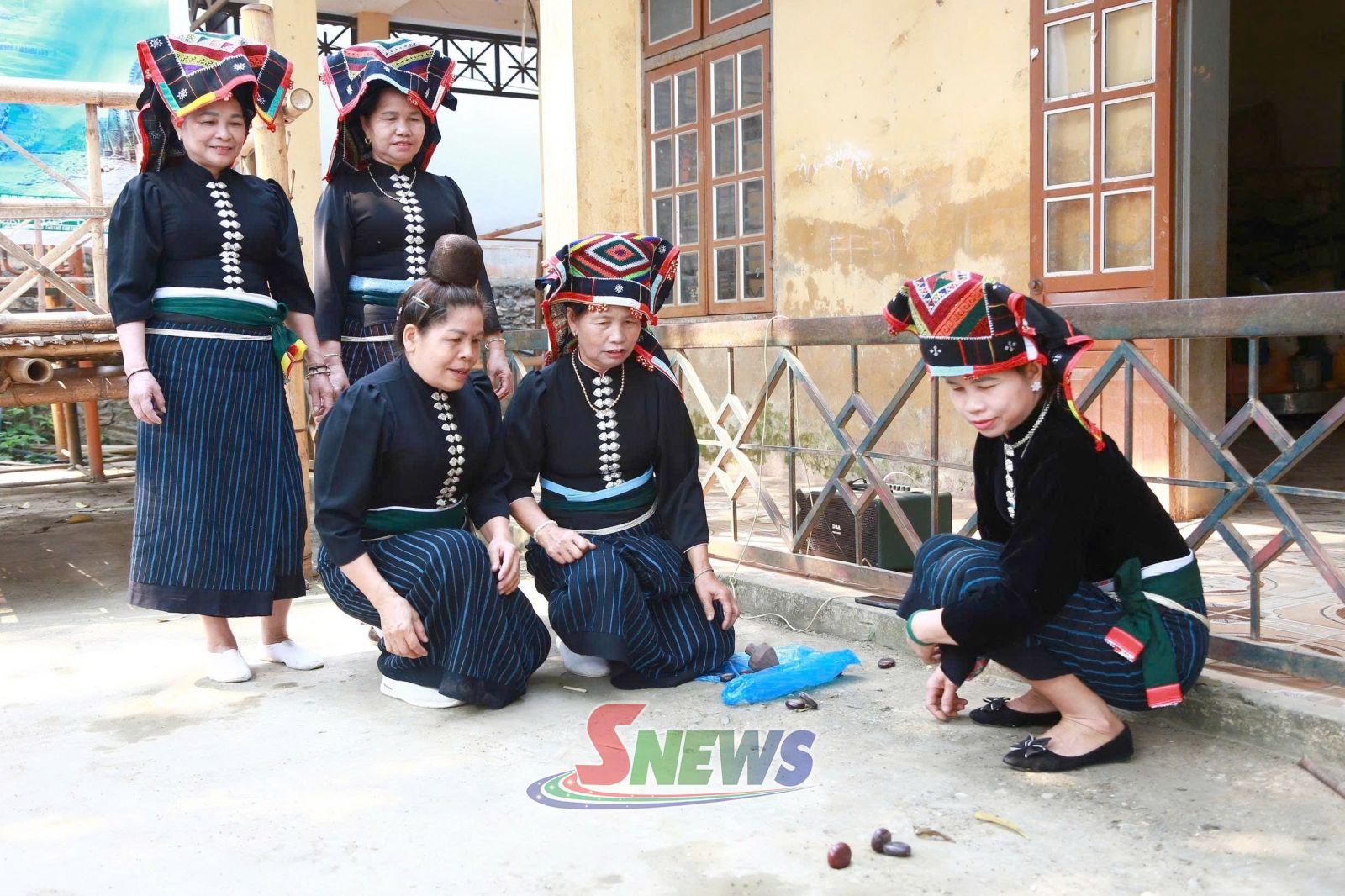
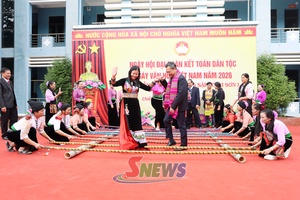
Embers of the Ta Khoa commune Thai Ethnic Culture Club take part in a traditional folk game.
You have 500/500 characters left
Please enter 5 or more characters!!!