


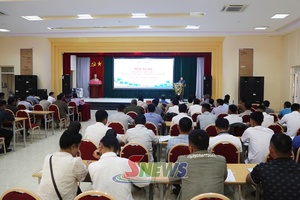
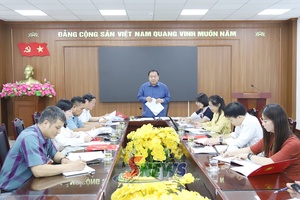
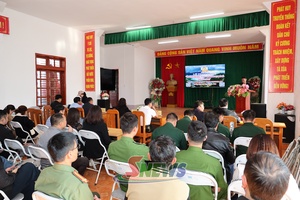
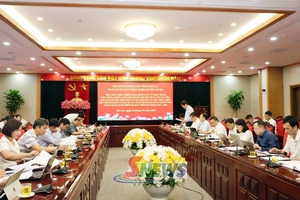
The ceremony was attended by leaders of the Schools of Politics and Administration of Houaphanh, Luang Prabang, Oudomxay, Bokeo, Luang Namtha, Phongsaly, Xieng Khouang, Sayabouly and Xaysomboun provinces, along with leaders of the Son La provincial Party Committee’s Organisation Board, representatives of relevant provincial departments and agencies, and the leadership of the Son La School of Politics.
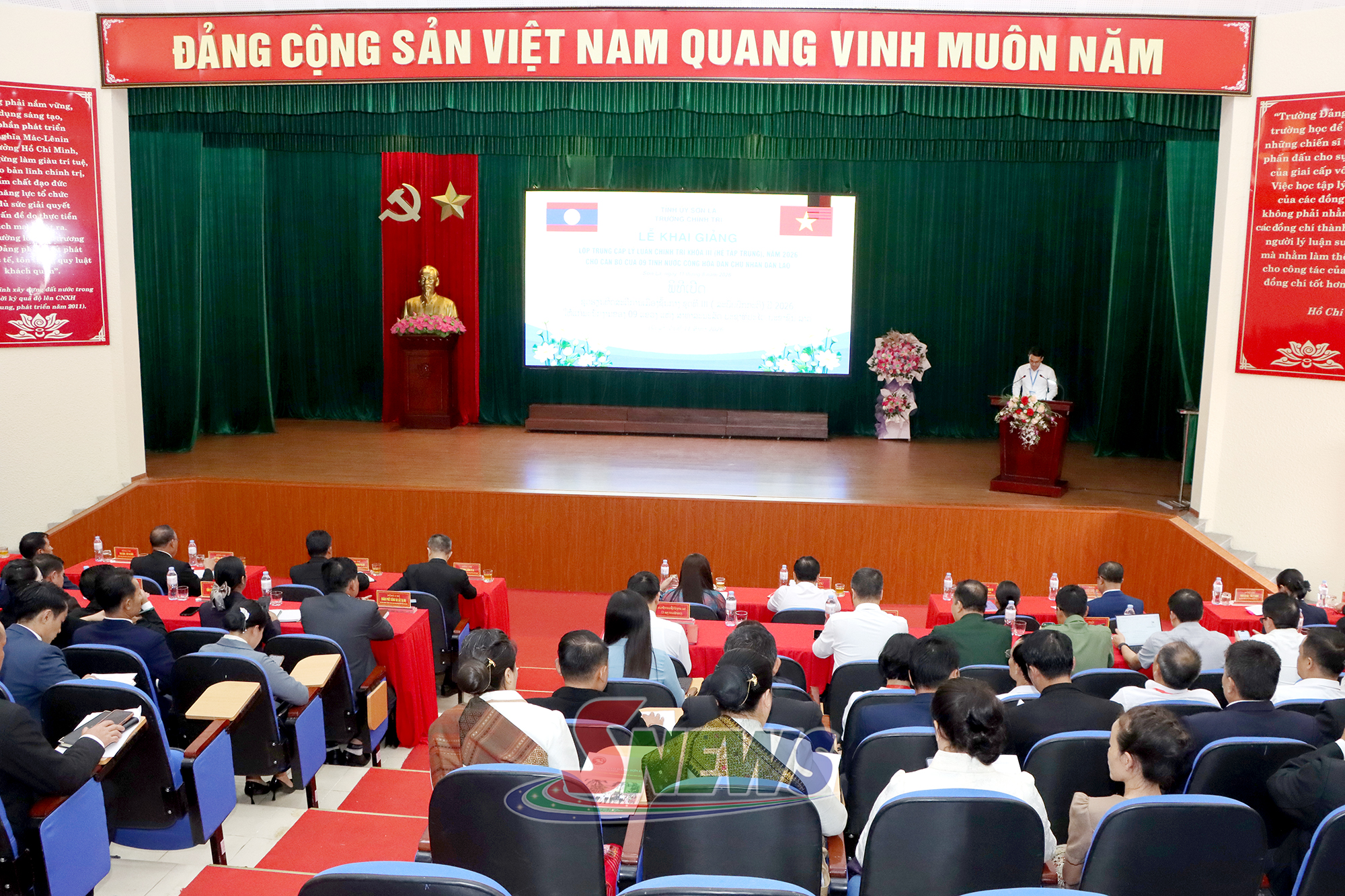
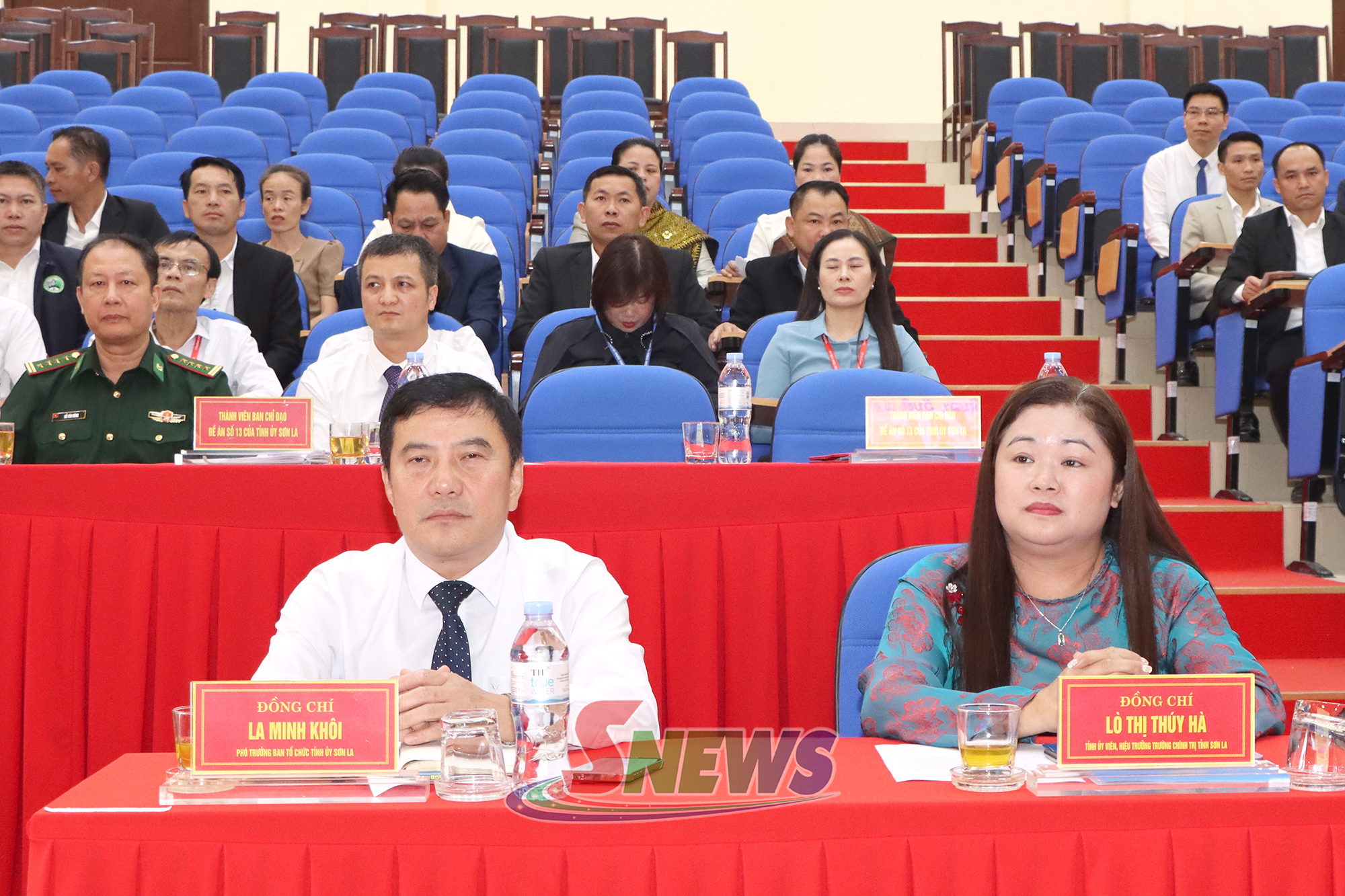
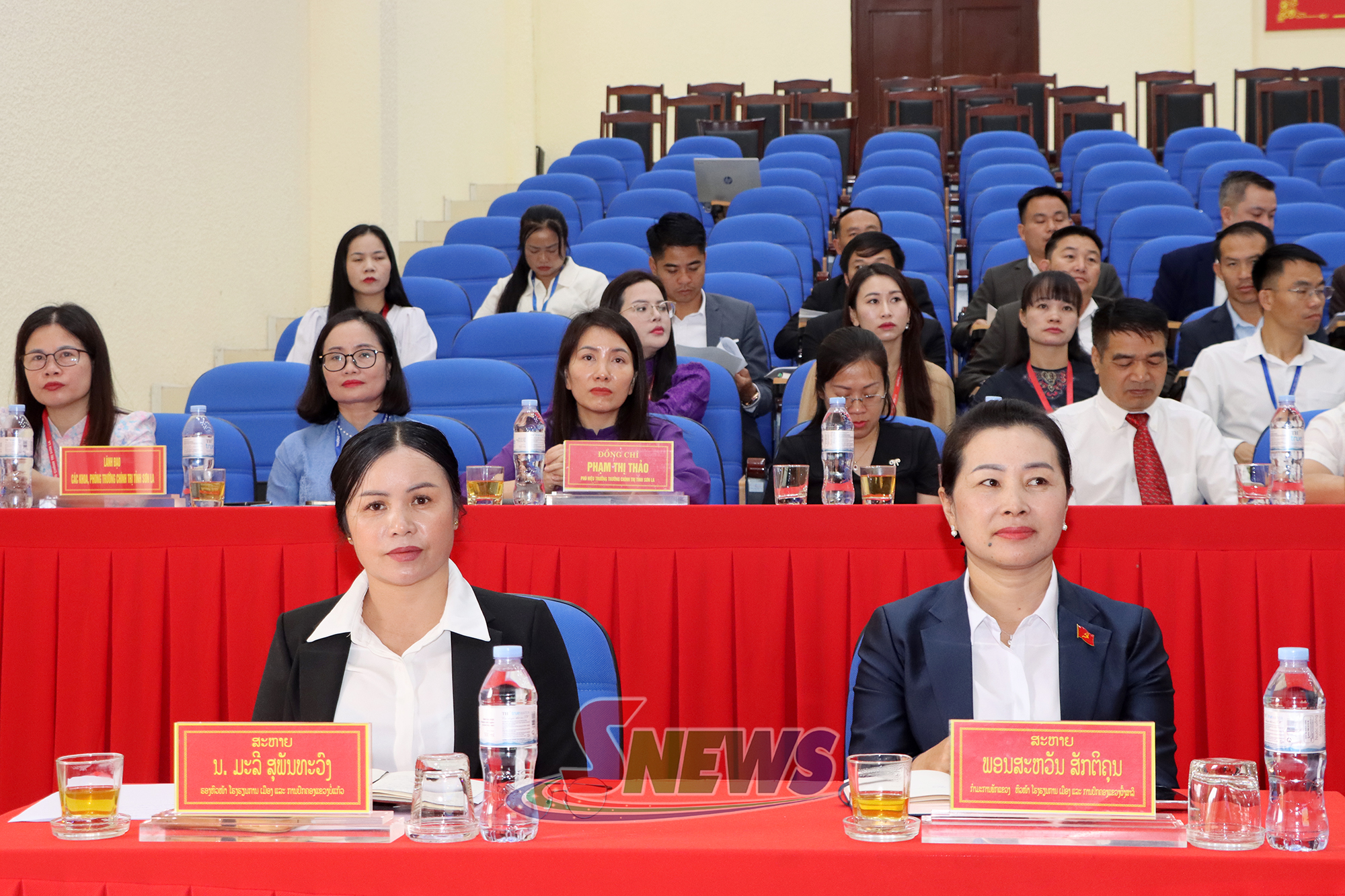
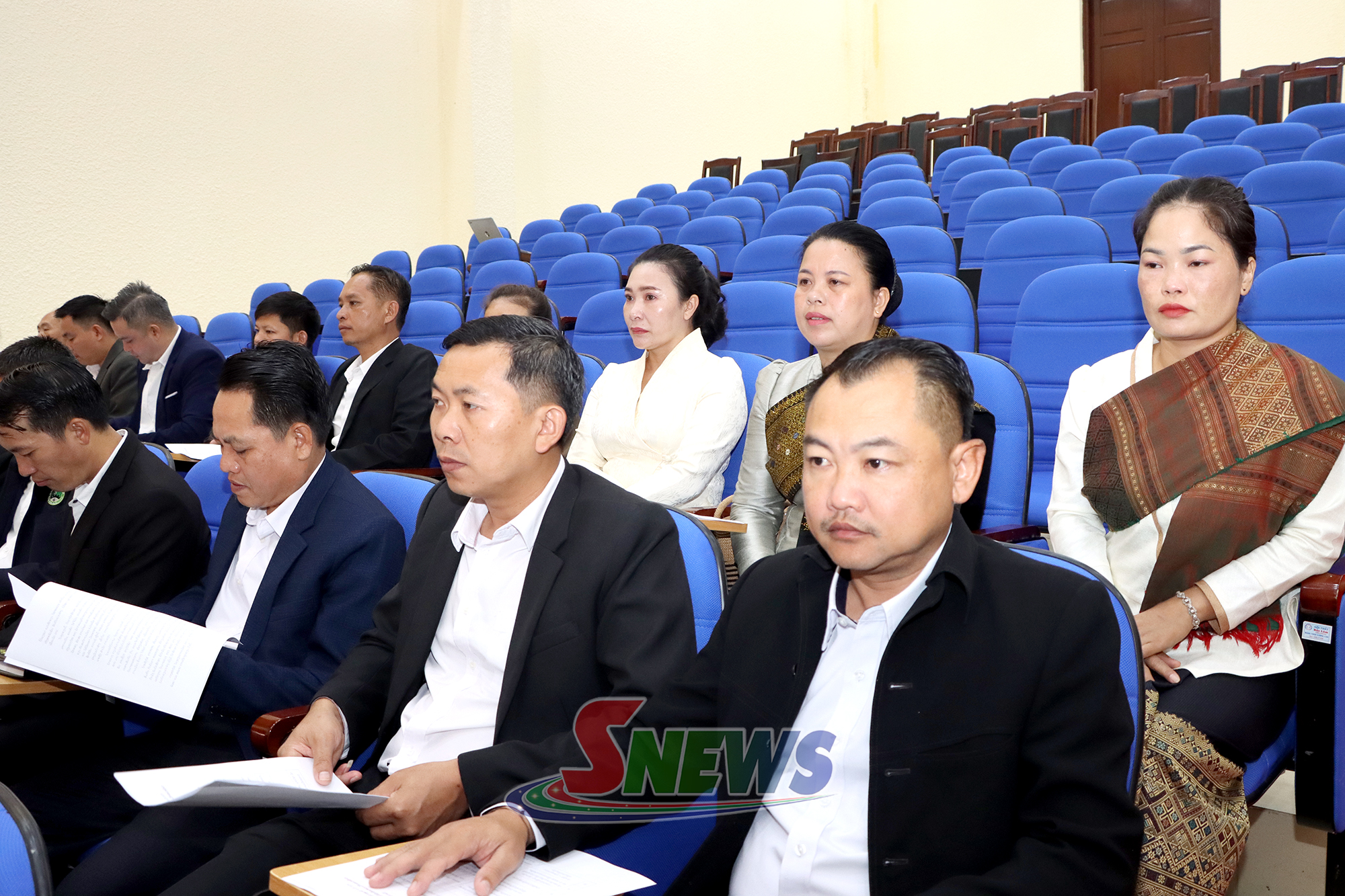
The course draws 40 participants, 28 of whom, or 70%, currently hold leadership or managerial positions at agencies and organisations in the nine Lao provinces.
Over more than one year, participants will study a range of subjects, including Marxist-Leninist philosophy; Marxist-Leninist political economy; scientific socialism; Ho Chi Minh Thought; the history of the Communist Party of Vietnam; Party building; the guidelines and policies of the Party and State of Vietnam; the Vietnamese State and legal system; the Vietnam Fatherland Front and other socio-political organisations; and leadership and management skills at the grassroots level.
The programme will also include sessions on practical experiences and local development, as well as field trips to localities across Son La province.
A new feature of the 2026 programme is the Son La School of Politics’ initiative, registered with the Ho Chi Minh National Academy of Politics, to develop a “Vietnam–Laos Friendship Class” model. Through academic activities, cultural, artistic and sporting exchanges, and the sharing of practical experience, the model aims to create a friendly learning environment while strengthening mutual understanding and ties between trainees from the two countries.
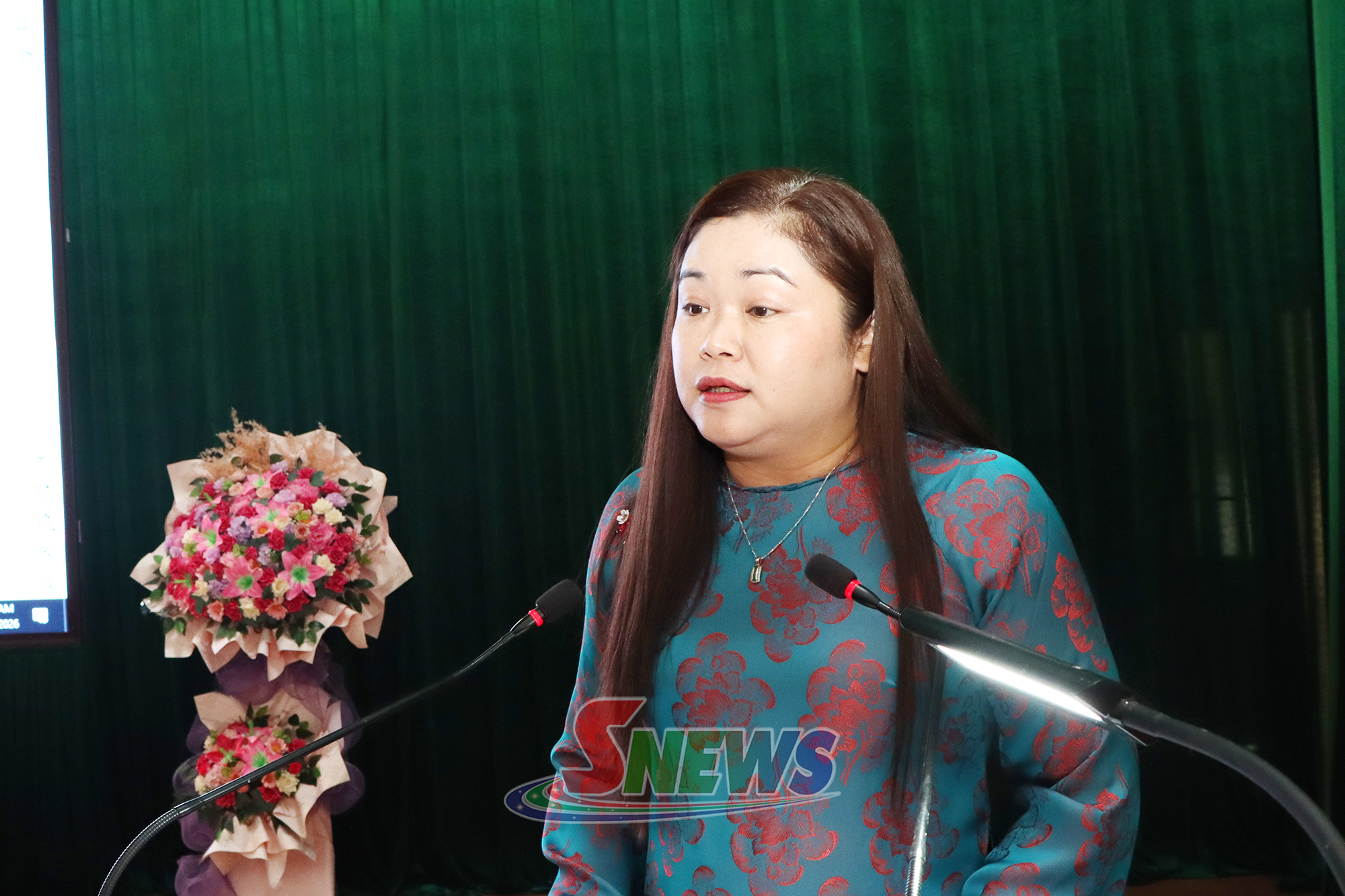
Addressing the opening ceremony, a leader of the Son La School of Politics said the intermediate political theory programme is designed to equip participants with theoretical knowledge and scientific methods to better apply their learning to work. The trainees were urged to take an active and proactive approach to study and research in order to achieve strong academic results.
Lecturers and class advisers were also asked to prepare lessons thoroughly and incorporate practical data and examples from both Vietnam and Laos to make the training more engaging and relevant to participants’ work.

You have 500/500 characters left
Please enter 5 or more characters!!!