

.png)
Coming to Khieu Ban hamlet, Quynh Nhai commune, visitors are struck by the lush coffee gardens covering the hillsides. Seeking to reduce their long-standing dependence on cassava and maize, local Mong ethnic people began growing coffee years ago as a replacement crop. They have worked to care for the trees, learned cultivation techniques and gradually expanded the growing area. In recent years, higher coffee prices have generated significant income for local farmers, changing the lives of many households.
Thao A Dia, Secretary of the Khieu Ban hamlet Party Cell, said the hamlet currently has 157 households, 140 of which grow coffee on a total of more than 120 hectares that are now producing. In 2025, farmers benefited from both a good harvest and high prices. Many households grow 3-4 hectares of coffee, generating revenues of 500-700 million VND (26,952 USD). “We hope coffee prices will remain stable and market access will be easier so farmers can feel secure in continuing to cultivate the crop,” he said.
Quynh Nhai commune has more than 433 hectares of coffee, mainly in Khieu Ban and Ly San hamlets. The commune’s coffee bean output reached 387.8 tonnes in 2025, providing significant income for local residents. The commune is currently reviewing coffee-growing areas under a provincial People’s Committee plan to review coffee grown on forestry land and develop traceable growing-area data in accordance with the European Union Deforestation Regulation (EUDR).
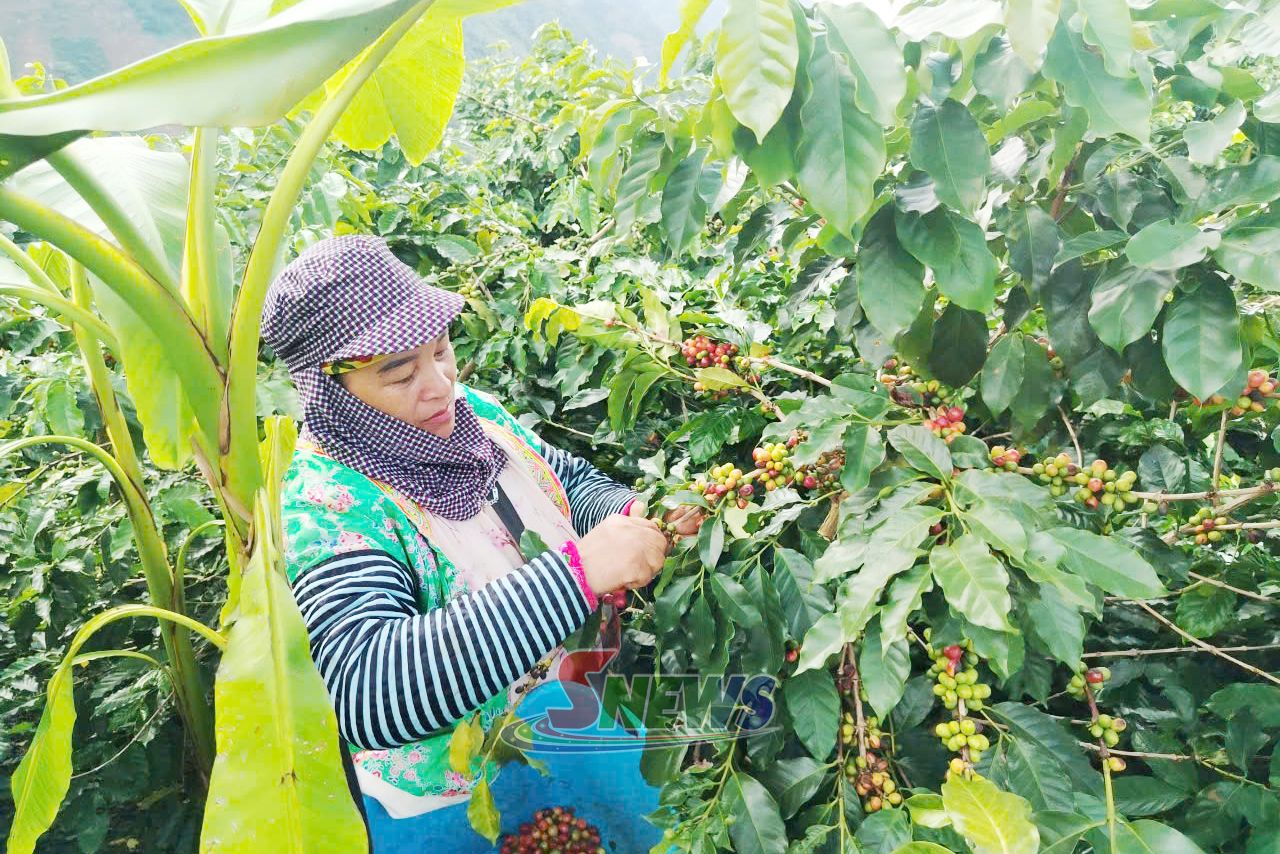
Tong Xuan Truong, Vice Chairman of the communal People’s Committee, said that based on the actual land-use review, more than 1,800 households in the commune have continued to register their need to convert inefficient agricultural land to coffee cultivation, covering a total area of more than 1,509 hectares.
“The commune’s direction is not to expand coffee cultivation indiscriminately, but to develop it in line with concentrated raw-material area planning and apply scientific and technical advances in production to improve coffee quality and economic value, creating momentum for local development,” he said.
In Muong Sai commune, local residents began growing coffee more than 10 years ago. The commune now has more than 400 hectares of coffee, with about 50% of the area already producing. The commune is continuing to review and assess all agricultural land to develop a production conversion plan, replacing less productive crops with coffee.
Lo Minh Hieu, Vice Chairman of the Muong Sai commune People’s Committee, said a survey of local residents’ actual needs showed that households in the commune have registered demand to plant about 700 hectares of new coffee between now and 2030.
“The commune’s main focus in the coming period is to step up communication and encourage farmers to maintain existing coffee-growing areas effectively and convert cassava-growing land to coffee when appropriate, in line with the overall policies and plans,” he said.
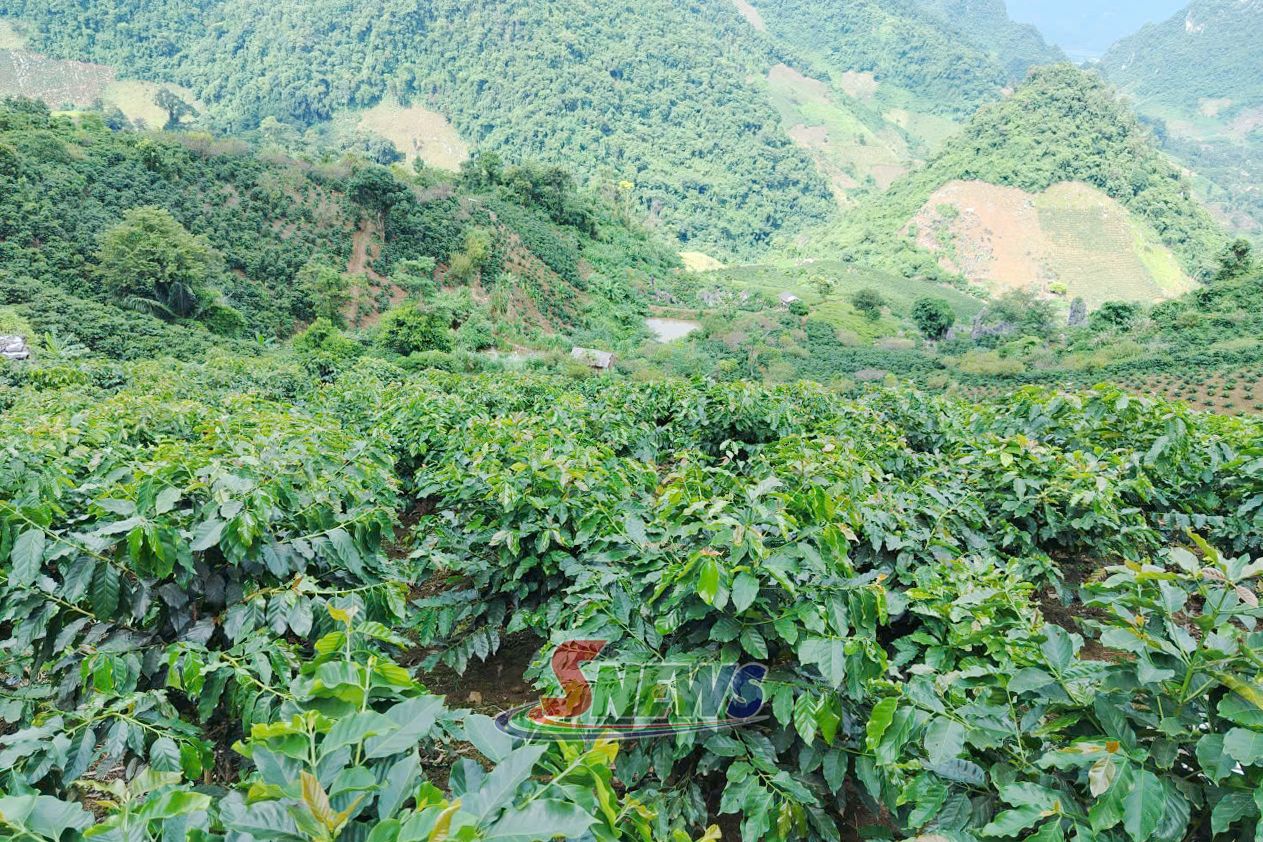
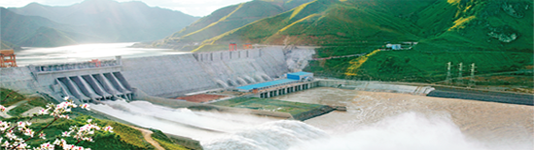
Alongside Quynh Nhai and Muong Sai, coffee cultivation has expanded to other localities with suitable climate and soil conditions. Local authorities are strictly implementing coffee-growing area planning, ensuring that natural and protective forests along the reservoir are not encroached upon, while applying intercropping models that combine coffee with fruit trees to increase vegetation cover and prevent soil erosion.
With clear direction, specific plans and continued support from local authorities and relevant agencies, coffee cultivation in the Quynh Nhai reservoir area is expected to continue developing sustainably. This will contribute to strengthening and enhancing the reputation of Son La Arabica coffee, making the most of the reservoir’s ecological potential and improving the livelihoods of local ethnic communities.







You have 500/500 characters left
Please enter 5 or more characters!!!