

At an 8,000-sq.m greenhouse in Chieng Mung commune, Nguyen Dinh Tuan begins each working day by checking the condition of his soil. For him, loose, well-aerated soil with good moisture retention is the clearest sign of a healthy vineyard. Over the past three years, his entire Ha Den grape plantation has been managed using Integrated Plant Health Management (IPHM) practices.
According to Tuan, investing in soil is investing in the future of the vineyard. Ha Den grape only needs to be planted once but can be harvested for 20–25 years, producing two crops annually with yields of up to 20 tonnes per hectare. The grapes typically sell for 100,000–150,000 VND (3.8-5.7 USD) per kg.
The longer the vineyard is cultivated, the more important it becomes to maintain healthy soil. Therefore, he prioritises organic fertilisers and biological products, composts fish, maize, soybeans, bananas, milk, and molasses into organic fertiliser, manages weeds instead of using herbicides, and adjusts the irrigation system according to each growth stage of the vines.
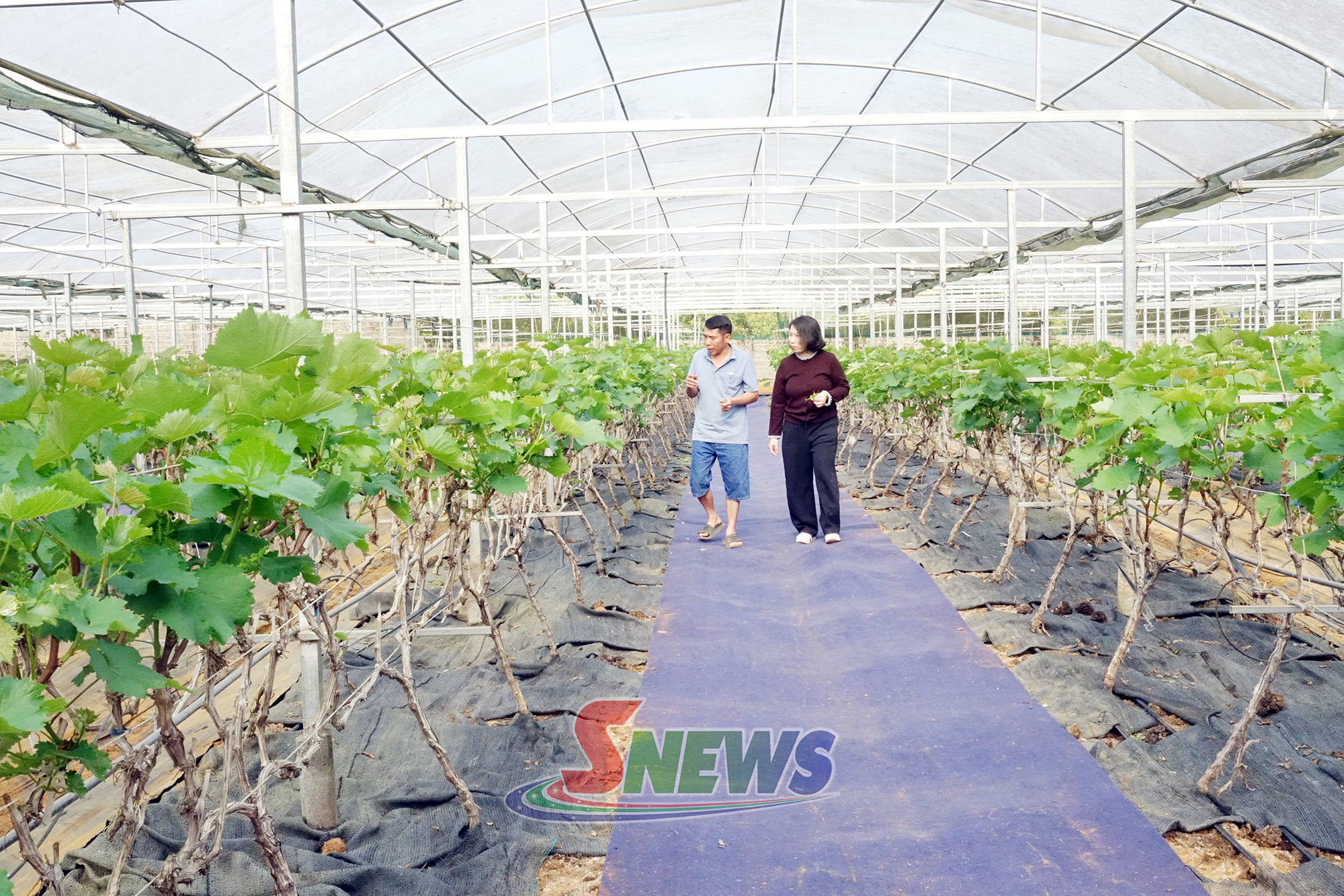
The benefits of changing cultivation methods do not appear after just one growing season. Over time, the soil becomes looser and retains moisture more effectively, root systems develop more vigorously, crops become less susceptible to pests and diseases, and the need for chemical fertilisers and pesticides declines.
This approach reflects the principles of regenerative agriculture, which places soil restoration at the centre of agricultural production. As organic matter is returned to the soil and beneficial microorganisms recover, crops become healthier, more resilient to adverse weather conditions, less dependent on chemical inputs, and better suited to environmentally friendly, sustainable farming.
With more than 85,000 hectares of fruit trees and 33,600 hectares of coffee plantations, Son La province is gradually incorporating regenerative agriculture principles into production through Integrated Plant Health Management (IPHM), Integrated Pest Management (IPM), the use of organic fertilisers and biological products, water-saving irrigation techniques, and the recycling of agricultural by-products.
Farmers and cooperatives have actively adopted these practices, considering soil restoration and maintenance key solutions for improving product quality and ensuring sustainable agricultural development.
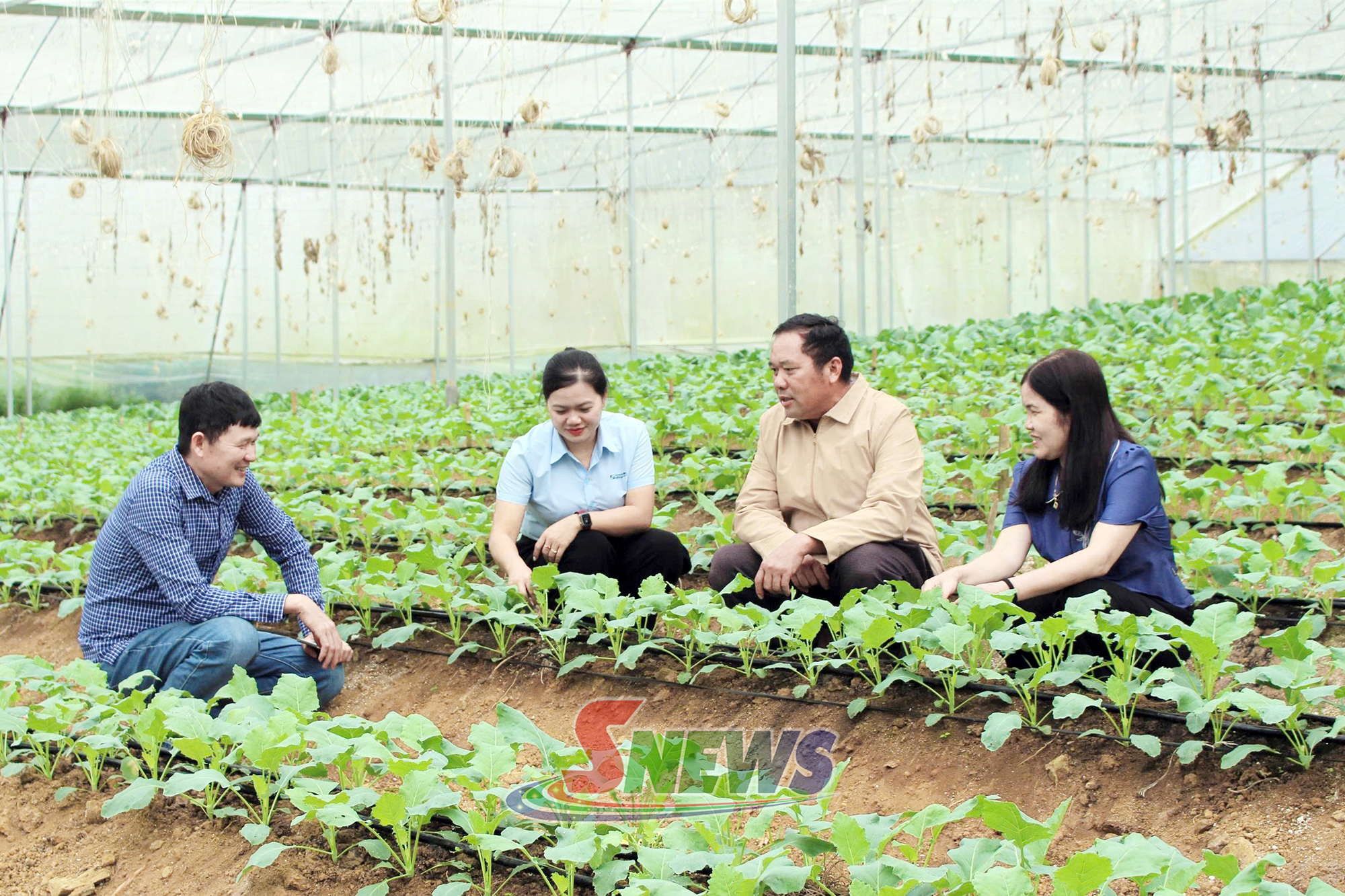
At Nong Xanh Cooperative in Hang Trung 1 hamlet, Van Ho Commune, members regard soil care as the foundation for stable crop growth and high-quality agricultural products. Established in 2019, the cooperative now works with more than 60 farming households, cultivating about 40 hectares of crops.
To ensure consistent farming practices, members are organised into groups that regularly inspect production activities, monitor implementation, and exchange practical experience. Soil improvement, fertiliser application, irrigation management, and pest control are all carried out according to standardised procedures. As a result, vegetable production generates average net revenues of more than 300 million VND (11,400 USD) per hectare per crop, significantly higher than maize cultivation.
Luu Tung Dinh, Director of the cooperative, said that healthy soil naturally leads to healthier crops with fewer pest and disease problems. Following technical training, members have gradually shifted to using organic fertilisers, biological products, and irrigation systems that match crop water requirements.
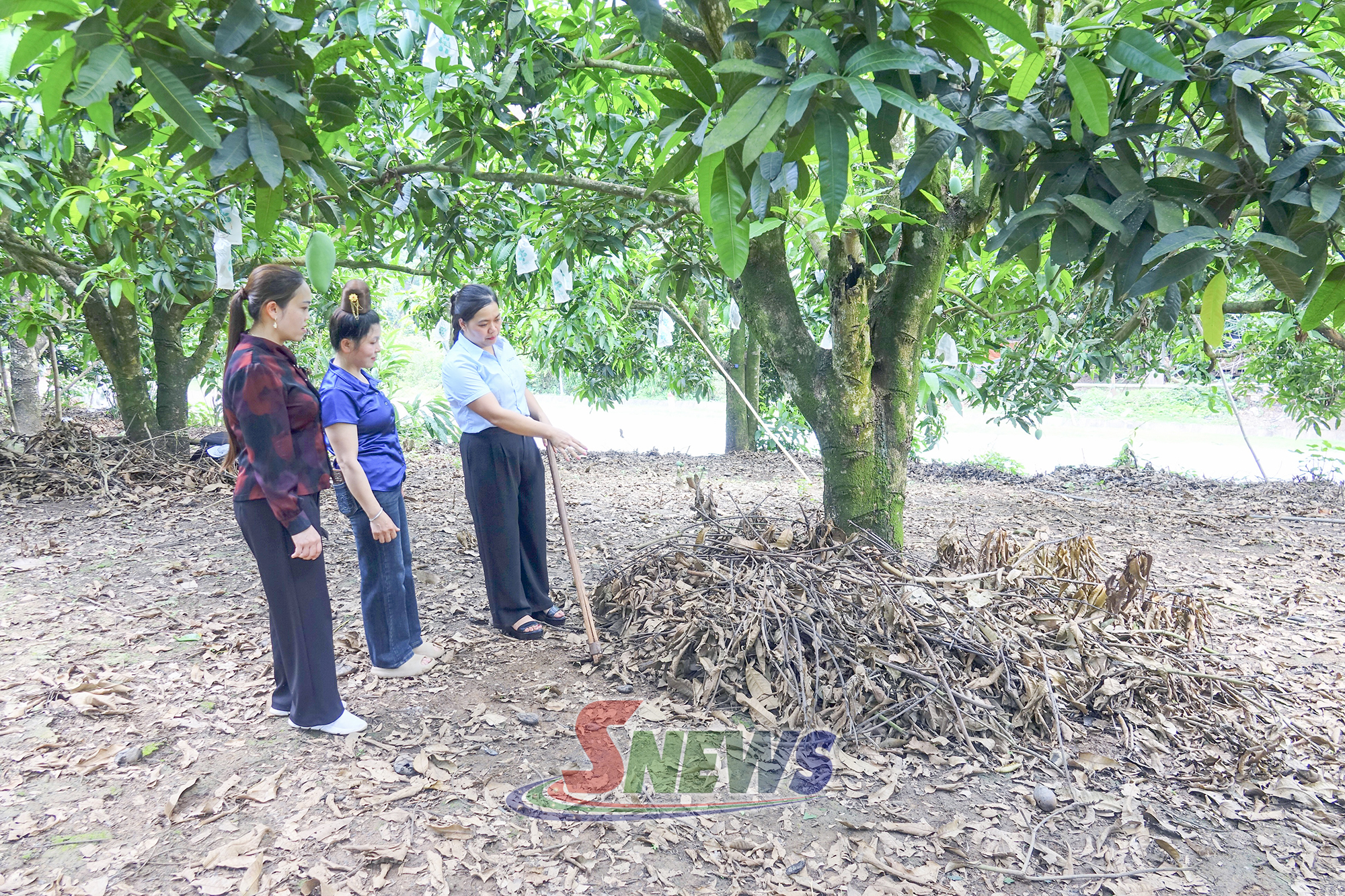
Crop residues are composted with microbial products and returned to the fields as organic fertiliser, improving soil structure, increasing moisture retention, reducing nutrient loss, and lowering water and fertiliser consumption while maintaining product quality.
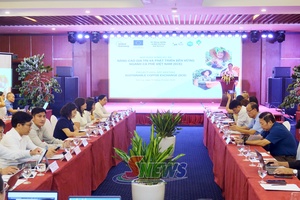
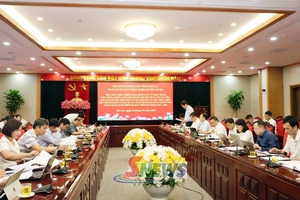
Beyond individual farming models, soil health management is being integrated into agricultural extension and technology transfer programmes to encourage wider adoption across production areas.
Hoang Thi Thu Hien, Director of the provincial Agricultural Extension and Digital Transformation Centre, said the unit is incorporating soil health management into extension projects by establishing demonstration models, providing technical training on soil improvement, promoting the use of organic fertilisers and biological products, and encouraging the recycling of agricultural by-products. These efforts are gradually transforming farming practices, reducing production costs, and improving economic efficiency.
The expansion of organic and safe agricultural production is creating an important foundation for Son La to realise its goal of green and sustainable agriculture. The province now has nearly 2,500 hectares under organic-oriented production, including almost 300 hectares certified as organic. Nearly 6,000 hectares of crops have obtained VietGAP certification.
Five enterprises, four cooperatives, and nearly 1,600 farming households are engaged in organic agricultural production and processing, while more than 815 hectares are currently undergoing conversion to organic farming.
These achievements provide a solid basis for expanding environmentally friendly production models, enhancing agricultural product quality, and promoting sustainable agricultural development.
The changes in soil management today are opening a sustainable path for Son La agriculture. By placing soil health at the heart of production, the province is not only improving crop performance but also enhancing agricultural product quality, production efficiency, and added value. This approach provides a strong foundation for building a greener and more sustainable agricultural sector that is better equipped to meet requirements in the new period./.

You have 500/500 characters left
Please enter 5 or more characters!!!