


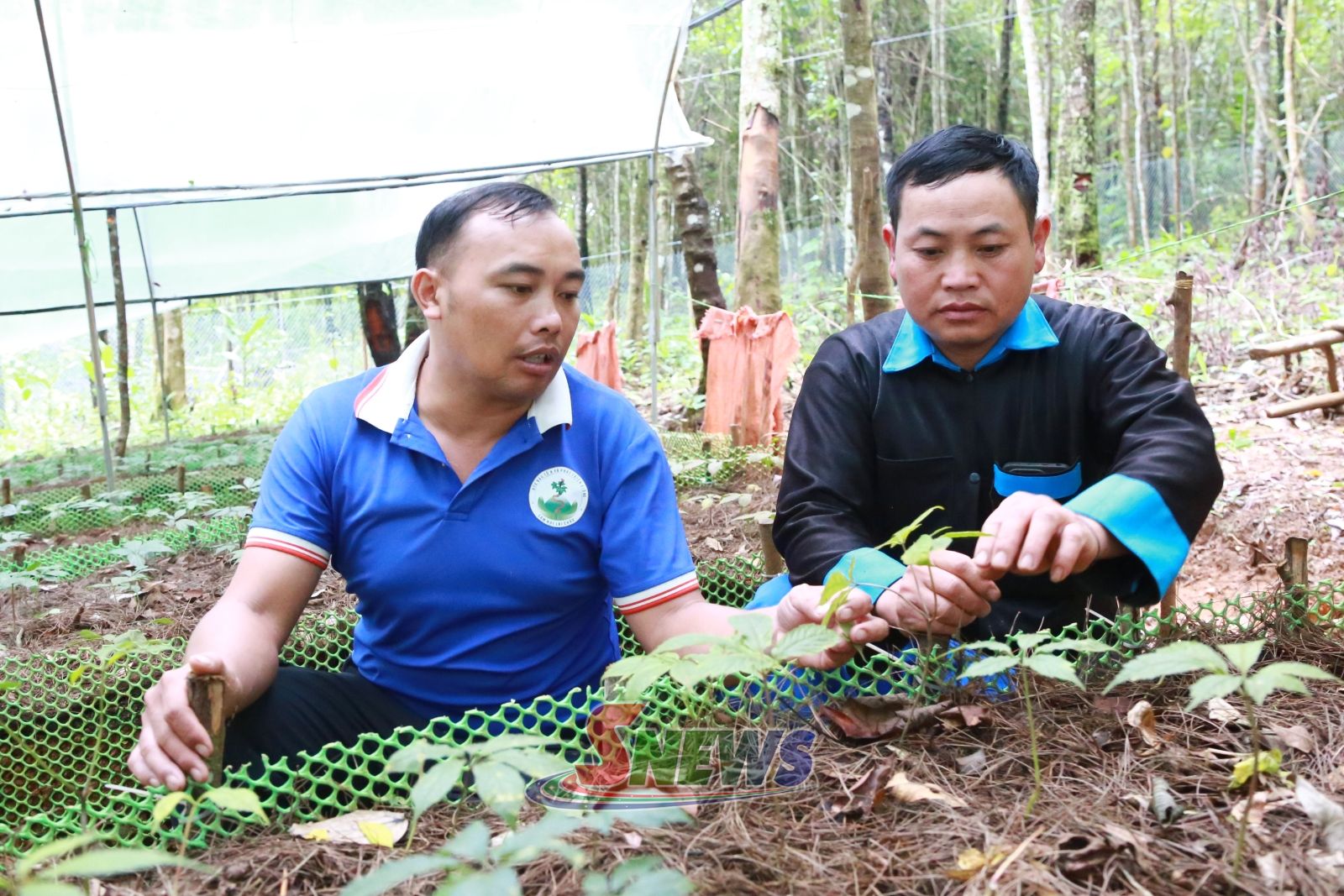
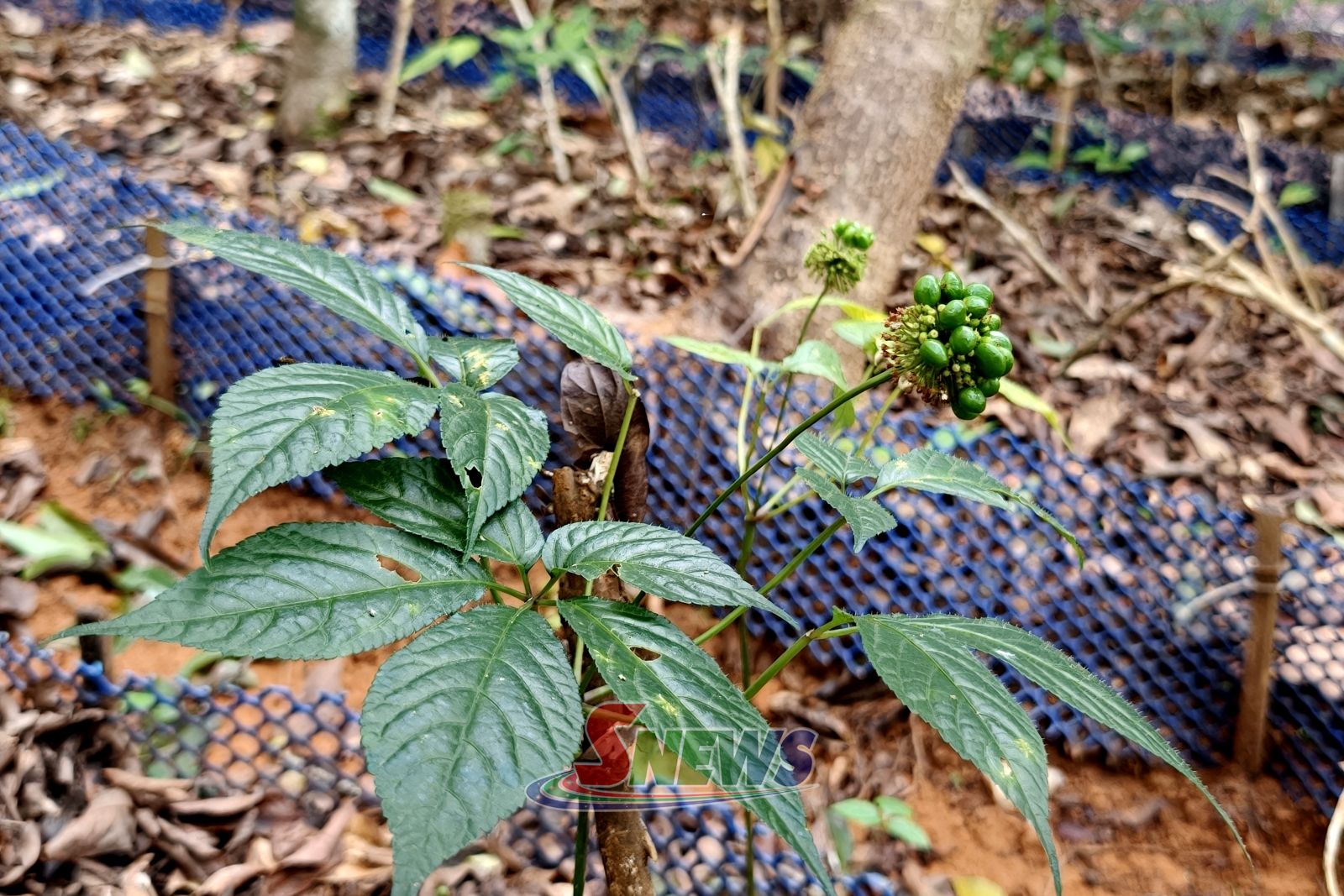
Under the forest canopy in Xim Vang, a pilot Ngoc Linh ginseng cultivation model operated by Xim Vang Ginseng Cooperative is showing encouraging results. Established in December 2025 with eight members, the cooperative has boldly introduced valuable ginseng plants aged between one and four years for cultivation in the locality, based on similarities in natural conditions with the Lai Chau ginseng-growing region.
To date, more than one hectare of ginseng has been planted, with the plants showing healthy growth and good adaptation to the local soil conditions. These initial results provide a foundation for the cooperative to expand the cultivation area and work with local residents to develop the crop by providing seedlings and technical support, while committing to purchase the harvest.
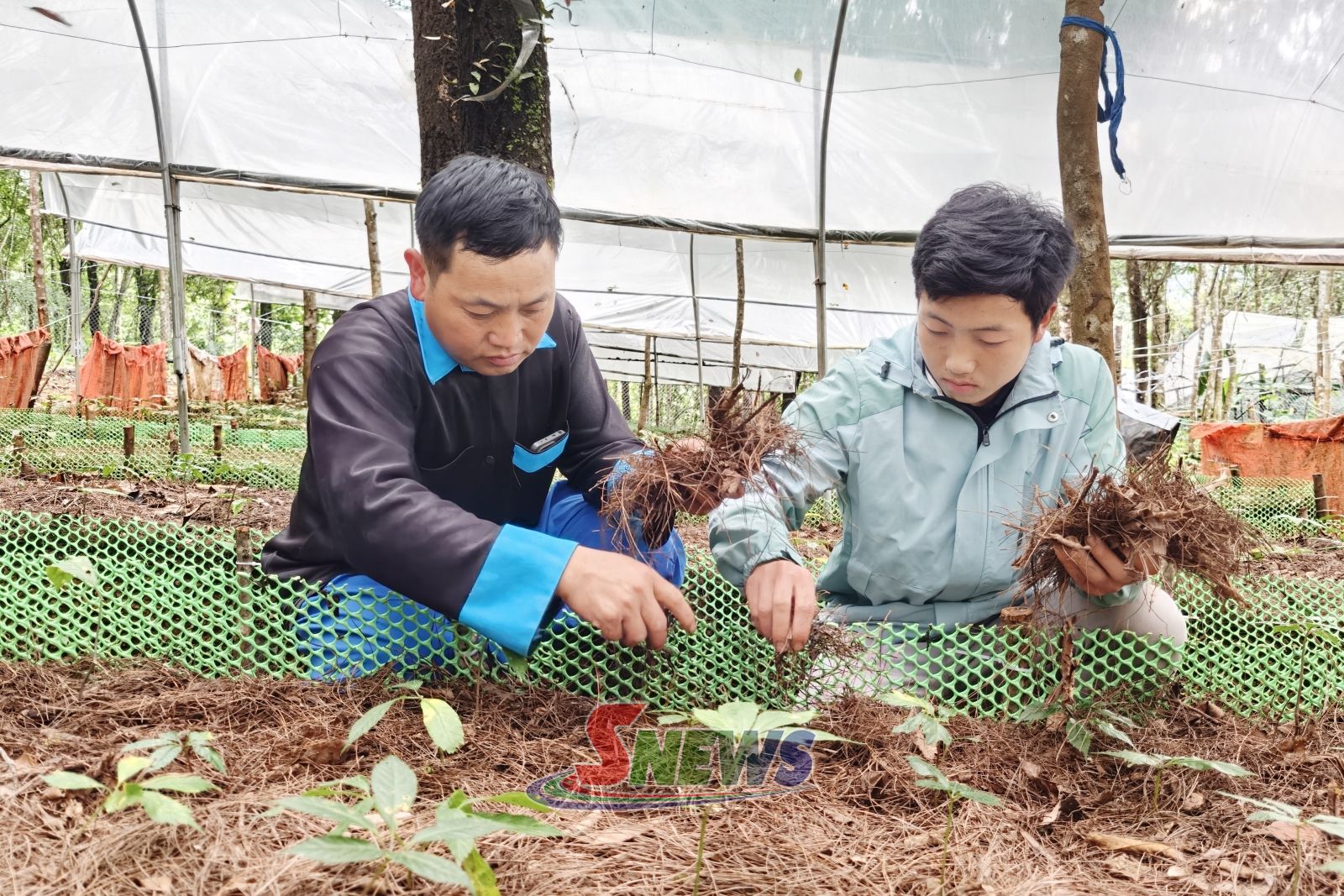
Speaking about cultivation techniques, Dinh Ba Thi, Director of the cooperative, said growing ginseng requires patience and strict cultivation practices. Planting sites need natural shade, adequate moisture, and a layer of humus beneath the forest canopy. The cooperative therefore minimises disturbance to the soil and makes use of locally available bamboo, timber, and stones to build planting beds. Pine needles are spread over the soil surface to retain moisture. Depending on the density of the forest canopy, shade netting is added in some areas to reduce direct sunlight.
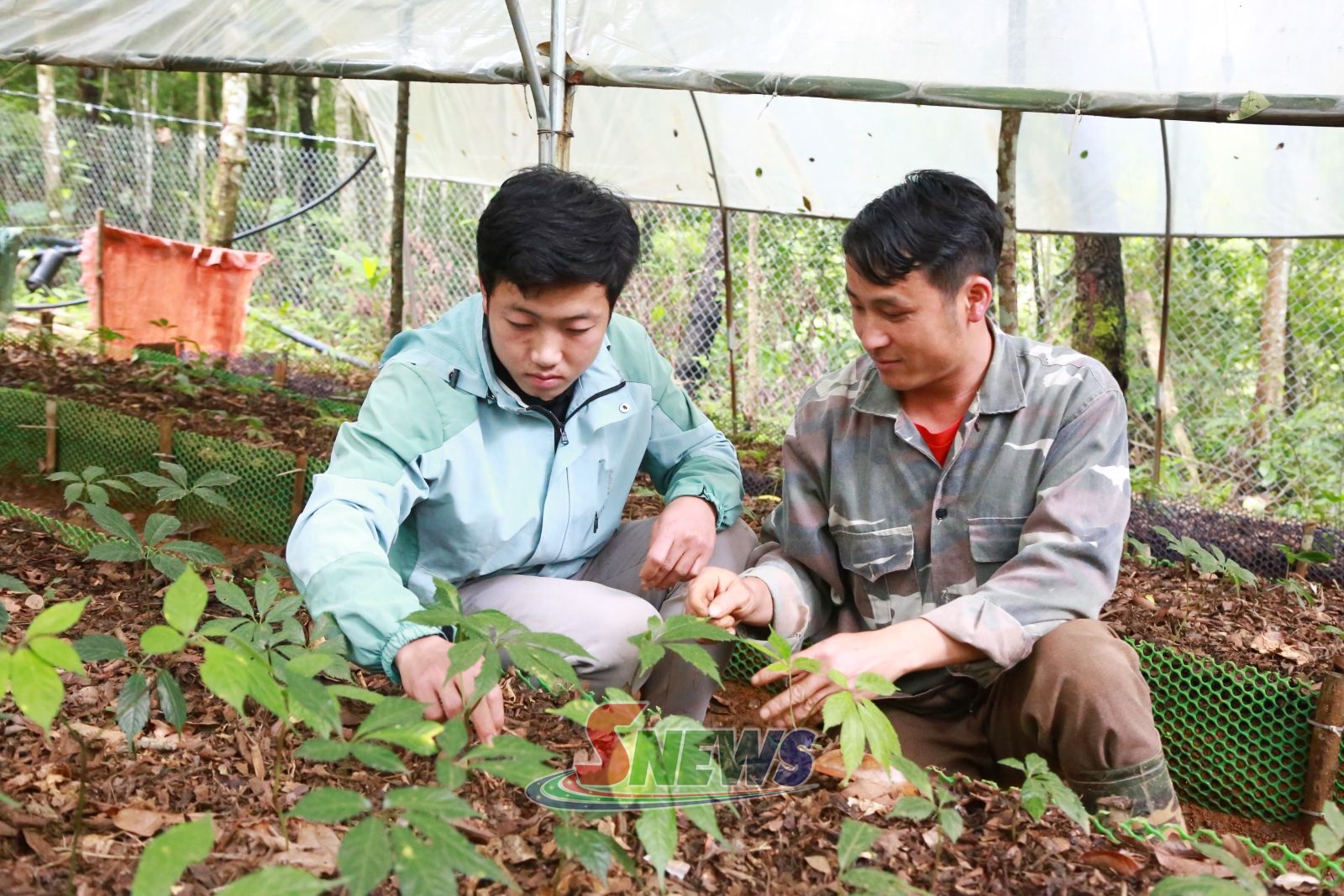
About 16 plants are grown per square metre. Care practices are adjusted according to the plants’ age and growth rate, with priority given to utilising naturally occurring organic matter. The ginseng is expected to produce harvestable roots when the plants reach around eight years of age.
The appeal of this new crop has attracted a growing number of local households. To date, 55 households in Pa Cu Sang and Hang Chu hamlets in Xim Vang commune are cultivating ginseng.
Mua A Cau, a resident of Pa Cu Sang hamlet, said that after visiting ginseng-growing areas and learning about cultivation techniques in late 2022, he purchased seedlings and began a pilot plantation under the forest canopy. His family now has more than 3,000 square metres planted with ginseng. After nearly four years of cultivation, the plants have continued to grow well, giving the family greater confidence and motivation to maintain the plantation.
Finding crops with high economic value that are well suited to local natural conditions has long been a priority for Xim Vang commune. Initial results from the Ngoc Linh ginseng pilot models are opening up a new avenue for developing medicinal plants under the forest canopy.
However, Ngoc Linh ginseng has a long cultivation cycle, requires substantial investment, and demands high-quality planting material and specialised cultivation techniques. The current models remain at the experimental stage, and the plants have not yet reached the root-harvesting stage. Therefore, alongside monitoring plant growth, careful assessments of product quality and economic efficiency, identification of suitable growing areas, and the establishment of market linkages will be necessary before the model can be expanded.
Ho A Dua, Vice Chairman of the commune People’s Committee, said cultivating Ngoc Linh ginseng is a new development direction that the commune is paying close attention to, with the expectation that it will create additional livelihoods for local residents.
In the coming period, he said the commune will continue facilitating the development of the model by cooperatives and households, while coordinating with relevant technical agencies to provide cultivation guidance and assess its effectiveness. Based on these assessments, the locality will identify suitable areas for gradually expanding cultivation, ensuring that production remains closely linked to forest protection.
The commune will also strengthen connections with purchasing and processing businesses in an effort to establish stable markets for the product, he added.
With its natural advantages, together with the proactiveness of cooperatives and local residents, ginseng cultivation is showing potential for the development of medicinal plants in Xim Vang. The crop is emerging as a promising avenue for creating sustainable livelihoods, increasing local incomes, and closely linking economic benefits with forest conservation./.



You have 500/500 characters left
Please enter 5 or more characters!!!