

.jpg)
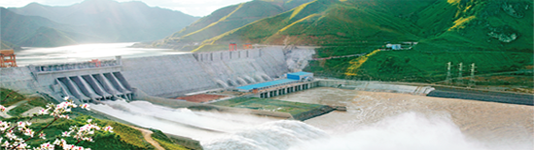
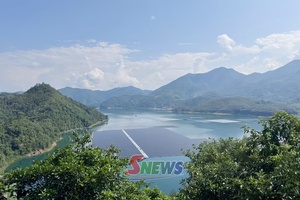
The Quynh Nhai reservoir area currently has 256 hectares of water surface devoted to aquaculture, with more than 4,000 fish cages. Quynh Nhai commune is the area's main aquaculture hub, with more than 2,800 fish cages, 24 cooperatives and hundreds of households engaged in cage fish farming. The commune's output of farmed and wild-caught aquatic products exceeds 1,000 tonnes a year.
Rather than focusing on traditional fish species with low economic returns, local farmers are shifting to high-value specialty fish, including bagrid catfish, Hemibagrus wyckioides and black carp. Some local cooperatives have also proactively invested in processing technology, developing signature products such as frozen cut fish, deboned ngao fish and dried tep dau fish. These products are diversifying the local offering and expanding market opportunities.
In 2015, Lo Van Binh's family in Chieng On hamlet, Quynh Nhai commune, took out a loan of 240 million VND (9,276 USD) to invest in 15 cages for raising grass carp, common carp and catfish. After mastering farming techniques and gaining a better understanding of market demand, he decided in 2017 to switch to farming the high-value specialty fish known locally as bagrid catfish.
Binh said his fish had grown well thanks to strict adherence to feeding and husbandry techniques and disease prevention measures. His family now operates 40 cages, each stocked with around 1,000 fish, and has partnered with the Do Thiet Cooperative in the commune to sell its products in Hanoi. The family sells more than 15 tonnes of market-ready fish annually at prices of 70,000-80,000 VND per kg, earning a net profit of 400-450 million VND after expenses.
Aquaculture has become a key livelihood, helping local residents secure their livelihoods and improve their economic circumstances.
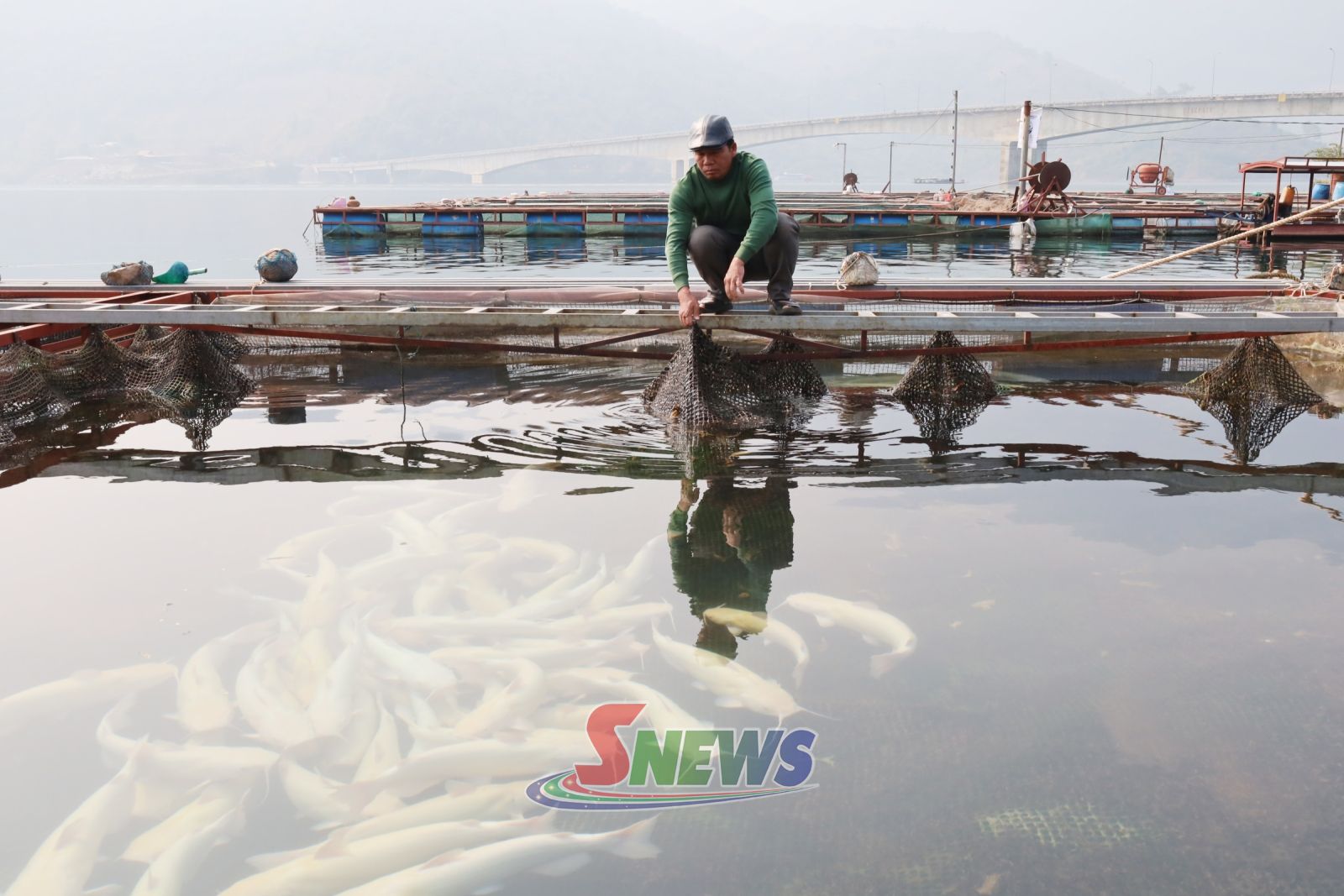
Nguyen Ngoc Tu, Chairman of the Quynh Nhai People's Committee, said the commune had assigned technical staff to work closely with local communities, providing guidance on fish care, disease prevention and securing cages and rafts against flooding during the rainy season. It had also organised the release of fish fingerlings to replenish natural aquatic resources.
Going forward, the commune will continue to standardise and improve the quality of reservoir-based aquatic products under the One Commune One Product (OCOP) programme, while stepping up trade promotion efforts to ensure sustainable market access.
In Muong Chien commune, which has 103 hectares of water surface, more than 100 fish cages and annual output of 162 tonnes, local authorities are seeking to link aquaculture areas with experiential tourism services to establish an integrated value chain.
Dieu Chinh Hai, Vice Chairman of the Muong Chien People's Committee, said the commune was creating the most favourable conditions for the Quynh Nhai Aquaculture and Ecotourism Cooperative to implement an ecotourism project.
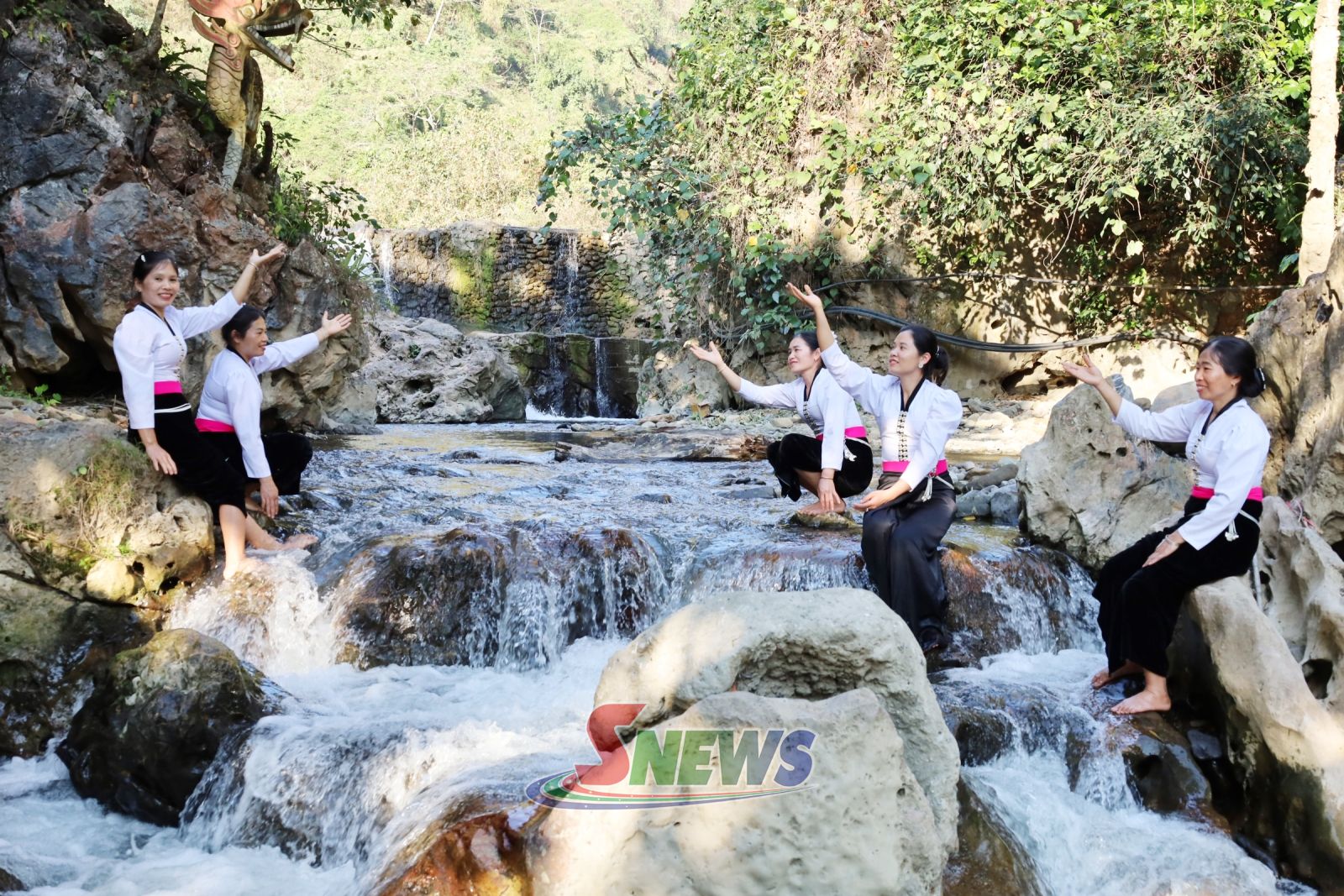
The first phase, with a total investment of 50 billion VND, will focus on developing a landmark attraction on Trai Tim (Heart) Island and tapping the hot springs at Bon hamlet. The project will introduce experiential tourism services and create additional jobs for local residents.
Alongside leveraging the reservoir's water resources for economic development, local authorities are also prioritising ecological protection and the replenishment of natural resources.
Since the beginning of this year, Muong Gion commune has released 34,000 fish fingerlings of various species into the reservoir. It has also focused on guiding farmers in maintaining clean farming areas and strictly controlling seasonal diseases across the commune's 390 fish cages.
In Muong Sai commune, residents are developing 585 fish cages on the reservoir while strictly complying with regulations on fishing and the protection of aquatic resources.
The extensive water surface of the Quynh Nhai reservoir area also offers opportunities to attract investment in renewable energy projects.
The area currently has eight floating solar power projects that have received in-principle approval and investment registration certificates. Among them are two large-scale projects developed by VinEnergo Energy Joint Stock Company, which are expected to officially begin construction in the fourth quarter of 2026.
Communal authorities are working closely with investors to provide baseline data and complete environmental impact assessment reports, while accelerating project implementation.
Once operational, the projects will not only add clean energy to the national power grid but also serve as a new driver of economic growth, generating budget revenue and employment for local residents.
In the coming period, the communes will continue to maintain aquaculture areas while promoting tourism development, particularly by upgrading ecotourism tours and routes centred on river and reservoir experiences.
They will also step up efforts to attract carefully selected investment projects, ensuring balanced economic development closely aligned with the protection of the landscape and the preservation of the reservoir's ecological environment, supporting green and sustainable development in the hydropower reservoir area./.





You have 500/500 characters left
Please enter 5 or more characters!!!