

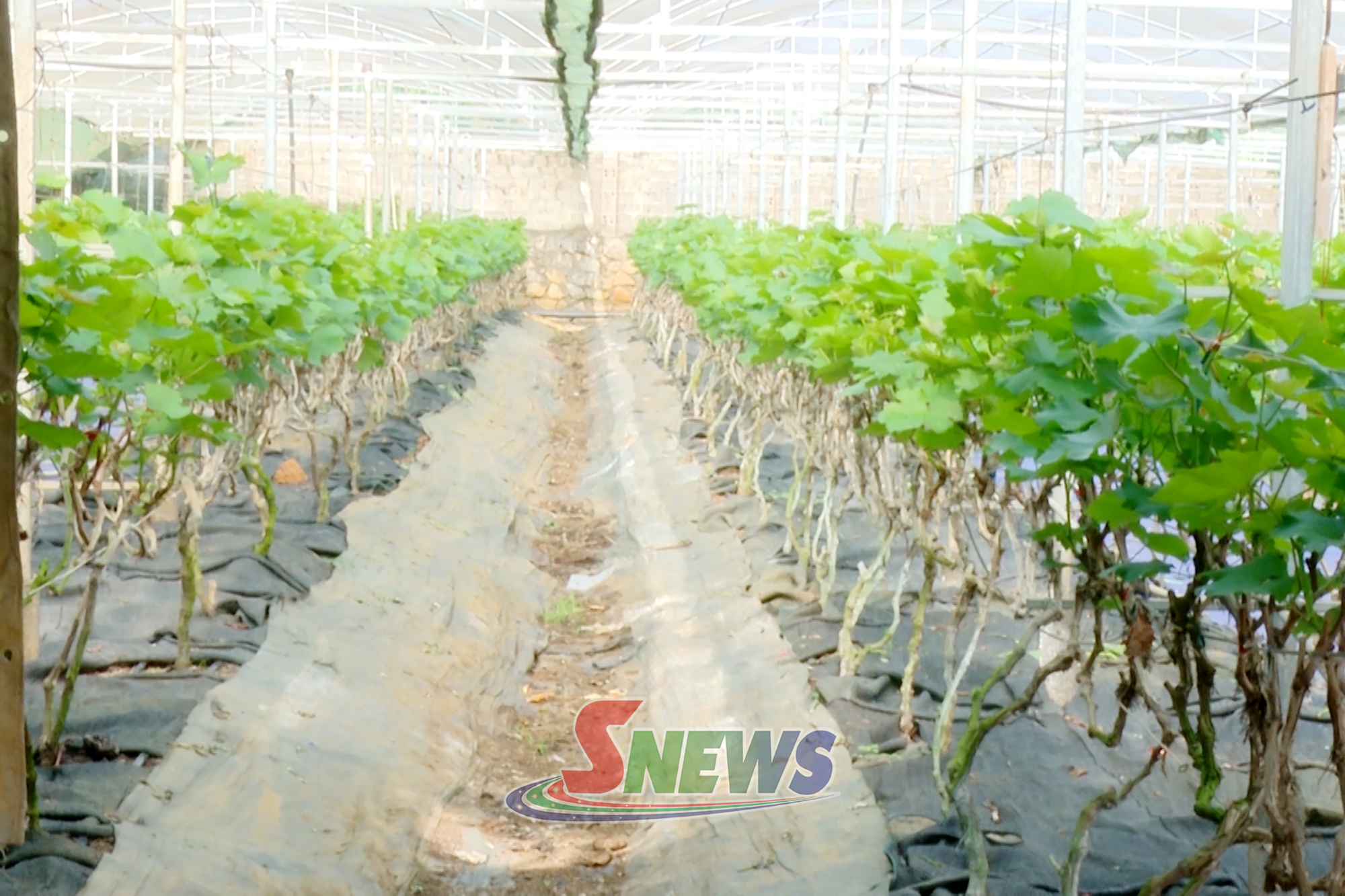
Despite days of continuous rainfall, a 6,000-square-meter Ha Den grape vineyard owned by Nguyen Dinh Tuan in Chieng Mung commune has maintained stable growing conditions thanks to a greenhouse combined with an automated drip irrigation system. The system helps regulate humidity, minimises the impact of adverse weather and reduces the risk of pests and diseases.
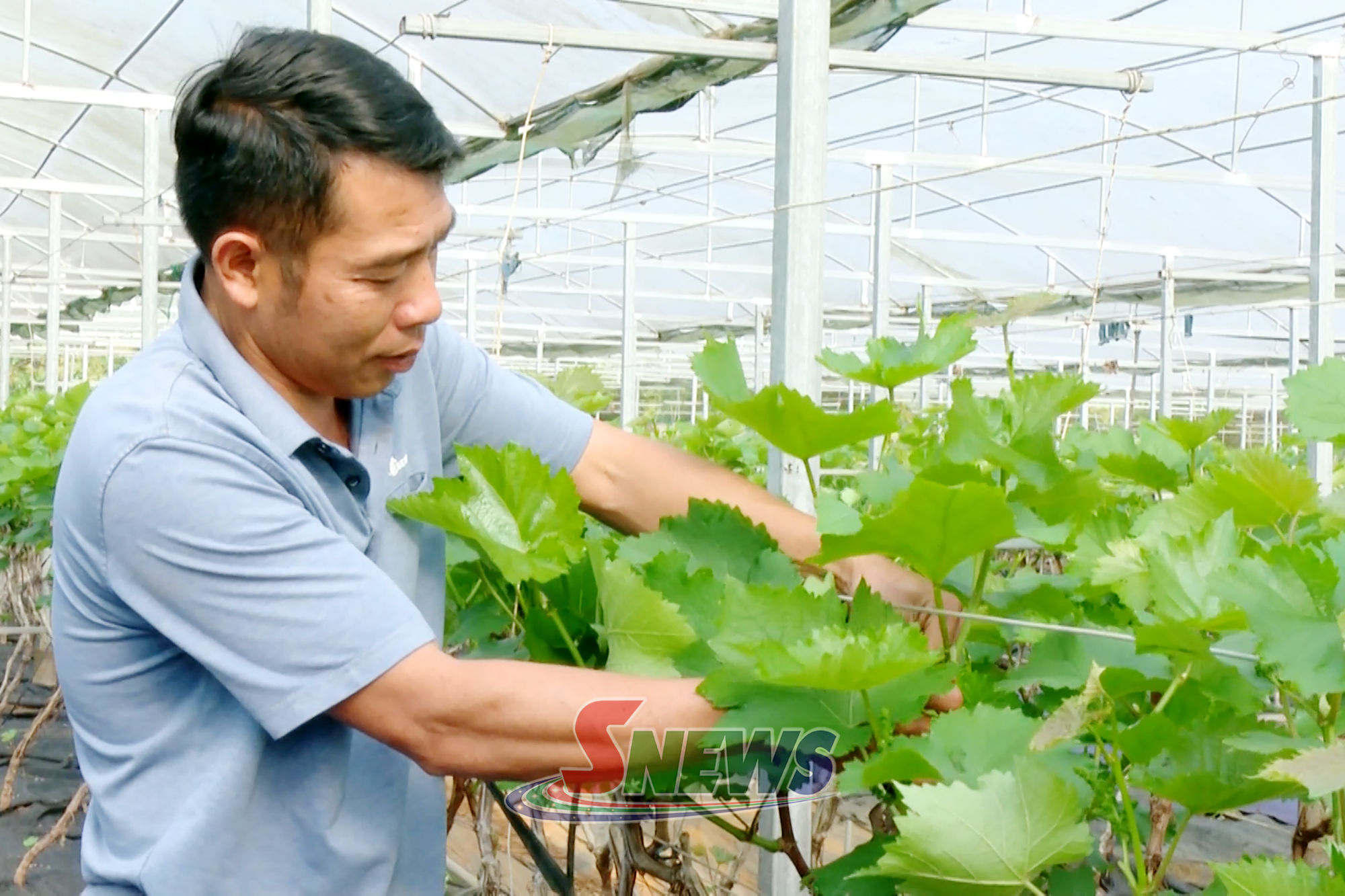
"With weather becoming increasingly unpredictable, we invested in a greenhouse and automated irrigation system to better manage the vineyard," Tuan said. "The system allows us to control irrigation and humidity more effectively, particularly during the rainy season when disease pressure is higher, helping reduce production risks while improving yield and fruit quality."
To strengthen climate resilience, Chieng Mung commune has intensified the transfer of agricultural technologies and encouraged farmers to adopt modern production methods.
The commune has more than 1,200 hectares of coffee plantations and nearly 1,800 hectares of fruit trees. Many farms have applied water-saving irrigation systems, organic fertilisers, biological products, and value chain-based production models.
Tran Xuan Hiep, Chairman of the Chieng Mung commune People's Committee, said the commune would continue promoting the application of science, technology and digital transformation in agriculture, particularly for coffee and fruit production.
"We are also strengthening market linkages and expanding cooperation with businesses to build sustainable value chains and improve farmers' incomes," he said.
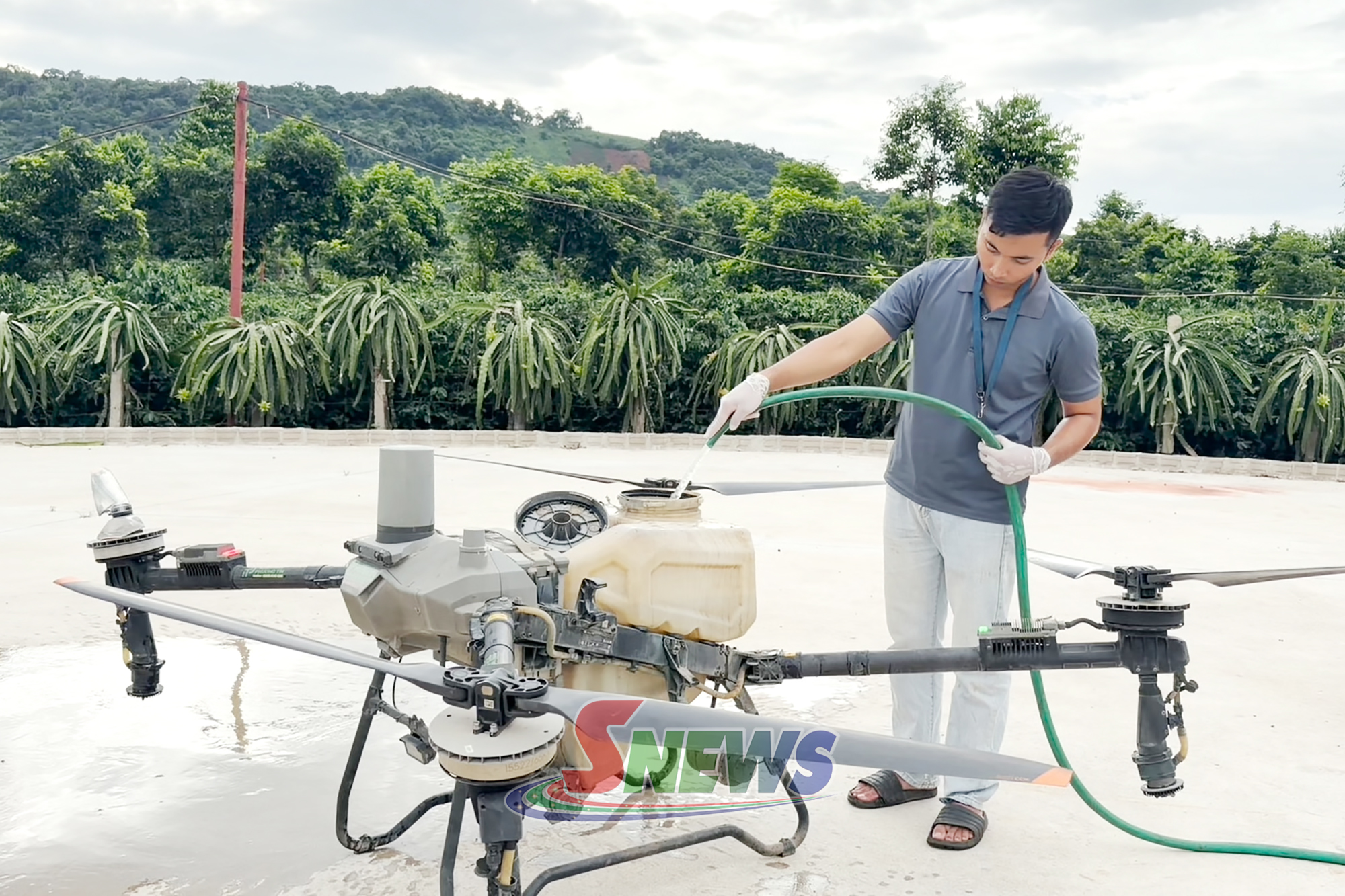
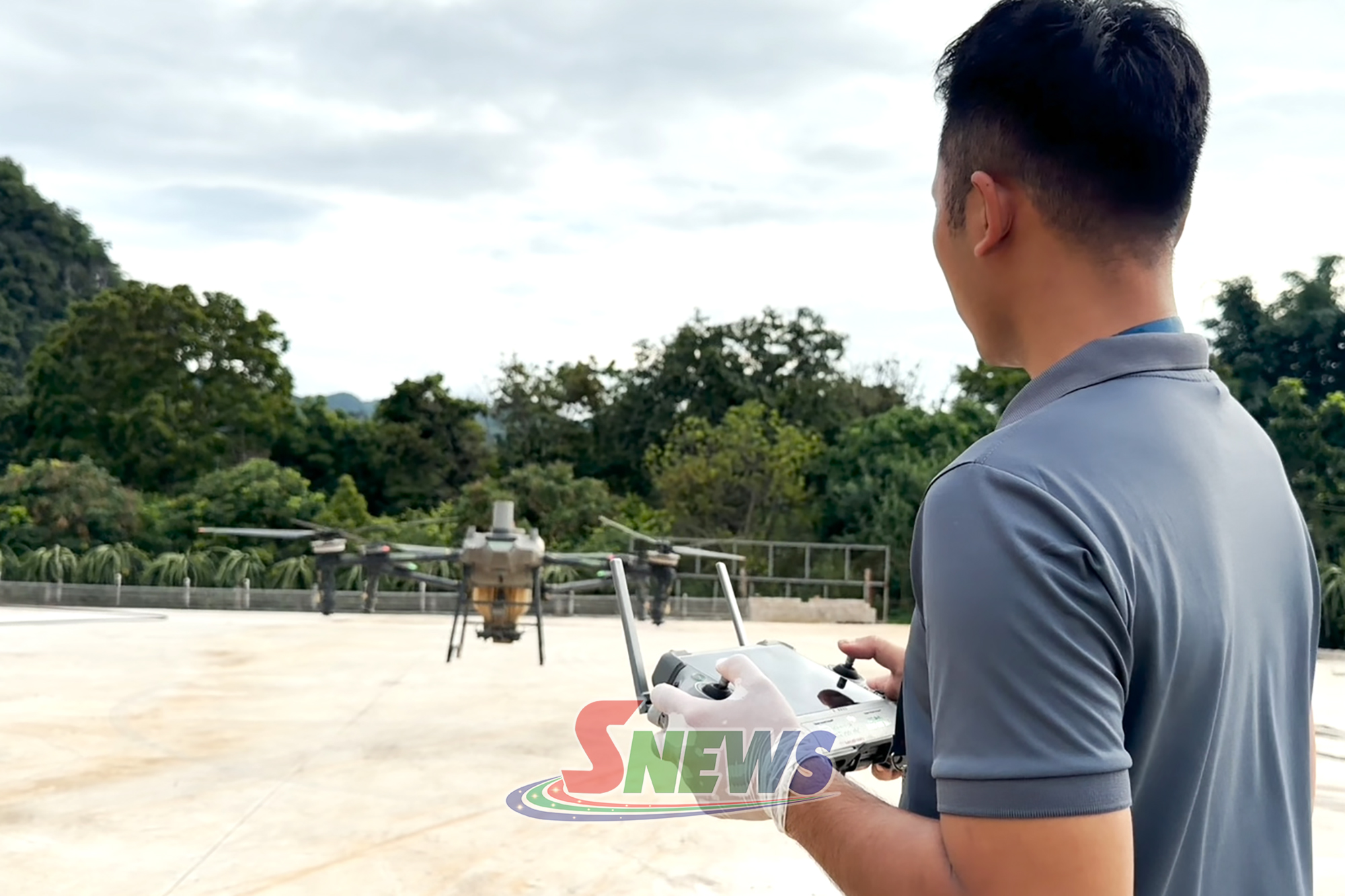
In Chieng Coi ward, farmer Bui Viet Hung has invested more than 400 million VND (15,258 USD) in a T70 agricultural drone to manage nearly five hectares of pear, longan and mango orchards.
The drone can automatically map flight paths, reducing pesticide spraying time from one to two days to around one hour per hectare.
"Once the flight programme is set, the drone operates automatically using stored data," Hung said. "It distributes pesticides evenly, lowers labour costs and reduces workers' direct exposure to crop protection chemicals."
He said drone technology has enabled farmers to improve pest control, lower production costs and enhance overall farming efficiency.
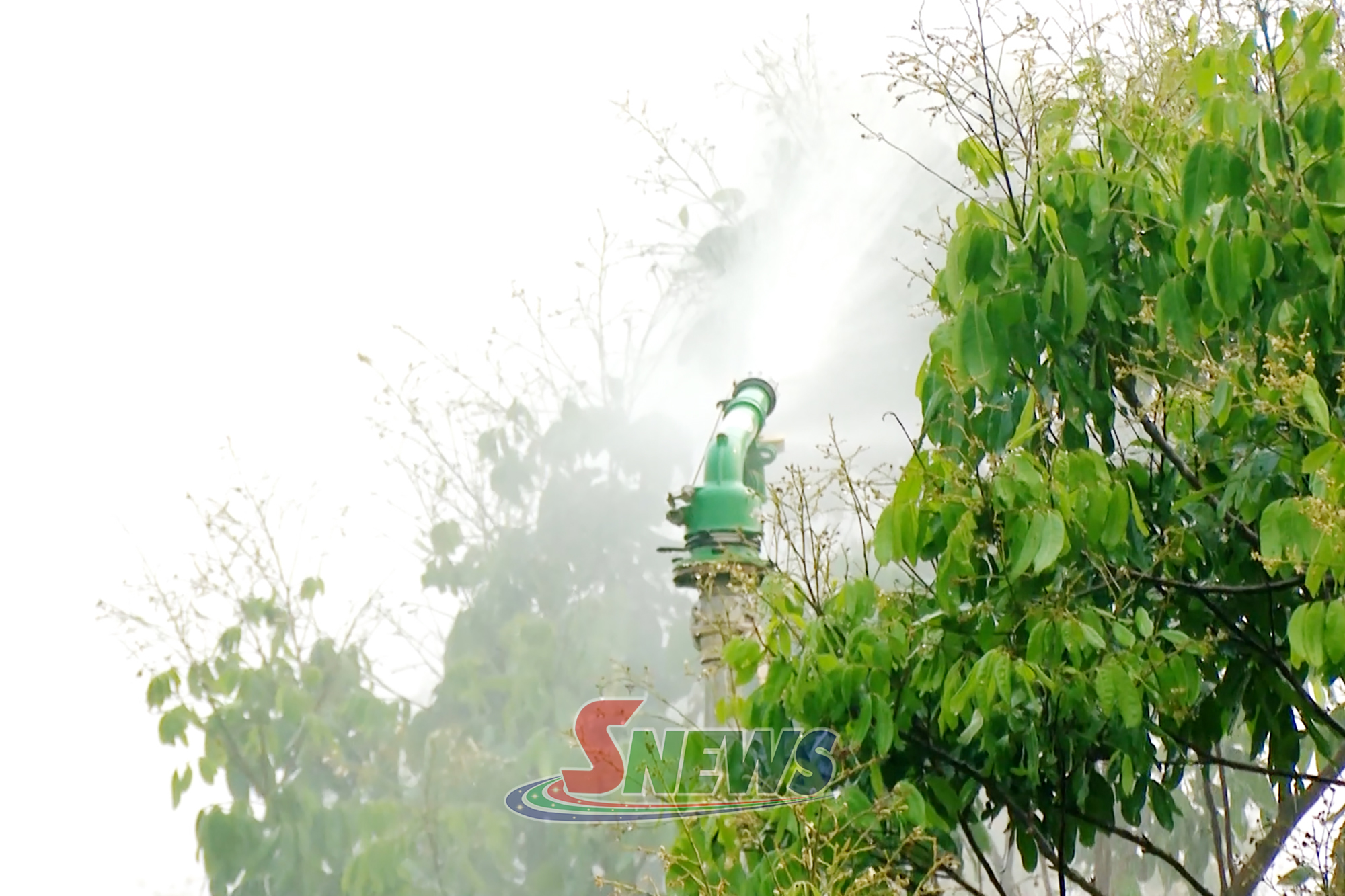
Alongside mechanisation, many farmers across Son La have invested in water storage reservoirs, groundwater wells and sprinkler and drip irrigation systems. These measures help secure water supplies during the dry season, improve water-use efficiency and maintain suitable soil moisture for crops.
The province currently has more than 334,000 hectares of cultivated land, including 31,600 hectares certified under VietGAP or organic standards. Son La is also home to nine high-tech agricultural zones, 218 officially coded growing areas for agricultural exports and 825 agricultural cooperatives.
Vu Tien Dinh, Deputy Director of the provincial Department of Agriculture and Environment, said the sector would continue modernising disaster risk management, expanding digital early-warning systems, standardising growing areas in line with international standards and restructuring crop varieties to better suit the climatic conditions of each ecological zone.
"These are key measures to strengthen the resilience of Son La's agricultural sector in the face of climate change," he said.
As climate change continues to challenge agricultural production, wider adoption of science and technology, mechanisation and digital transformation is helping farmers better cope with extreme weather, improve resource efficiency, increase productivity and product quality, and advance the development of greener and more sustainable agriculture./.

You have 500/500 characters left
Please enter 5 or more characters!!!