




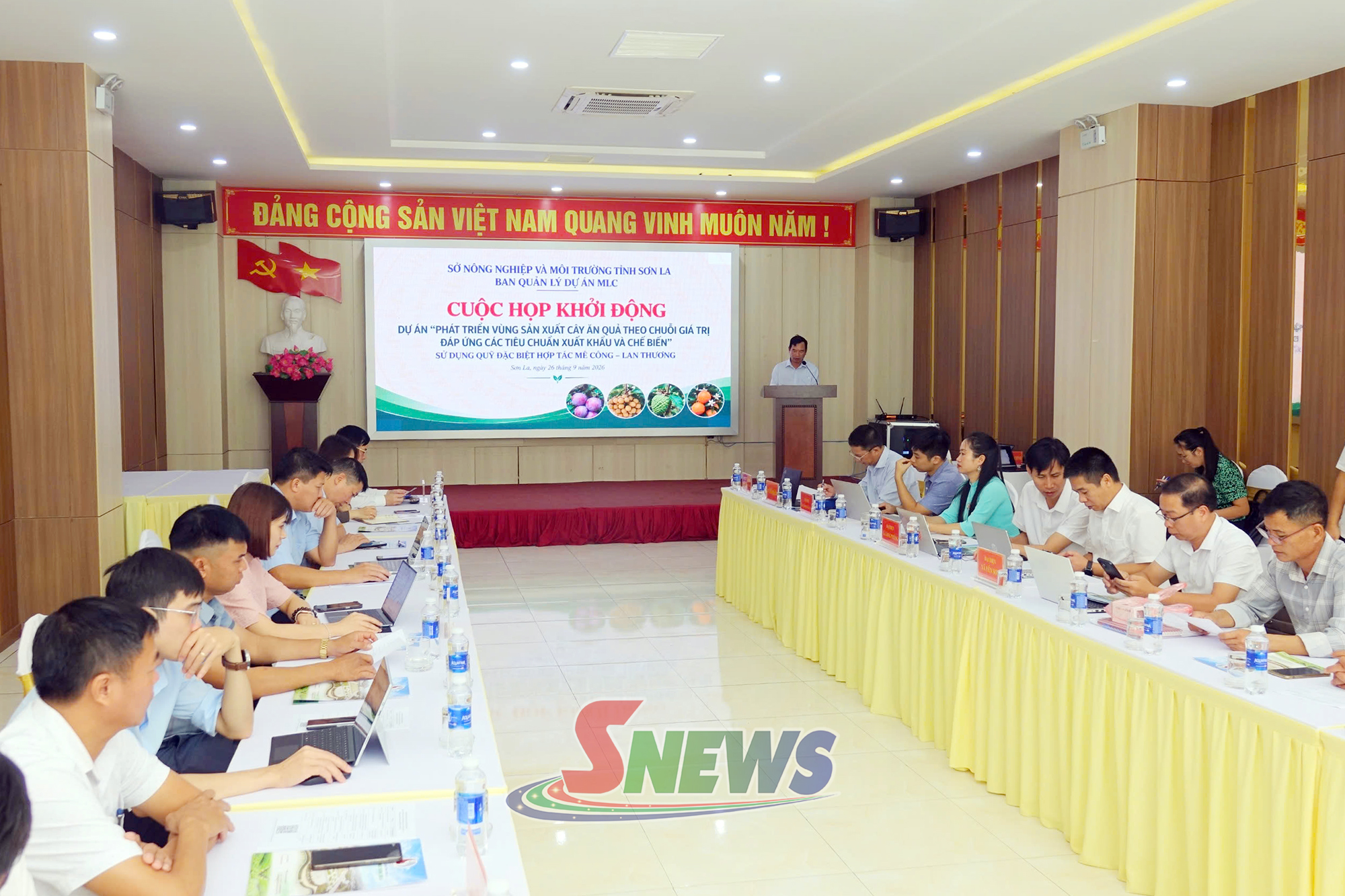
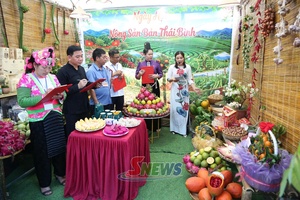
Son La currently has more than 85,000 hectares of fruit trees and son tra (Docynia indica), with estimated annual output of around 590,000 tonnes. A number of concentrated production areas have been established, with products gradually meeting standards for processing and export.
However, fruit production in some areas continues to face challenges, including limited adoption of technical production practices, inadequate infrastructure, weak value-chain linkages and limited application of digital technologies. Links between production, processing and markets also remain below the sector’s potential.
Funded through a non-refundable grant from the Lancang-Mekong Cooperation Special Fund, the project will be implemented across Son La province over 24 months, with total funding of 9.36 billion VND (360,332 USD). Agricultural cooperatives and fruit growers across the province will be the project’s direct beneficiaries.
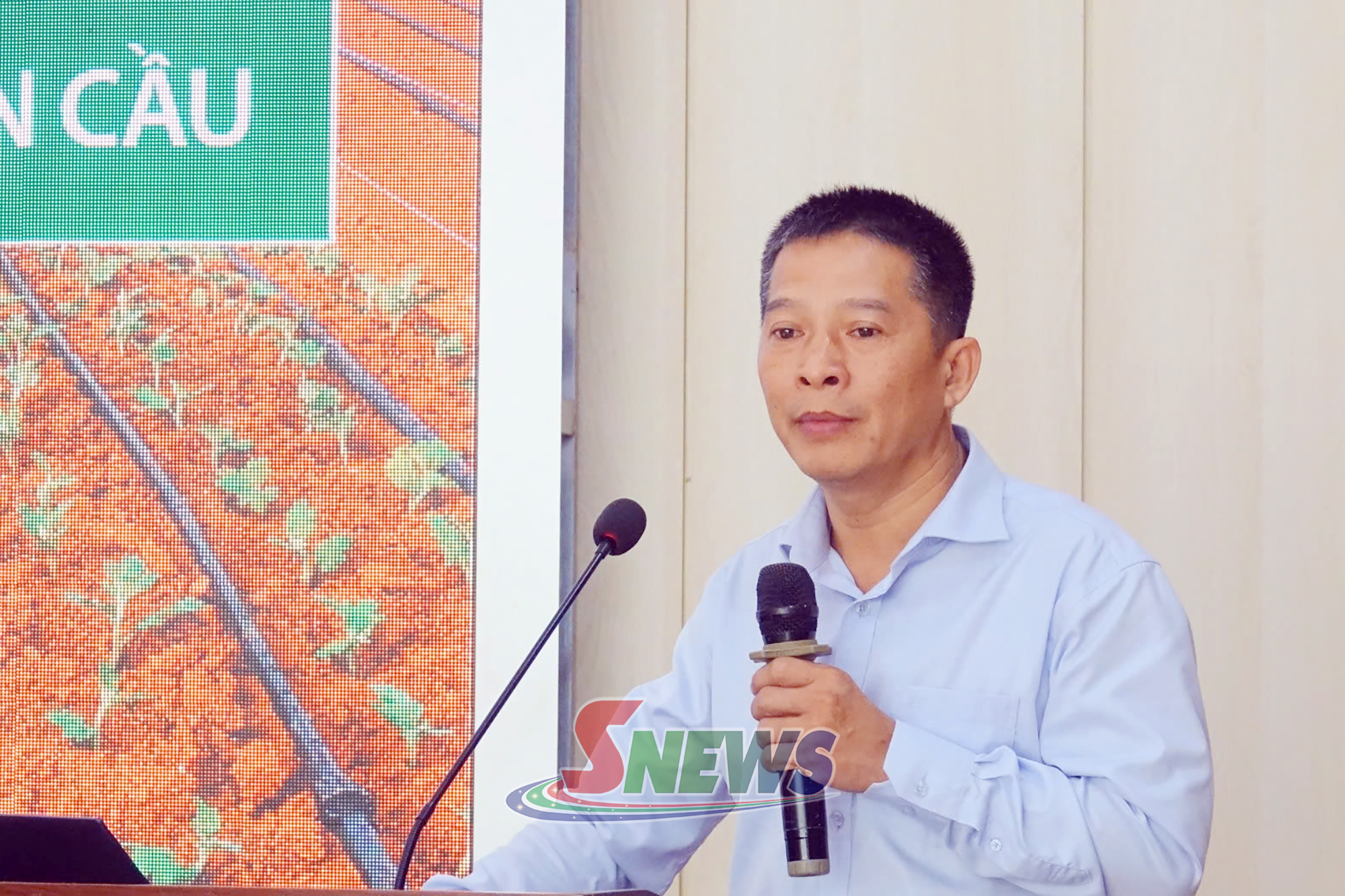
The project aims to develop 300 hectares of fruit production under value chains, with a focus on circular and organic production, high-tech farming and processing technologies. It also seeks to strengthen the role and operational efficiency of agricultural cooperatives, improve product quality and help producers meet standards for processing and export markets.
Under the project, 12 training courses will be organised for farmers on integrated crop health management. The project will also support the application of advanced, water-saving irrigation systems across 115 hectares of fruit orchards, as well as the use of electronic farm logs and digital traceability software in project areas.
In addition, the project will provide support to strengthen cooperative governance, promote digital technology and e-commerce, develop product brands, enhance processing capacity and facilitate market connections.
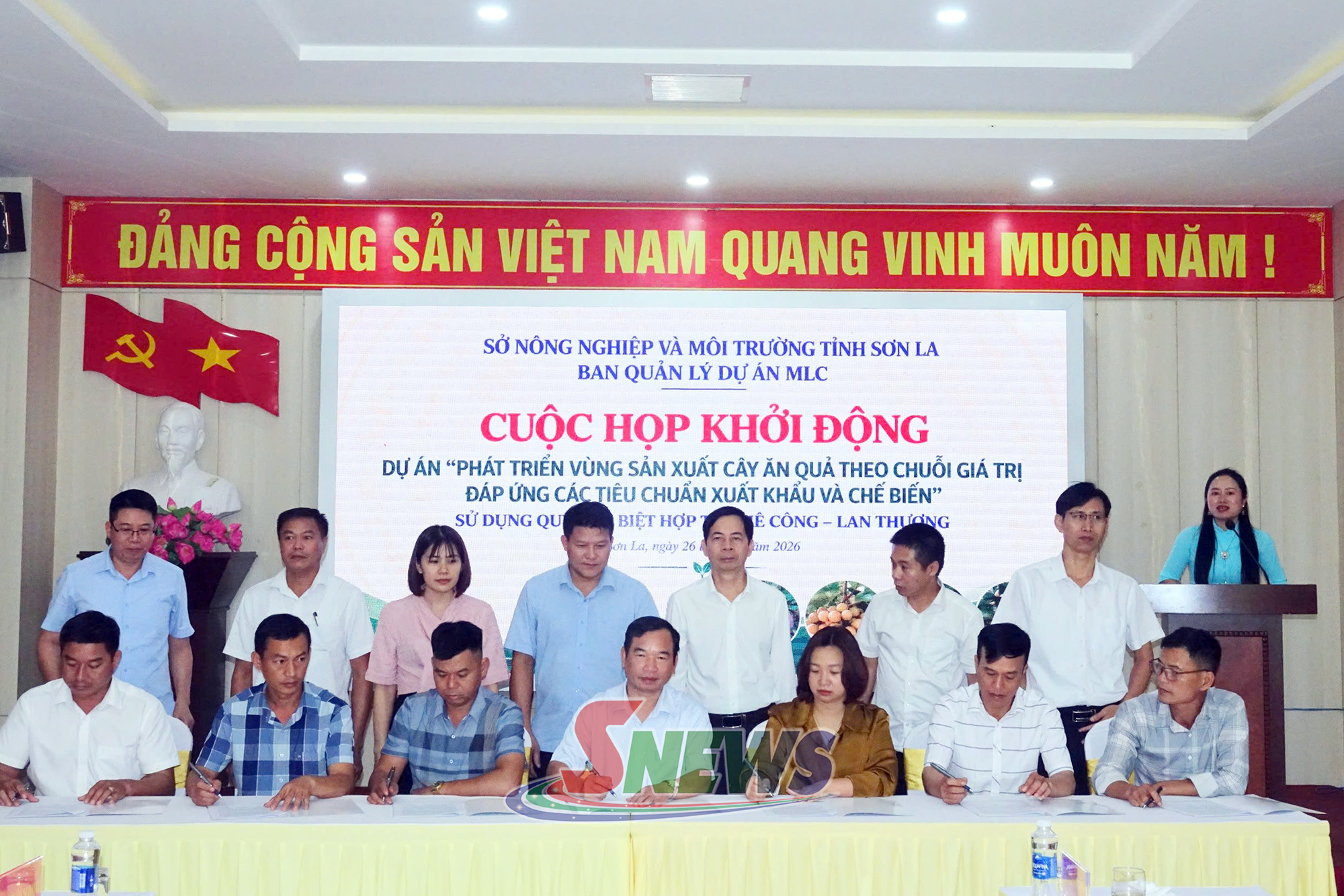
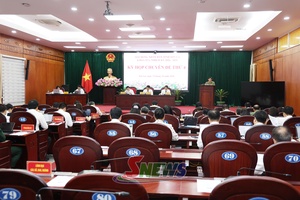
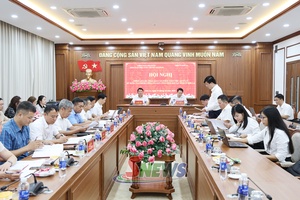
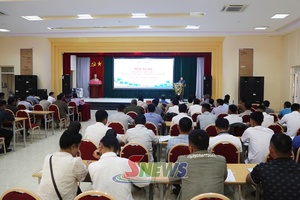
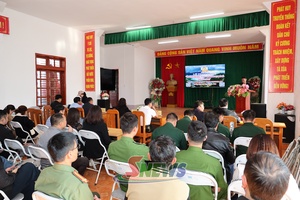
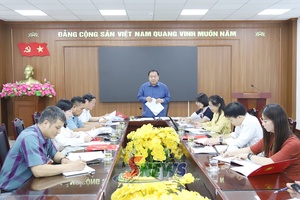
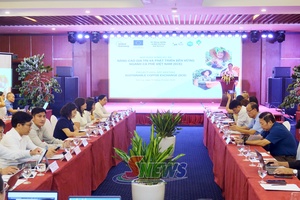
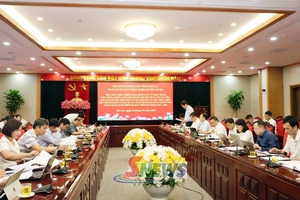
At the kick-off meeting, the project management board announced a decision approving the agricultural cooperatives selected to participate in the project. It also signed three-party responsibility commitments with the People’s Committees of communes and wards and participating cooperatives as a basis for coordinated implementation in line with the project’s objectives, timeline and efficiency requirements./.


You have 500/500 characters left
Please enter 5 or more characters!!!