





Immediately after the Official Dispatch was issued, the provincial People’s Committee promptly released directives and established an inter-agency task force chaired by the provincial People’s Committee Chairman to ensure the coordinated implementation of assigned tasks. Specific responsibilities were assigned to each department, sector and relevant agency.
The provincial Department of Science and Technology serves as the standing body, responsible for consolidating information and providing overall advice. The provincial Department of Industry and Trade takes the lead in advising on market inspection and control, e-commerce activities and the circulation of goods. Meanwhile, the provincial Department of Culture, Sports and Tourism is in charge of intensifying inspections of copyright and related rights enforcement, and the provincial Department of Public Security is tasked with monitoring developments, conducting verification and investigation, and handling serious and complex cases involving suspected criminal offences, as well as violations committed in cyberspace.
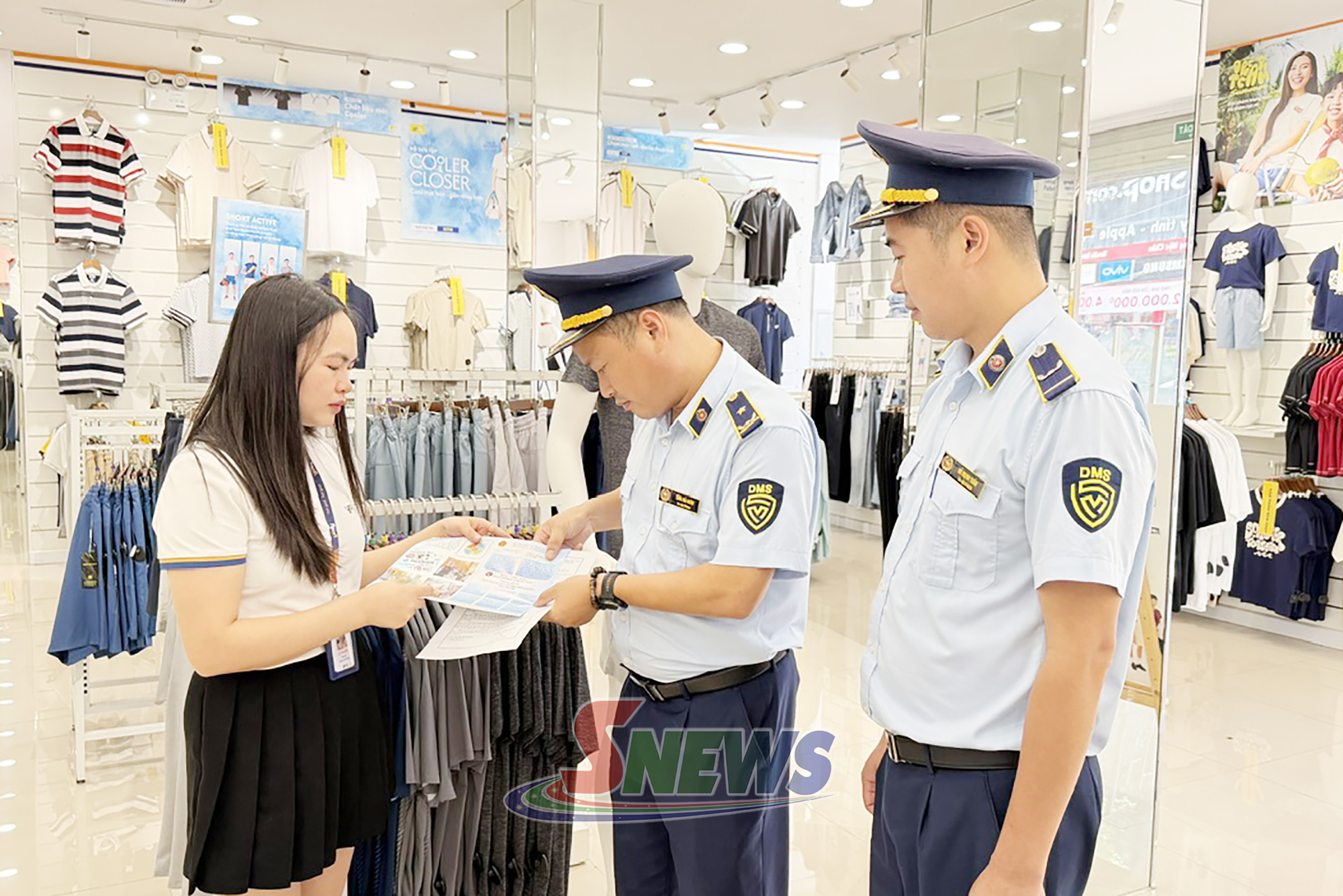
Lo Xuan Truong, Deputy Director of the provincial Market Surveillance Sub-Department, said the agency has directed its market surveillance teams to simultaneously launch a peak inspection and market control campaign, focusing on detecting and handling IP rights infringements. It has also stepped up communications and guidance activities, guilding organisations and individuals to sign commitments not to manufacture or trade in counterfeit, imitation or IP rights-infringing goods. These efforts have helped raise public and business awareness and promote compliance with relevant laws and regulations.
The market surveillance force has proactively coordinated with the police and customs forces and other competent agencies to intensify the inspection and control of commodities at high risk of violations, including cosmetics, clothing, footwear, eyewear, food, medicines, milk, fertilisers, pesticides, electrical and electronic equipment, and products bearing well-known trademarks.
In the first six months of 2026, competent forces in Son La detected and handled 1,238 cases involving 1,477 individuals and organisations. Administrative fines were imposed on 722 violators, with nearly 6.5 billion VND (246,800 USD) contributed to the State budget. Legal proceedings were launched against 509 cases involving 749 suspects.
During the peak campaign on market inspection and control and the handling of IP rights infringements from May 7 to 30, competent forces uncovered 44 cases involving trademark-related industrial property rights violations. Administrative fines totalled more than 239 million VND, while the value of the infringing goods exceeded 202 million VND.
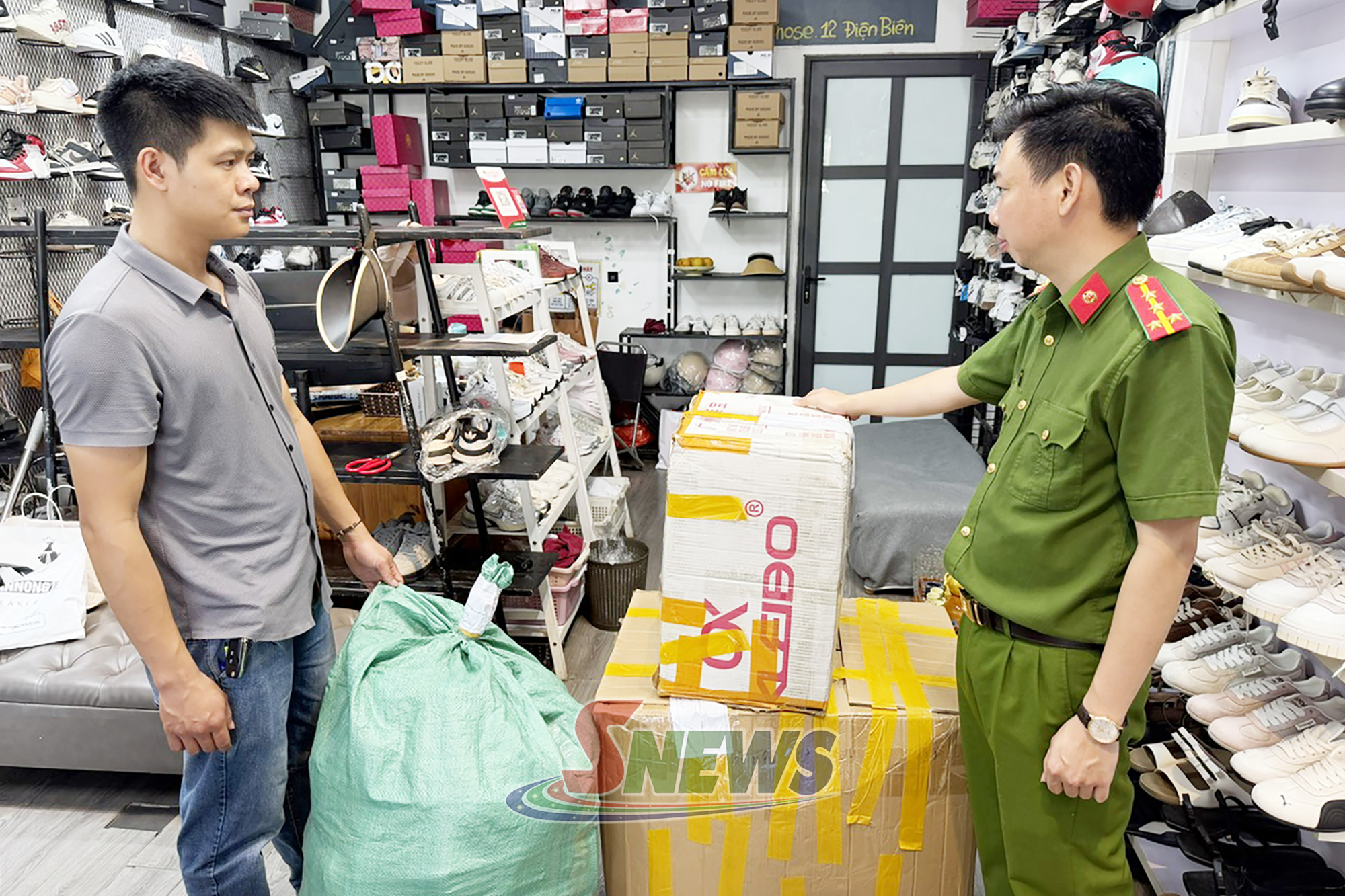
Nguyen Hoang Viet, an inspector at Market Surveillance Team No. 1, said that products bearing well-known brands such as Adidas, Nike, Ray-Ban, Gucci and Dior are often counterfeited, imitated or marketed through the unauthorised use of trademarks. These products are in high demand and have strong purchasing power, making them vulnerable to exploitation by traders of IP rights-infringing goods, thereby affecting the legitimate interests of businesses and consumers, he said.
Alongside inspection and enforcement efforts, public communication and legal education on IP have been intensified through mass media channels. The provincial Market Surveillance Sub-Department has guided thousands of production and business establishments to sign commitments not to trade in counterfeit or IP rights-infringing goods. It has also distributed 1,759 leaflets and published hundreds of news reports and articles on its online portal, helping improve awareness and promote legal compliance among organisations and individuals.

During the simultaneous market inspection and control campaigns, some business establishments attempted to evade inspections by concealing goods or avoiding checks, making it more difficult for competent authorities to detect and handle infringements. Tong Hai Hoan, deputy head of Market Surveillance Team No. 3, advised consumers to purchase products from reputable retailers and carefully check labels, anti-counterfeit stamps, product origins and distinguishing features.
For products bearing well-known brands, consumers should pay attention to unusual signs, such as the absence of boxes, shopping bags, warranty cards, invoices or supporting documents, as well as poor-quality packaging or incomplete product information. In particular, products sold at prices significantly lower than prevailing market prices may be counterfeit, imitation or IP rights-infringing goods, he warned, adding that when detecting signs of violations, consumers should promptly notify competent authorities for timely inspections and enforcement action.
Protecting IP rights is not only the responsibility of State management agencies but also requires the joining of businesses and consumers. Greater awareness and responsibility among all stakeholders will help curb counterfeit and imitation goods, foster a transparent production and business environment, and create momentum for innovation and socio-economic development in the province./.












You have 500/500 characters left
Please enter 5 or more characters!!!