

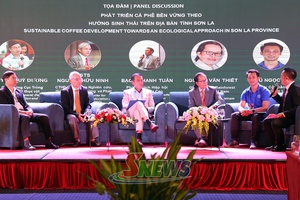
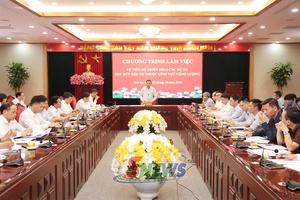
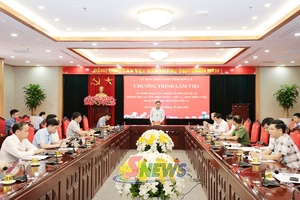
Attending the workshop were Nguyen Thanh Cong, Vice Chairman of the provincial People’s Committee; Nguyen Viet Cuong, Vice Chairman of the provincial People’s Council; and representatives of the Department of Crop Production and Plant Protection, technical agencies, international organisations, industry associations, businesses, cooperatives, and several other provinces.
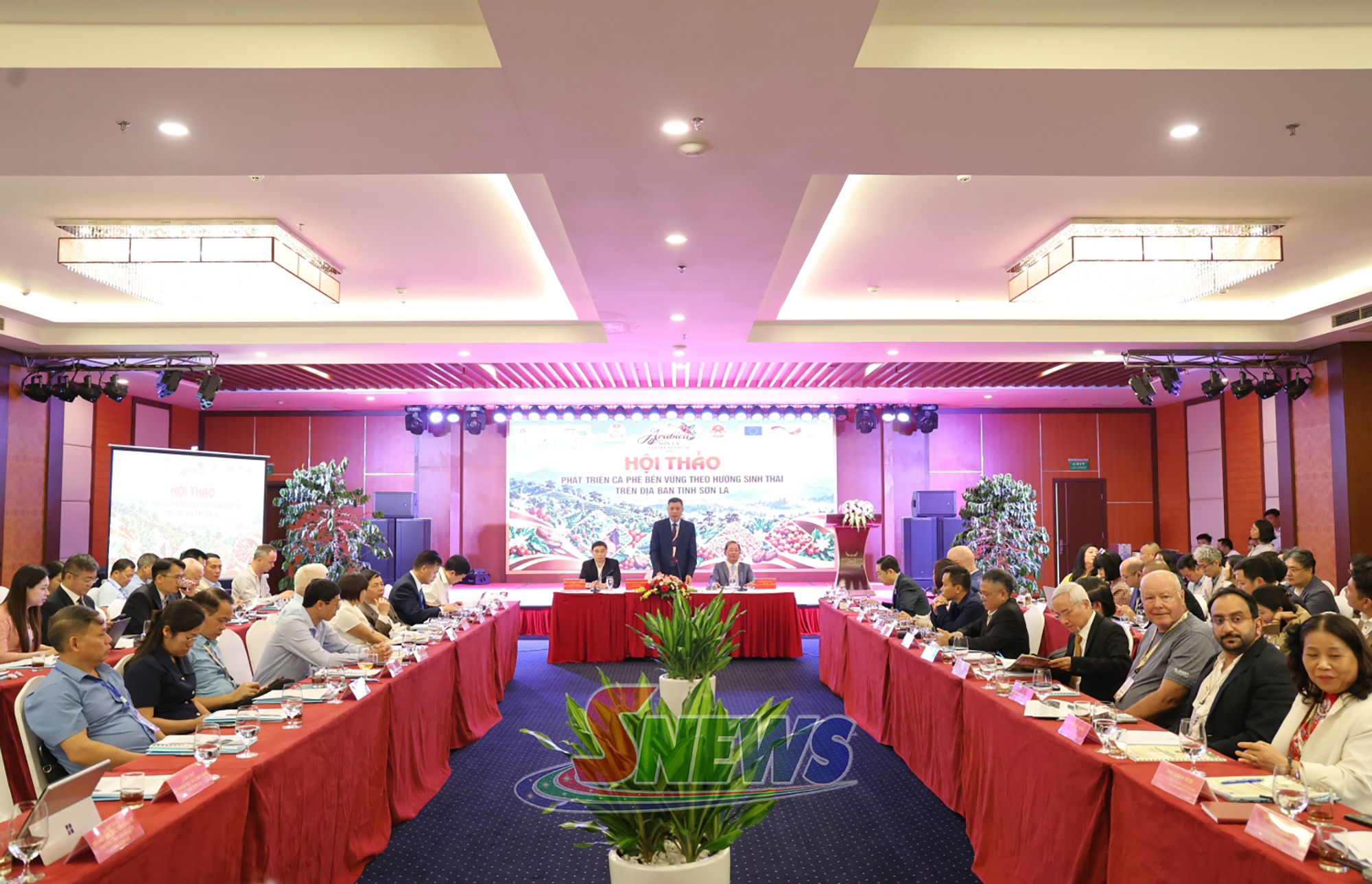
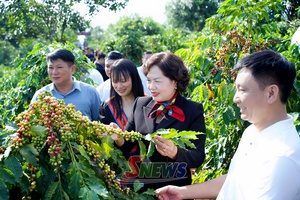
Son La currently has more than 44,000 hectares of coffee plantations, with green coffee bean production in 2026 estimated at nearly 51,000 tonnes. The province has the largest Arabica coffee growing area in Vietnam. It has established two high-tech coffee production zones covering more than 1,039 hectares and six production linkage chains spanning over 2,170 hectares. A total of 28 businesses and cooperatives are involved in coffee production and processing.
In addition, the province has developed more than 1,100 hectares of specialty coffee, with an annual output of approximately 1,000 tonnes of green coffee beans. Son La coffee was granted geographical indication status in 2017, and its products are now available in more than 20 countries and territories.
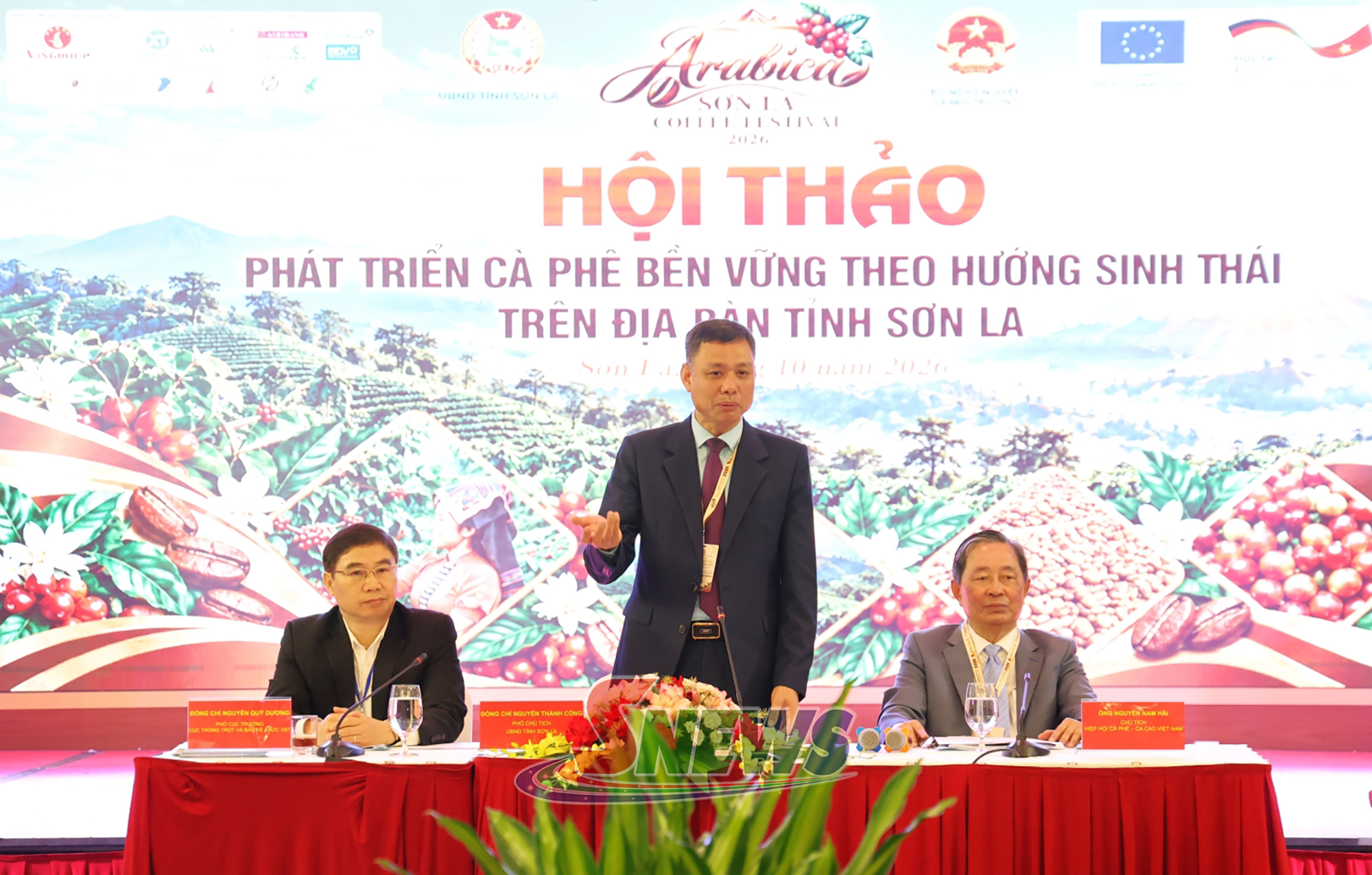
However, the province’s coffee sector still faces several challenges, including inconsistent raw material quality, aging coffee plantations that require renovation, and the need to further adopt advanced technologies, strengthen production linkages, and expand deep processing to fully realise the sector’s potential.
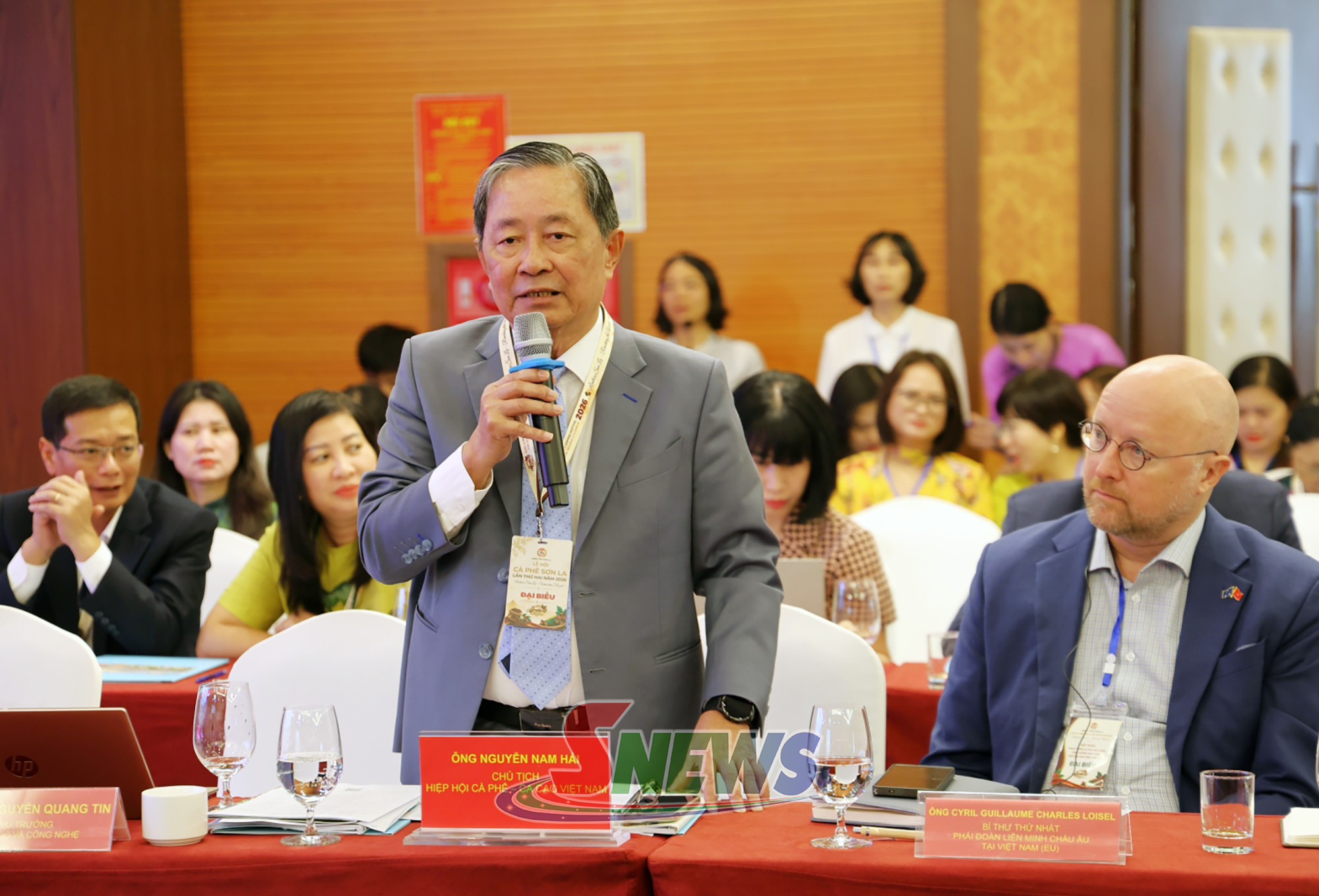
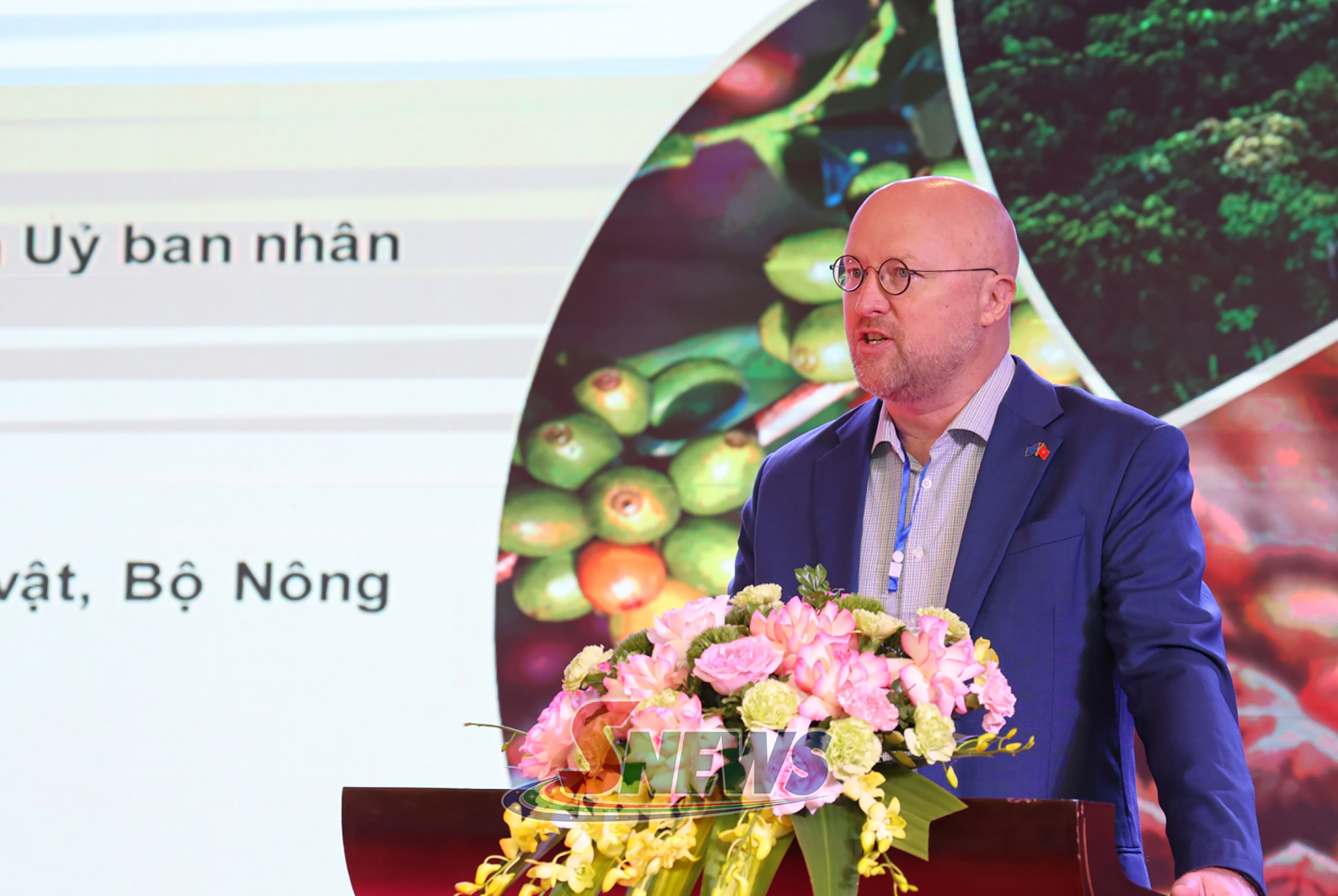
At the workshop, experts and scientists analysed the challenges facing Son La’s coffee sector amid climate change and the shift towards ecological agriculture.
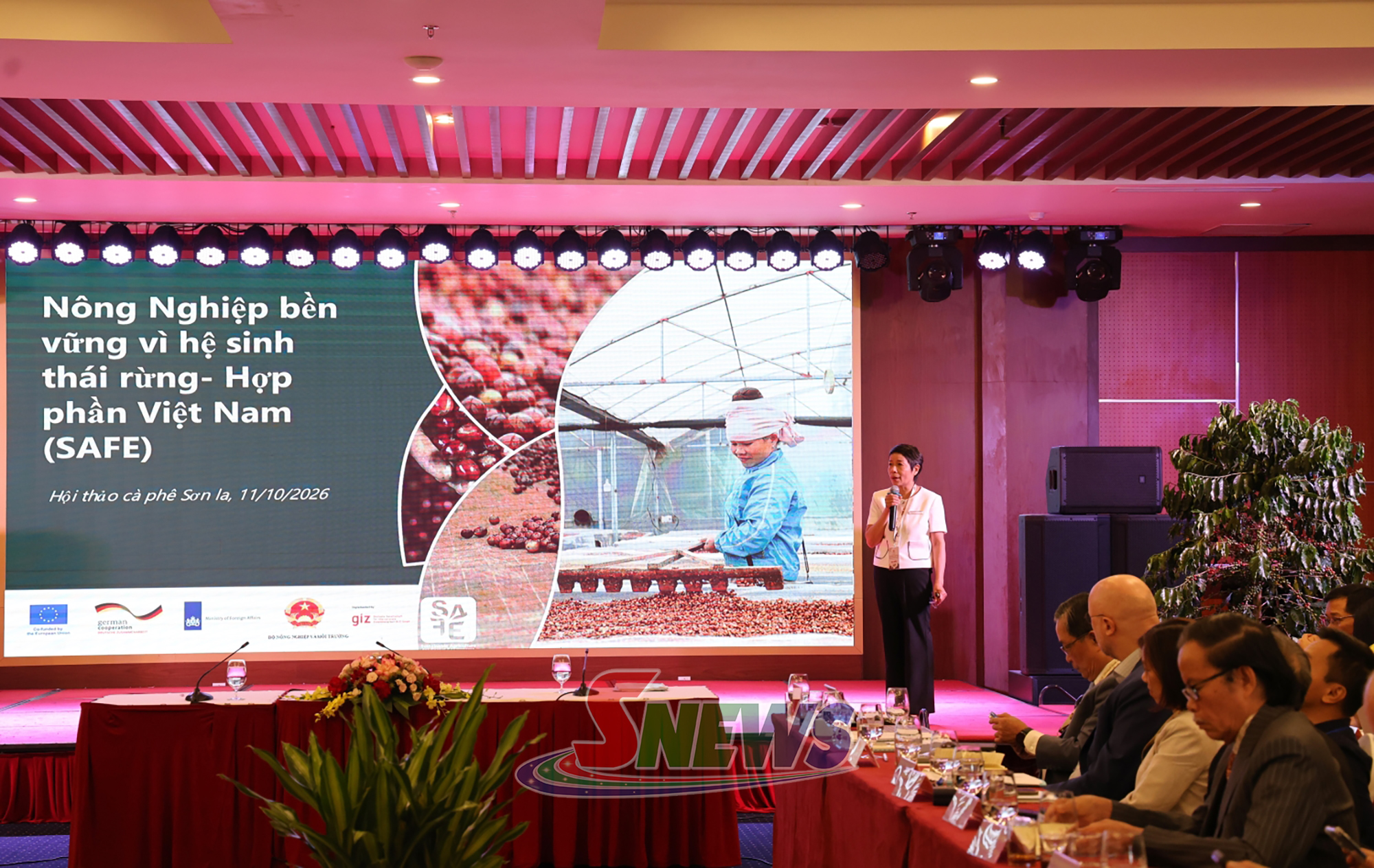
Participants also discussed solutions to developing high-quality and specialty coffee, strengthening cooperation among businesses, cooperatives, and farmers in production planning and raw material quality control, and accelerating the application of deep-processing technologies. Other priorities included diversifying products, building brands, and expanding markets for Son La coffee.
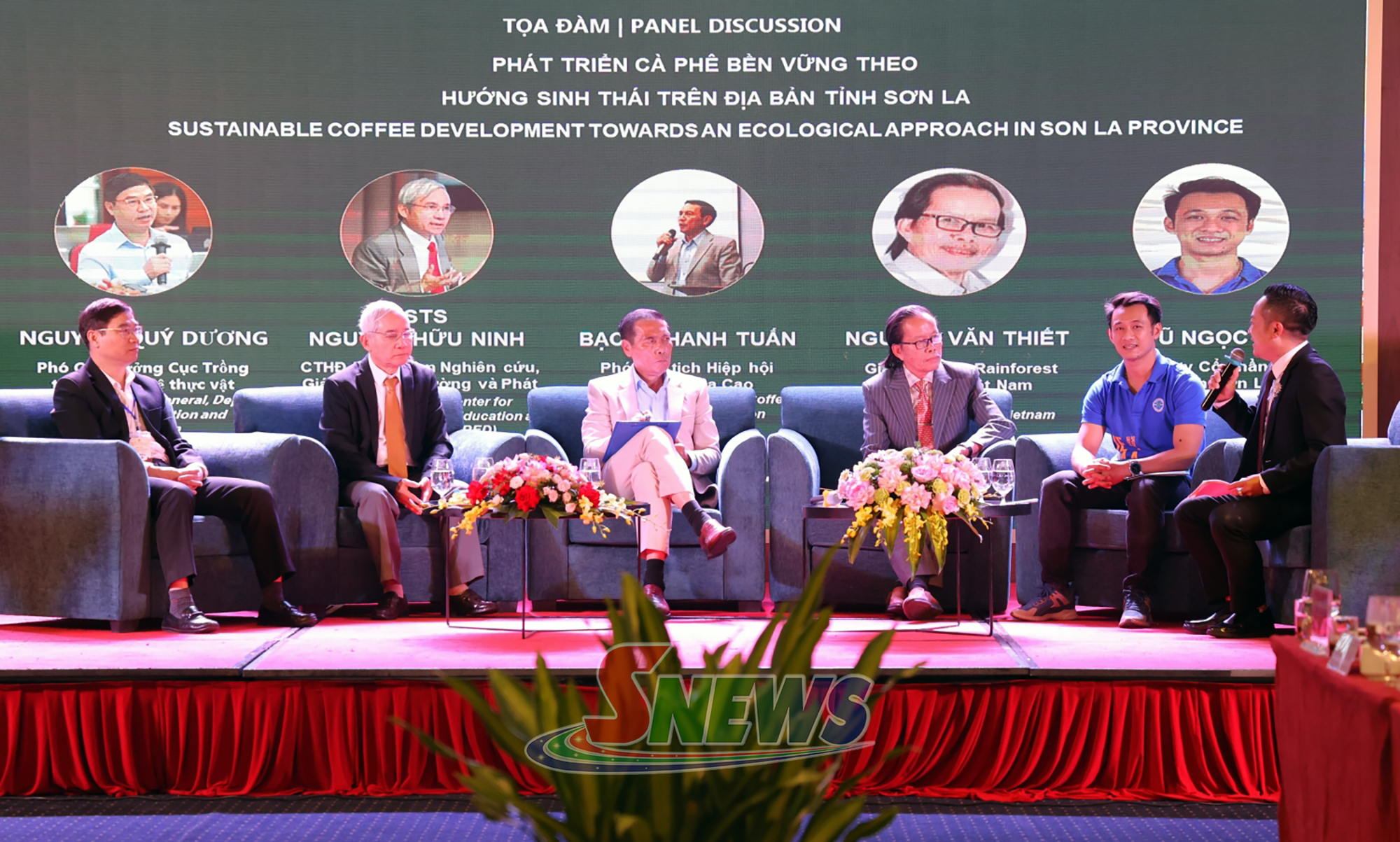
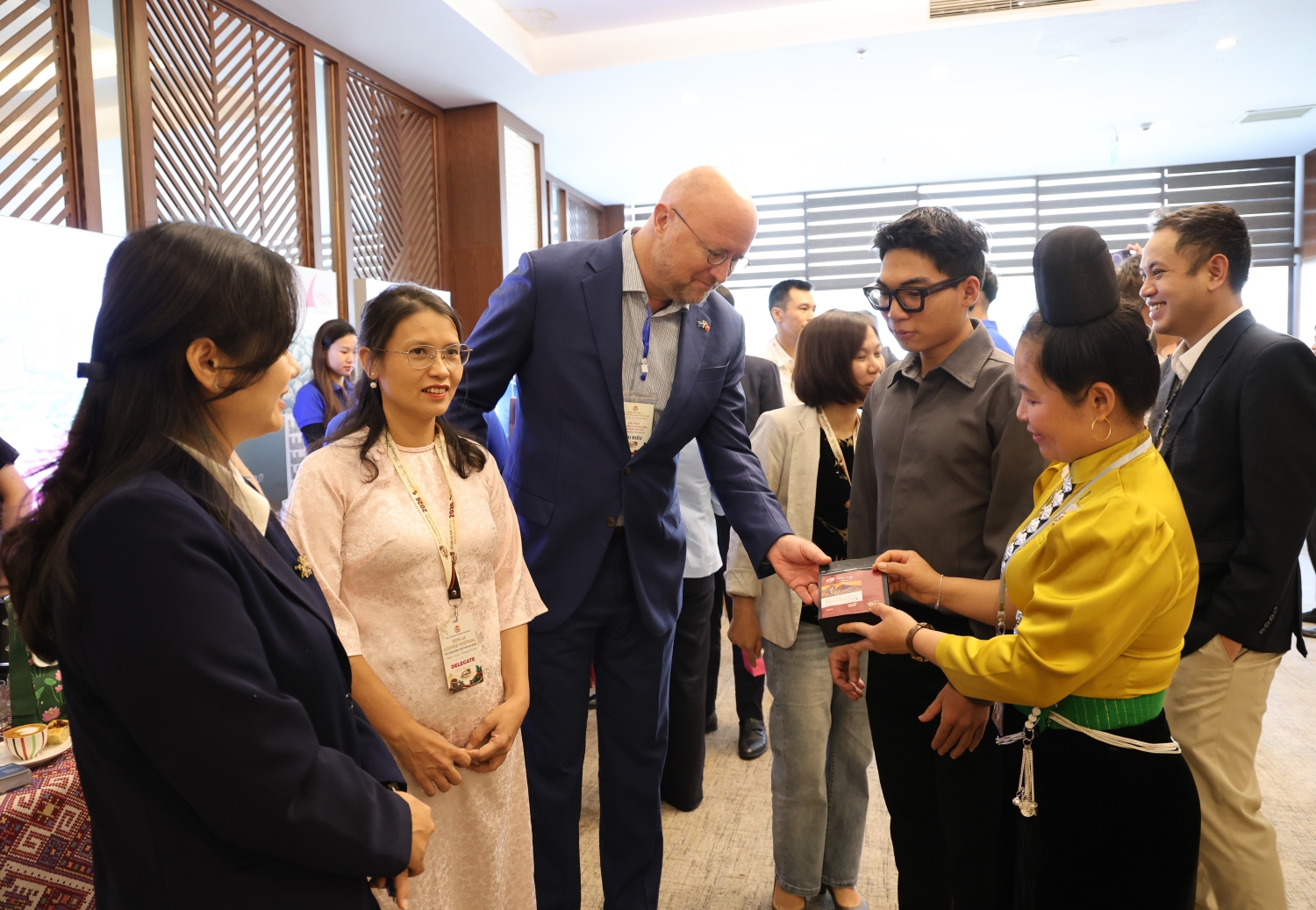
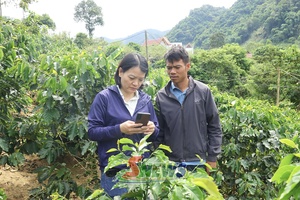
In response to export market requirements, participants proposed developing databases for coffee growing areas and digitising information on plantation areas, locations, and production zone boundaries. They also emphasised the need to strengthen raw material traceability and comply with the European Union Deforestation Regulation (EUDR).
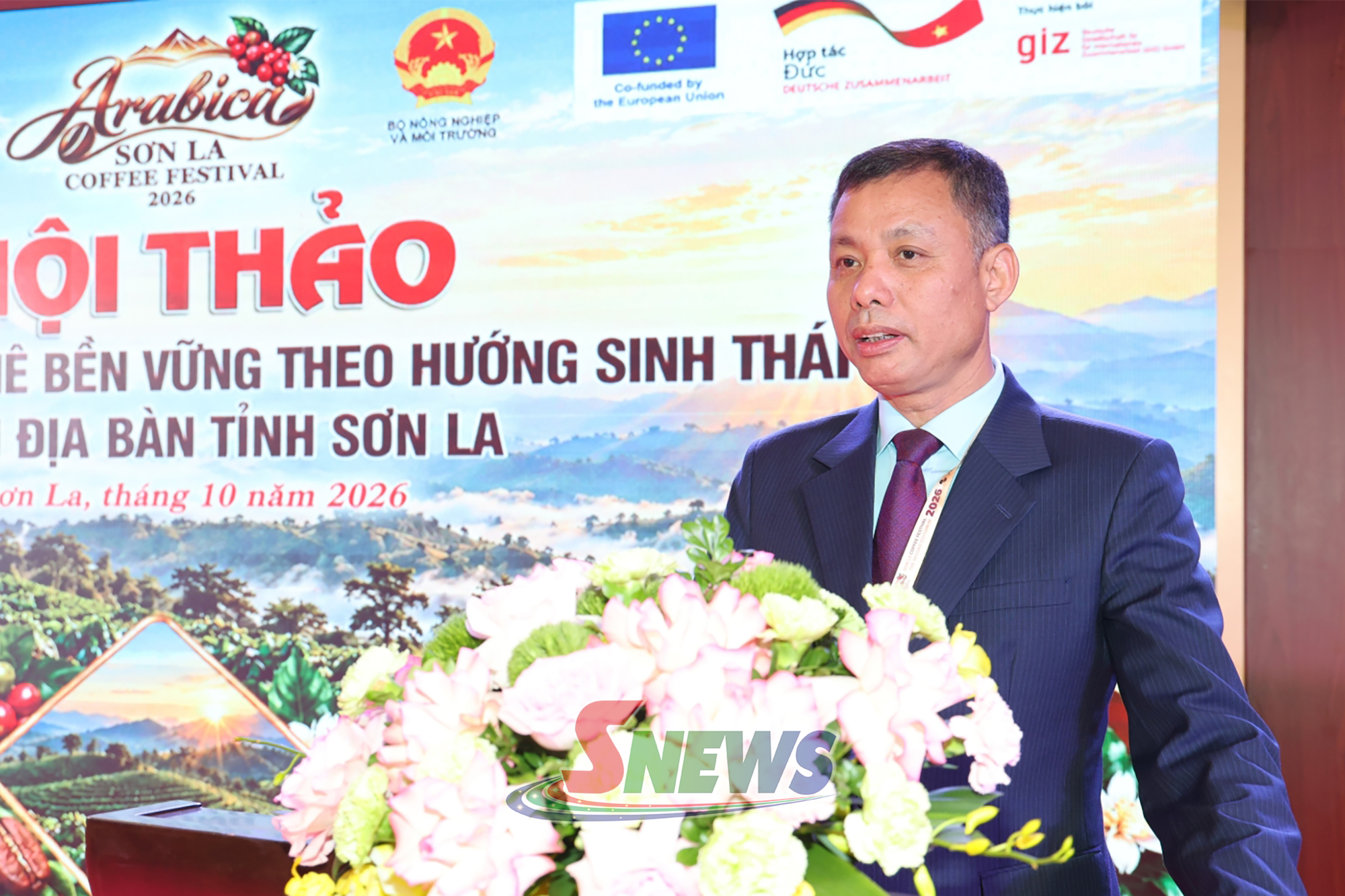
In his concluding remarks, Cong emphasised that the province would continue reviewing and standardising coffee growing areas to meet export standards. Priorities would include pruning and rejuvenating aging coffee plantations, researching and introducing new varieties, and applying scientific and technological advances to production.
The province will also focus on developing specialty coffee, attracting investment in deep-processing projects, increasing added value, and enhancing product competitiveness.
He expressed his hope for continued cooperation and further advice and recommendations from experts, scientists, international organisations, and businesses to support the sustainable development of Son La Arabica coffee and ensure that it meets the requirements of both domestic and international markets./.




You have 500/500 characters left
Please enter 5 or more characters!!!