

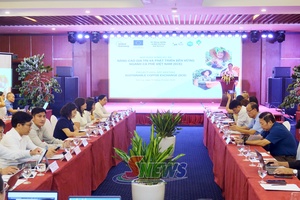
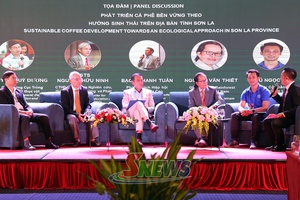
On the afternoon of September 28, the provincial Department of Agriculture and Environment held a thematic conference on “Innovation in agriculture, processing and traceability” as part of the Son La Innovation and Digital Transformation Day 2026.
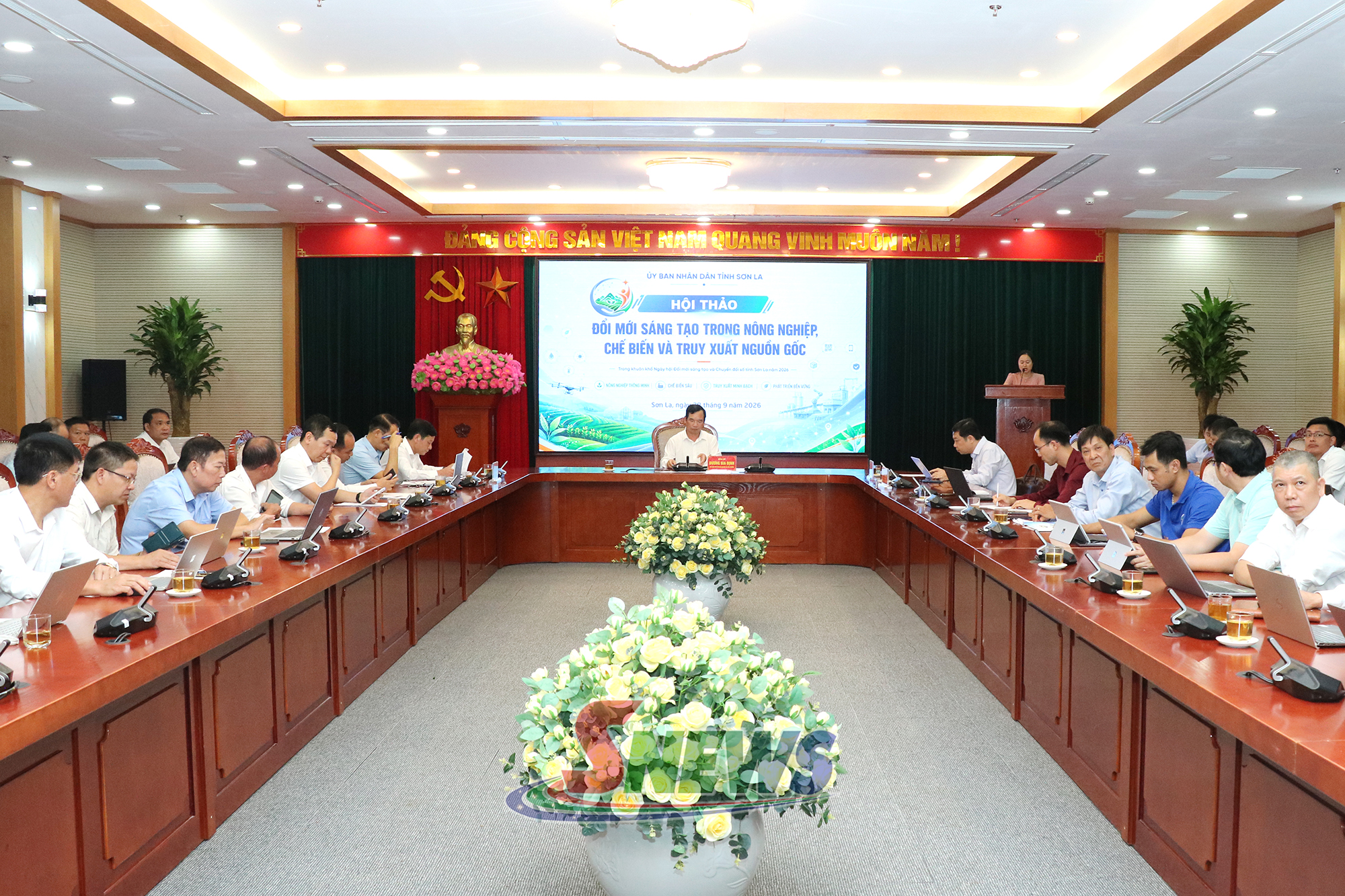
The event brought together experts, scientists, businesses and cooperatives to discuss ways to improve the value and marketability of local agricultural products.
Son La has significant potential for commercial agriculture, with major production areas for fruit, coffee, tea and sugarcane, as well as a growing number of products entering export markets.
The province currently has eight high-tech cultivation zones covering more than 3,235 hectares. Advanced water-saving irrigation systems are used on more than 3,209 hectares of farmland. Son La has also established 169 growing area codes, including 152 for export.
Between 2020 and 2025, the province carried out 21 science and technology projects in crop production and plant protection, focusing on crop varieties, farming techniques, water-saving irrigation, post-harvest preservation and production to quality standards.
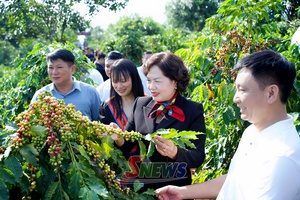
As part of efforts to manage agricultural raw-material areas, Son La has piloted the review and digitisation of more than 6,098 hectares of coffee plantations, covering 19,508 production plots in Muong Chanh and Nam Lau.
Geographical and production area data have been established to support traceability and help producers meet market requirements, including the EU Deforestation Regulation (EUDR).
Despite progress, production organisation in some raw material areas remains fragmented, while production data are dispersed. Compliance with growing area codes and quality standards, as well as the maintenance of production logs, is uneven. Post-harvest technology remains limited and market linkages are not yet sustainable.
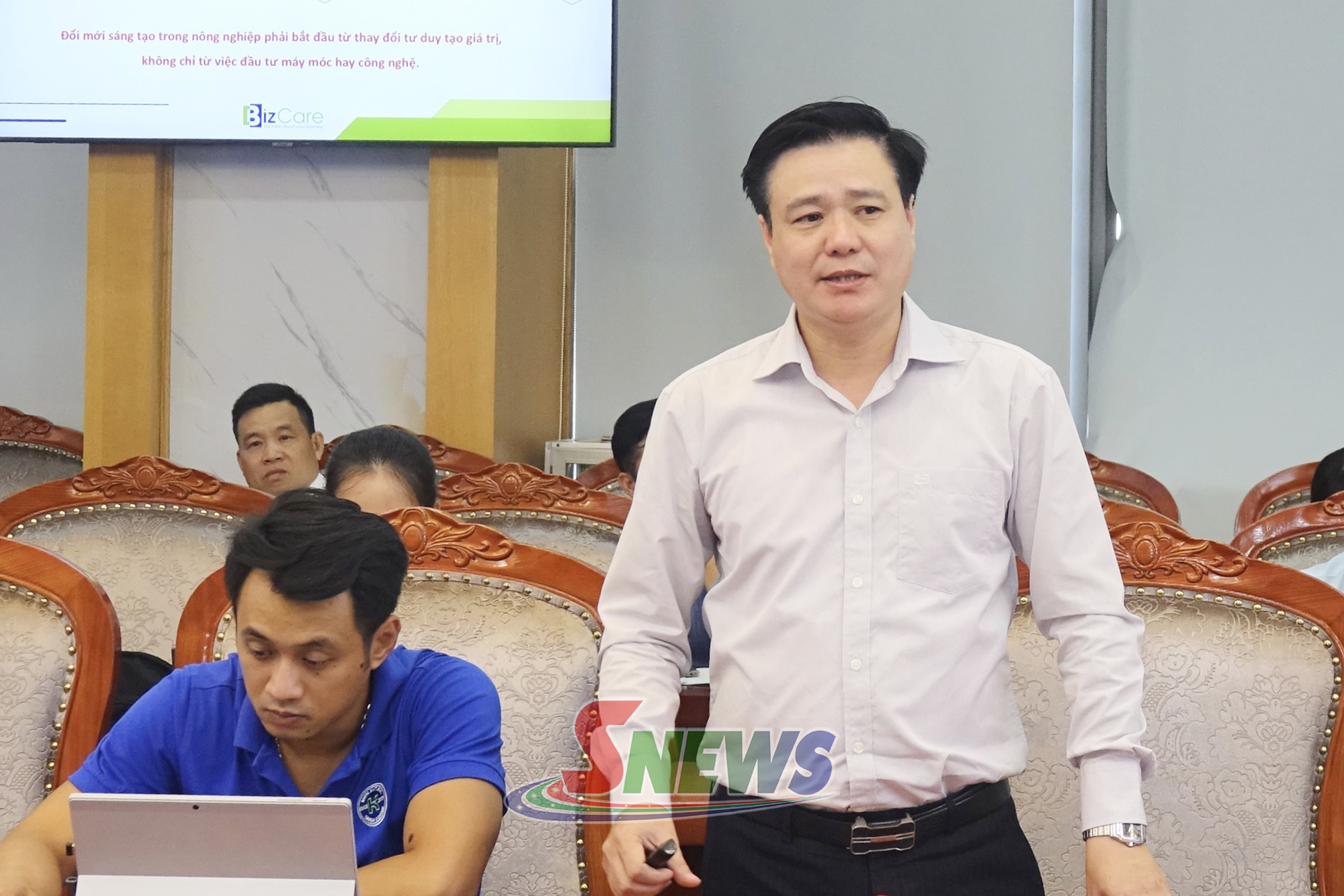
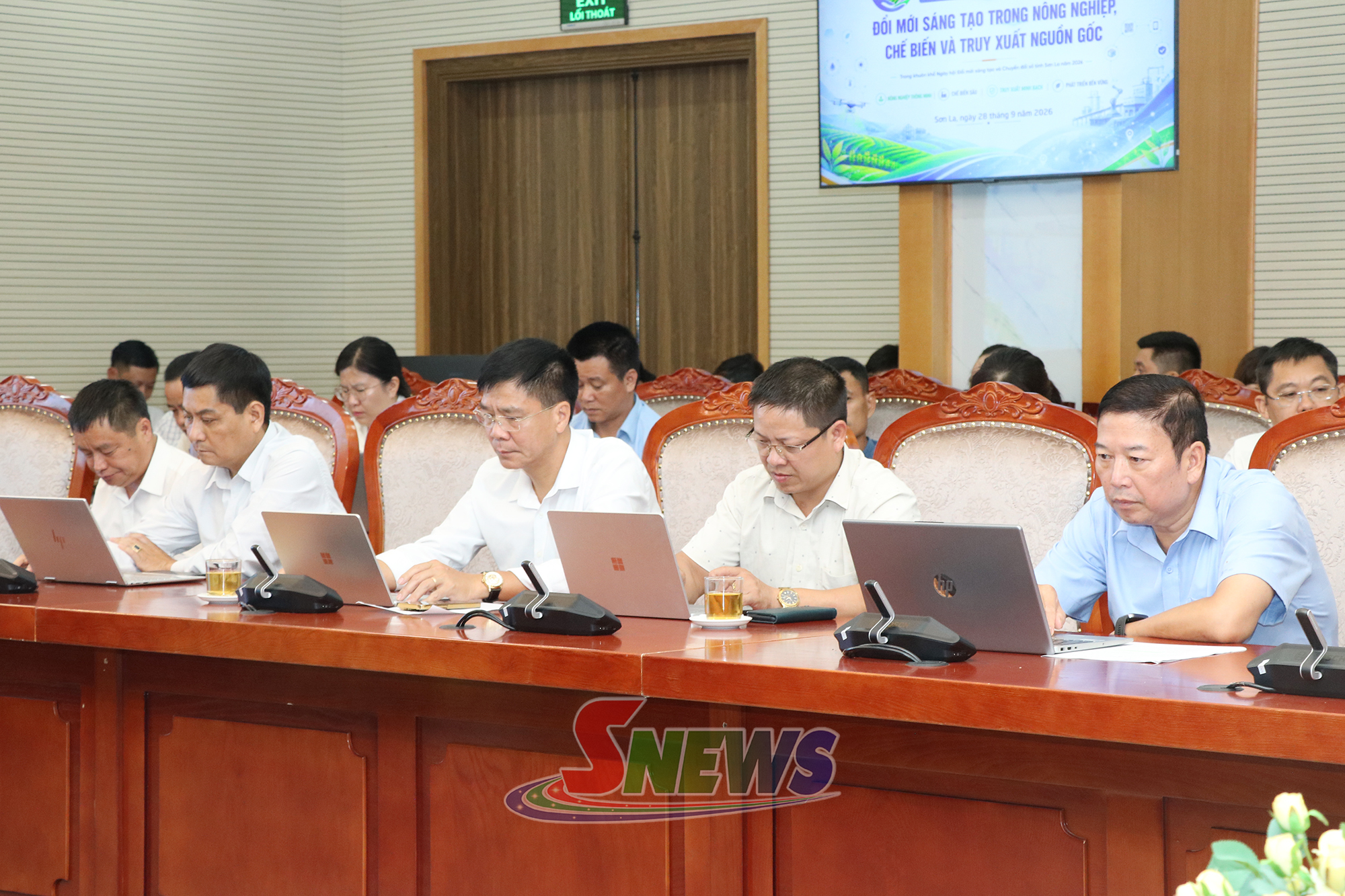
Participants at the conference discussed ways to organise raw material areas around the needs of businesses and markets, expand the use of preservation and processing technologies, standardise production data and improve traceability.
They also examined challenges related to investment costs, human resources, standards and the ability of businesses and cooperatives to adopt new technologies.
The discussions are expected to help bring innovation into every stage of the agricultural value chain, from raw-material production and farming to processing, traceability and market access./.



You have 500/500 characters left
Please enter 5 or more characters!!!