





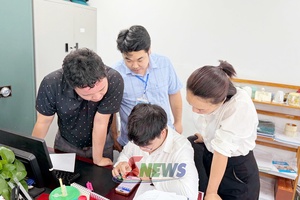
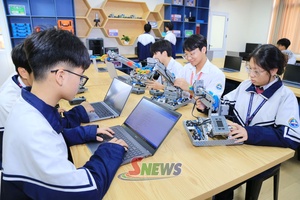
At Moc Ly High School, the first AI lesson took place in a lively atmosphere. Relatively new concepts such as chatbots, prompts, and generative AI were introduced by teachers through familiar and visual examples. Using popular AI tools such as ChatGPT, Gemini, and Grok, students had the opportunity to practice directly, ask questions and interact with AI, learn how to use it to support their studies, and receive guidance on checking, cross-referencing, and evaluating information.
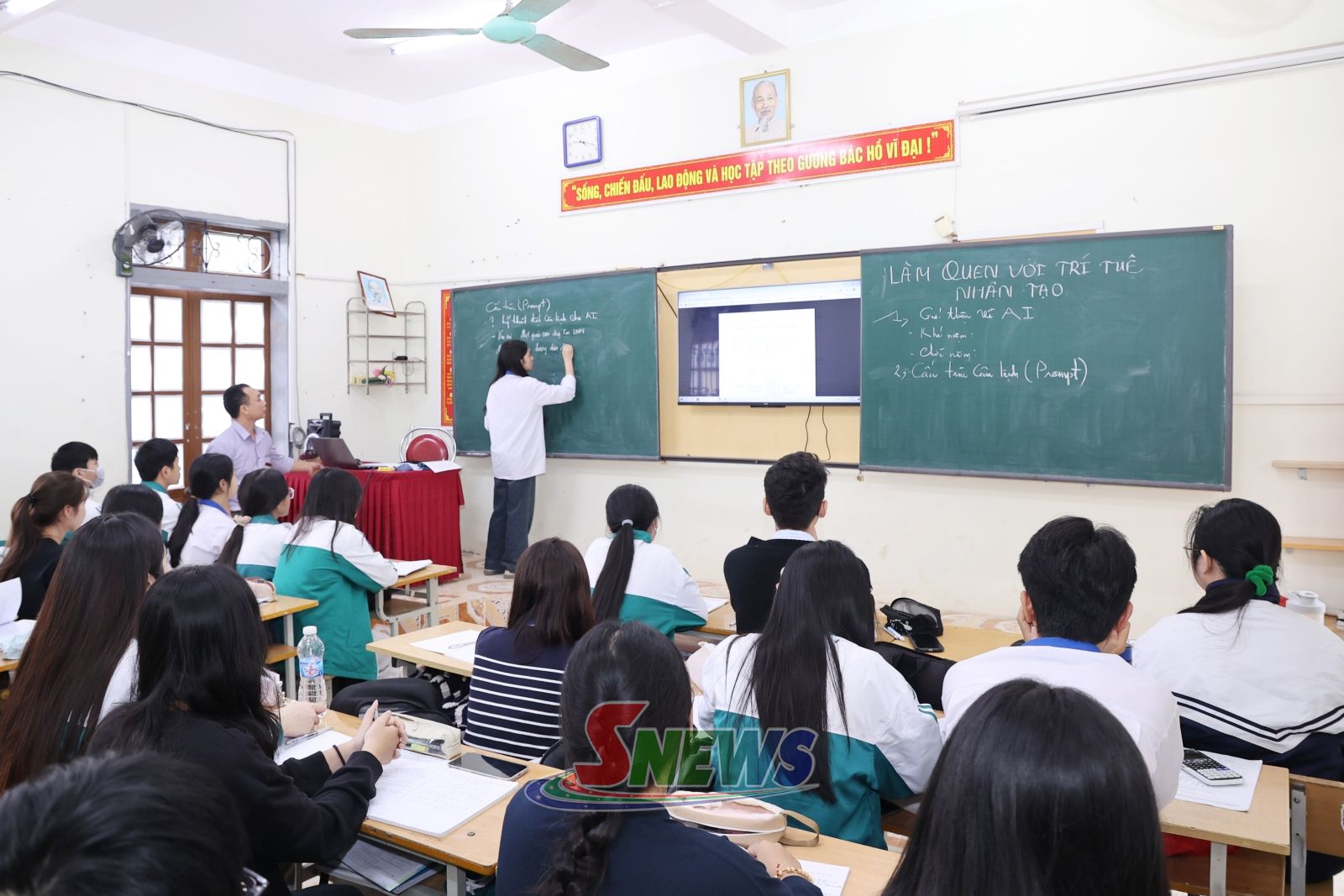
Nguyen Dang Phuc, a Class 12A1 student at Moc Ly High School, said that before the school introduced AI into the curriculum, he had already used several AI tools to support his studies and daily life. However, he mainly asked simple questions, so the answers he received were sometimes not closely aligned with his requirements. Through the lessons and guidance from his teachers, he has learned how to formulate more specific prompts, clearly defining the context, role, and requirements for AI. This has enabled him to use the tools more effectively and better support his learning.
At Le Quy Don Secondary School in To Hieu ward, a chemistry revision lesson for Class 9A1 was designed as a technology-based learning experience linked to a real-world problem. Instead of providing ready-made answers, the teacher assigned students to use AI to help balance a chemical equation involving a reaction that could not actually occur. AI nevertheless generated an answer without recognising the inconsistency. Drawing on their previous knowledge and the teacher's guidance, the students analysed and cross-checked the response and identified the error. They then refined their prompts, added information, and asked AI to verify the conditions of the reaction before producing the correct answer.
The lesson concluded with a key message: AI can help search for and process information, but its answers are not always accurate. Users need to maintain critical thinking, verify the accuracy of information, and know how to adjust their prompts appropriately.
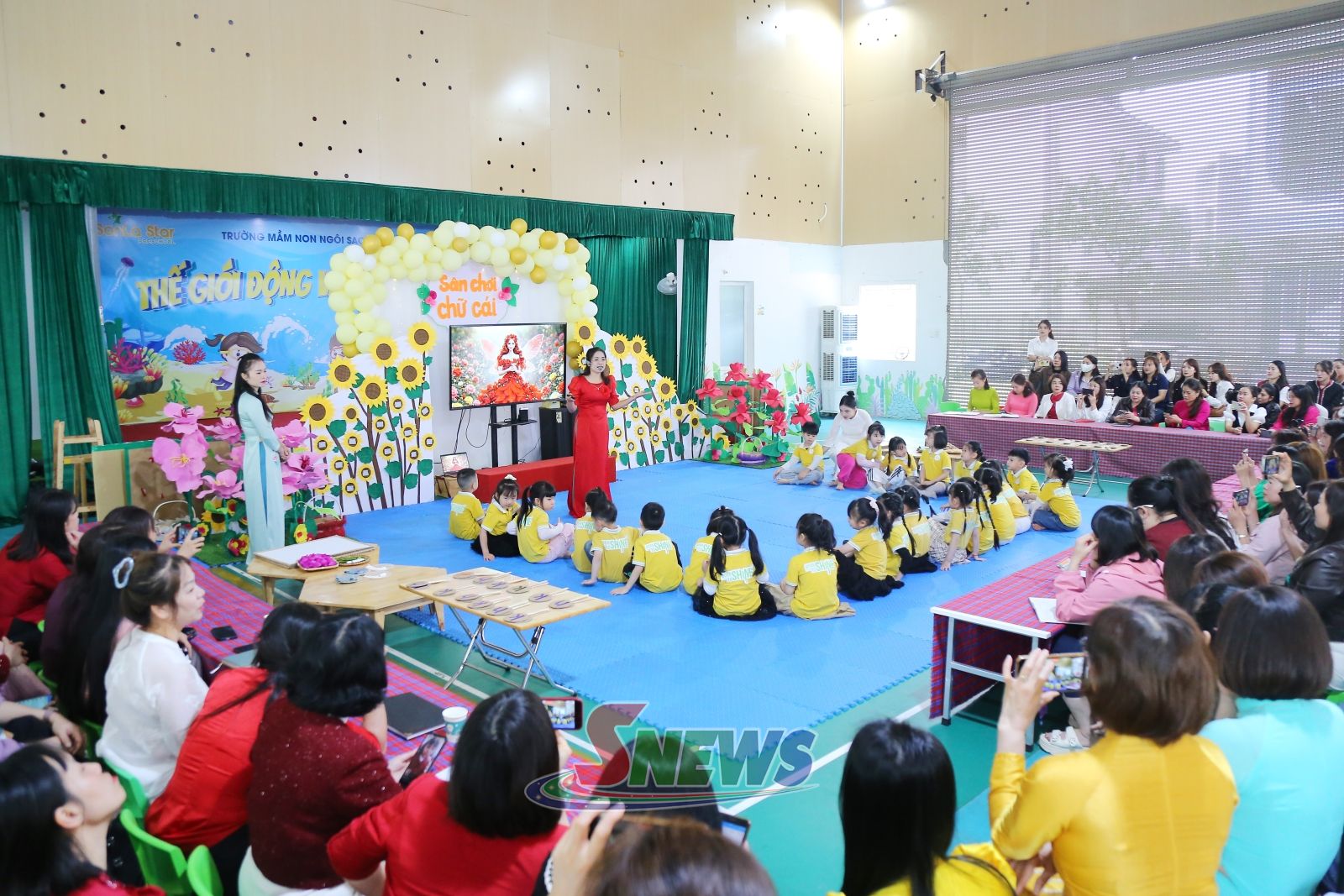
Le Thi Thu Huong, Principal of Le Quy Don Secondary School, said the school has instructed teachers to proactively explore and utilise AI tools to innovate teaching methods, develop learning materials, and create more interactive learning situations. Teachers are also encouraged to guide students in using AI for the right purposes, verifying information, and evaluating results, enabling them to benefit from technology while maintaining independent thinking skills.
To implement the strategic breakthrough task of “Comprehensive digital transformation, widespread adoption and strong application of digital technology and artificial intelligence (AI) in education and training,” in line with Politburo Resolution No. 71-NQ/TW dated August 22, 2025, the provincial Department of Education and Training has instructed 100% of educational institutions from primary to high school level to incorporate AI into teaching.
The department is also focusing on professional development for teachers, helping them become familiar with the technology and improve their skills in applying AI to their professional duties. Since the beginning of the year, the department has provided digital skills and AI application training for 21,858 education managers and teachers, equivalent to 88.54% of the target. It has also organised the “Master AI – Become a Super Teacher” programme for nearly 2,400 education managers and teachers across different levels.
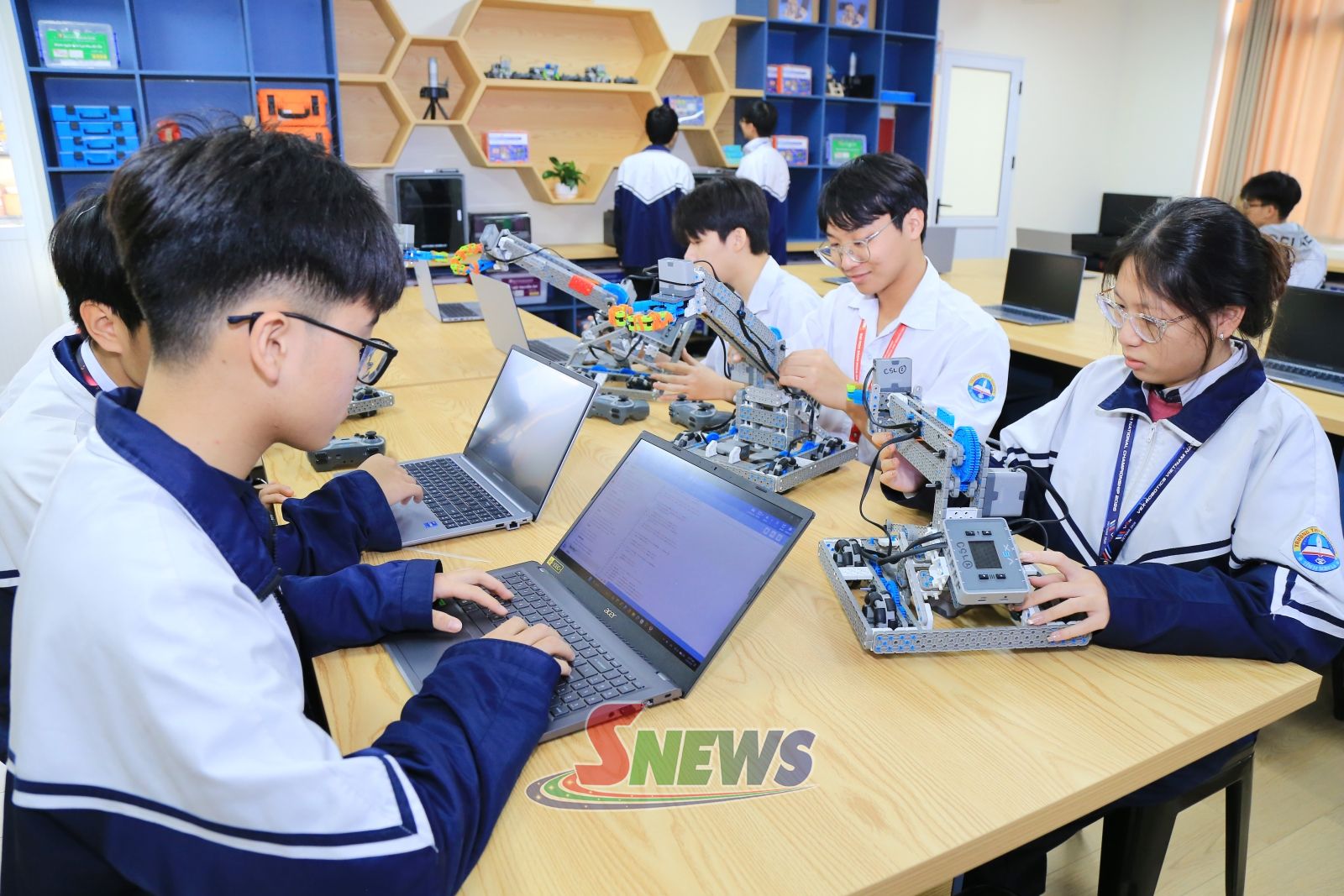
Through these programmes, educators have been equipped with knowledge and skills to use AI in management, lesson planning, test design, and supporting students' learning. At the same time, they have developed greater awareness of the need to use AI safely, effectively, and responsibly.
Quang Van Lam, Deputy Director of the department, said the agency would continue to expand AI training programmes for school administrators and teachers and continuously update them on newer and more useful tools. It also plans to allocate funding to equip 300 smart classrooms at educational institutions across the province, develop a free repository of instructional materials, organise competitions on creative AI applications in education, and establish mechanisms to encourage and replicate effective models.
In addition to the core curriculum of 12 lessons per year, educational institutions may offer additional content tailored to students' needs and abilities. From the very first lessons, equipping students with the skills to use AI safely, effectively, and responsibly is laying the foundation for a generation capable of mastering technology, proactively accessing knowledge, and adapting to a digital learning environment.







You have 500/500 characters left
Please enter 5 or more characters!!!