


Across Mai Son commune, 31 families of fallen soldiers are still searching for the remains of their loved ones. The ongoing review and collection of DNA samples for comparison is not only a technical task but also offers renewed hope of finally identifying the missing, helping ease the grief and decades-long wait endured by their families.
Hoang Thi Mien, a resident of Residential Area No. 9 in Mai Son commune, lost both her elder and younger brothers in the resistance war against the US. More than half a century later, her hope of finding their remains has never faded.
"My elder brother enlisted when I was still a child, so I remember little about him. I only know that he fought and was killed in action," Mien said.
"My younger brother was three years younger than me. In October 1962, he volunteered to join the army and trained with a naval commando unit in Do Son, Hai Phong. In March 1967, he was deployed to the southern battlefield. In 1969, our family received notification that he had been killed. To this day, we still do not know where he is buried."
More than 50 years on, Mien's family has repeatedly turned to authorities and contacted the fallen soldiers' former comrades in search of information. From the scant details preserved in official records to the recollections of surviving comrades, the family has carefully collected and cross-checked every clue, hoping to locate the soldiers' final resting places.
Holding back tears, the more than 90-year-old said: "My greatest wish is to find the graves of my elder and younger brothers, who both gave their lives in the war. If our generation cannot find them, it will be even harder for our children and grandchildren, as the remaining information will continue to fade with time."
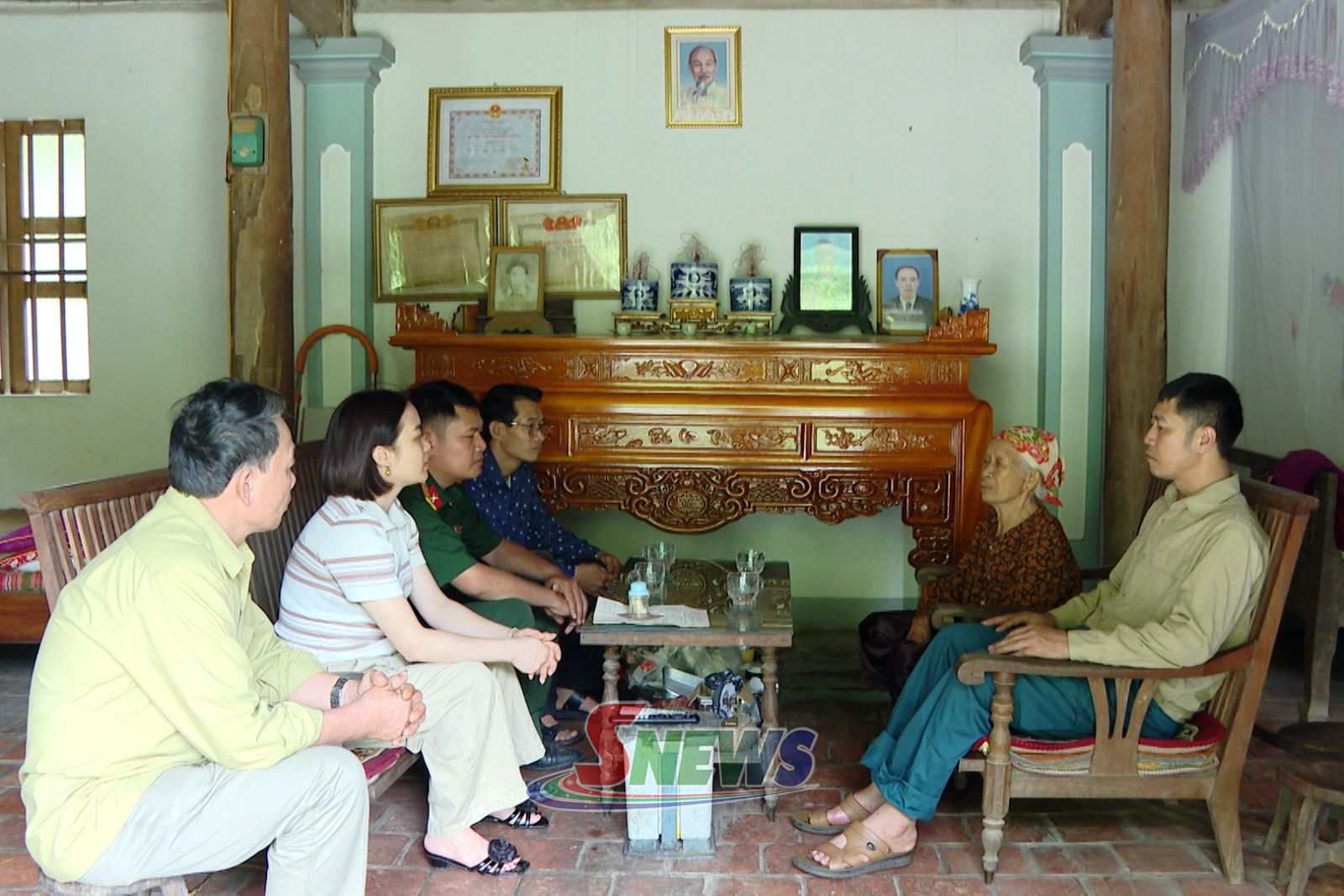
Like Mien's family, many relatives of fallen soldiers in Mai Son commune are following the "500-day" campaign with the hope that DNA technology will help identify the remains of missing war dead and finally bring them home after decades without confirmed identities.
The family of Dao Thi Gai, from Sub-zone 15 in Mai Son commune, has spent years searching for the grave of her younger brother, who was killed during the war against the US. For the family, finding his final resting place is not only the wish of those left behind, but also a way to express their deep gratitude to those who sacrificed their youth and lives for national independence and freedom.
Fighting back tears, Gai recalled: "In 1965, my younger brother answered the call of the nation and enlisted in the army. Toward the end of 1966, we received news that he had been killed in action. We hope this latest search and identification campaign will finally help us find him and bring him home."
As part of the "500-day" campaign, Mai Son has been reviewing and consolidating records on fallen soldiers while stepping up efforts to encourage their relatives to provide DNA samples. Building a DNA database of relatives, combined with DNA obtained from the remains of unidentified maryrs, will provide a crucial scientific basis for matching and verification, helping improve the search for, recovery and identification of fallen soldiers' remains.
The Mai Son Martyrs' Cemetery currently houses 160 unidentified graves. Following a review, authorities found that 98 graves met the conditions for DNA sampling. Local authorities have completed sample collection and transferred the specimens to specialist agencies for DNA testing and matching in accordance with regulations.
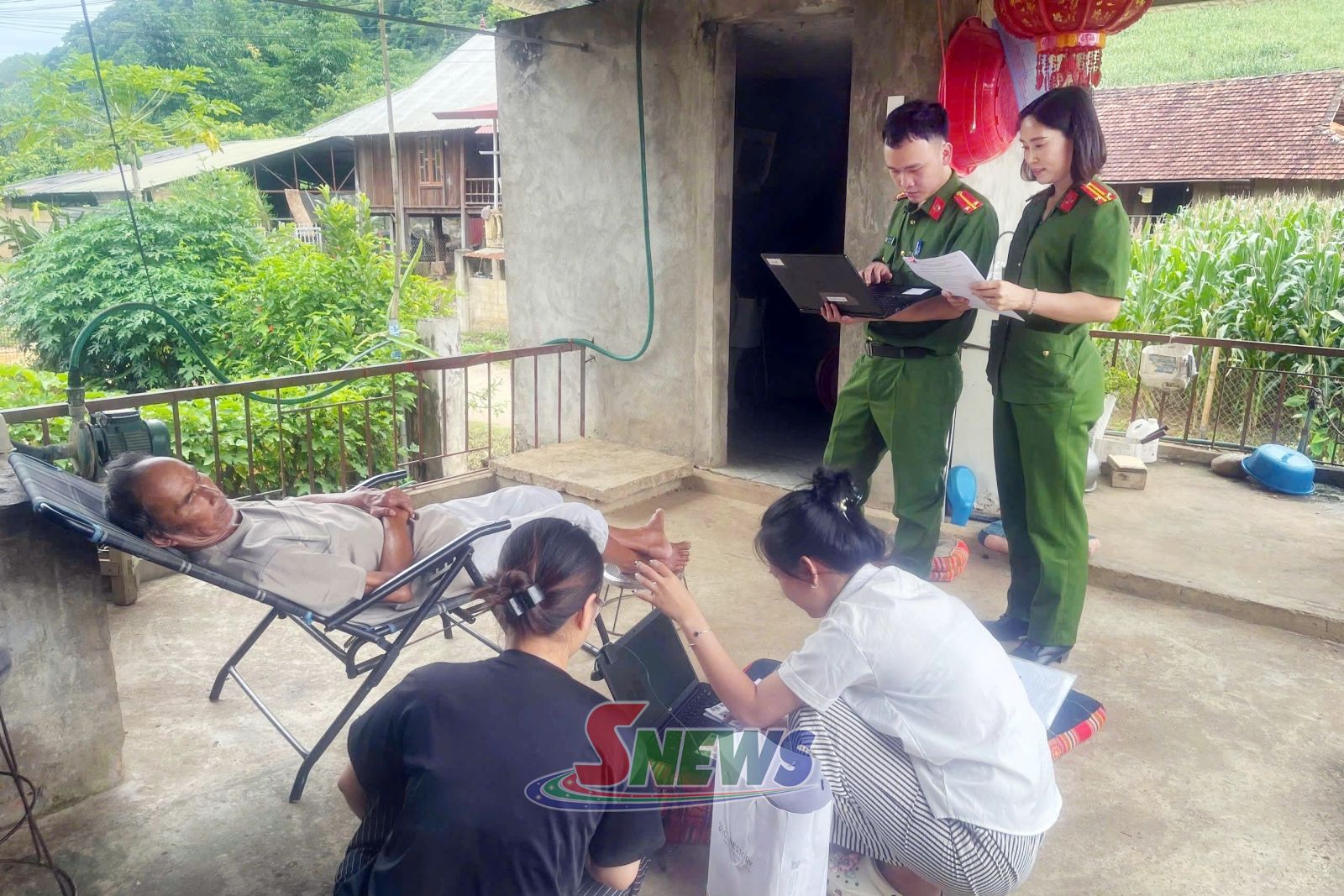
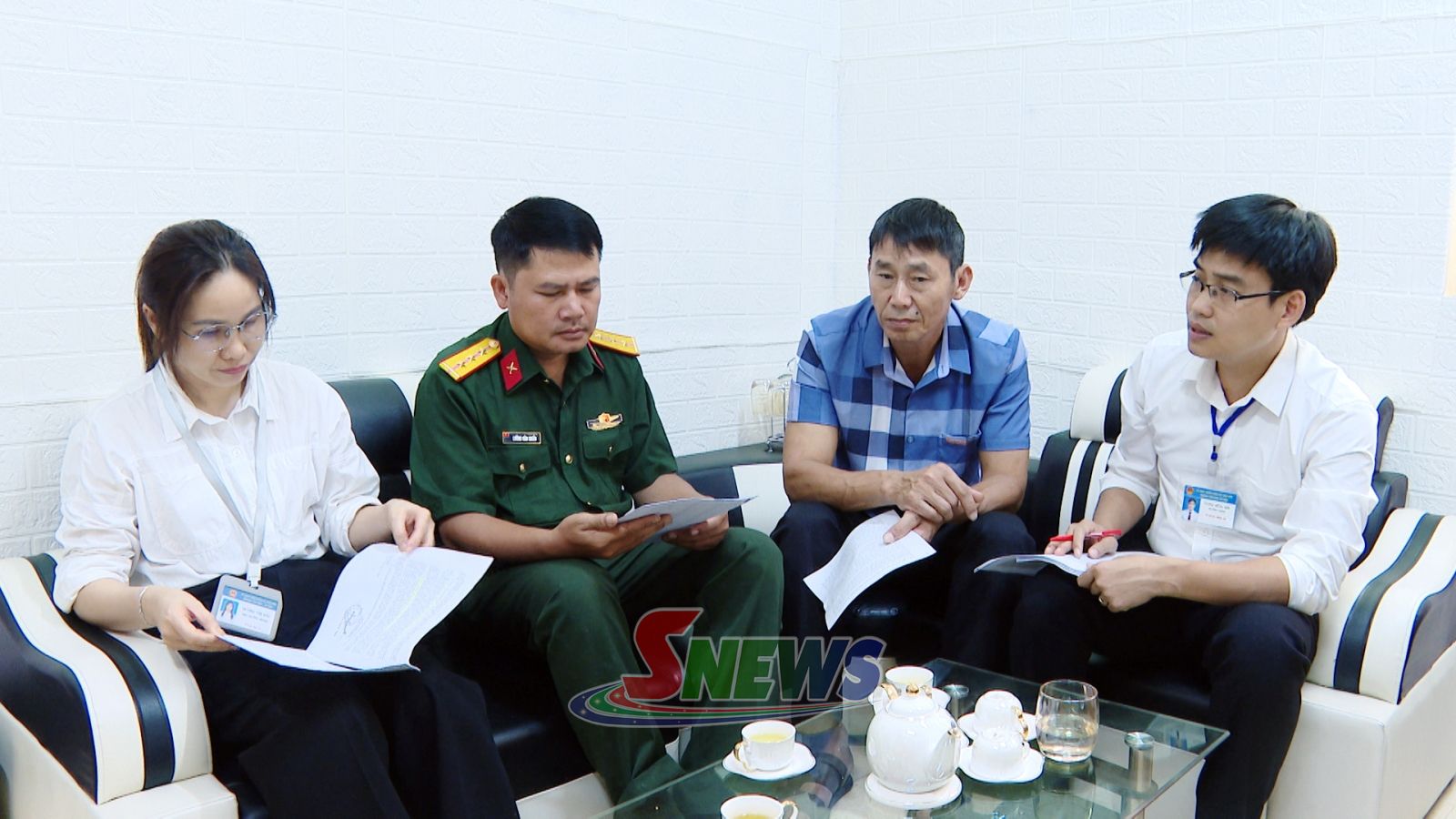
Lieutenant Colonel Dang Dinh Hung, Commander of the Mai Son commune Military Command, said the unit would continue working with relevant agencies to verify information and collect DNA samples from relatives of fallen soldiers to expand the database, providing additional scientific evidence for DNA matching and helping gradually identify the remains of soldiers whose identities are still unknown, in line with the wishes of their families.
The "500-day" campaign is not only accelerating efforts to locate, recover and identify the remains of fallen soldiers, but also carrying profound humane significance. Each successful DNA match represents another opportunity for a fallen soldier to regain his name and return home, helping ease the grief of bereaved families while upholding Vietnam's enduring tradition of remembering those who sacrificed for the nation./.






You have 500/500 characters left
Please enter 5 or more characters!!!