

According to the history of the Muong Chanh Party Organisation, in early 1943, as conditions became favourable, the Party cell at Son La Prison secretly established the first revolutionary organisation in Son La - the National Salvation Youth League (NSYL), known in Thai as Mu nom chat muong. The organisation comprised two groups, based in the provincial capital and Muong La district.
Following a successful prison escape by political prisoners from Son La Prison, the French colonialists intensified their crackdown. NSYL groups were forced to operate underground or suspend activities temporarily while awaiting an opportunity to re-emerge.
Under the Party cell’s direction, Chu Van Thinh was secretly assigned to work with local revolutionaries to shift operations, identify areas for building revolutionary networks and establish a future revolutionary base. After conducting field surveys, he reported back to the Son La Prison Party cell and recommended Muong Chanh commune, then part of Mai Son district, as a suitable location for building the revolutionary movement.
By late 1943, the Muong Chanh NSYL group had been established with 12 members, along with a large number of sympathisers. Its activities had a broad impact among local residents, mobilising them to demand lower taxes, reduced forced labour and fewer land levies, marking another step in the development of the revolutionary movement in Muong Chanh and Son La.
On August 19, 1945, the National Salvation Association of the Thai ethnic group mobilised its forces and local residents to surround the residence of chanh phia, a local feudal official, forcing the authorities to surrender and hand over their seals and documents to the revolutionary forces. The success of the uprising provided a major impetus for people across Son La to seize power throughout the province.
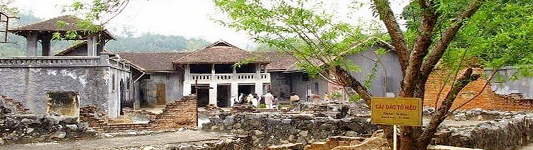
In recognition of these contributions, Muong Chanh was awarded the title of Hero of the People’s Armed Forces during the resistance war against the French colonialism in 1998 by the State President. On April 28, 2006, the Muong Chanh revolutionary base was officially recognised by the provincial People’s Committee as a historical relic site.
More than 80 years on, the values forged from the revolutionary traditions continue to serve as a driving force for the Party Organisation, authorities and people of Muong Chanh as they work together to build a more prosperous homeland.
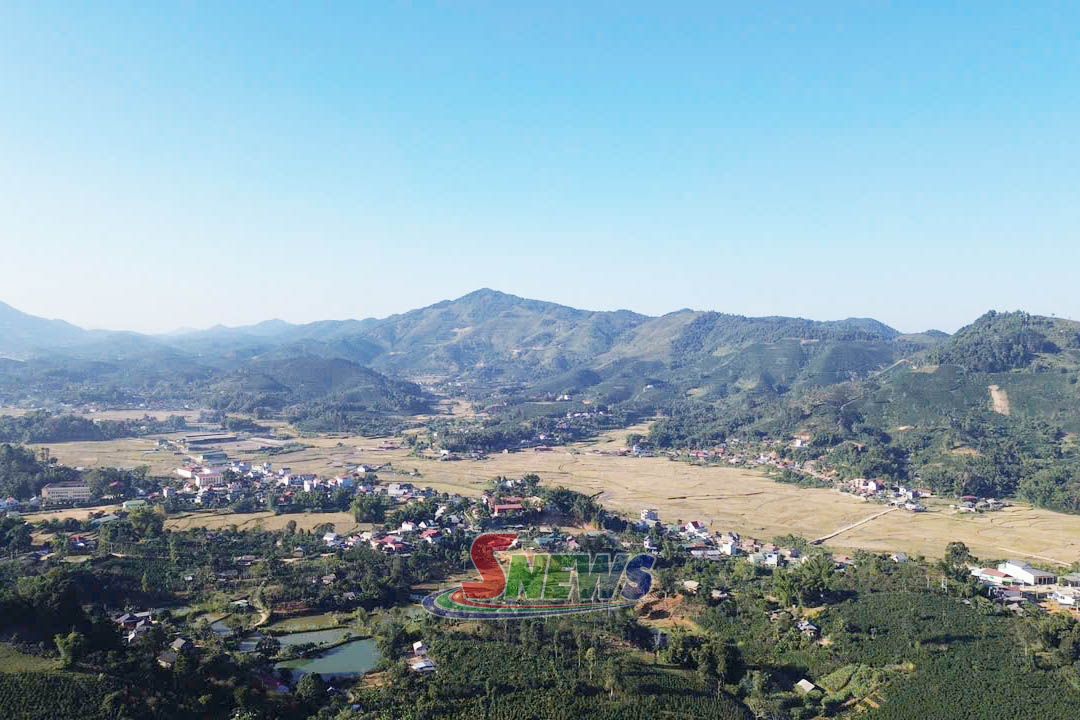
Nguyen Bien Cuong, Chairman of the commune People’s Committee, said that under Vietnam’s two-tier local government system, Muong Chanh commune was established in July 2025 through the merger of the former Muong Chanh and Chieng Chung communes. The newly expanded commune comprises 14 hamlets, covers 101.47 square kilometres and has a population of 11,275.
The commune has adopted a development strategy based on the economic strengths of different areas. Coffee is a key focus. Local authorities have encouraged farmers to replant and renovate more than 500 hectares of coffee using new, higher-yielding and higher-quality varieties, while organising technical training and promoting the use of organic fertilisers.
Muong Chanh now has 2,800 hectares of coffee plantations across all its hamlets, producing nearly 40,000 tonnes annually, making it one of the communes with the largest coffee-growing areas in the province.
.jpg)
Walking among rows of coffee trees, Lo Manh Quyet, a resident of Cang Muong hamlet, recalled that in 2009 he converted two hectares previously planted with maize and cassava to coffee.
His family now owns 7 hectares of coffee intercropped with ‘hau’ plum, ‘mien thiet’ longan and macadamia, as well as a 4,000-square-metre fish pond. The family has invested in an automated irrigation system, helping reduce water use and labour costs while ensuring stable plant growth during the dry season. After deducting all expenses, the family earned more than 1 billion VND (38,000 USD) in net profit from its integrated farming model in 2025.
Muong Chanh is also known for its local ‘tan nhe’ sticky rice variety, prized for its distinctive aroma and glutinous texture and now recognised as a signature agricultural product of the locality.
Farmers have formed production linkages and concentrated cultivation zones while working to build a local brand for the product.
Ha Van He, Director of the Muong Chanh Agricultural Services Cooperative in Den hamlet, said the cooperative was established in 2022 and has encouraged 20 households to cultivate five hectares of the local ‘tan nhe’ sticky rice variety.
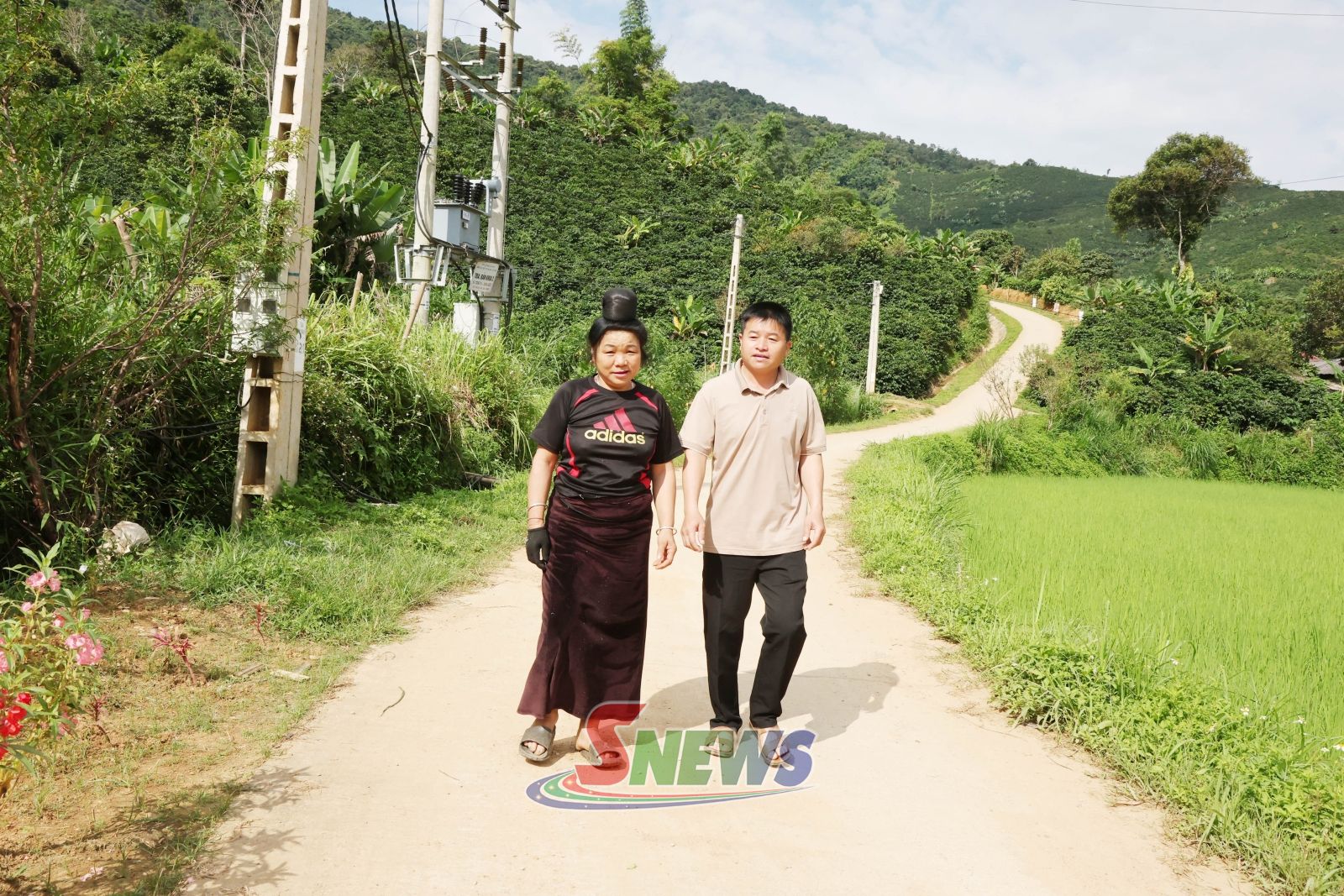
The cooperative guides its members toward organic farming practices. In 2025, its ‘tan nhe’ sticky rice product was awarded a three-star rating under Vietnam’s One Commune, One Product (OCOP) programme and sells for 55,000 VND per kg.
The commune also intensively cultivates nearly 300 hectares of wet rice, maintains more than 5,800 head of livestock and over 55,800 poultry, and has planted 100 hectares of grass for animal feed.
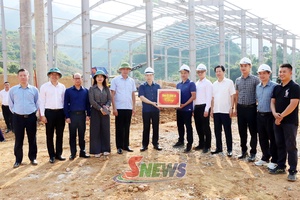
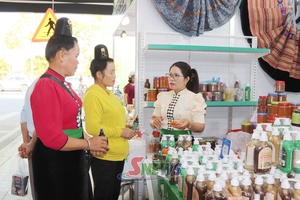
More than 400 shops and business and service establishments operate across the commune. As the local economy has expanded and livelihoods have become more stable, residents have actively contributed labour and resources to the national new-style rural development programme. With state support, numerous hamlet cultural centres, roads and schools have been built or upgraded.
Building on the legacy of its revolutionary past, people from different ethnic groups in Muong Chanh continue to work together to develop their hamlets and improve living standards.
The commune aims to raise average annual income to 55 million VND by 2030, reduce the poverty rate to below 3%, ensure 10% of the workforce receives vocational training, increase annual budget revenue by an average of 6%, and develop community-based tourism alongside efforts to preserve local cultural identity./.

You have 500/500 characters left
Please enter 5 or more characters!!!