




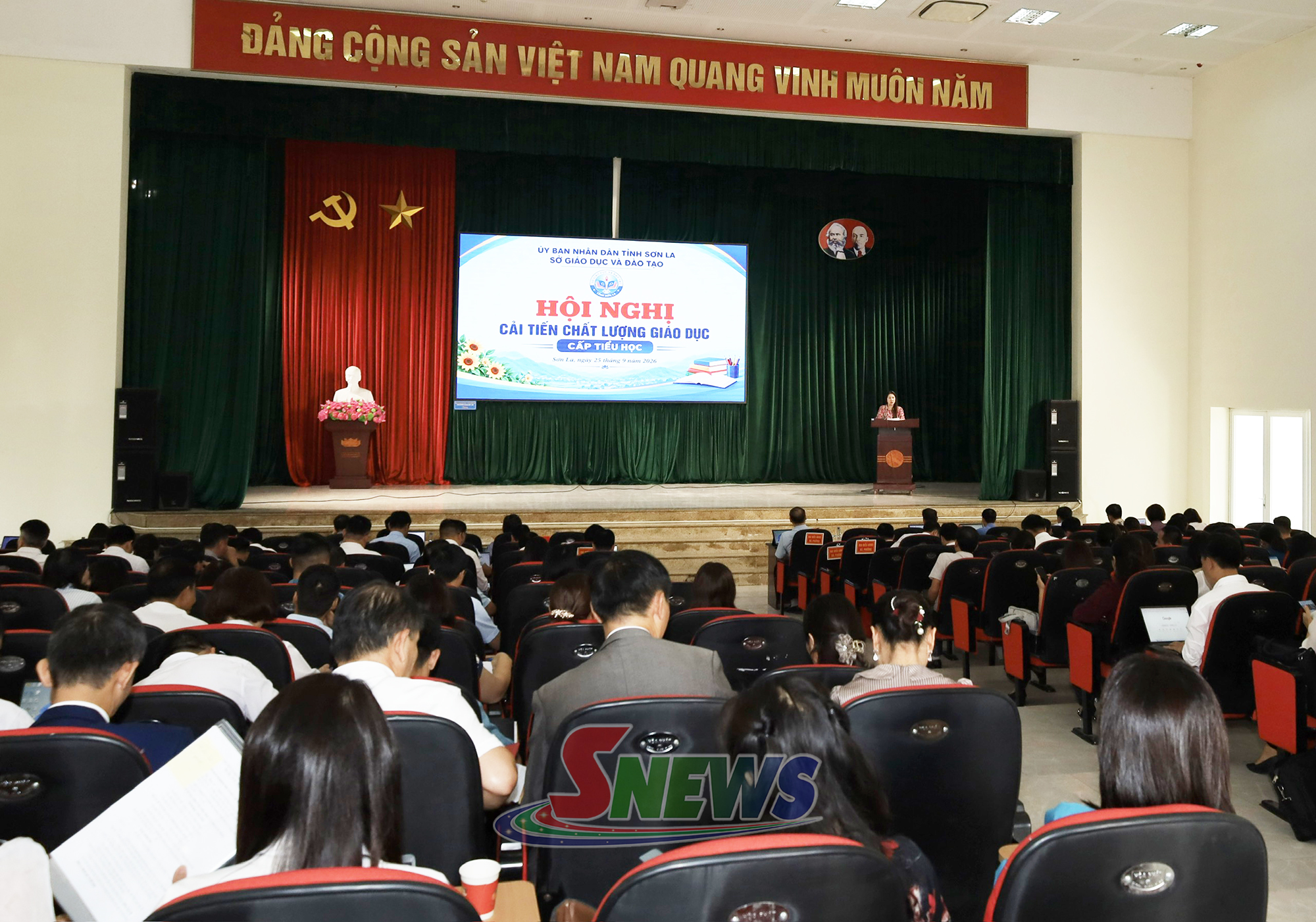
The province currently has 243 schools offering primary education, with 133,728 students. The school network basically meets learning needs, while the universalisation of primary education has continued to be maintained. The rate of primary students completing their grade-level programmes stands at 98.9%, while 99.3% complete the primary education programme.
The province has piloted AI-assisted teaching at seven schools. However, education quality remains uneven across localities, while school management, the application of information technology in teaching and the renewal of teaching methods remain limited in many areas.
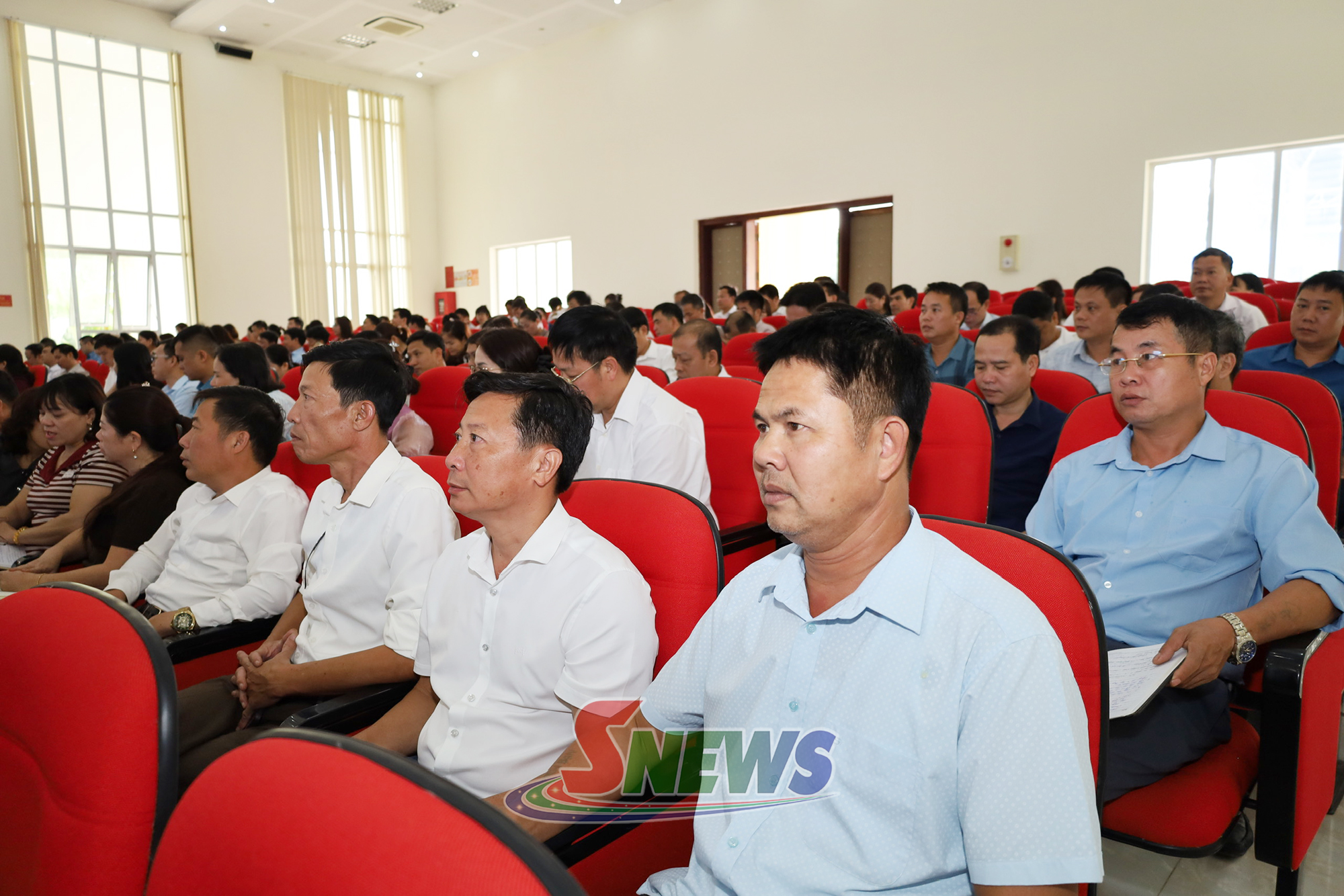
Meanwhile, Son La has 240 schools offering secondary education, with 108,589 students. In the 2025-2026 academic year, it maintained Level 2 universal secondary education standards, with 98.31% of students achieving learning results rated “Pass” or above. The results of the entrance examination for Grade 10 also showed positive improvements. However, overall education quality remains relatively low, with the average score across the three Grade-10 entrance examination subjects standing at only around 3.86 points. Significant disparities remain among schools and localities, while student assessment in some areas has yet to fully reflect actual learning outcomes.
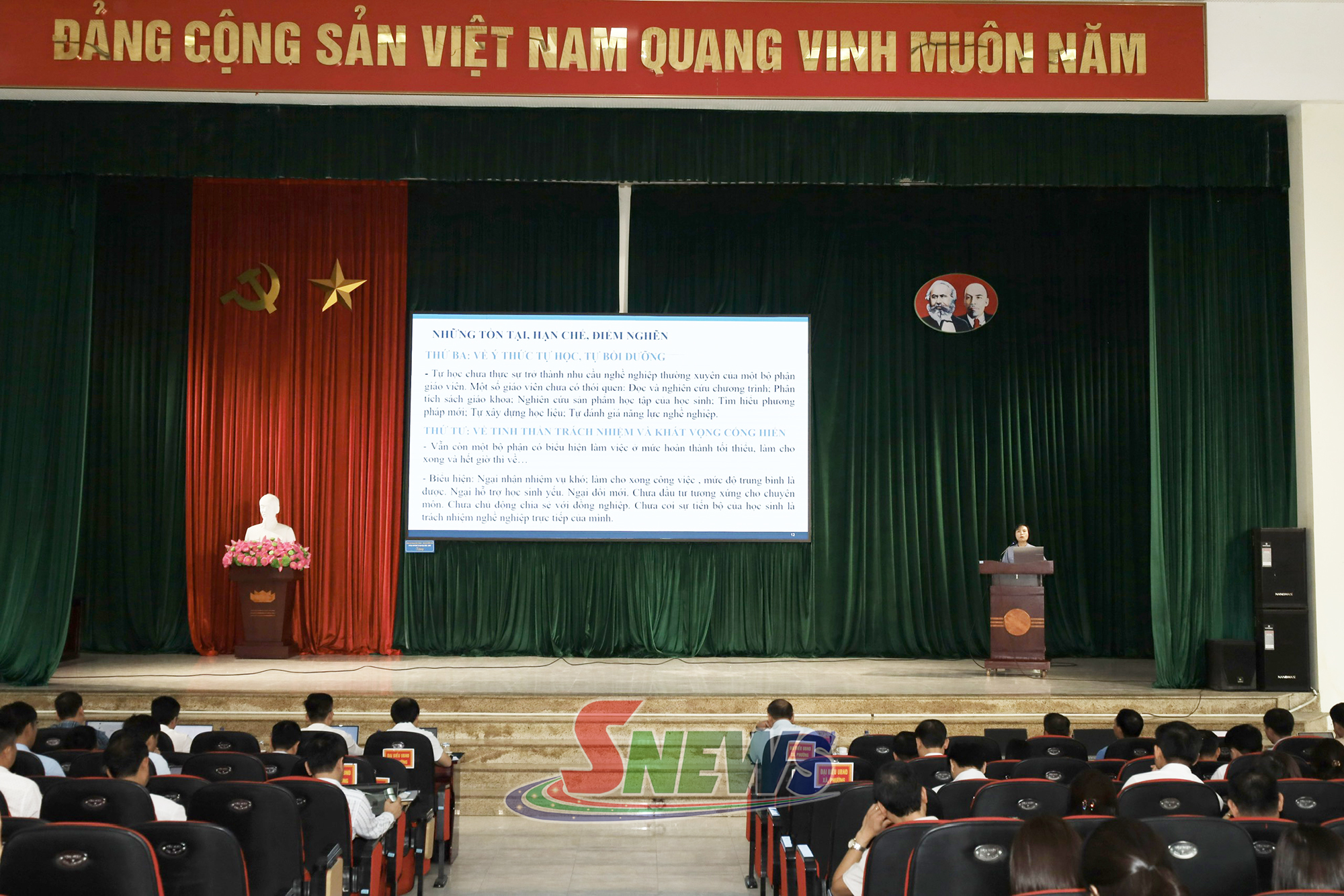
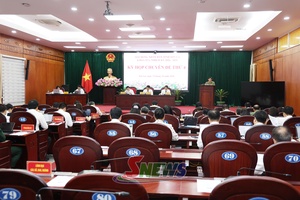
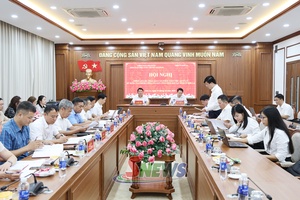
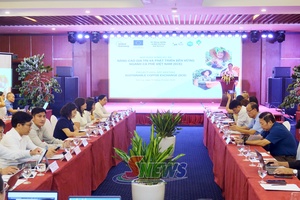
At the conference, delegates discussed the causes of shortcomings and limitations and proposed key solutions to improve the quality of primary and secondary education. These included shifting from administrative management to data-driven quality governance; categorising schools to prioritise resources for those at risk of falling behind; improving the effectiveness of professional clusters; and renewing teaching, testing and assessment methods to ensure they genuinely reflect students’ learning outcomes.
The provincial Department of Education and Training urged schools to finalise and issue their own education quality improvement plans by October 20. Local authorities and schools were urged to strengthen coordination, set realistic targets, provide timely support for underperforming students, and use students’ progress as the primary measure of educational effectiveness in the 2026-2027 academic year./.












You have 500/500 characters left
Please enter 5 or more characters!!!