


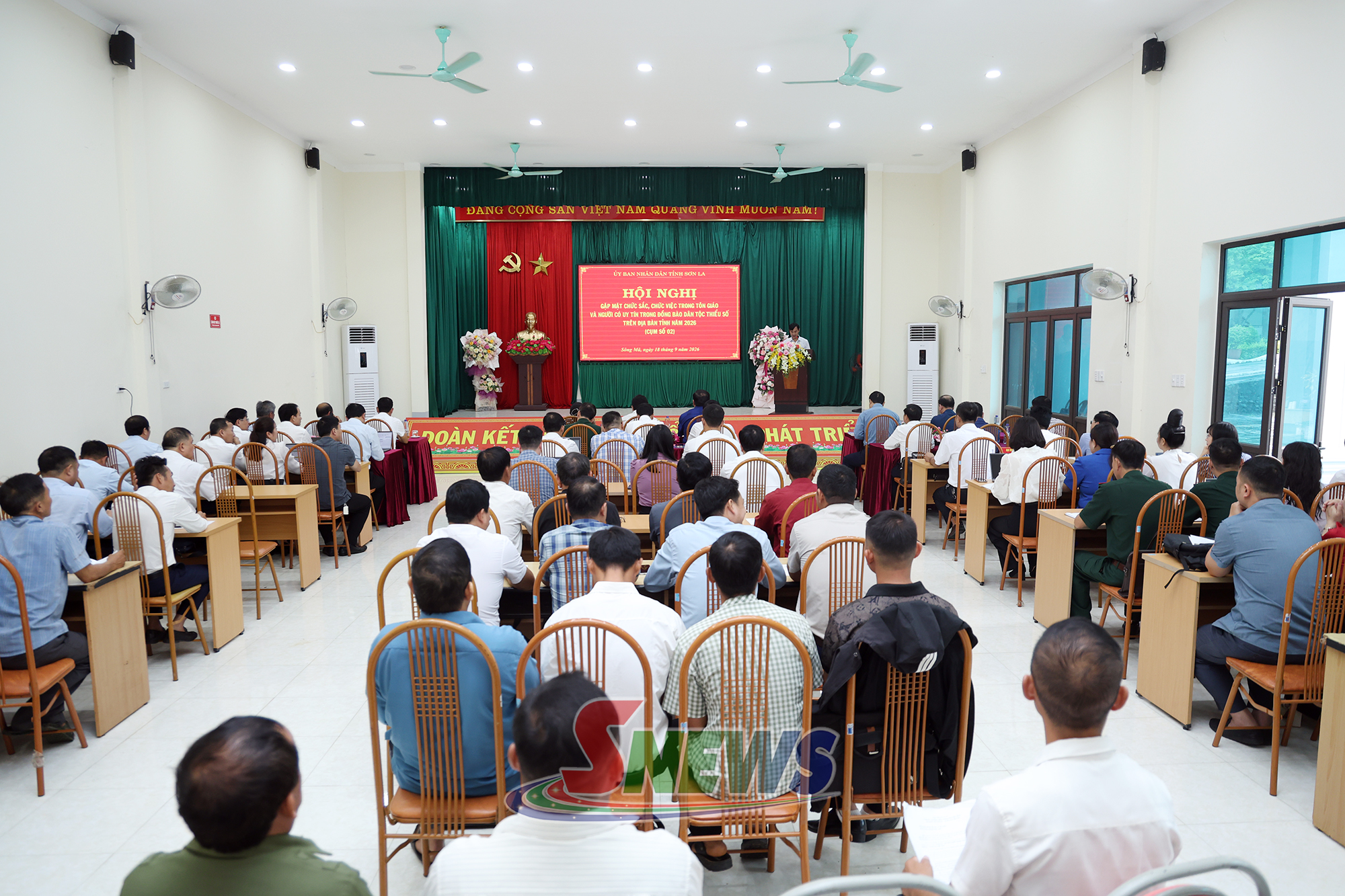
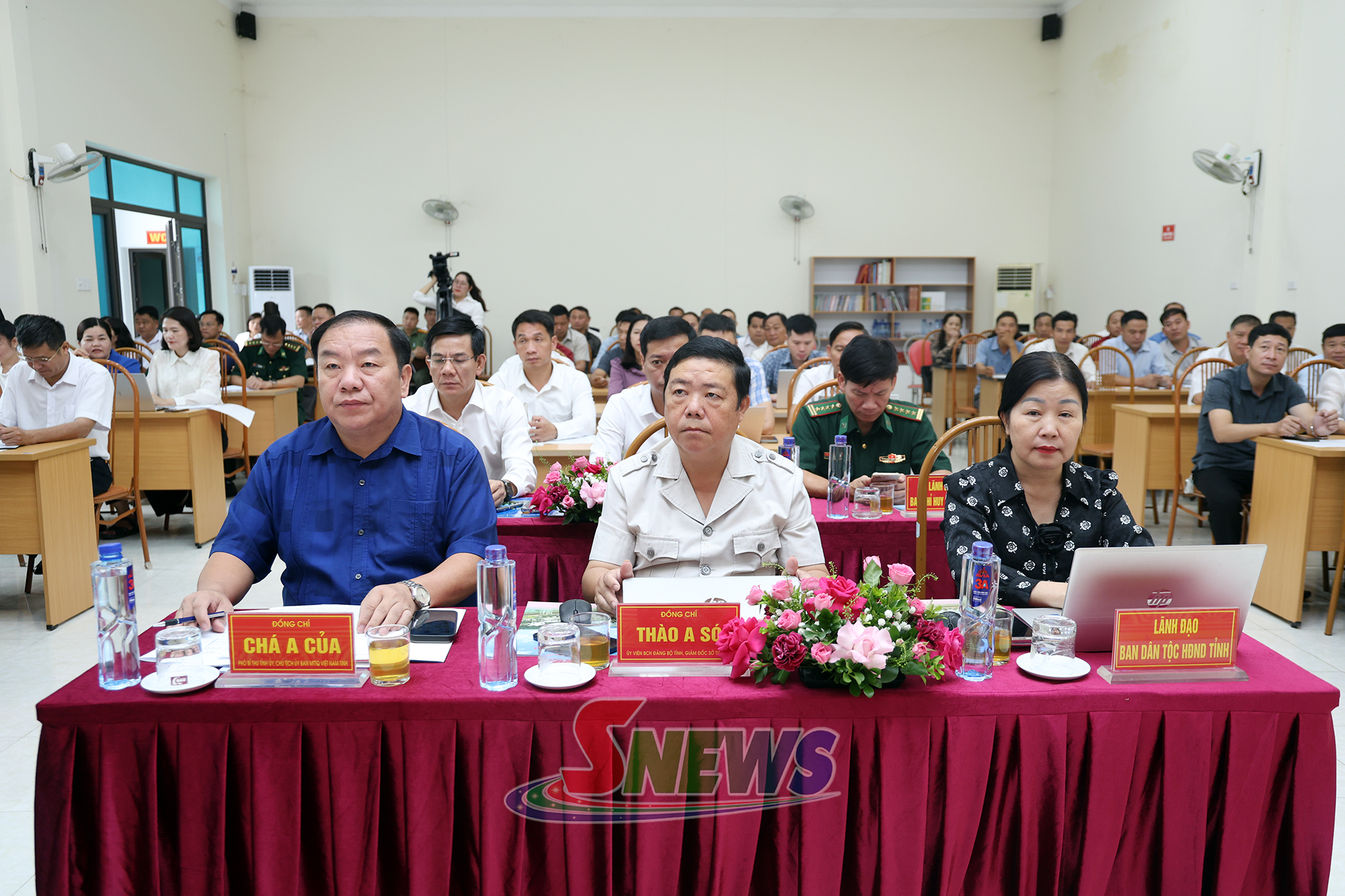
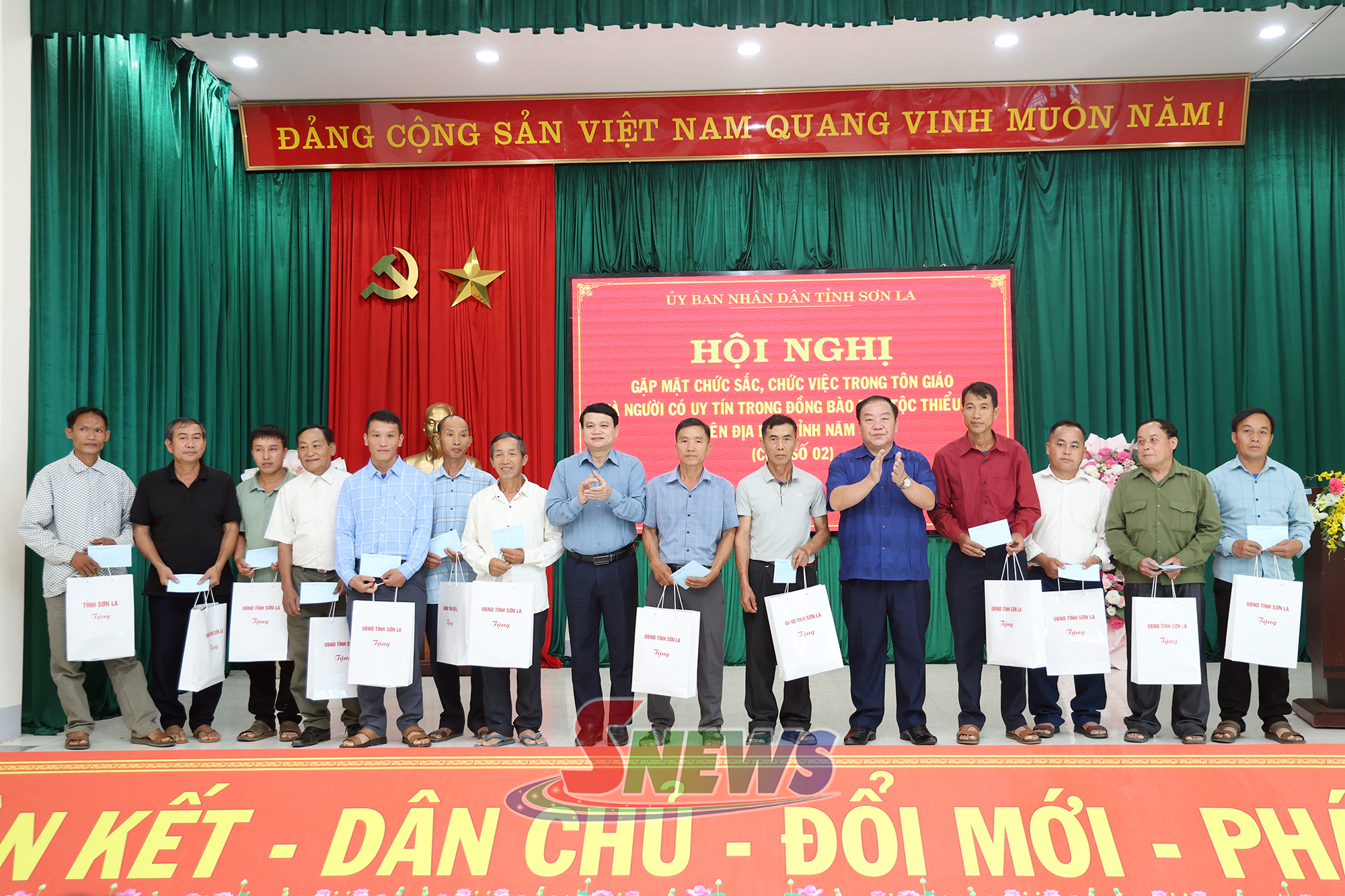
Son La province currently has 67 communes in ethnic minority and mountainous areas, 66 of which are classified as particularly disadvantaged (Area III). Cluster No. 2 comprises nine communes: Song Ma, Chieng Khuong, Chieng Khoong, Huoi Mot, Muong Lam, Chieng So, Bo Sinh, Nam Ty and Muong Hung.
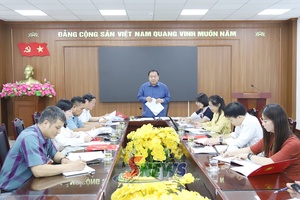
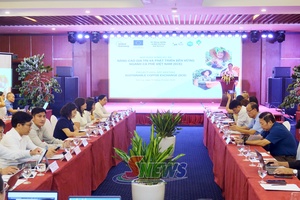
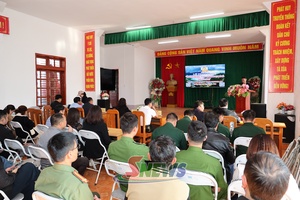
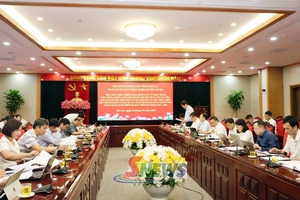
At the meeting, the Director of the Department of Ethnic and Religious Affairs briefed participants on the province’s socio-economic situation and the implementation of ethnic and religious policies, while also disseminating newly issued guidelines and policies.
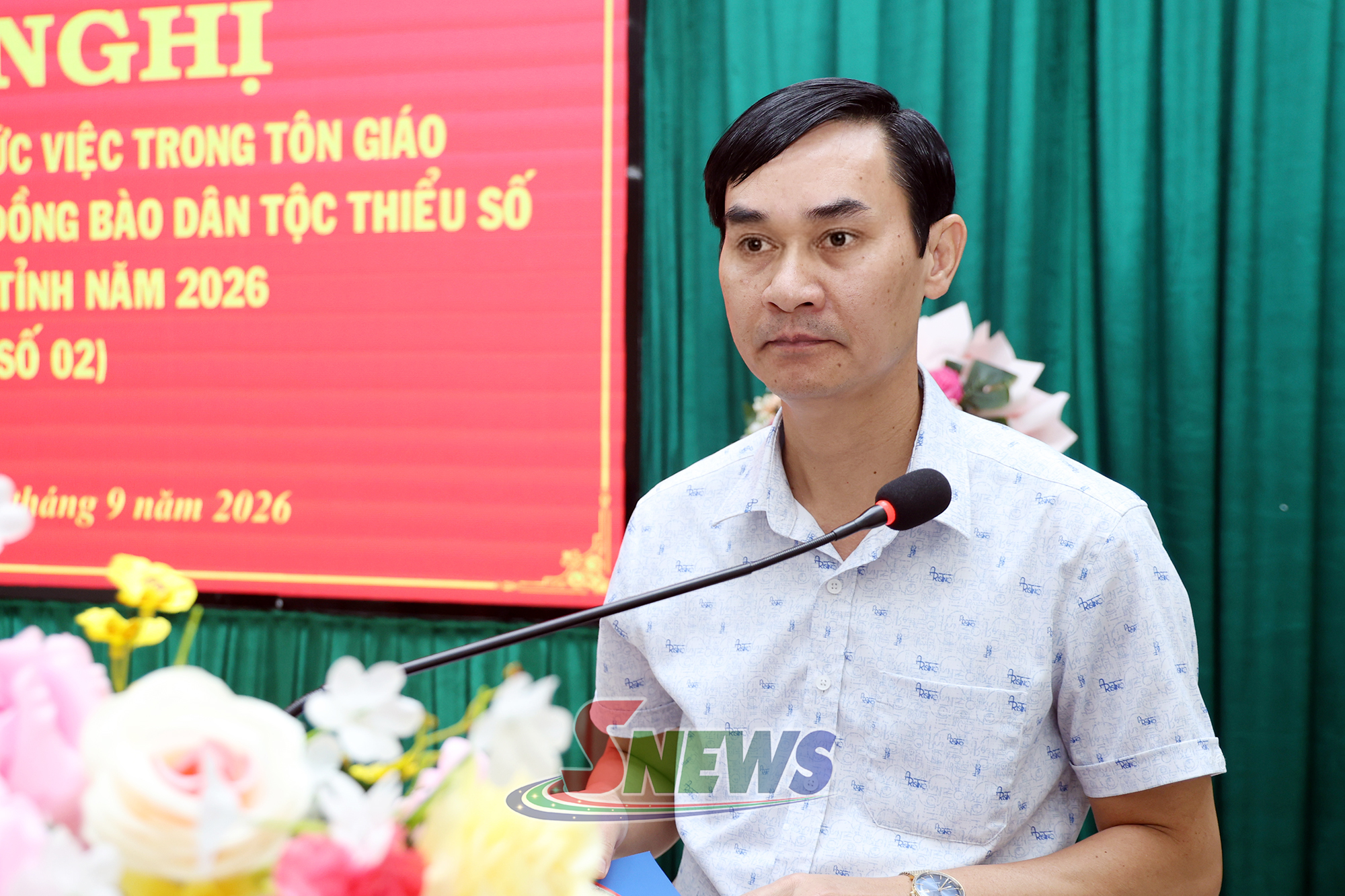
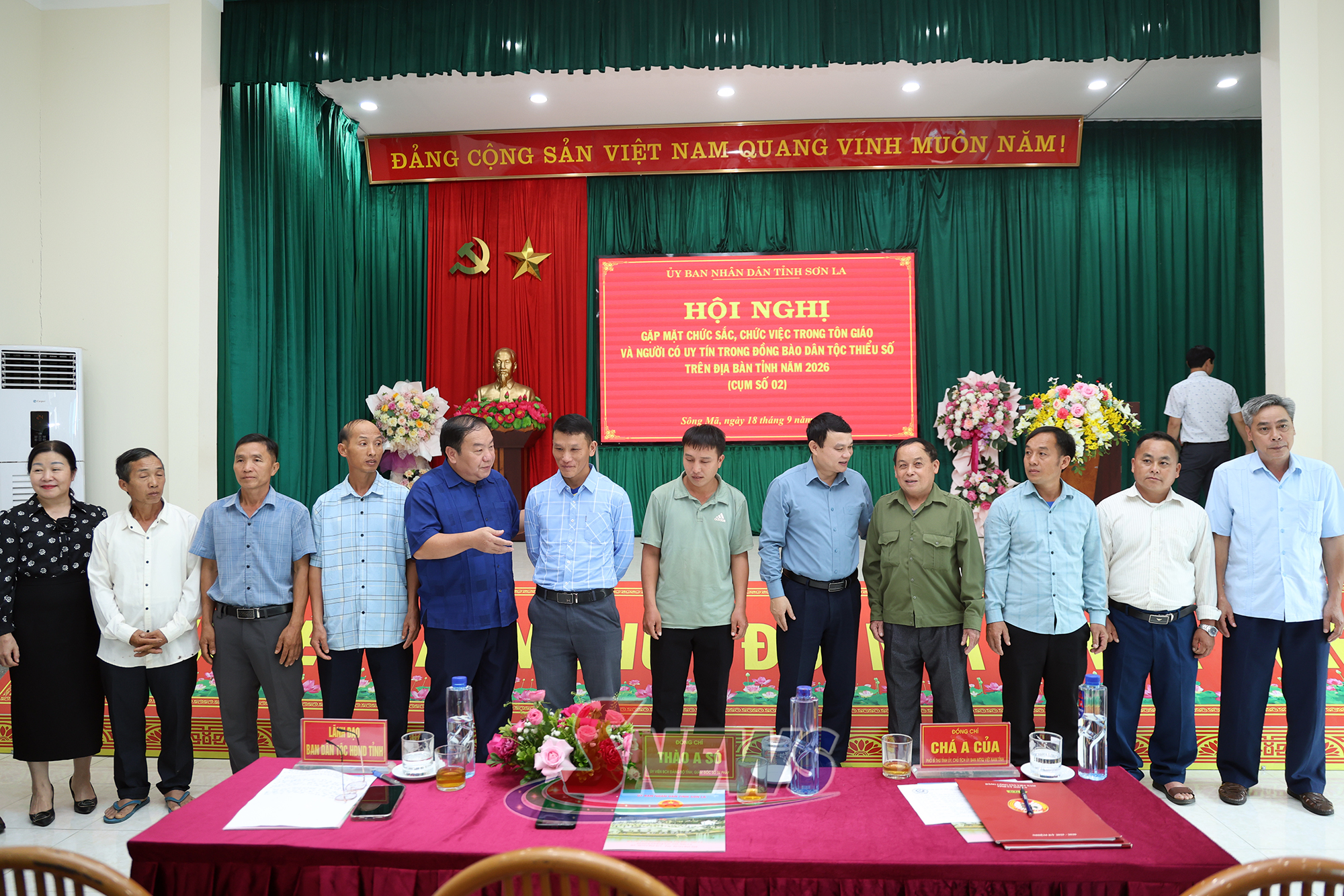
Delegates shared experience in socio-economic development, sustainable poverty reduction, new-style rural development, and the preservation of ethnic cultural identities, as well as ensuring border security and order in conjunction with religious affairs. They also offered grassroots-level proposals aimed at enhancing the effectiveness of ethnic and religious work in the new context.
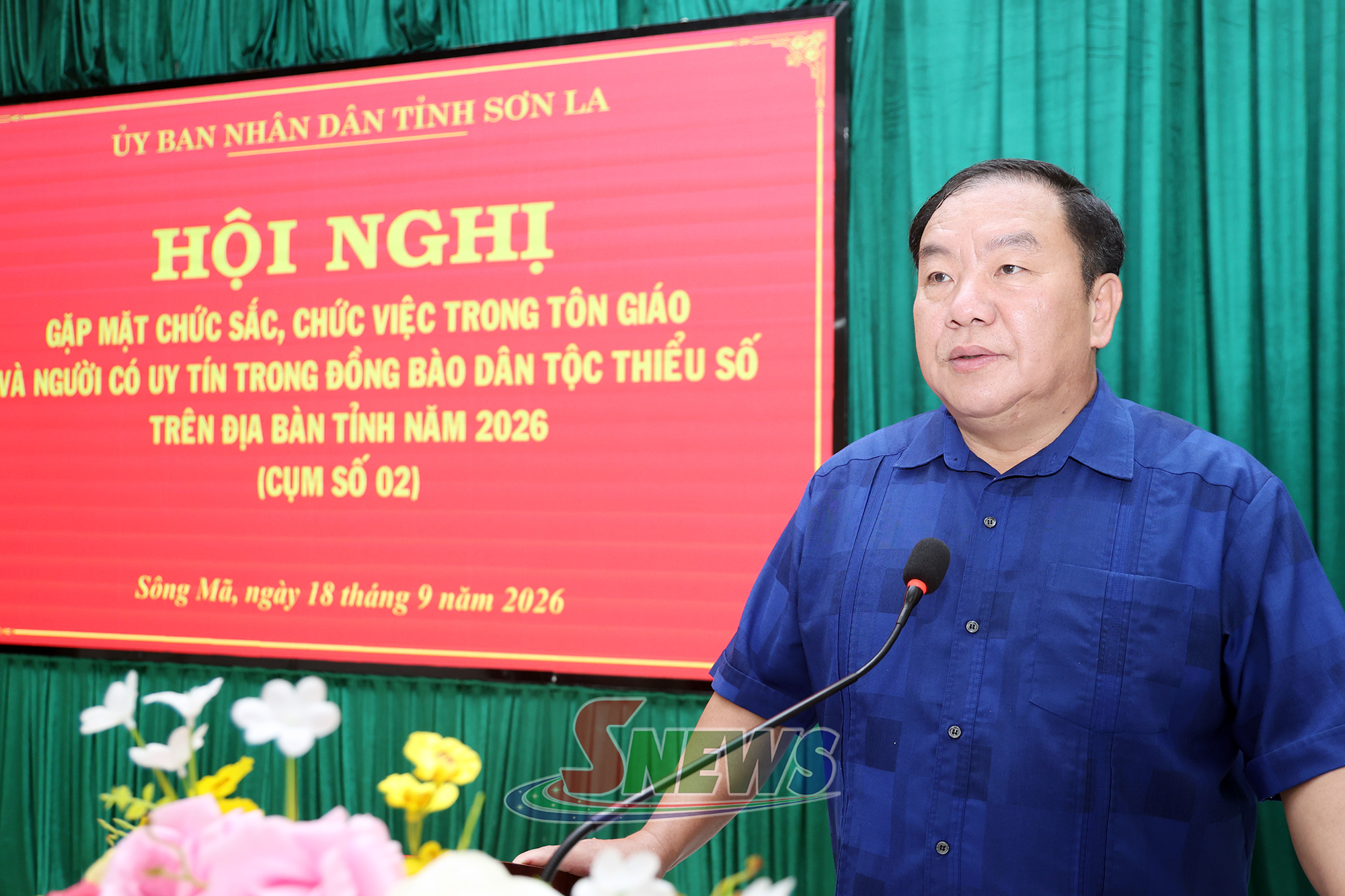
In his remarks, Cua commended the contributions made by prestigious persons from Cluster No. 2. He urged local authorities to continue strengthening the great national unity bloc and to effectively implement policies regarding ethnic groups and religions, as well as national target programmes.
He called for intensified efforts to raise public awareness of legal compliance and vigilance against attempts to exploit ethnic and religious issues; to maintain security and order in border areas; to protect the border line and markers; and to prevent and combat crime.
He emphasised the need to leverage the role of influential figures in monitoring the local situation, mobilising the public, and promptly addressing legitimate concerns and petitions at the grassroots level.
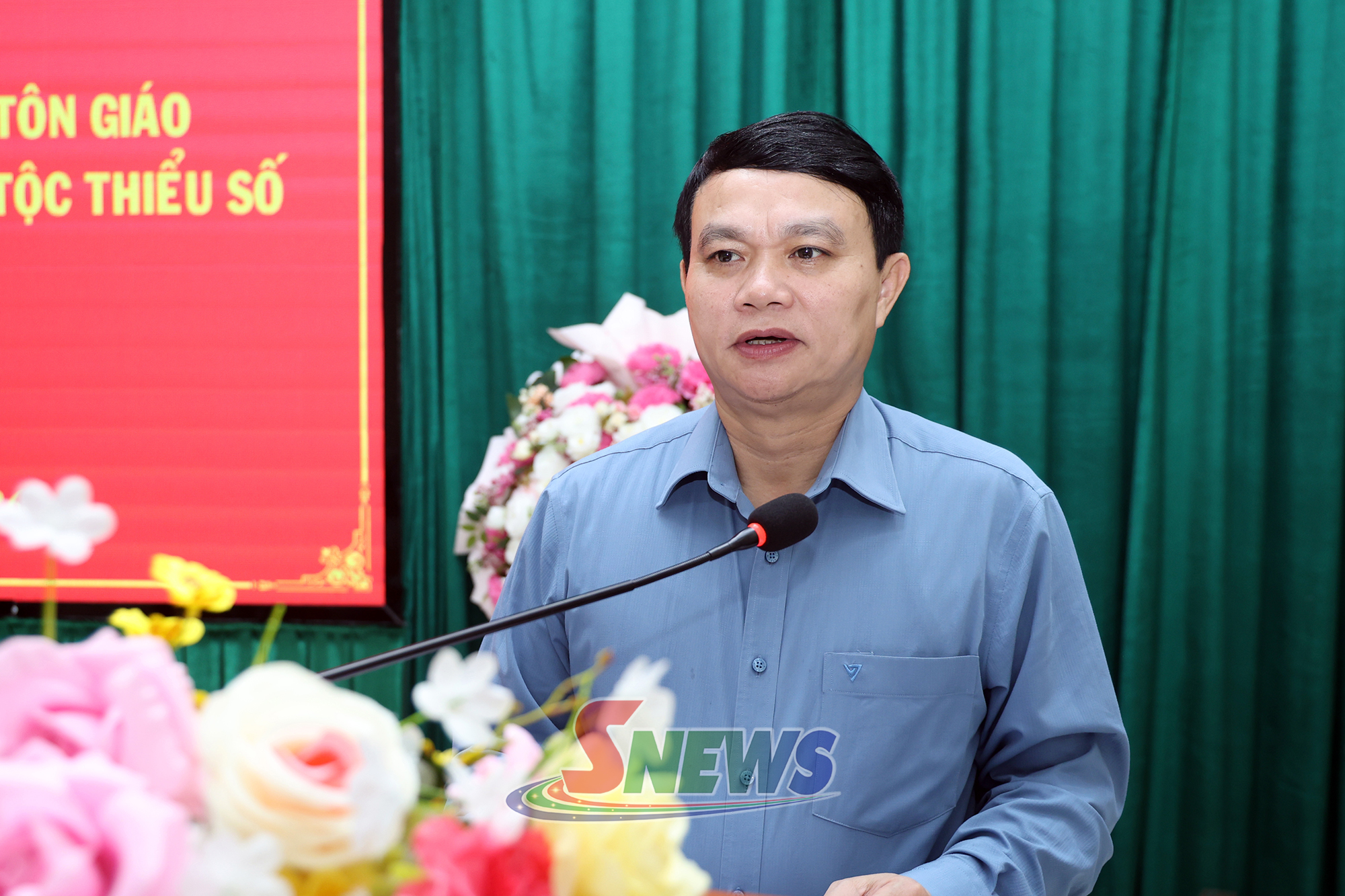
Hau affirmed that the province would translate the delegates’ recommendations into concrete measures. He also called on authorities at all levels, sectors and localities to continue leveraging the role of respected community figures and religious dignitaries in persuading ethnic minorities to remain vigilant and strengthen national solidarity; step up production, restructure crops and livestock, and pursue sustainable poverty reduction; and maintain security and public order as well as strengthen grassroots political systems in border areas.





You have 500/500 characters left
Please enter 5 or more characters!!!