
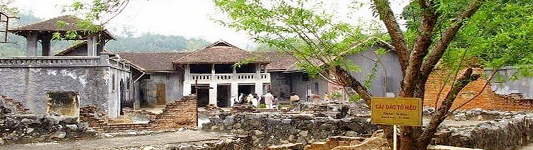
Chieng Khuong border gate to be developed into international border gate

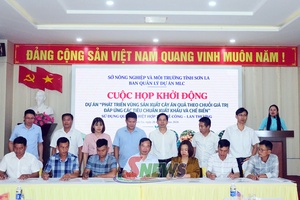
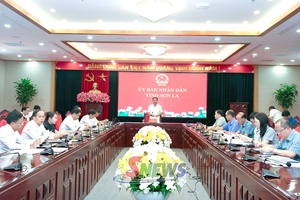
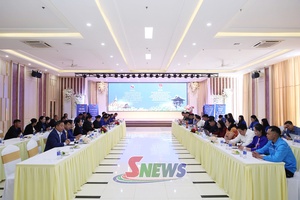
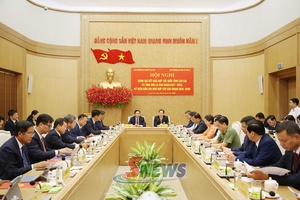
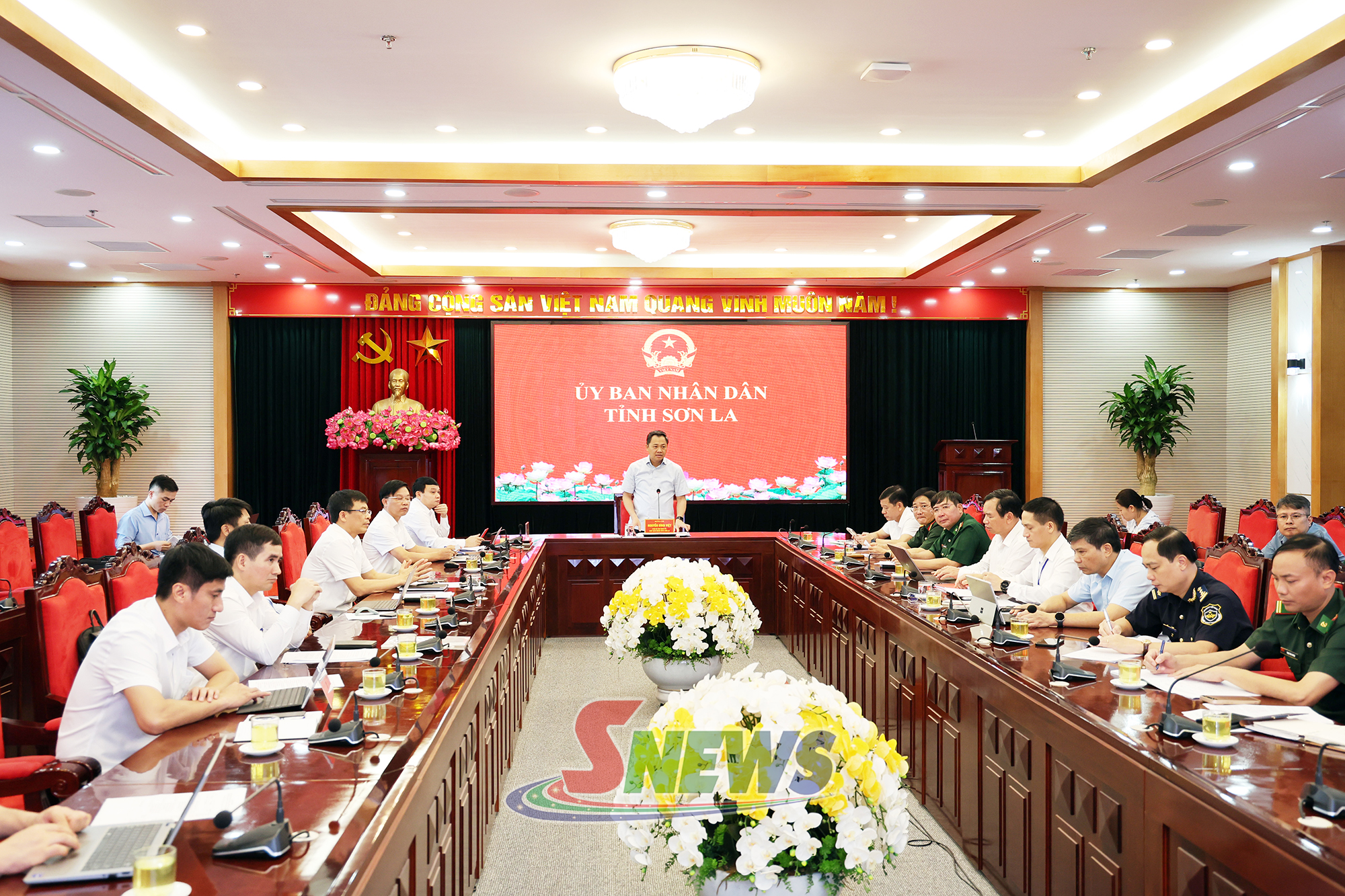
Nguyen Dinh Viet, Deputy Secretary of the provincial Party Committee and Chairman of the provincial People’s Committee, on August 11 chaired a meeting with the provincial Border Guard Command and relevant agencies on progress in preparing the detailed planning for the Chieng Khuong Main Border Gate project.

Chairman of the provincial People’s Committee Nguyen Dinh Viet chairs a meeting with the provincial Border Guard Command and relevant agencies.

The detailed planning scheme covers an area of about 19.32 hectares in Chieng Khuong hamlet, Chieng Khuong commune. Under the plan, the area will feature key facilities including a national gate combined with an integrated inspection station; offices serving border-gate operations; a vehicle parking area and cargo unloading zone; a services and commercial area; a bonded warehouse; parks and green spaces; as well as transport and technical infrastructure.
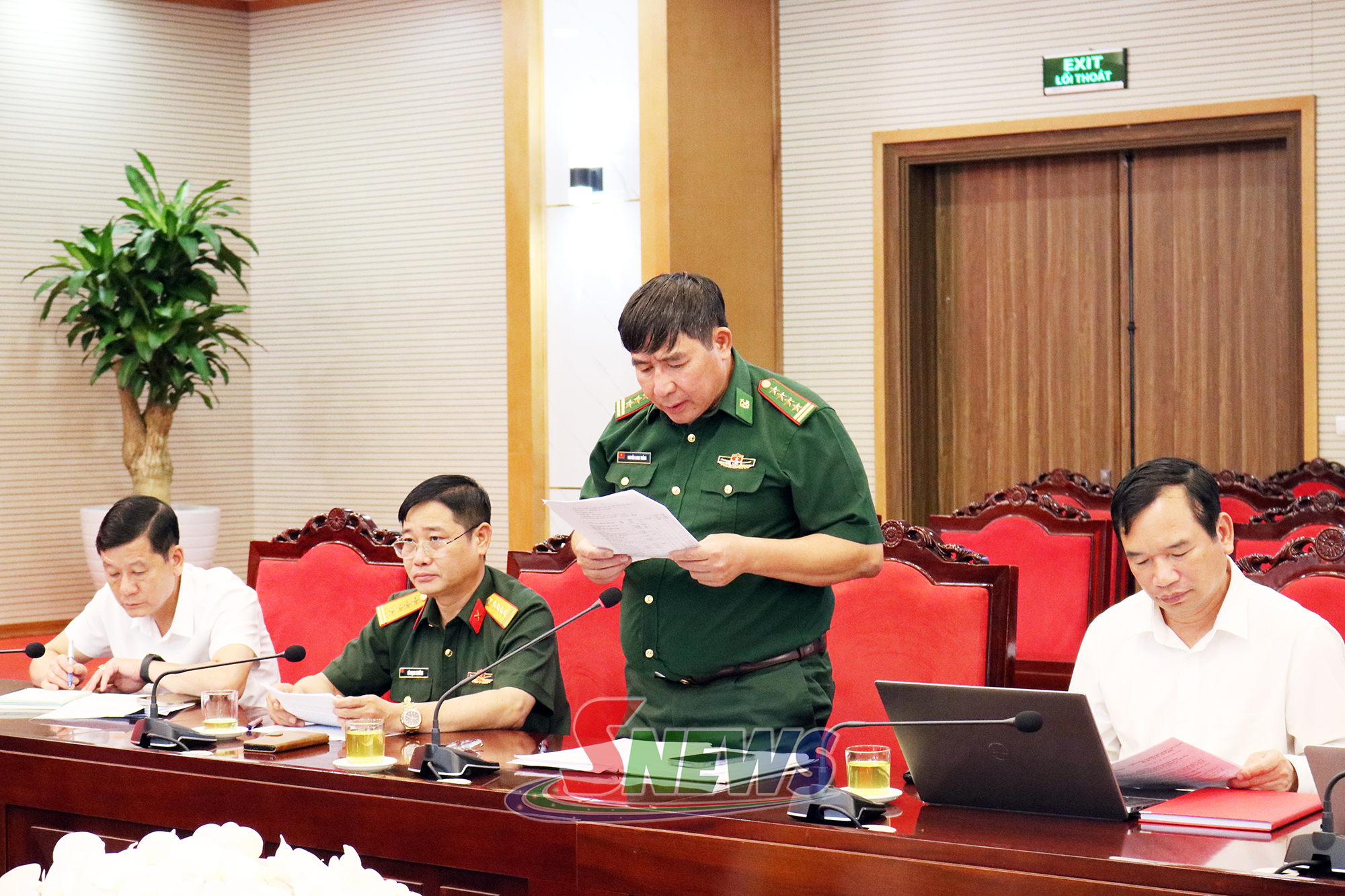
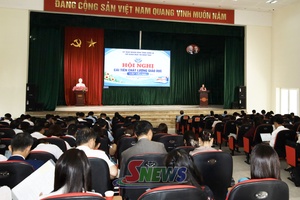
A leader of the provincial Border Guard Command reports at the meeting.

To date, the Border Guard Command, in coordination with the consulting unit, has provided explanations addressing comments from the provincial Department of Construction and the Chieng Khuong commune People’s Committee to finalise the planning scheme. Previously, it had submitted the scheme for appraisal, with the planning expected to be approved before August 31, 2026.
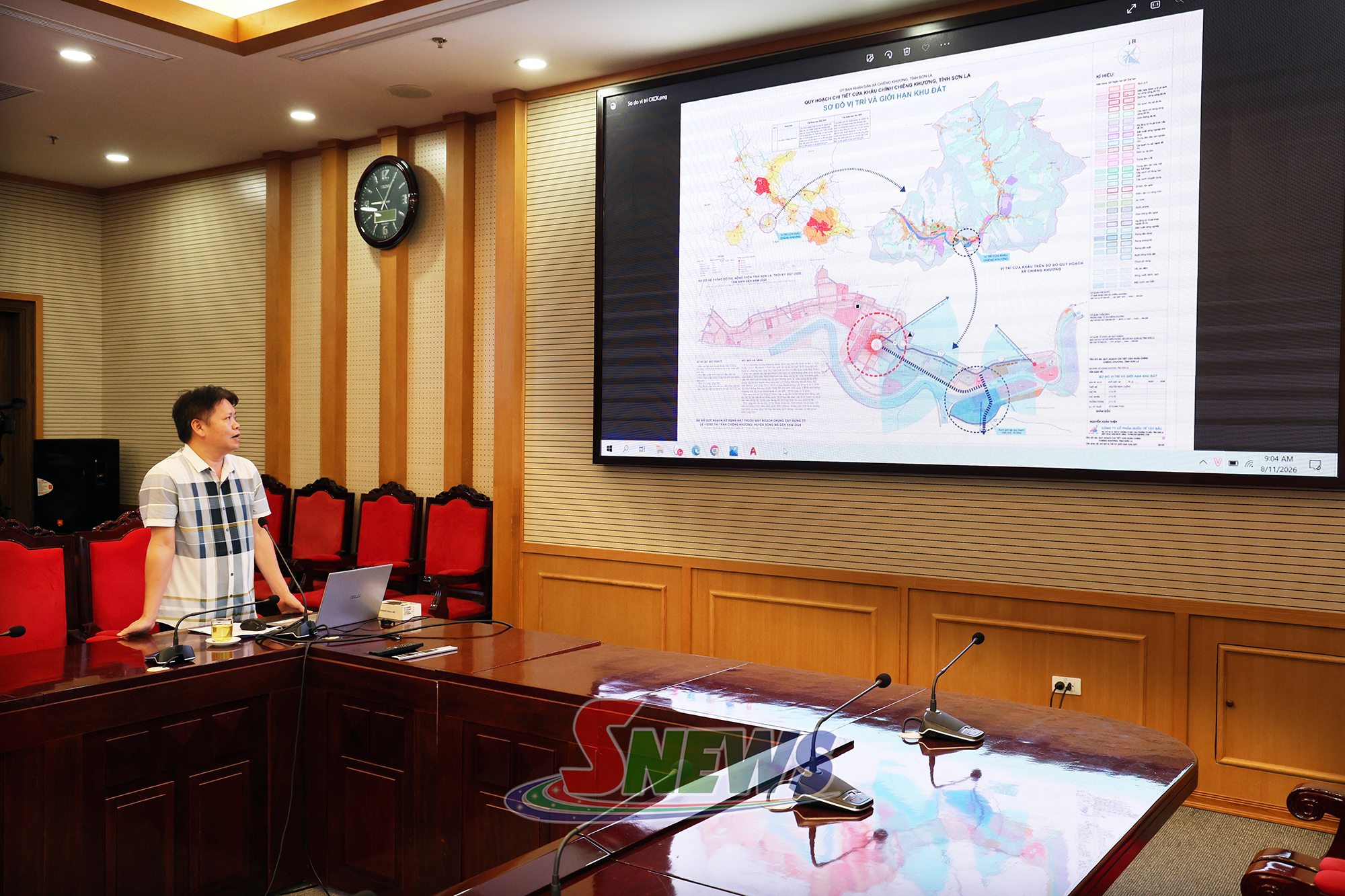
The consulting unit presents the project.

Alongside the planning work, Phase 1 of the project is expected to be implemented in 2026-2028, with total investment of about 135 billion VND (5.17 million USD) sourced from the central budget. Key components include a two-story bonded warehouse, two quarantine facilities, an office building, a transport system, site grading and technical infrastructure. The provincial Department of Finance, in coordination with the provincial Border Guard Command, is currently seeking a second round of comments from relevant agencies and units on the investment procedures.
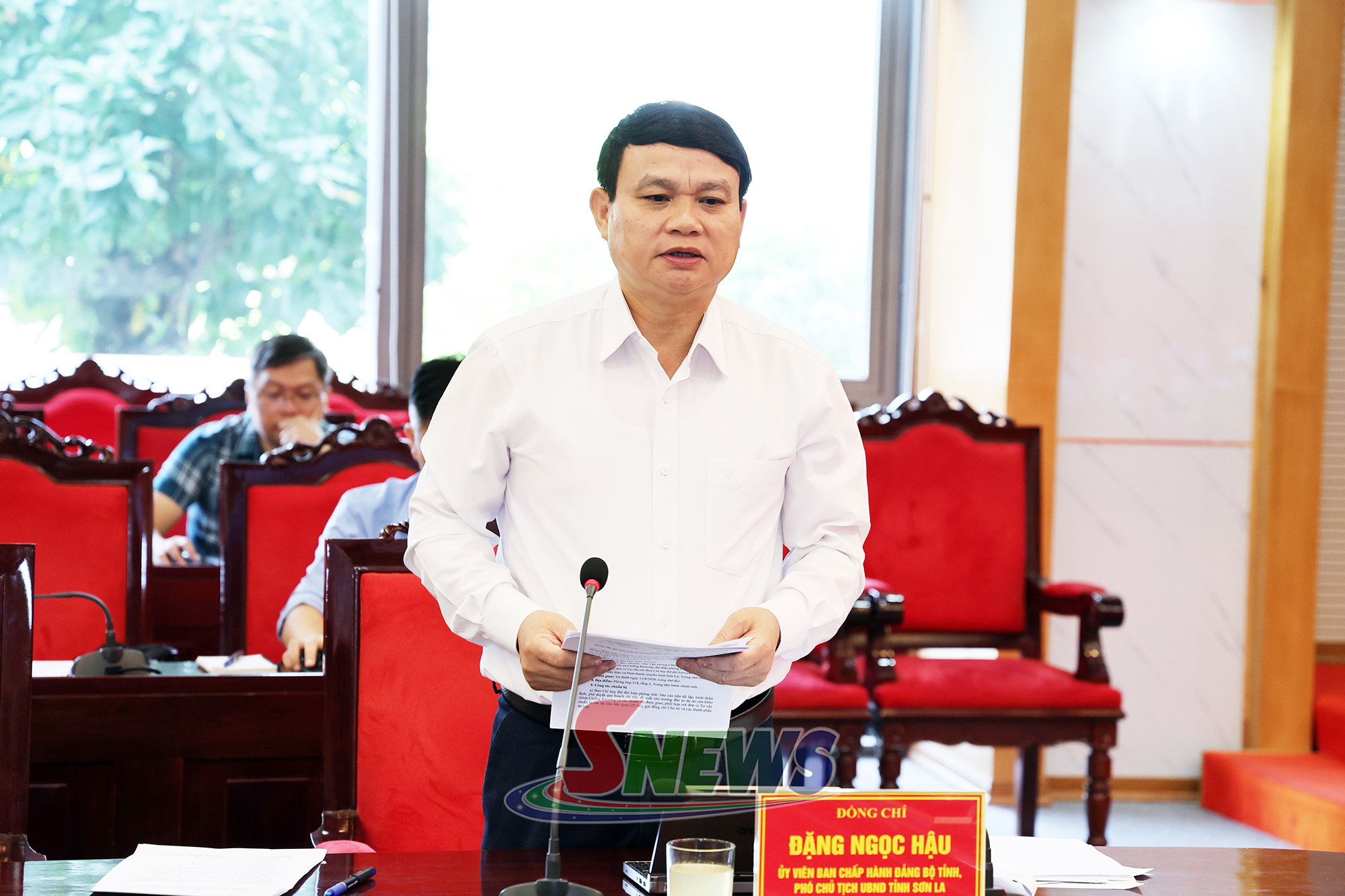
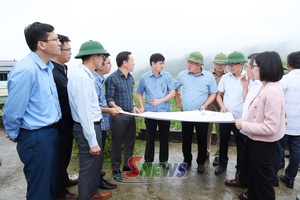
Vice Chairman of the provincial People’s Committee Dang Ngoc Hau speaks at the meeting.
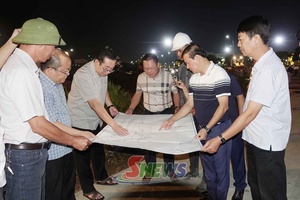
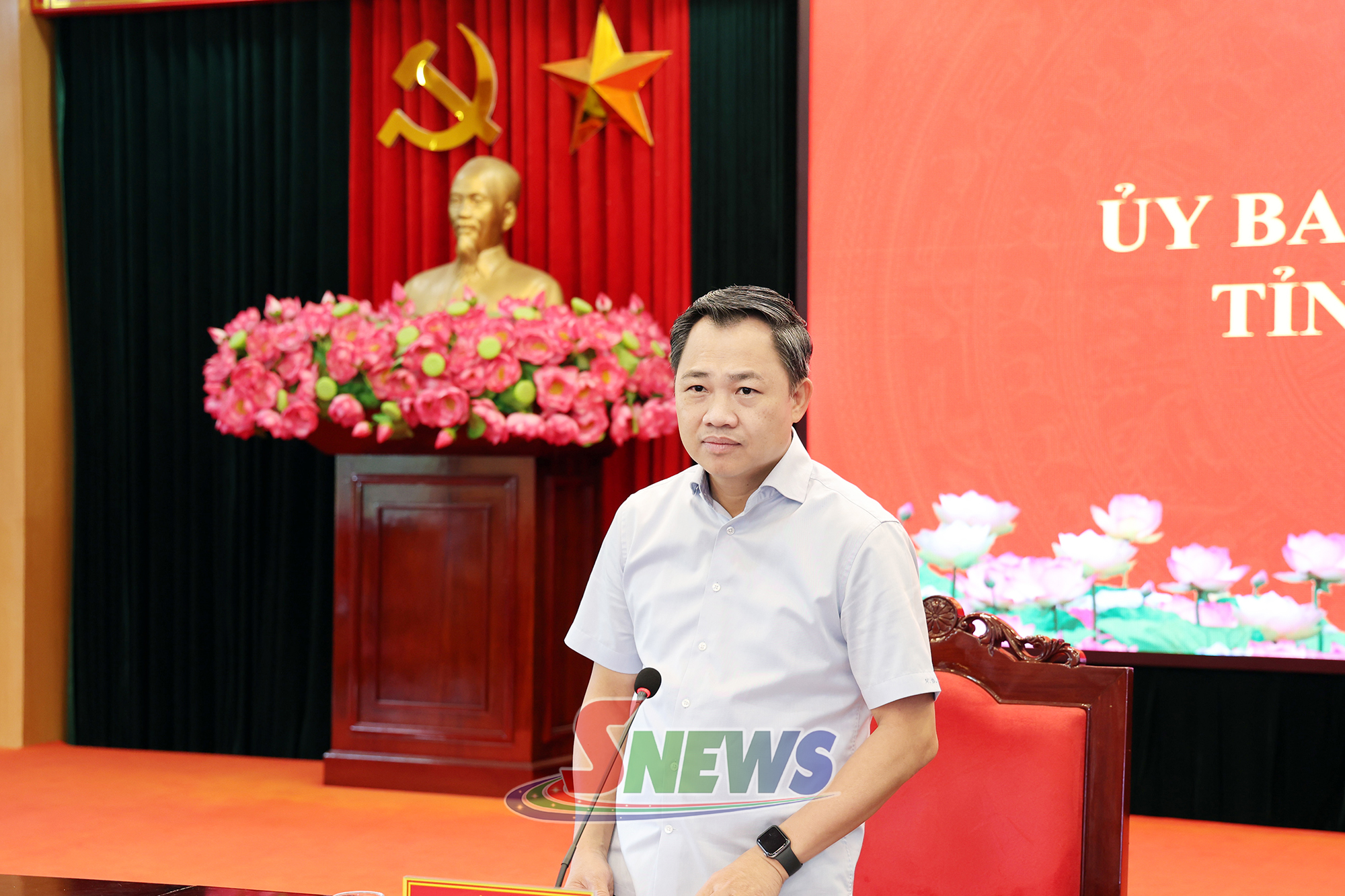
Chairman of the provincial People’s Committee Nguyen Dinh Viet speaks at the working session

Concluding the meeting, Chairman Viet asked relevant departments and agencies to continue coordinating to finalise the project and develop the planning scheme with a long-term vision and well-structured investment, aiming to turn Chieng Khuong into an international border gate with substantial trade activities with neighbouring Laos in the northwestern region. The planning should include assessments and forecasts of the volume of people, vehicles and goods in order to ensure infrastructure investment is commensurate with demand and avoid waste.

At the same time, the planning work must be aligned with socio-economic development in conjunction with national defence, security and external relations. Investment components should be prioritised, while attention should be paid to allocating locations for planned facilities and projects based on economic efficiency to attract investors. The commercial and service area should be located in a favourable position, while priority should be given to technical infrastructure options supporting the development of a smart border gate./.
Comment

You have 500/500 characters left

Please enter 5 or more characters!!!

Recent news

  • 'Tay Bac University kicks off 2026-2027 academic year

    Tay Bac University kicks off 2026-2027 academic year

    NEWS - POLITICS -
    Amid the nationwide "back to school" atmosphere, the Tay Bac University held its opening ceremony for the 2026-2027 academic year on the morning of September 5. The event was attended by Lo Minh Hung, Standing Deputy Secretary of the provincial Party Committee and Chairman of the provincial People's Council, along with representatives of provincial departments and agencies.
  • 'Phu Yen puts on a new look for Independence Day

    Phu Yen puts on a new look for Independence Day

    SOCIETY -
    In celebration of the 81st anniversary of the August Revolution (August 19, 1945–2026) and National Day (September 2, 1945–2026), Phu Yen commune has spruced up its streets and public spaces, giving the locality a bright new look.
  • 'Culture and tourism camps showcase local heritage

    Culture and tourism camps showcase local heritage

    CULTURE -
    As part of Moc Chau Culture and Tourism Week 2026, an ethnic cultural and tourism camp area was held on August 31 at May 8 Square in Moc Chau Ward, bringing together eight communes and wards from the Moc Chau National Tourism Area and five from other parts of the province: Quynh Nhai, Ngoc Chien, Muong Chanh, Ta Xua and Binh Thuan.
  • 'Ethnic cultures take centre stage in Moc Chau plateau

    Ethnic cultures take centre stage in Moc Chau plateau

    CULTURE -
    Cultural and tourism camps showcasing the traditions of 12 ethnic groups in Son La province have become a major attraction during the Moc Chau Culture and Tourism Week 2026, offering visitors an immersive glimpse into the diverse cultural heritage of Vietnam's northwest.
  • 'Son La youth accelerate digital transformation

    Son La youth accelerate digital transformation

    SOCIETY -
    With their youthful energy, pioneering spirit, creativity and technological agility, young people in Son La province are gradually asserting their pivotal role in the province’s digital transformation journey. Through concrete projects and initiatives, members of the provincial Youth Union and young people are not only integrating technology into youth union activities but also helping spread digital skills and expand residents’ access to digital services, contributing to the development of a digital society across the province.
  • 'Son La schools ready for new academic year

    Son La schools ready for new academic year

    SOCIETY -
    As the new school year approaches, educational institutions across Son La province are rushing to complete the final preparations to welcome more than 370,000 students back to school. Preparations for facilities, teaching staff and other conditions for teaching and learning have largely been completed, laying a solid foundation for schools to establish routines and effectively carry out the academic year’s tasks from the very beginning.