



According to the approved planning, the CT.03 expressway section in Son La province is proposed to be built as a four-lane expressway with a 22m-wide roadbed and a design speed of 80 km/h. The route is approximately 179.5 km long and passes through 18 communes and wards. It begins at Km85+300, where it connects with National Highway 43 in Van Son ward, linking to the endpoint of the Hoa Binh – Moc Chau Expressway project within Son La province.
The route ends at Km264+800, near the boundary between Muong Bam commune (Son La province) and Muong Lan commune (Dien Bien province), where it will connect with the Son La – Dien Bien – Tay Trang Border Gate Expressway project in Dien Bien province.
The project's preliminary total investment is estimated at 63.12 trillion VND (3.4 billion USD), including over 8.62 trillion VND for compensation and resettlement support.
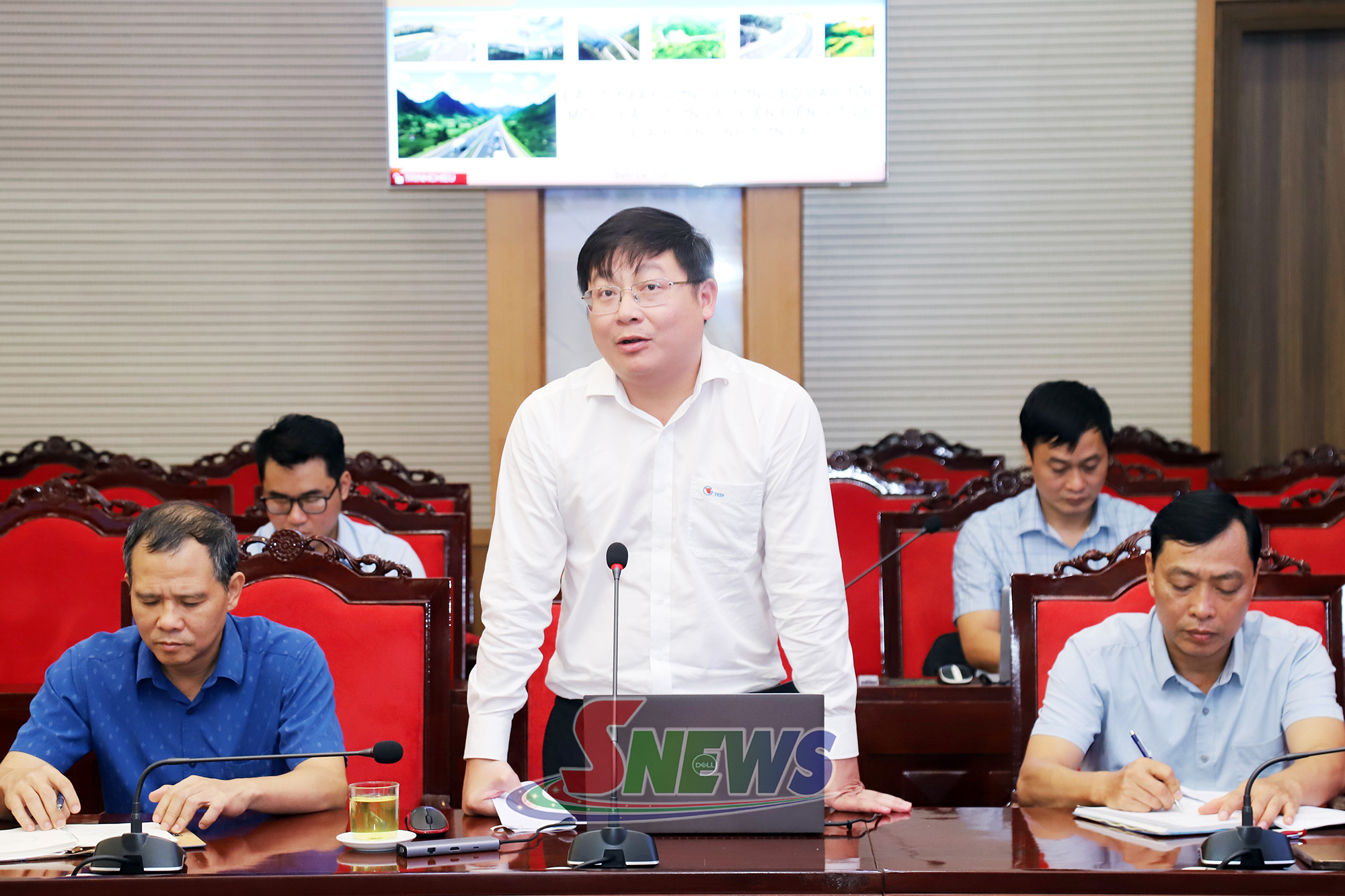
According to the pre-feasibility study, the route will pass through 18 communes and wards, requiring the acquisition of about 2,230 hectares of land and affecting around 1,045 households. Of these, about 920 households in 13 communes and wards will require relocation to centralised resettlement areas. To date, local authorities have largely identified 28 resettlement sites across the 13 affected communes and wards. The communes of Doan Ket, Chieng Mung, Muong E, Muong Bam, and Chieng Coi ward will arrange either in-place or combined resettlement areas.
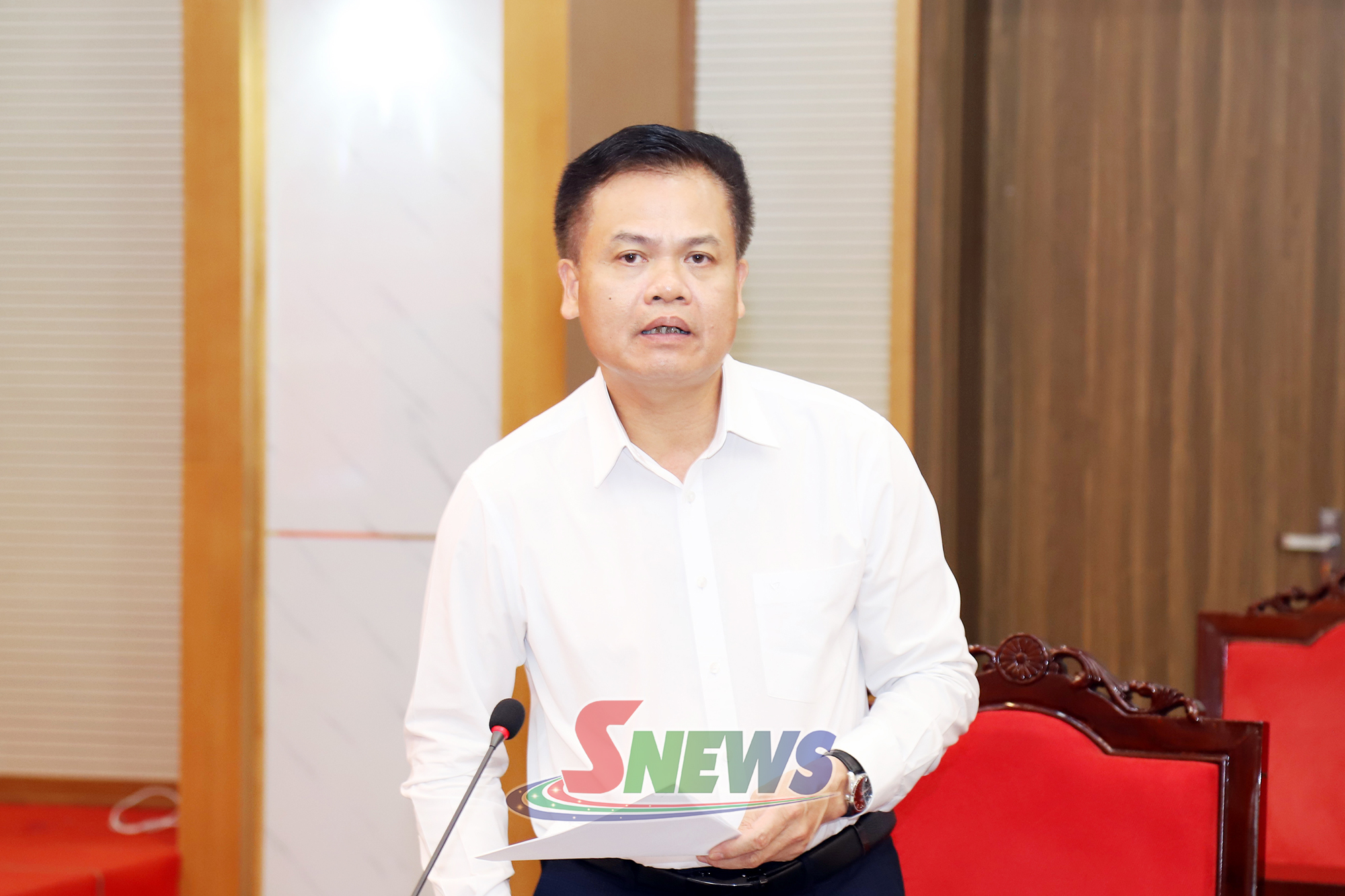
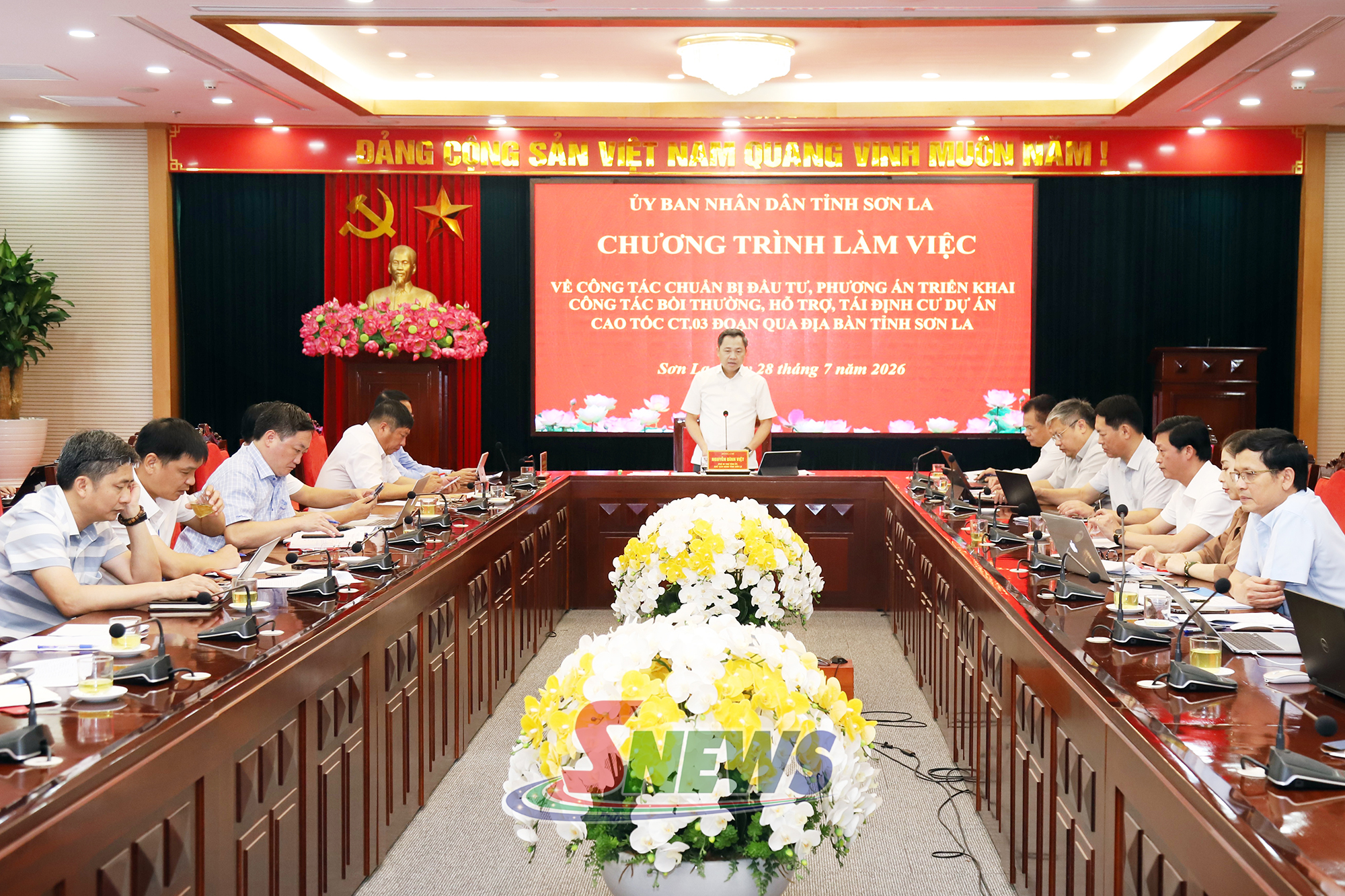
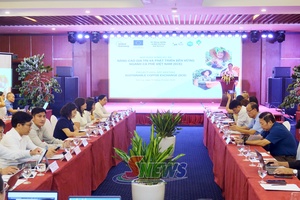
During the meeting, participants focused on discussing the plan for site clearance along the entire CT.03 Expressway corridor; organisational models for carrying out compensation, support, resettlement, and land clearance activities; financing arrangements to ensure timely implementation of compensation, support, and resettlement; and options for zoning off resettlement areas and sites.
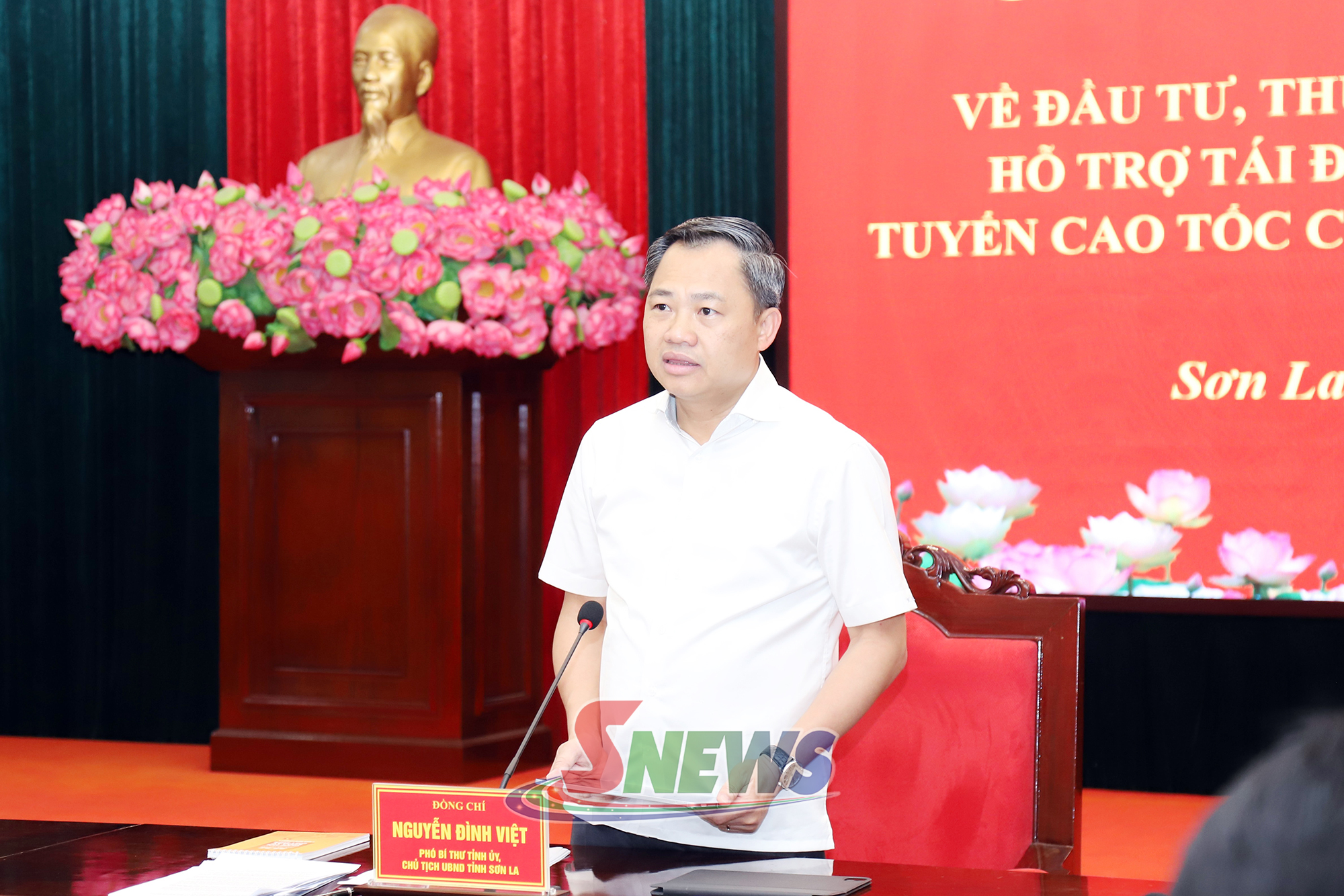
Concluding the meeting, Chairman Viet instructed local authorities to urgently develop detailed implementation plans for each section of the route, with clear timelines and responsibilities. He also called for the establishment of special task forces led directly by commune-level People's Committee leaders to oversee site clearance, conduct direct dialogue with affected residents, and promptly resolve issues at the grassroots level.
Provincial departments and agencies were instructed to strengthen coordination with local authorities to address outstanding issues related to land administration, compensation, resettlement, land-use conversion, and the relocation of technical infrastructure.
They were also directed to strictly manage land use and construction activities within areas designated for clearance and to promptly report matters beyond their authority to the provincial People's Committee for timely resolution./.











You have 500/500 characters left
Please enter 5 or more characters!!!