

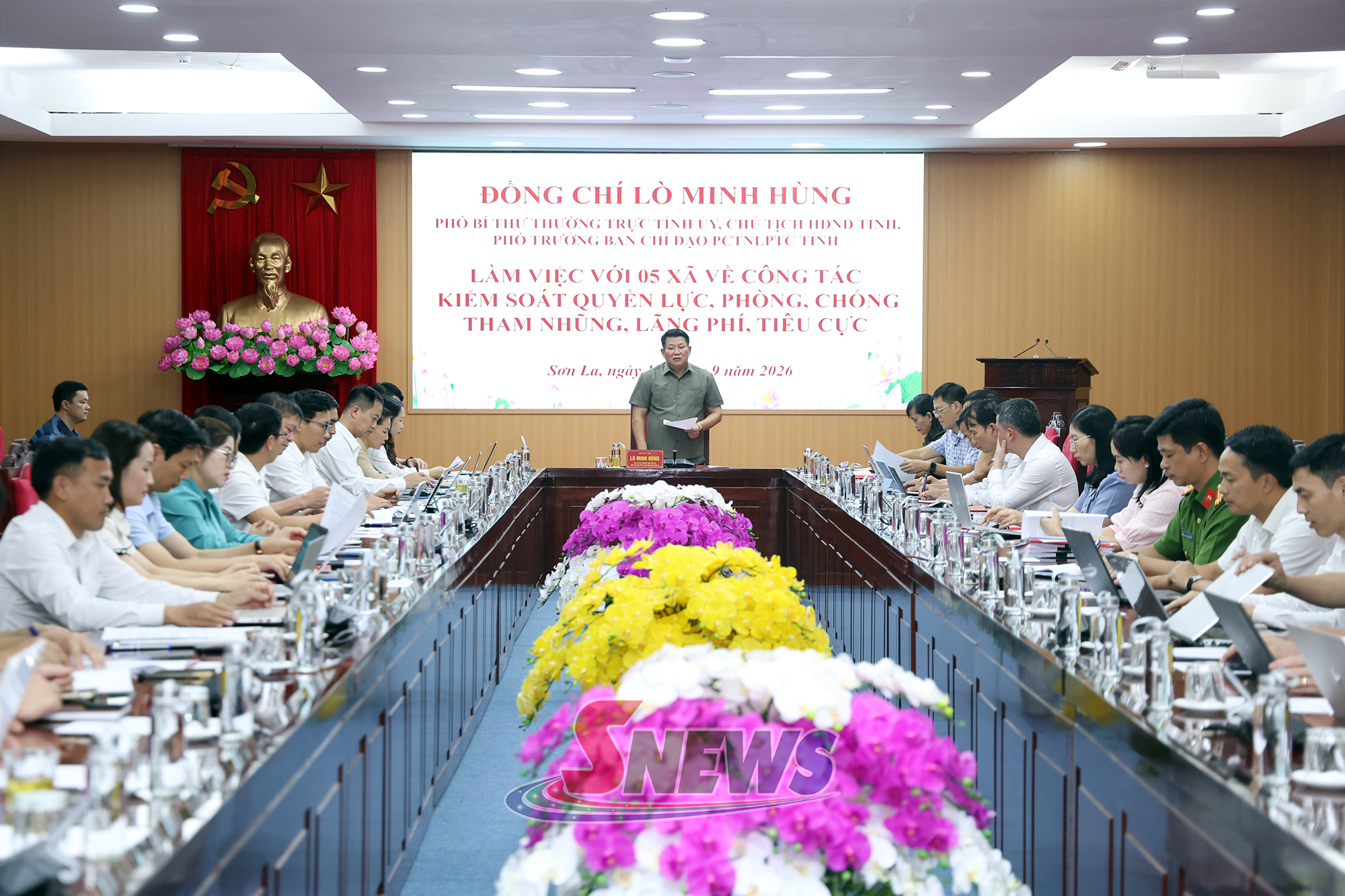
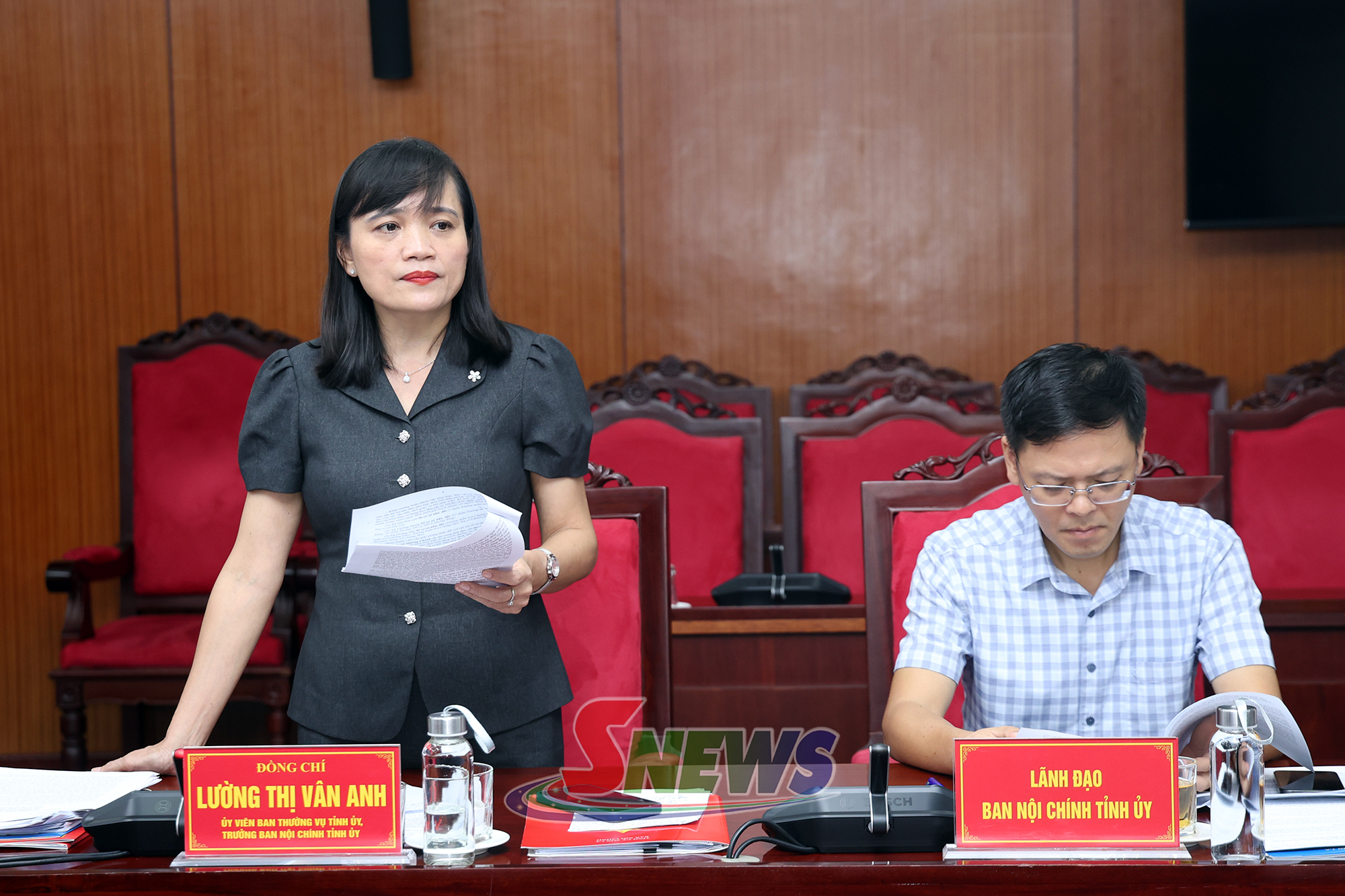
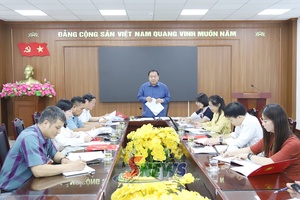
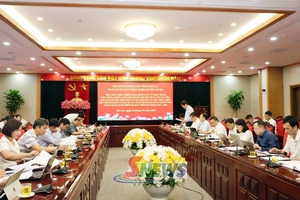
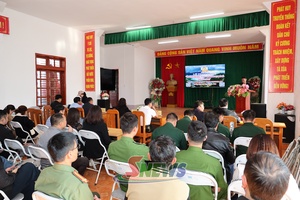
Attending the event were Luong Thi Van Anh, Member of the Standing Board of the provincial Party Committee, Chairwoman of the provincial Party Committee’s Board for Internal Affairs; leaders and specialists of the commission and the provincial Party Committee Office; and members of the Standing Boards of the Party Committees of the five communes.
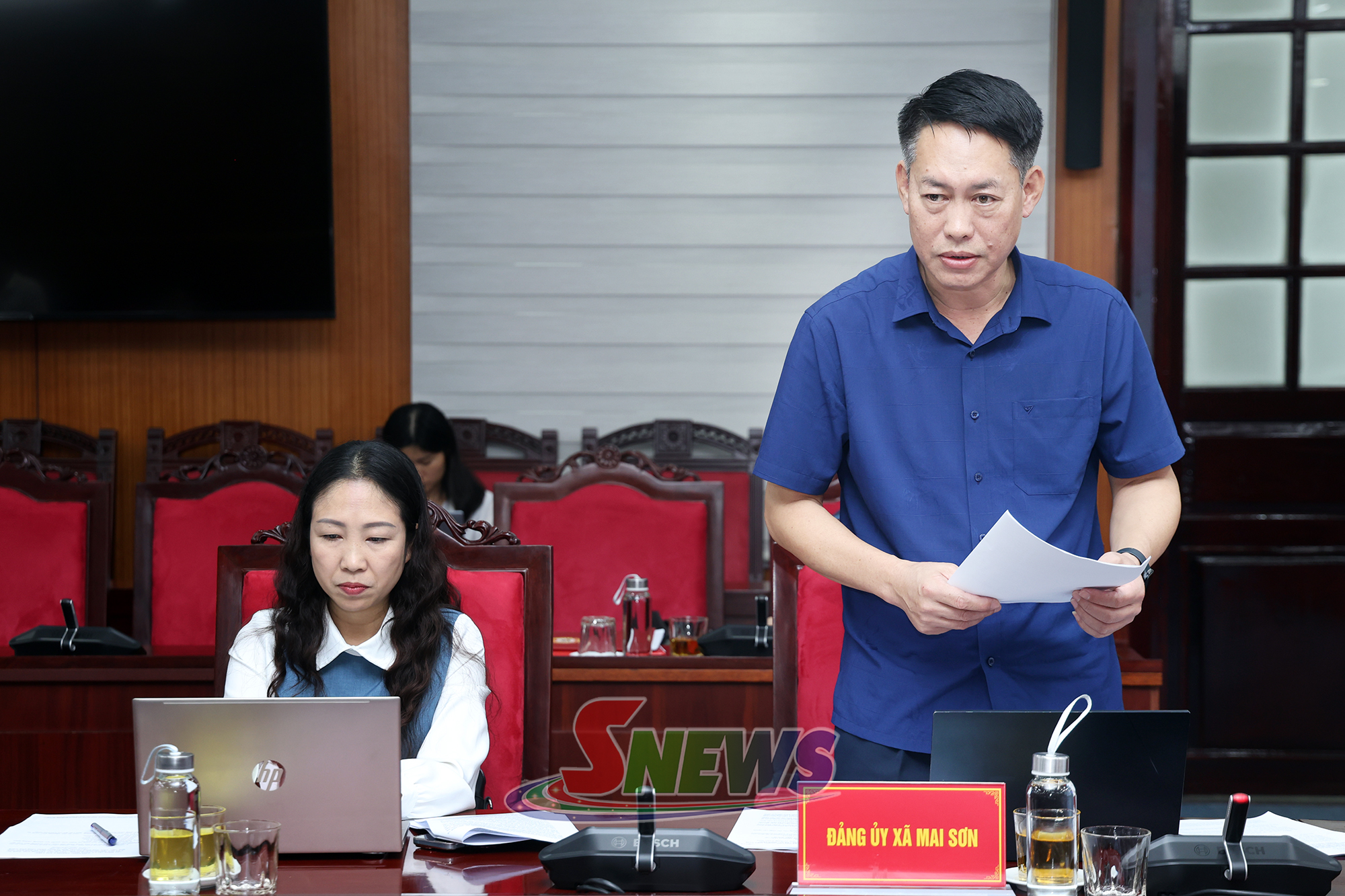
At the working session, leaders of the communes reported on their performance in preventing and combating corruption, wastefulness and other negative practices in the third quarter and the first nine months of 2026.
Over the past time, the Party Committees of Mai Son, Chieng Mai, Chieng Mung, Phieng Cam and Muong Chanh communes have focused on leading and directing the consolidation of apparatus organisation and the arrangement of officials and civil servants following the merger; strengthened power control in conjunction with the prevention and fight against corruption, wastefulness and other negative practices; and promptly disseminated and implemented Party regulations and State laws in line with the two-tier local administration model.
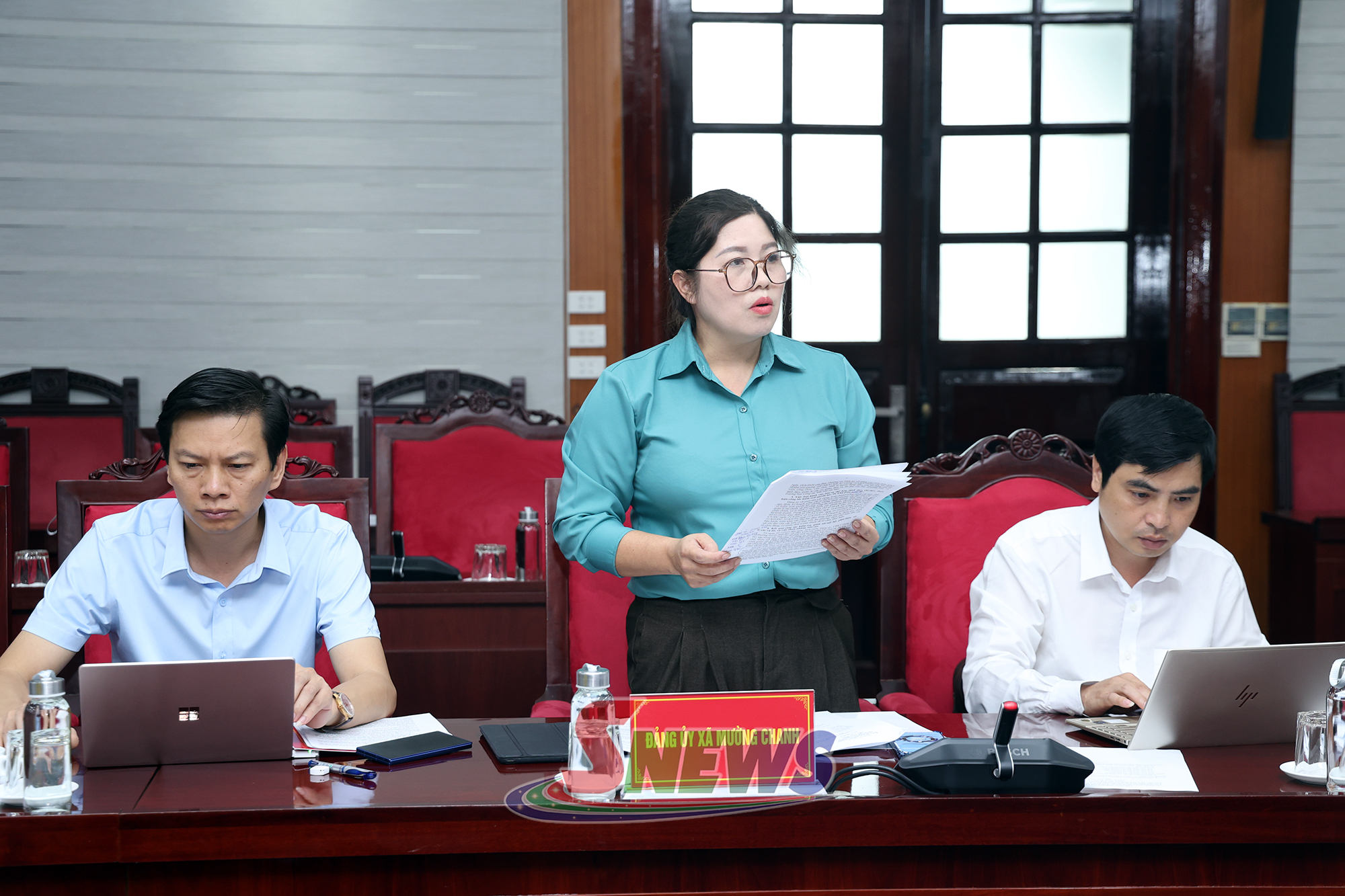
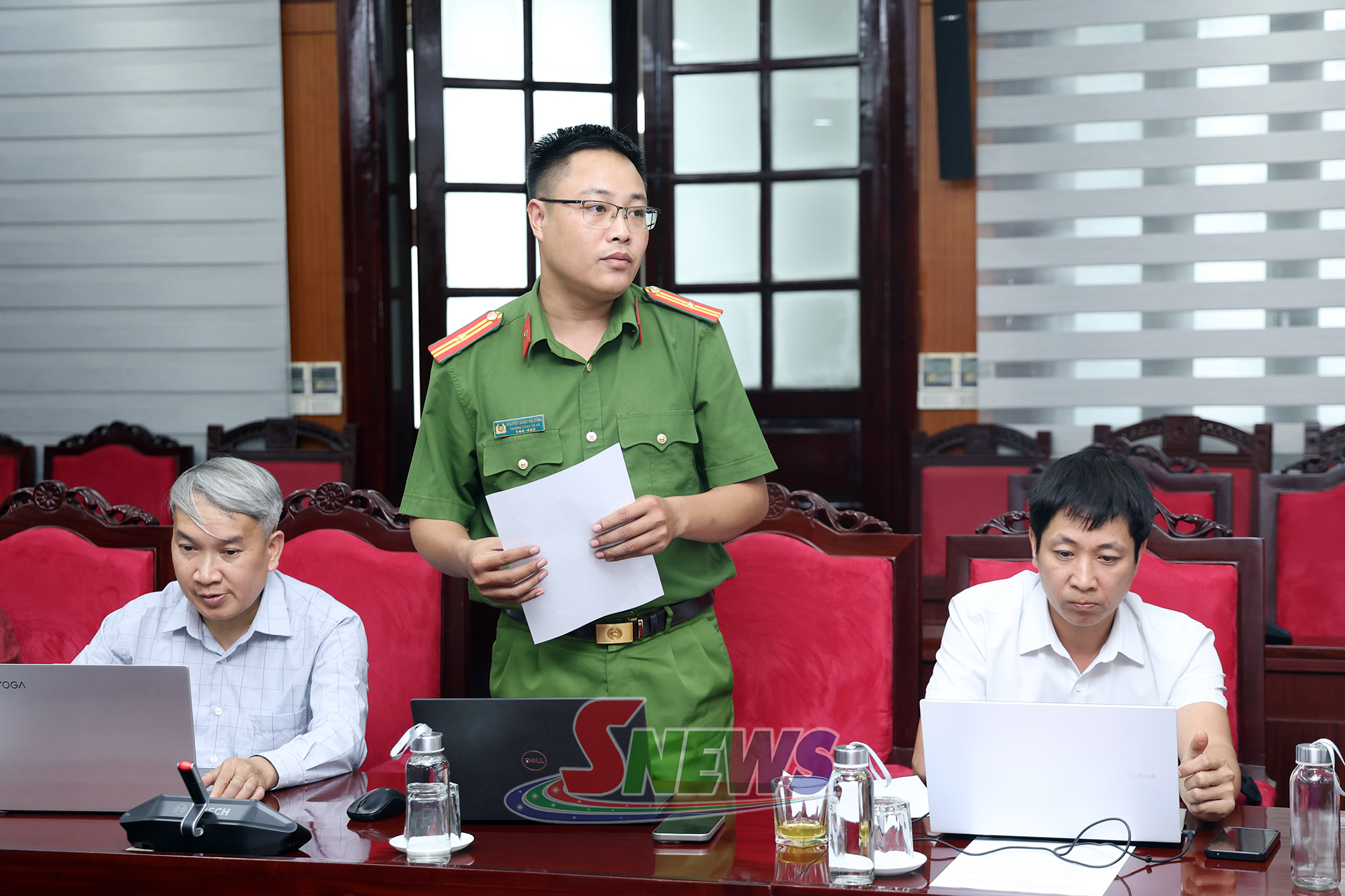
The management of public finances and assets has been strengthened, ensuring openness, transparency and compliance with regulations, with a focus on power control in areas prone to corruption and other negative phenomena. Administrative procedures, citizen reception, and the settlement of complaints and denunciations have been handled seriously. Party committees and heads of agencies and units have upheld their responsibilities and stepped up inspection and supervision, contributing to more effective State management at the grassroots level.
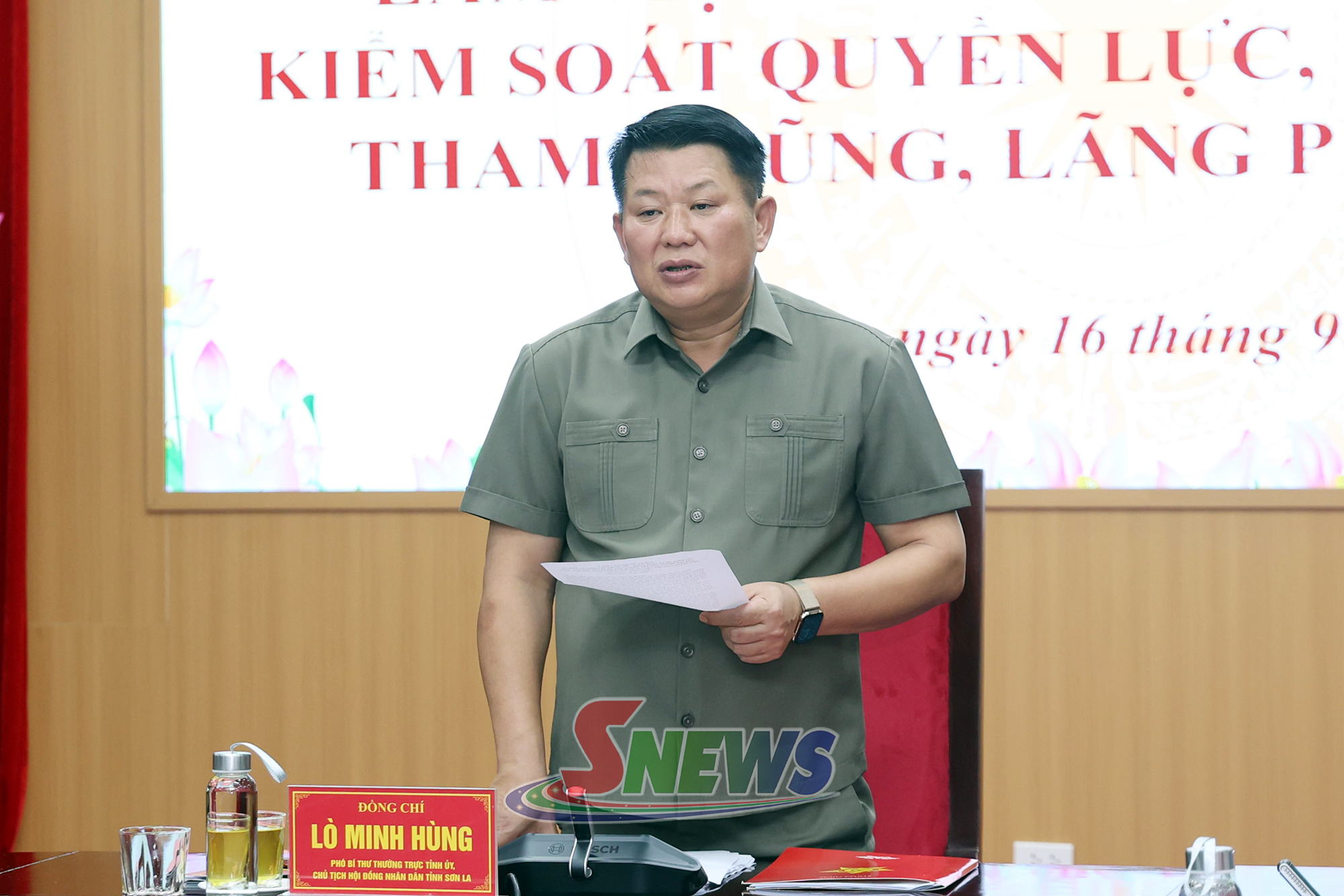
In his concluding remarks, Hung asked the commune Party Committees to promptly disseminate and implement Party guidelines, State laws and provincial regulations on power control and the prevention and fight against corruption, wastefulness and other negative practices, identifying them as key and regular tasks linked to Party building. The five communes' Party Committees were urged to formulate practical plans for implementing powe control regulations; review and improve personnel procedures; rotate officials in corruption-prone areas; and assess officials based on their job positions and specific outputs.
He also called for stronger inspection and supervision, particularly of key projects, timely and strict handling of violations, and proper control of assets and income. He urged the communes to fully address post-inspection and post-audit conclusions and recommendations, tighten management of recurrent spending, procurement, repairs and official travel expenses, and remove obstacles to accelerate long-delayed projects. Surplus public land and buildings should be promptly put into use to prevent wastefulness. At the same time, comprehensive anti-corruption and preventive measures should be implemented, while improving citizen reception and the settlement of petitions and complaints in accordance with regulations./.


You have 500/500 characters left
Please enter 5 or more characters!!!