


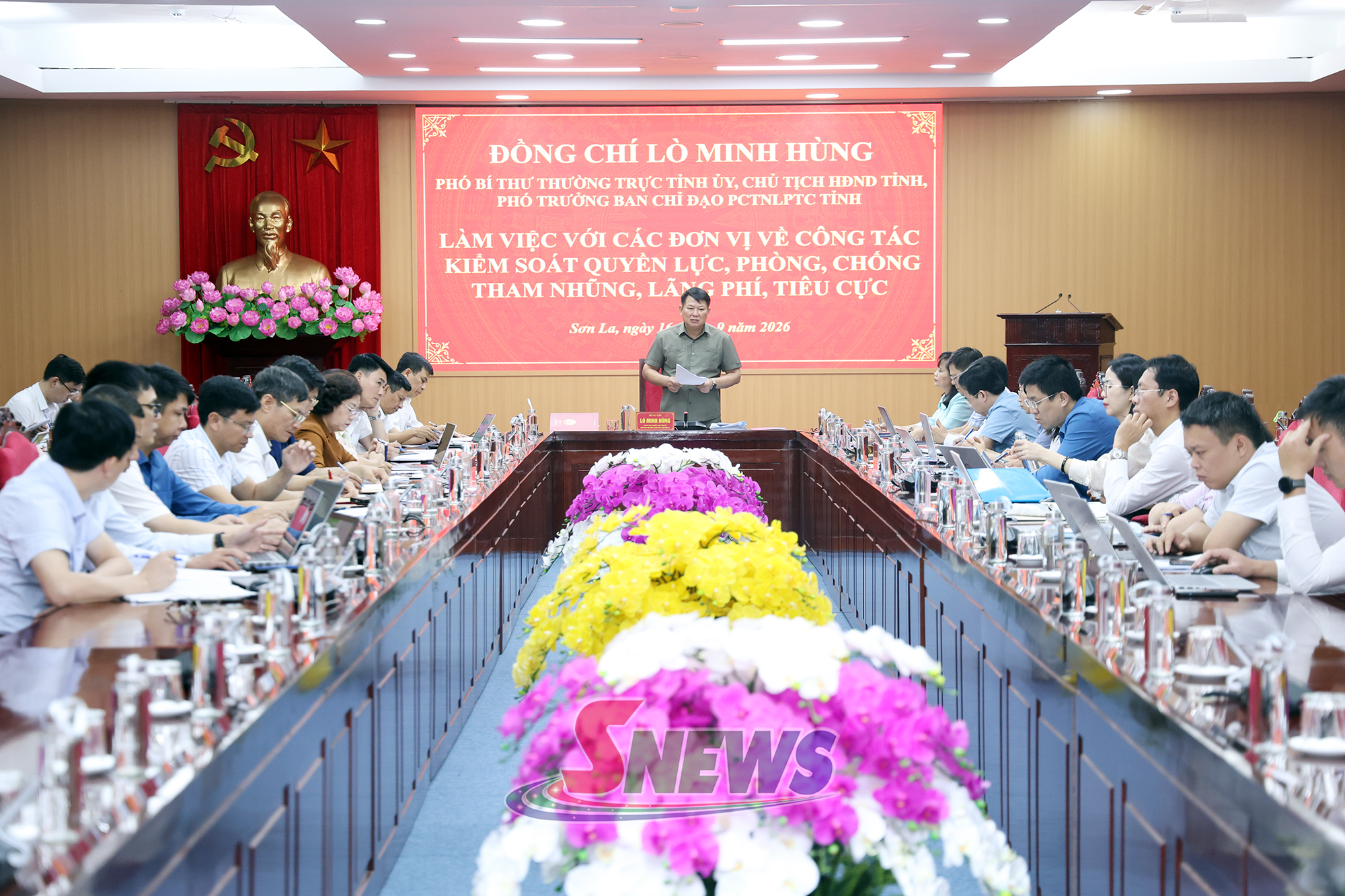
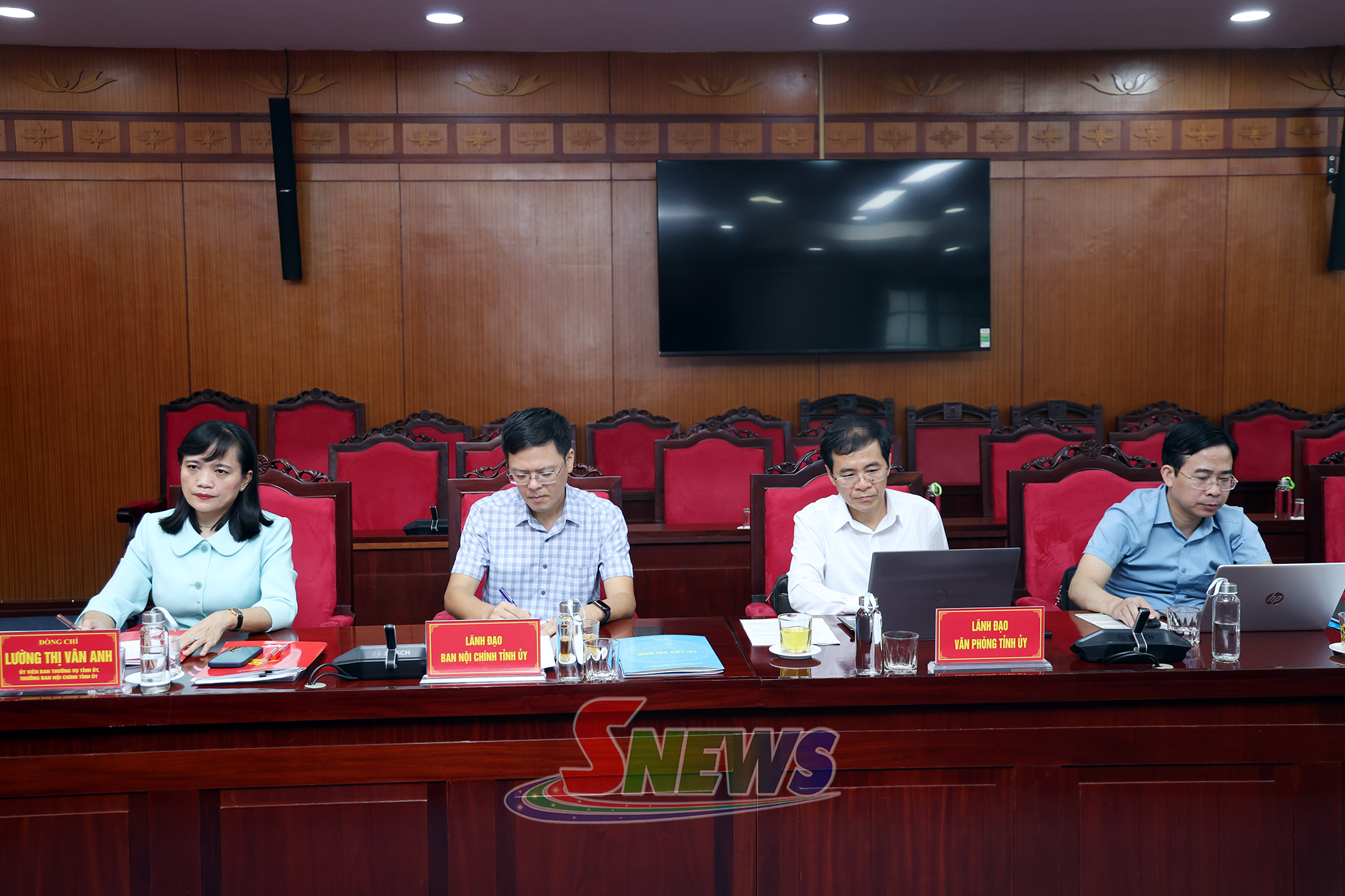
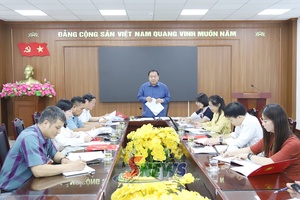
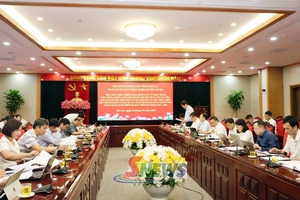
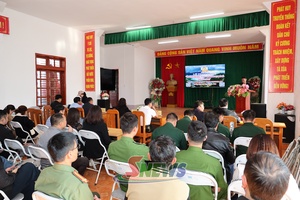
Attending the session were Luong Thi Van Anh, Head of the Internal Affairs Board of the provincial Party Committee, and Standing Deputy Head of the Steering Committee; Dao Tai Tue, Director of the Department of Construction; among others
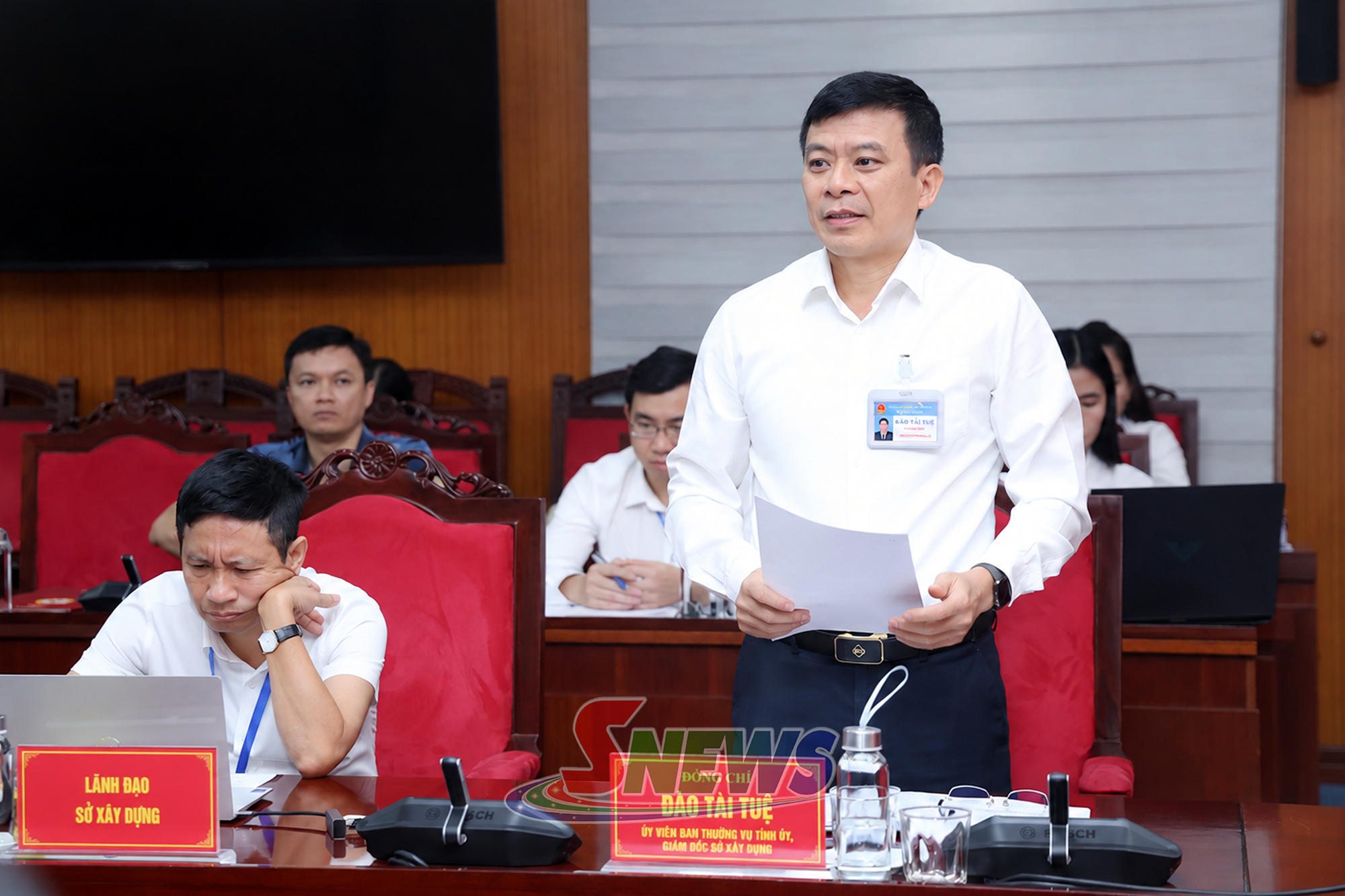
At the working session, leaders of the units reported on the results of the fight against corruption, wastefulness, and negative practices in the third quarter and the first nine months of 2026.
The agencies’ Party committees and leaders strictly disseminated and implemented the directives and regulations of the central and provincial authorities. They have prioritised education on public service ethics, the responsibility for setting an example, discipline, orderliness, and a spirit of serving the people.
At the same time, they ensured openness and transparency regarding their organisation, operations, finances, budgets, and the management and use of public assets, while regularly reviewing and strictly adhering to relevant regulations and rules.
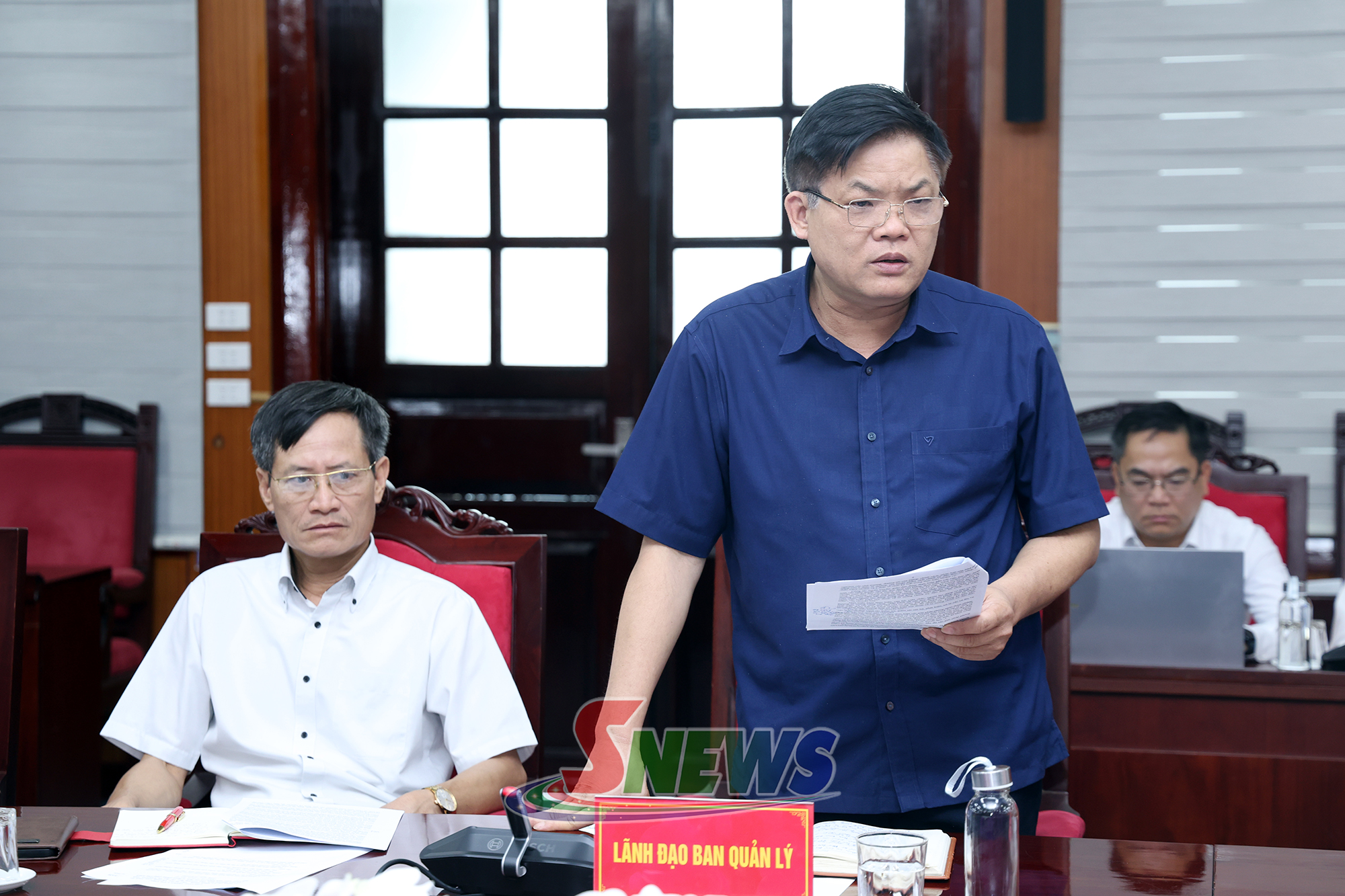
They enhanced internal inspection and supervision, prioritisedreceiving citizens, and handled petitions, discovering no cases of corruption, wastefulness, or negative practices. Additionally, they actively provided advice to resolve difficulties for projects and directed the arrangement and utilisation of surplus real estate assets following the implementation of the two-tier local government model. During the meeting, delegates discussed and clarified causes while proposing solutions to fix existing shortcomings and limitations.
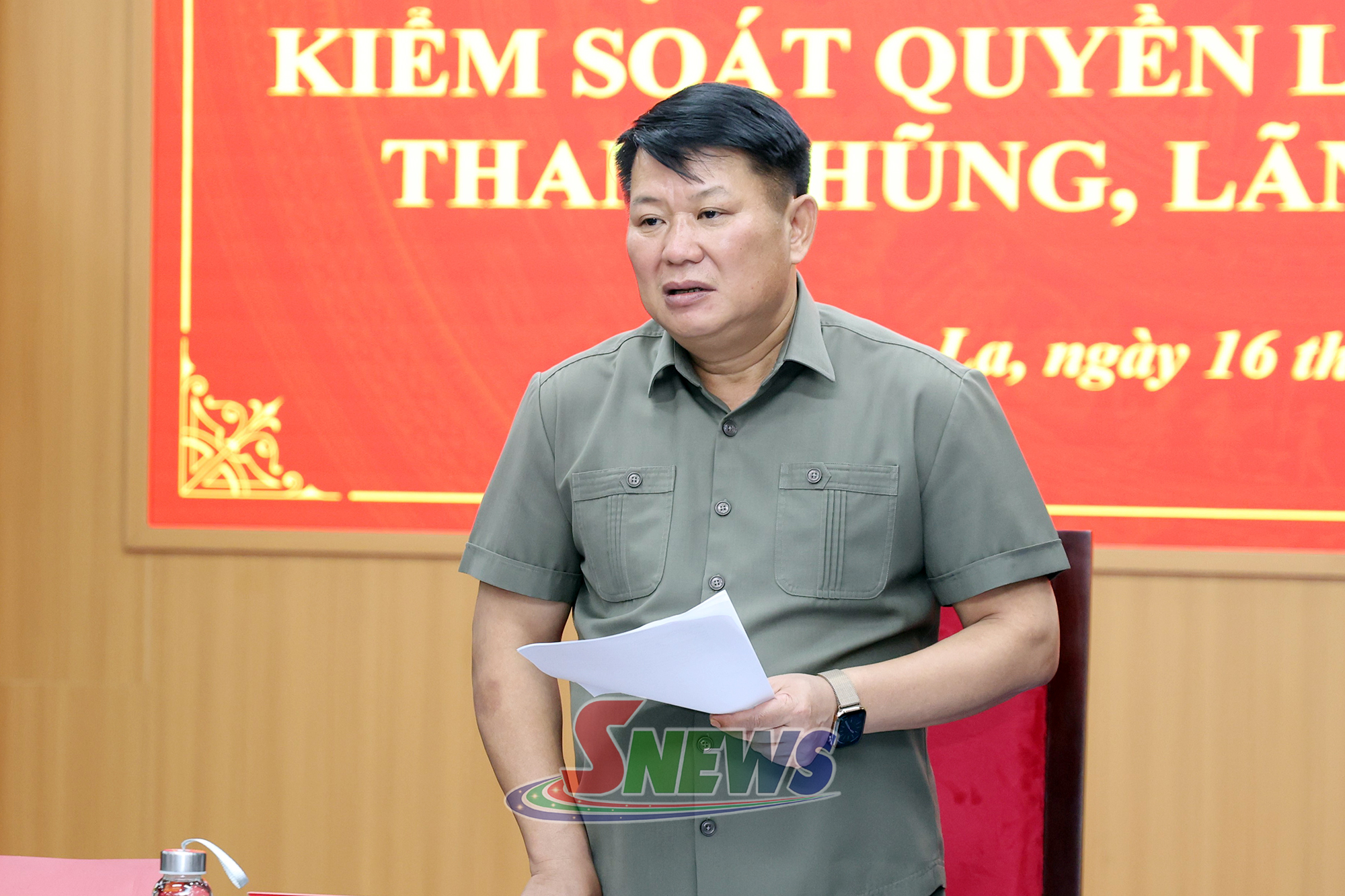
In his concluding remarks, Hung urged the Party committees and leadership of the units to enhance the role and responsibility of heads in directing the prevention of corruption, wastefulness, and misconduct. He called for strengthened power oversight and proactive prevention of violations, as well as the development of plans for implementing the five regulations on power control tailored to the specific circumstances of each unit.
Regarding the Office of the Delegation to the National Assembly and the provincial People's Council, strict control of power is required during the advisory process for policy and law formulation and the issuance of resolutions. Efforts must be made to prevent "group interests," the insertion of vested interests, and "ask-and-give" mechanisms, while also reviewing and refining procedures for advisory, appraisal, and oversight activities.
The provincial Management Board for Civil, Industrial, and Urban Works Construction Projects must review and categoriseprojects, particularly those that are behind schedule, prolonged, or subject to repeated adjustments, and exercise strict control over project management stages, including volume increases, total investment adjustments, contract extensions, and design changes.
The Department of Construction is tasked with improving the quality of project, design, and cost estimate appraisals; strengthening specialised inspections and supervision; and coordinating efforts to resolve obstacles related to planning, land use, construction investment, and site clearance. It should give advice on the definitive resolution of long-standing, stalled projects, particularly "land-for-infrastructure" projects./.


You have 500/500 characters left
Please enter 5 or more characters!!!