




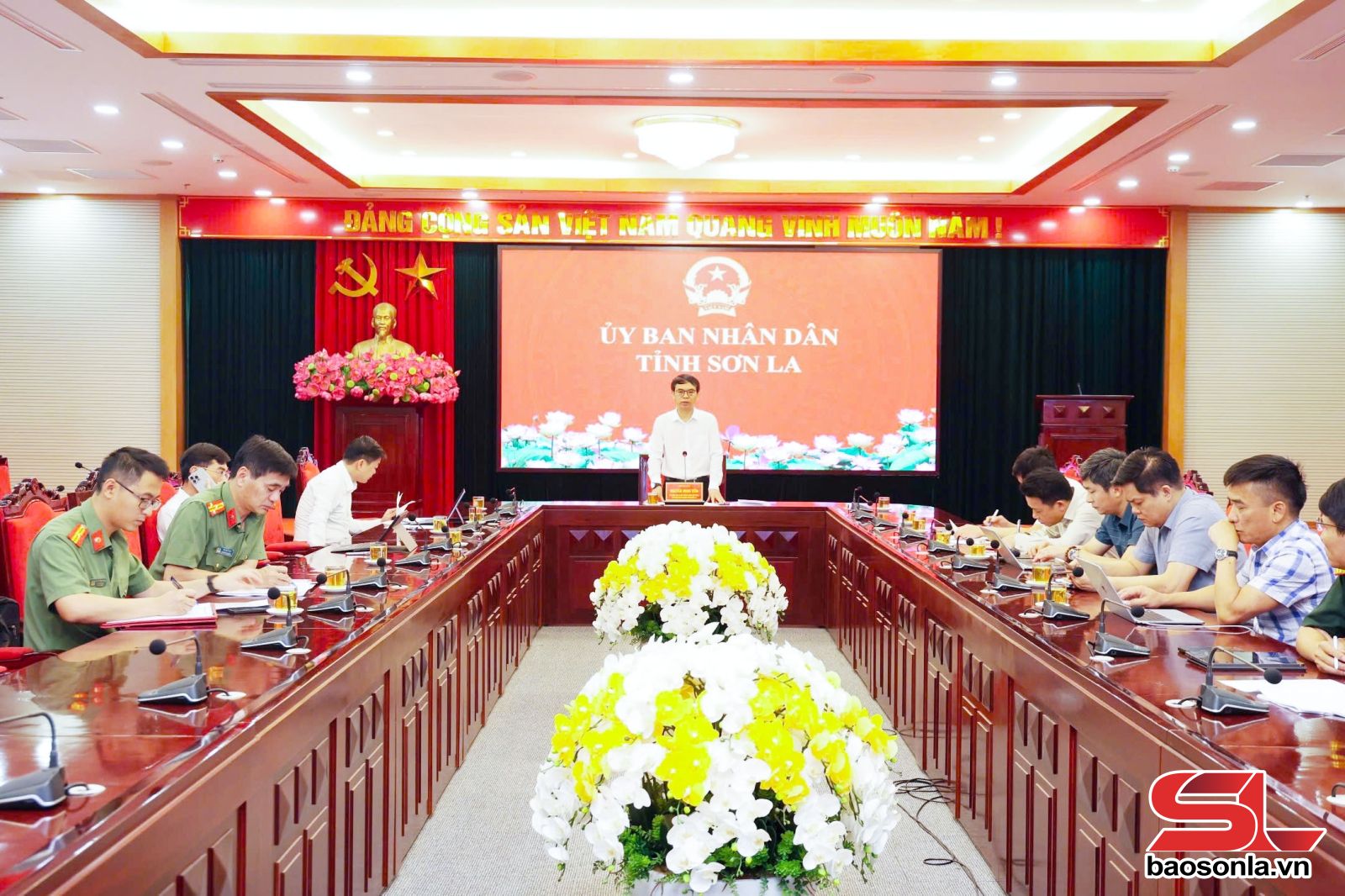
In 2026, total public investment capital realised across the province is estimated at over 4.7 trillion VND (178.48 million USD), of which more than 3.3 trillion VND has been allocated in detail, accounting for over 70%.
A total of 71 investors have been assigned capital, including 48 commune- and ward-level People’s Committees, 15 project management units, and eight other investors.
As of April 15, 2026, disbursement reached more than 543 billion VND, equivalent to 11.4% of the total assigned plan and 16.23% of the detailed allocated capital. Disbursement rates stood at 41.23% of assigned capital for commune- and ward-level authorities, 16.86% for project management units, and just over 6% for other investors.

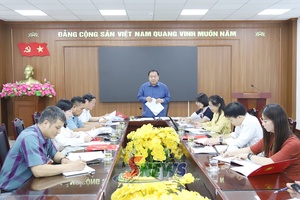
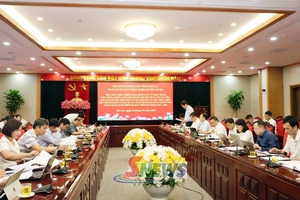
At the meeting, leaders of provincial departments and agencies reported on and clarified the progress of tasks under their authority, while providing specific guidance on investors’ proposals to help address difficulties arising during implementation.
Investors also reported on site clearance progress, project implementation and disbursement results, highlighted challenges encountered, and proposed solutions for the period ahead, particularly for ongoing and extended projects.
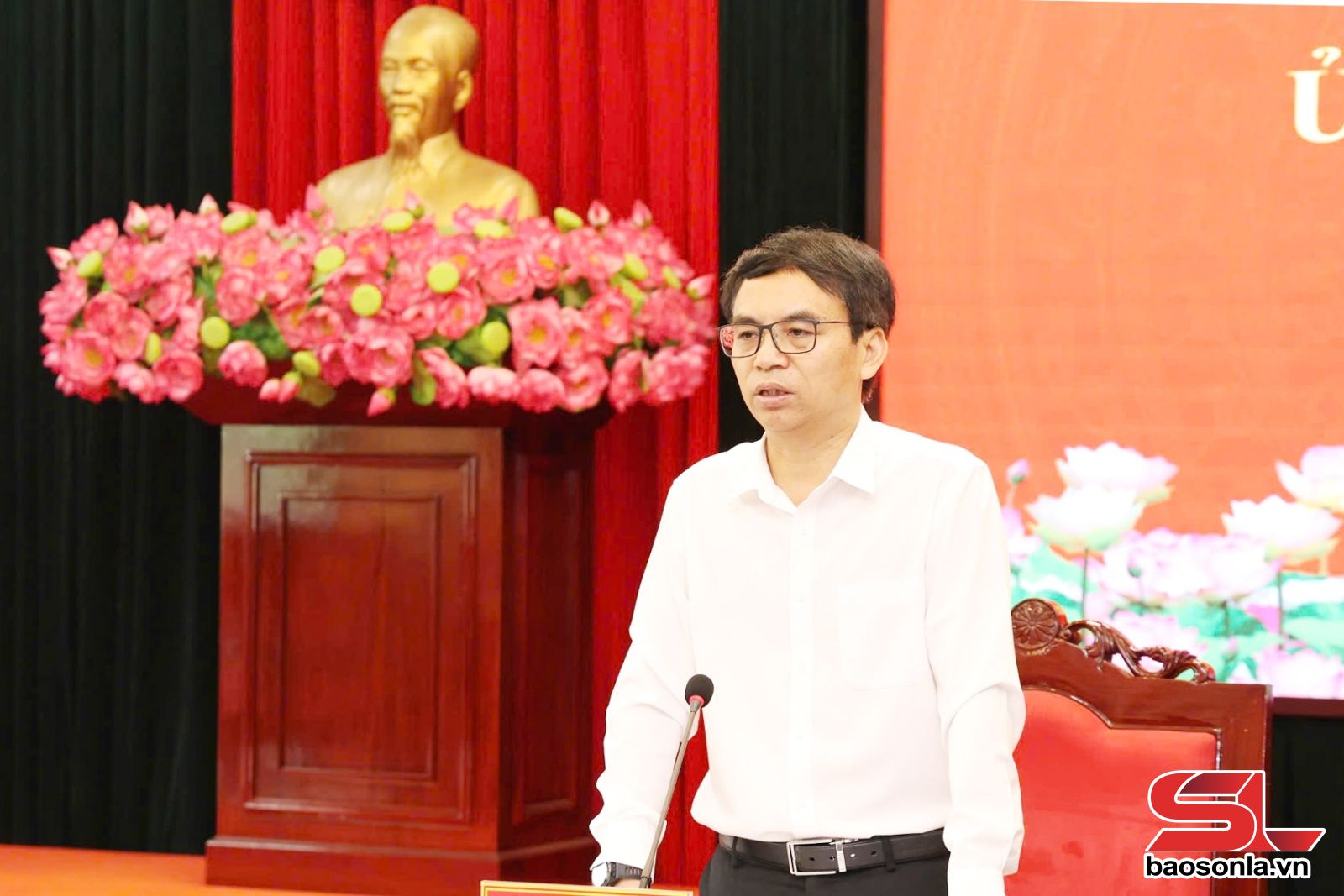
Concluding the meeting, Tien requested provincial departments and agencies to continue implementing, in a decisive and coordinated manner, tasks and solutions under Government and provincial People’s Committee resolutions to accelerate public investment disbursement in 2026.
Priorities include speeding up investment preparation and site clearance, ensuring projects meet conditions for capital allocation in line with regulations, reviewing and rescheduling non-essential projects to avoid idle capital, and firmly adjusting or withdrawing misallocated funds to prioritise key projects.
Commune- and ward-level People’s Committees were urged to step up communication and public outreach to build consensus, finalise and submit compensation and support plans for appraisal and approval, and promptly carry out payments to gradually hand over cleared land to contractors.
Contractors were required to mobilise manpower and equipment at sites with cleared land, accelerate construction progress, and complete volumes early to facilitate acceptance, payment, and capital disbursement.











You have 500/500 characters left
Please enter 5 or more characters!!!