

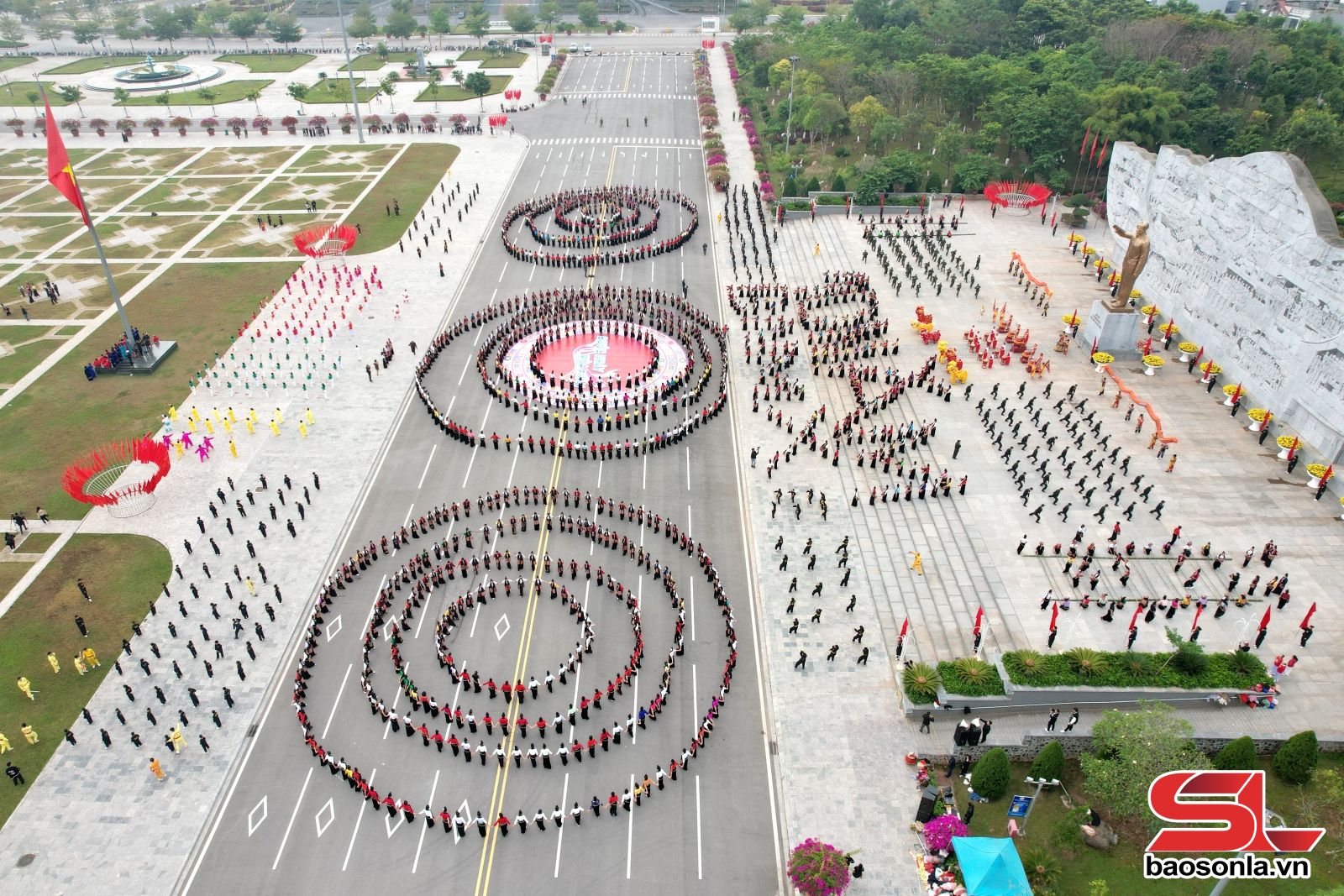
In recent years, visitors to cultural and tourism events in Son La have been impressed by vivid and distinctive heritage performances. Large-scale annual events such as Moc Chau Culture and Tourism Week, Quynh Nhai Culture, Sports and Tourism Week, festivals and cultural days regularly feature reenactments of traditional rituals and community cultural activities, creating highlights that attract tourists.
Nguyen Hong Son, Vice Chairman of Quynh Nhai commune People’s Committee, noted that the commune is home to six ethnic groups, each preserving unique cultural traditions. Several rituals have been recognised as national intangible cultural heritage, including Xip Xi festival, the Hair Washing Ceremony, and Kin Pang Then ritual of the White Thai people; Pang A ritual of the La Ha; and Xe Pang A ritual of the Khang ethnic group. These rituals are frequently restored and performed in cultural and tourism events, helping to showcase local identity and attract visitors.
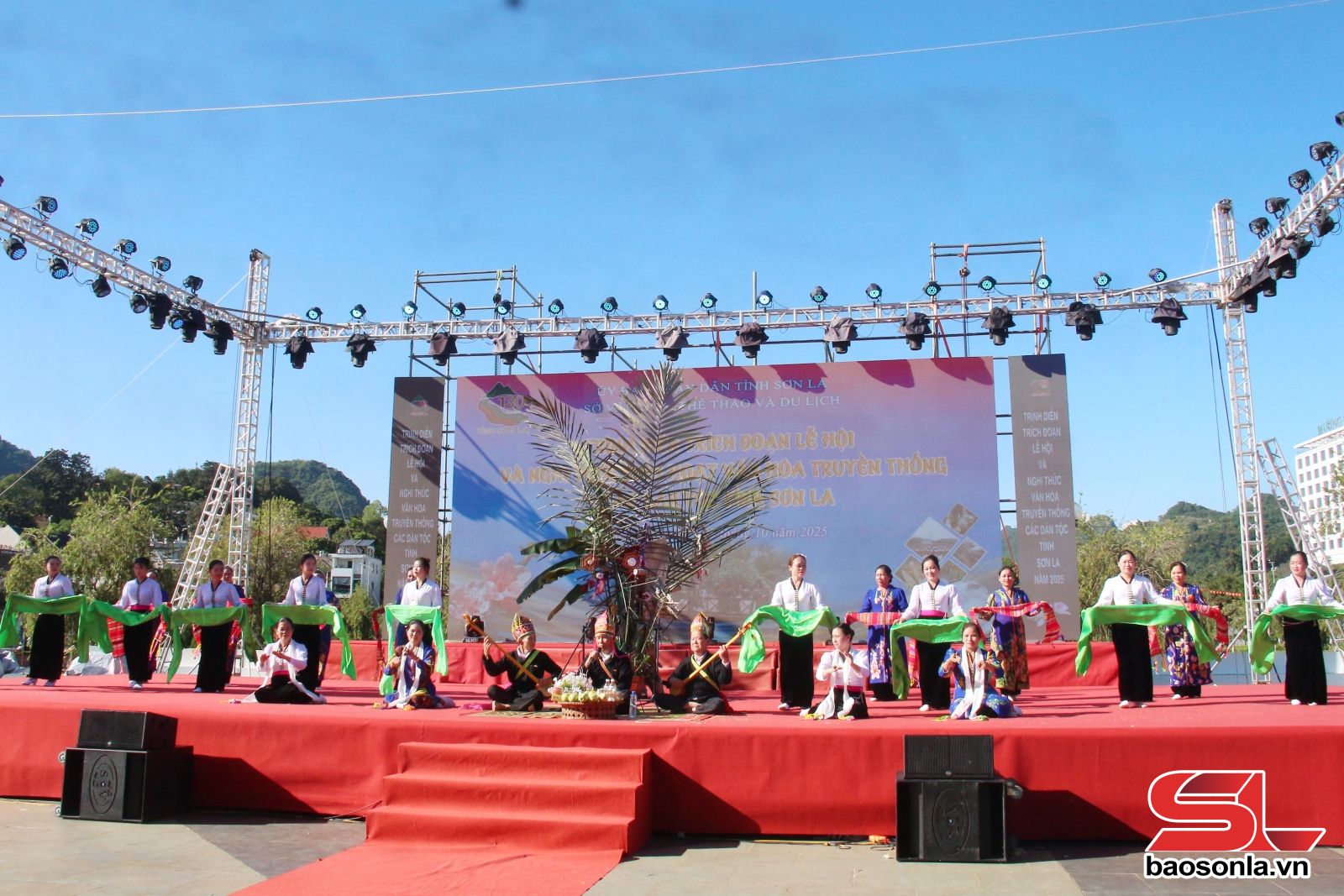
Son La province currently has 20 nationally recognised intangible cultural heritage elements, including traditional festivals, social practices, beliefs, folk performing arts, and traditional crafts. Notably, Thai Xoe dance has been inscribed by UNESCO on the Representative List of the Intangible Cultural Heritage of Humanity. These heritage items remain vibrant symbols of the long-standing cultural identity of local ethnic communities.
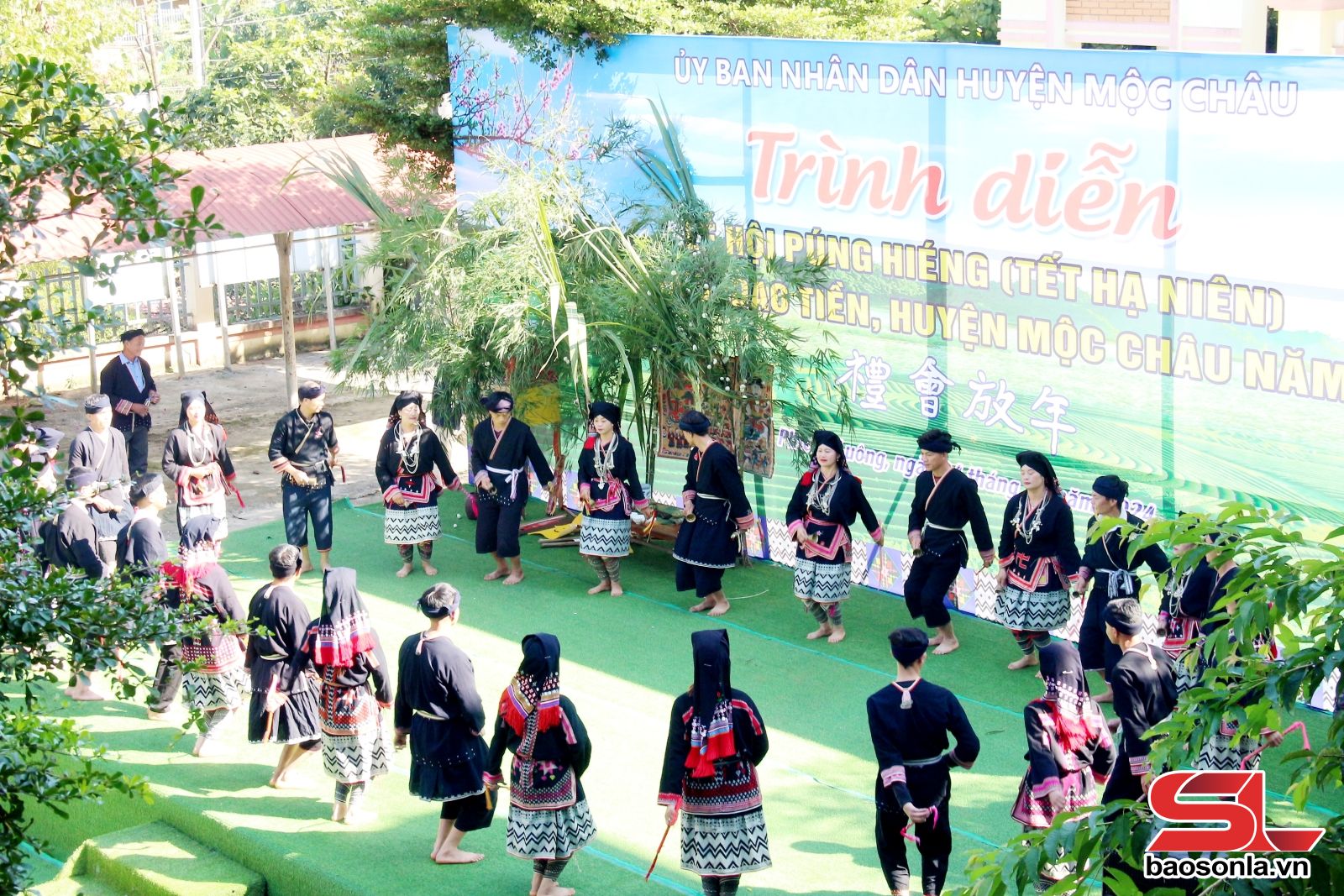
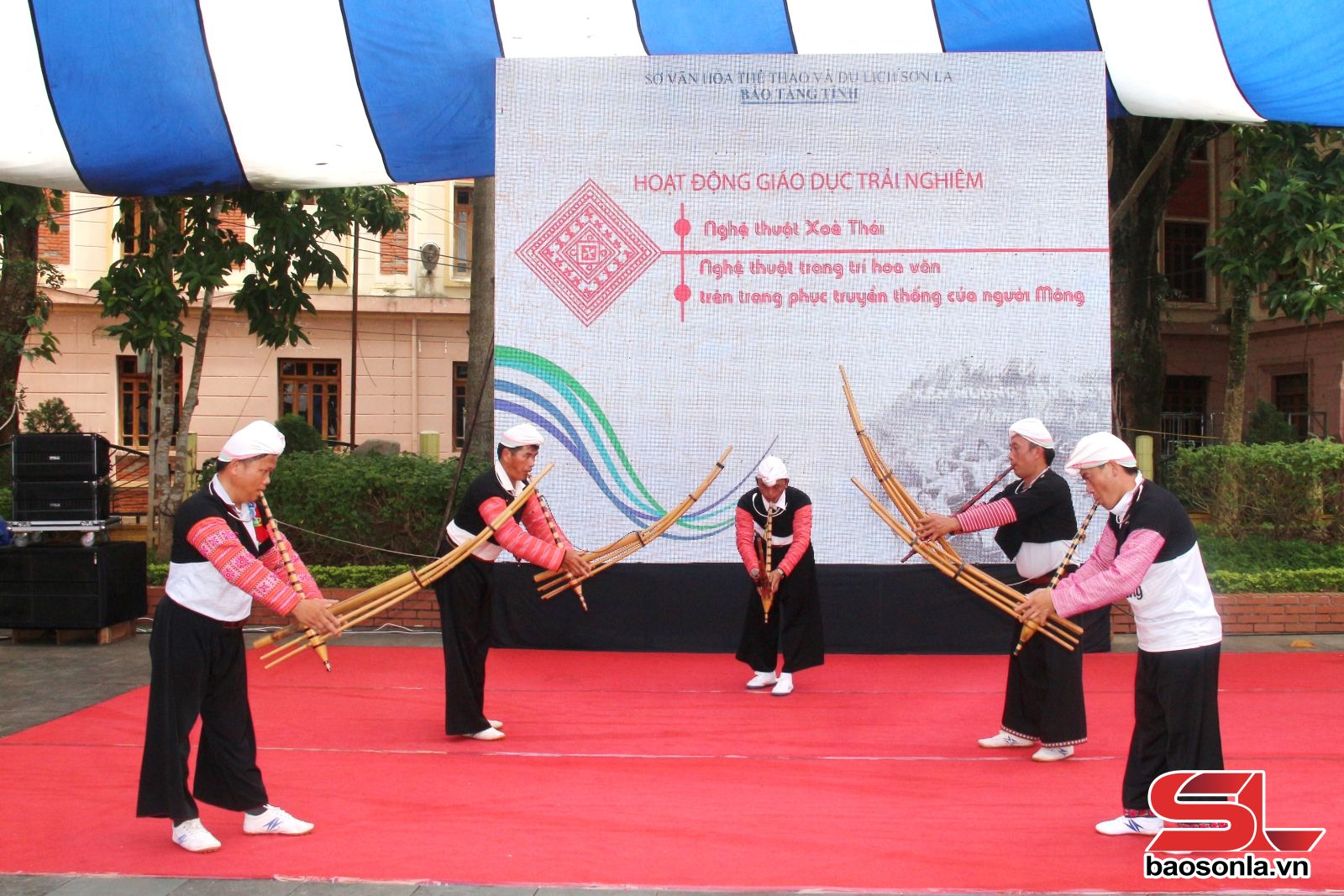
Rituals such as the Cap Sac (coming-of-age) ceremony and Pung Hieng festival of the Dao Tien people, Het Cha festival of the Thai, Khen art of the Mong, Mang Ma ritual of the Xinh Mun, and peace-praying ceremony of the Khang are regularly staged at festivals, schools, and cultural sites. These performances help bring once community-specific traditions to a broader audience in an accessible and engaging way.
Having visited Son La several times during major festivals and cultural events, Le Thu Phuong from Hanoi shared: “I’m truly impressed by how local communities present their traditional culture at large-scale events. The rituals are performed in an accessible way, helping viewers understand their meanings and fostering a deeper appreciation for the cultural and historical values that these communities are preserving.”
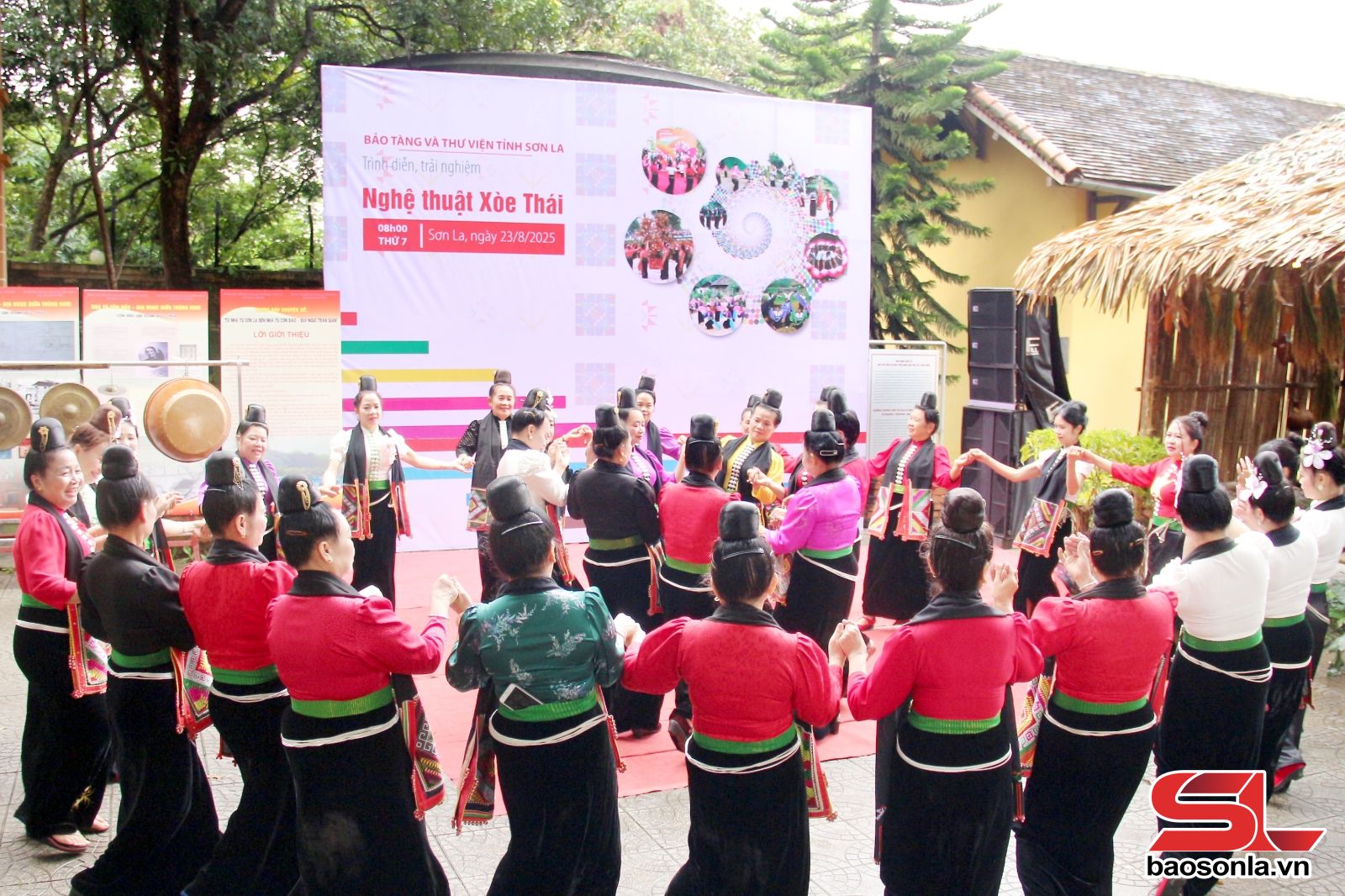
Beyond the province, Son La’s cultural performances have been showcased at major events nationwide, including art programmes in Ho Chi Minh City (2023) and Da Nang (2025), and tourism festivals in 2026. The province is also a frequent participant in cultural activities at the Vietnam National Village for Ethnic Culture and Tourism in Hanoi.
In November 2025, Son La’s mass art troupe joined the second Muong Ethnic Culture Festival, presenting performances that highlight Muong traditions. Meritorious Artisan Dinh Quang Chuang shared his pride in introducing the Mo Muong ritual, recognised as national intangible cultural heritage, and the Moi festival, the largest festival of the Muong people.
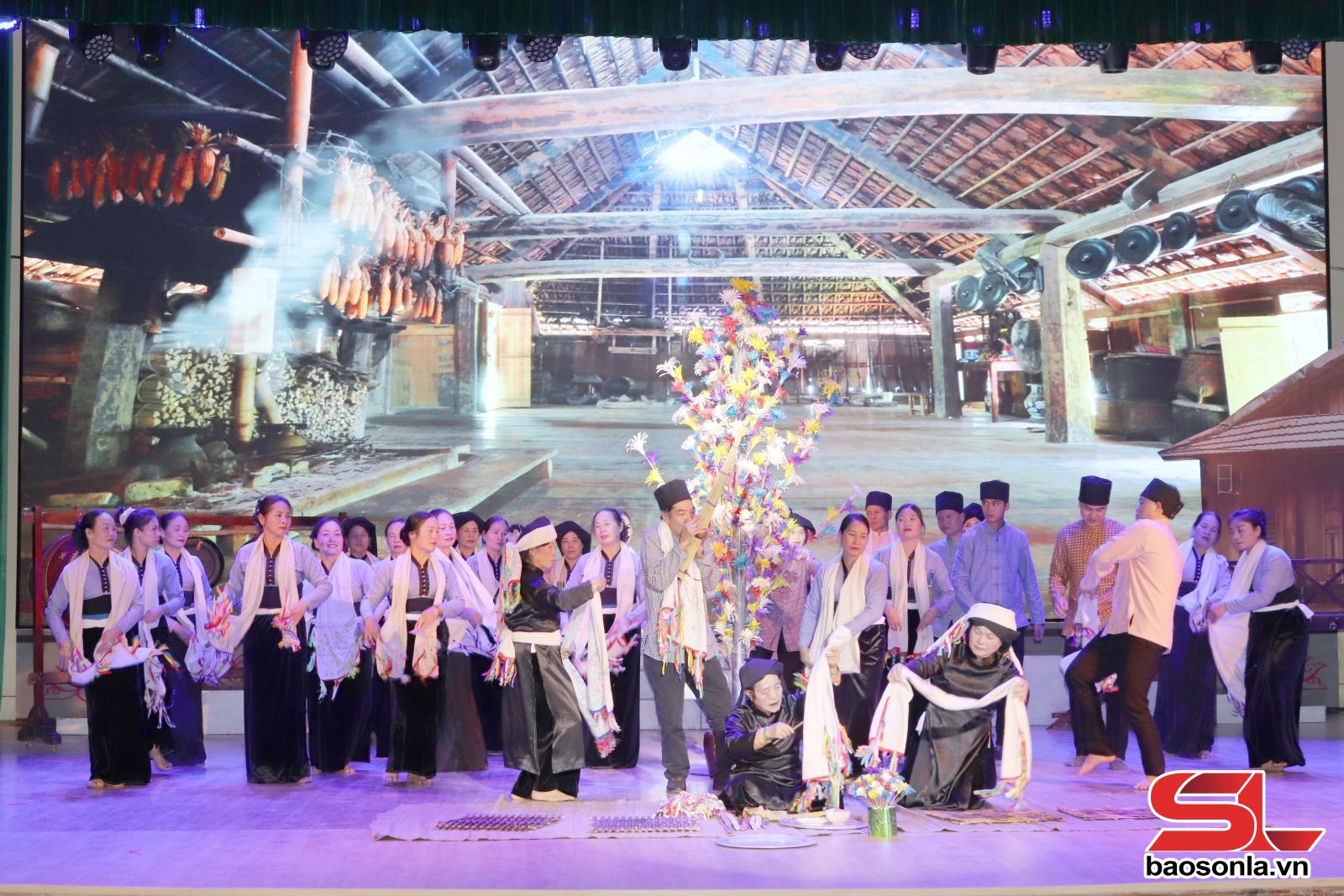
A key strength of staging heritage in Son La lies in the balance between tradition and modernity. Lengthy and complex rituals are carefully adapted into concise, engaging performances that retain their essence while becoming more accessible to audiences.
Modern staging techniques such as lighting, sound design, LED technology, and large-scale performances involving hundreds of community performers add vibrancy and spectacle. Interactive elements, including mass Xoe dances and folk games, invite audiences to participate, blurring the line between performers and spectators.
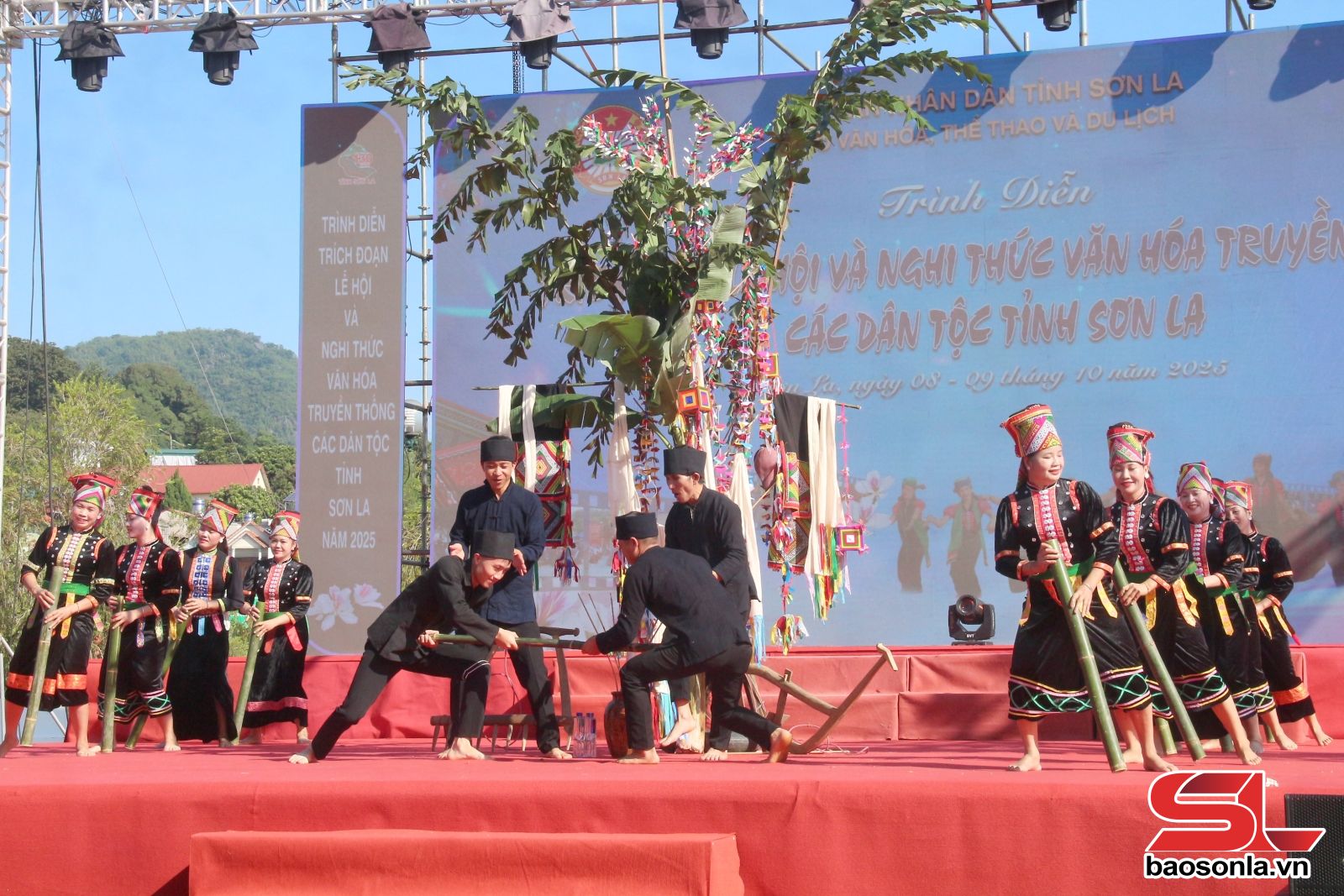
Pham Hong Thu, Deputy Director of the provincial Department of Culture, Sports and Tourism, said the province actively promotes heritage preservation through cultural programmes and events, while also developing digital heritage products and linking heritage promotion with tourism development.
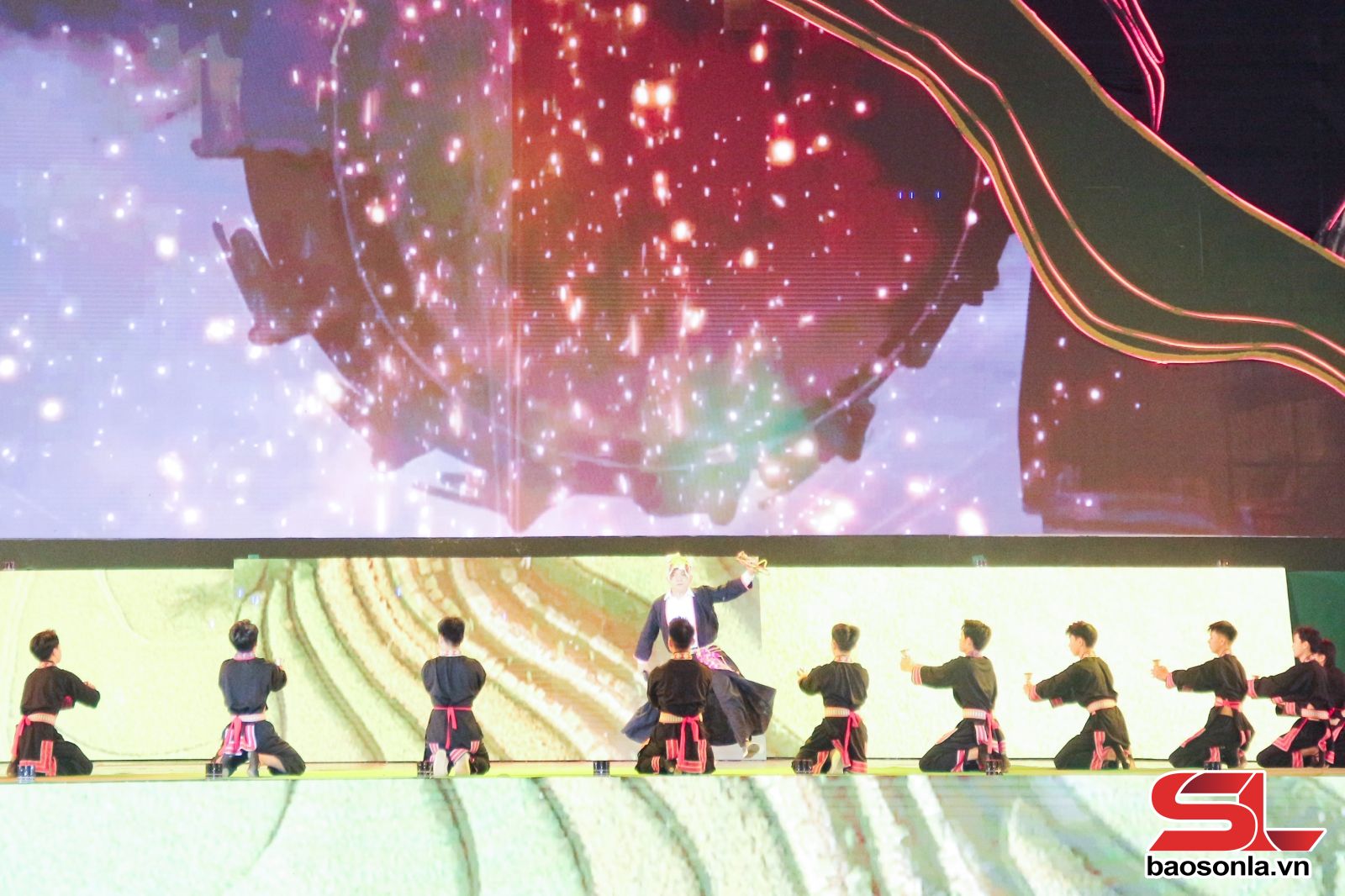
The staging of intangible cultural heritage is both a creative and responsible endeavour. It serves as a bridge between past and present, ensuring that cultural traditions are not only preserved but revitalised, continuing to thrive and shine within contemporary cultural life./.

You have 500/500 characters left
Please enter 5 or more characters!!!