


According to Thao A Tru, Vice Chairman of Suoi To commune People’s Committee, the commune comprises 11 hamlets with 1,056 households, all belonging to the Mong ethnic group. As a highland area with challenging socio-economic conditions, the poverty rate remains high. The steep terrain and fragmented farmland make mechanisation and the sci-tech application in farming difficult, resulting in low productivity. A segment of the population still relies on state support and has yet to adopt proactive approaches to economic development, while basic infrastructure such as intra-village roads, clean water supply and schools remains inadequate or degraded.
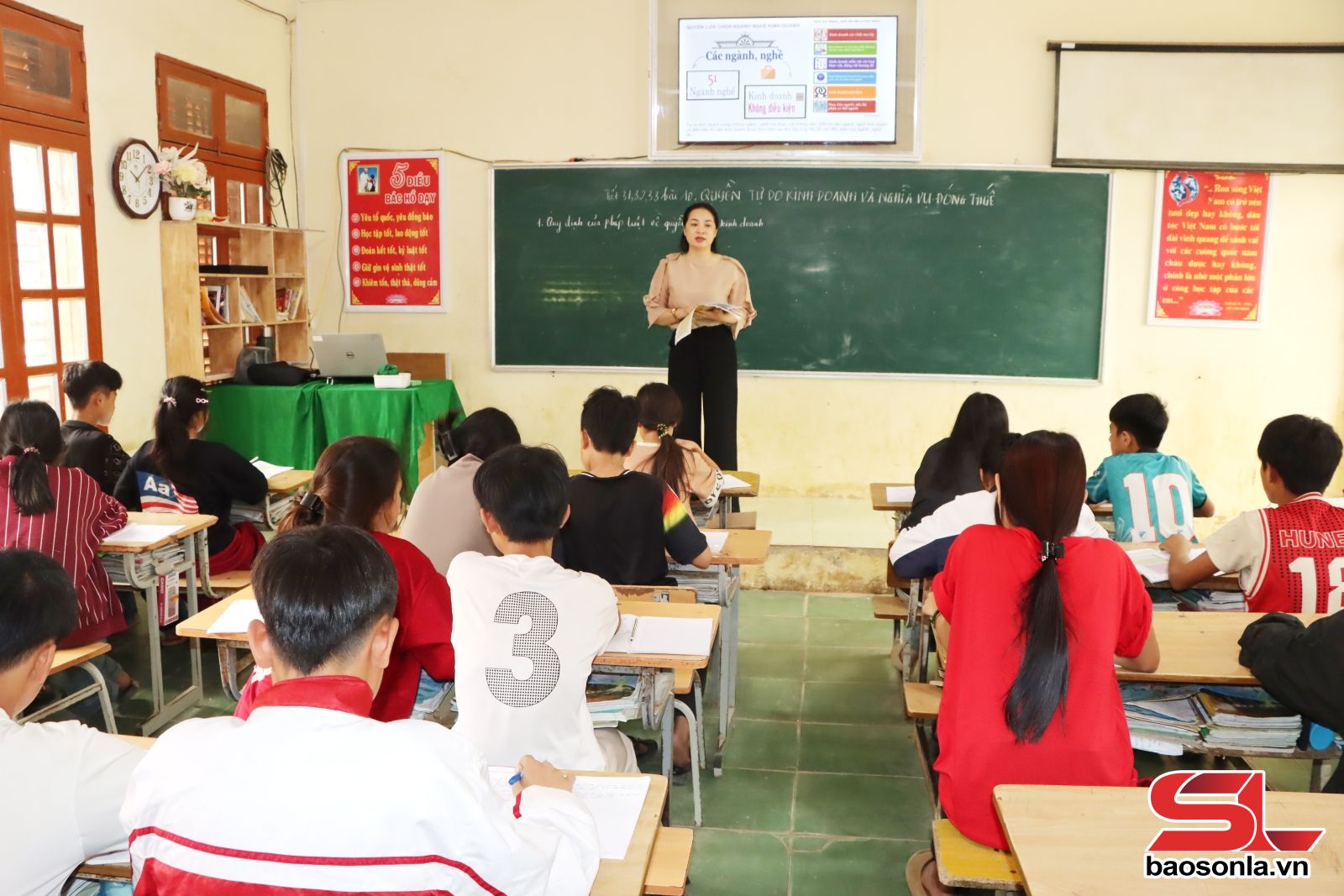
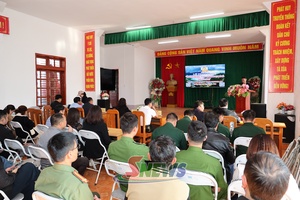
Poverty reduction has been identified as a key priority. The commune has intensified communication efforts to raise public awareness of poverty reduction policies and encourage self-reliance. Working groups have been established, with Party members assigned to support poor households. Households are also assessed and classified by causes of poverty to design appropriate assistance measures. Resources from various programmes are being integrated to prioritise livelihood support and production development. Local mass organisations are also maximising policy credit programmes to help residents invest in sustainable income-generating activities.
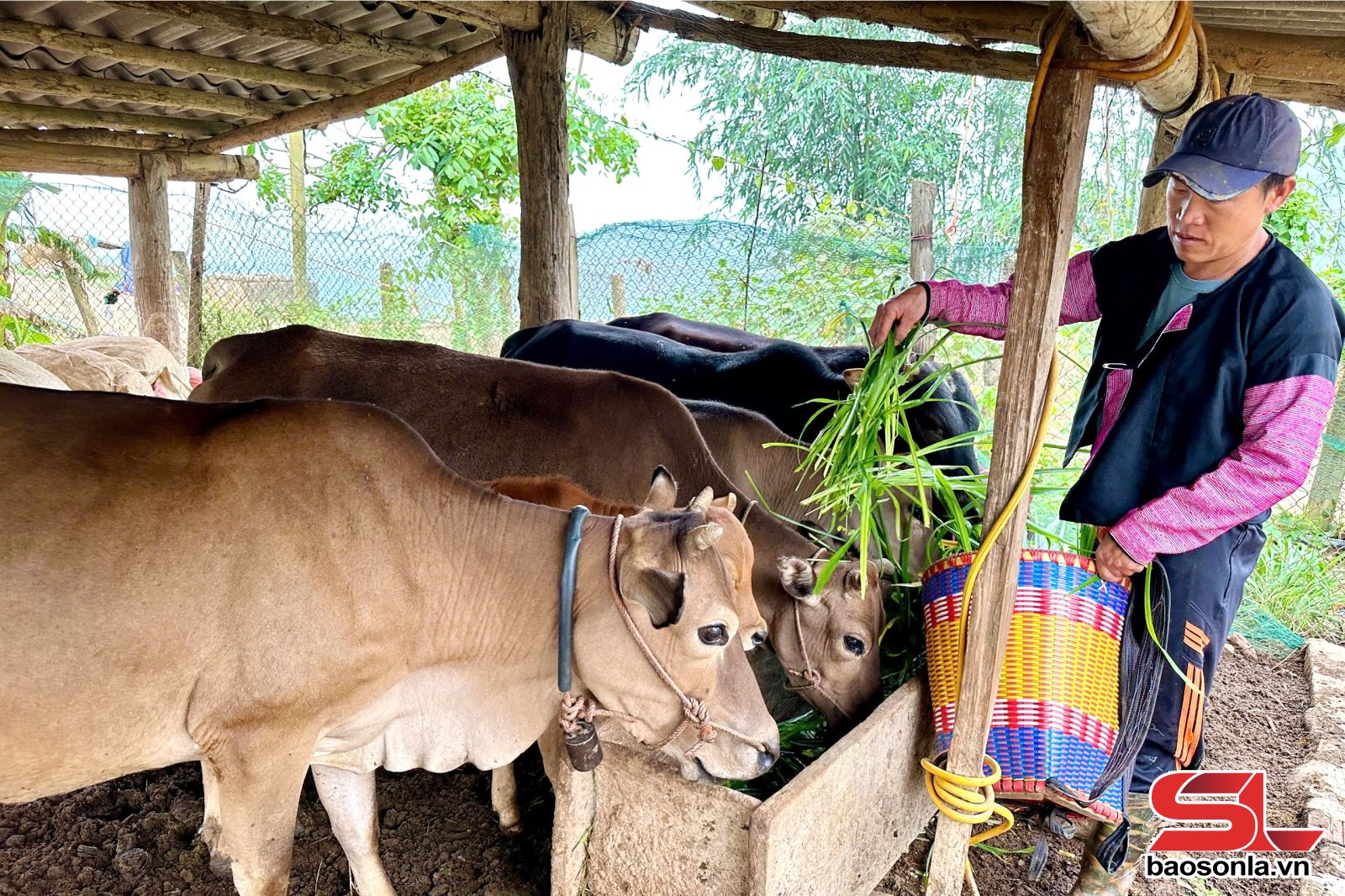
With 1,207 hectares of agricultural land, the commune has promoted the maintenance of advantageous crops and livestock while introducing higher-yield and higher-quality varieties. Officials have been assigned to directly support and monitor economic development models and encourage production linkages among households.
At over 1,000 metres above sea level, Suoi Khang hamlet enjoys a cool and humid climate, favourable for tea cultivation. Over the past years, residents have maintained and developed more than 1,000 Shan Tuyet tea trees, including over 600 ancient trees. Previously, tea was harvested and processed using traditional methods, limiting its quality and value. The establishment of the Suoi Khang Ancient Shan Tuyet Tea Cooperative has significantly improved production and sale.
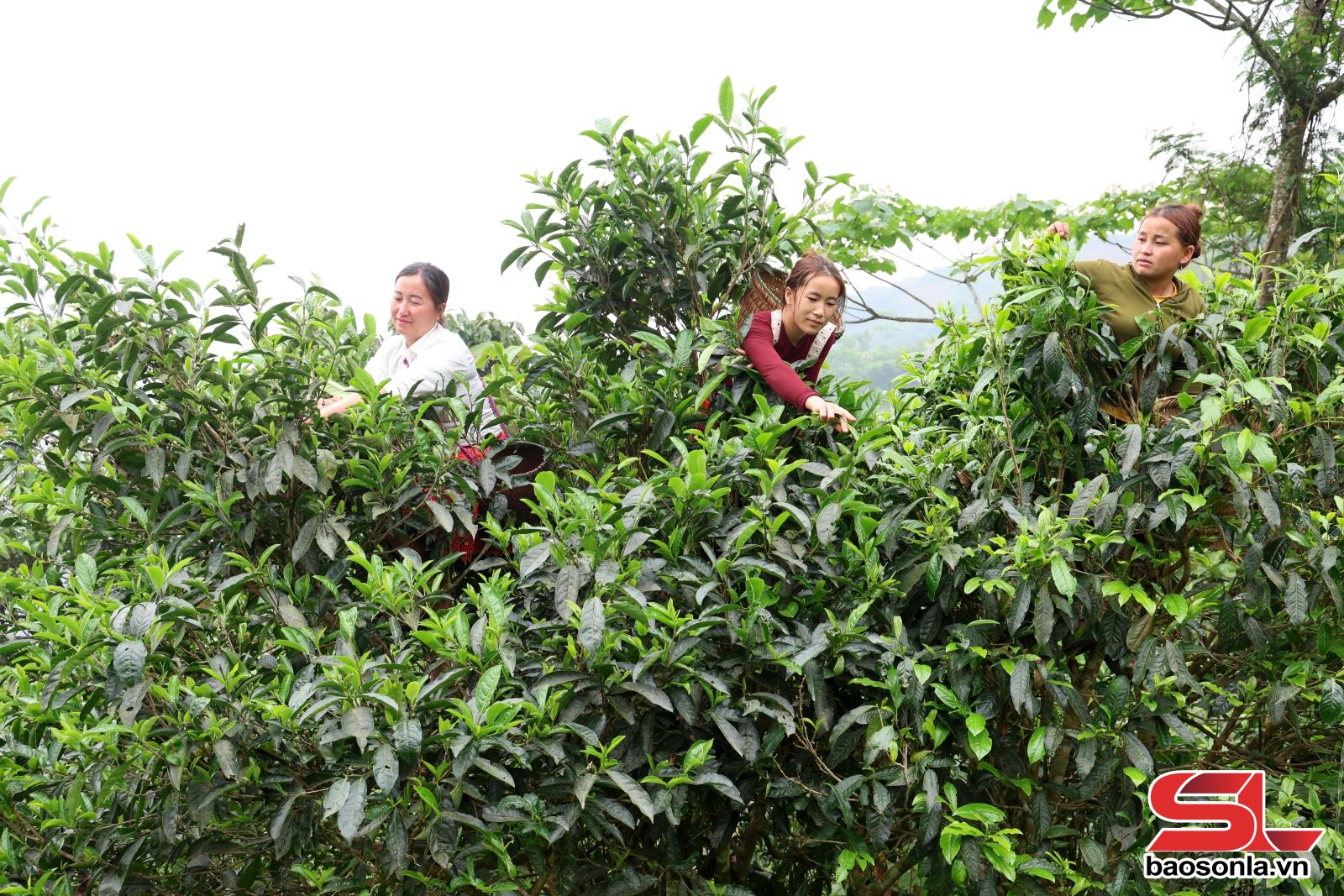
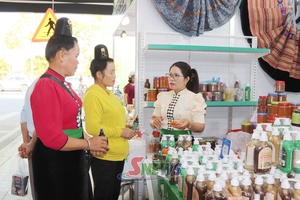
According to Thao Thi My, Director of the cooperative, local tea growers formally joined the cooperative in early 2026, expanding cultivation to four hectares and establishing a nursery to supply seedlings. Members have been supported with investment in tea processing machinery, packaging design, and product diversification. High-value products such as white tea and red tea now sell for 1.5 million VND (57 USD) and 600,000 VND per kilogramme respectively, generating incomes of 60–80 million VND per household. The cooperative is also working with local authorities to develop OCOP-certified products and promote brand recognition.
Alongside tea development, Suoi To residents have reclaimed 116 hectares of terraced fields and cultivated nearly 500 hectares of hybrid maize, 215 hectares of cassava and arrowroot, with total annual food production reaching 2,276 tonnes. The commune also maintains 6,620 head of livestock and over 18,000 poultry, supported by nearly 50 hectares of elephant grass for animal feed. Eight household-based farm models have been developed in favourable areas, focusing on horse and cattle farming at farm and household scale.
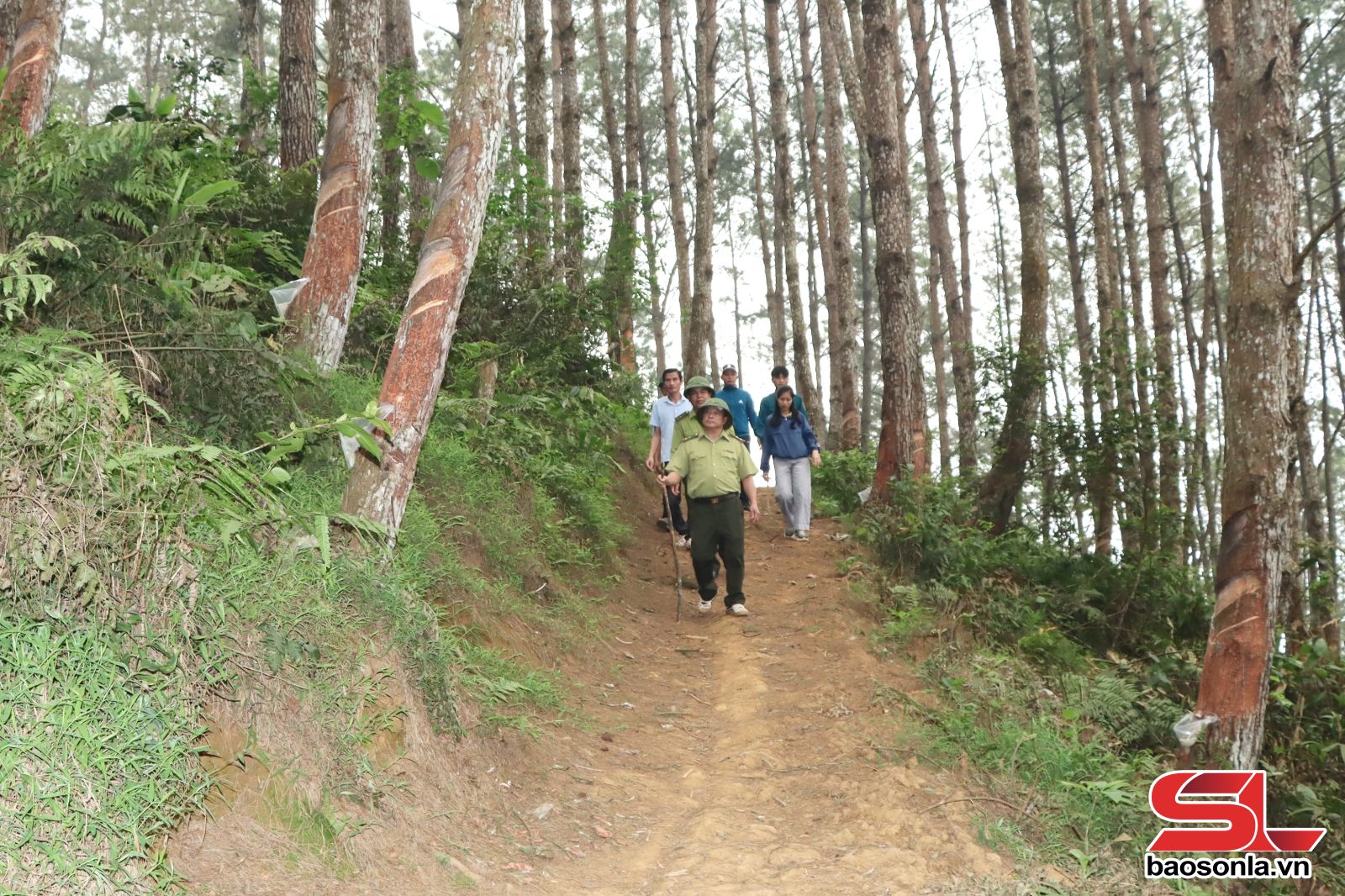
Forest protection remains a key focus, with more than 11,250 hectares of forest under management. Annual payments for forest environmental services exceed 500 million VND, contributing significantly to local incomes. Forest coverage has reached 40%.
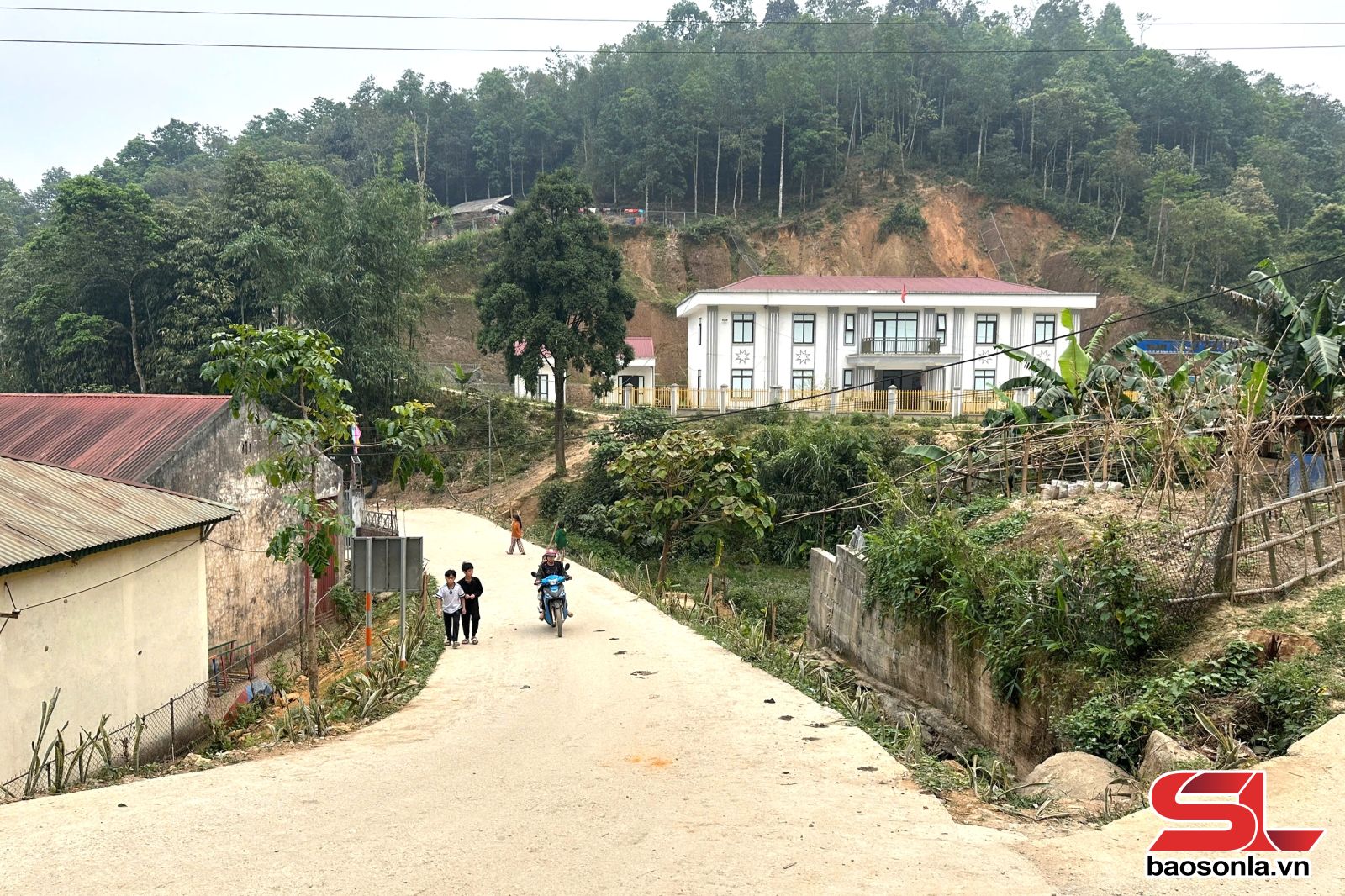
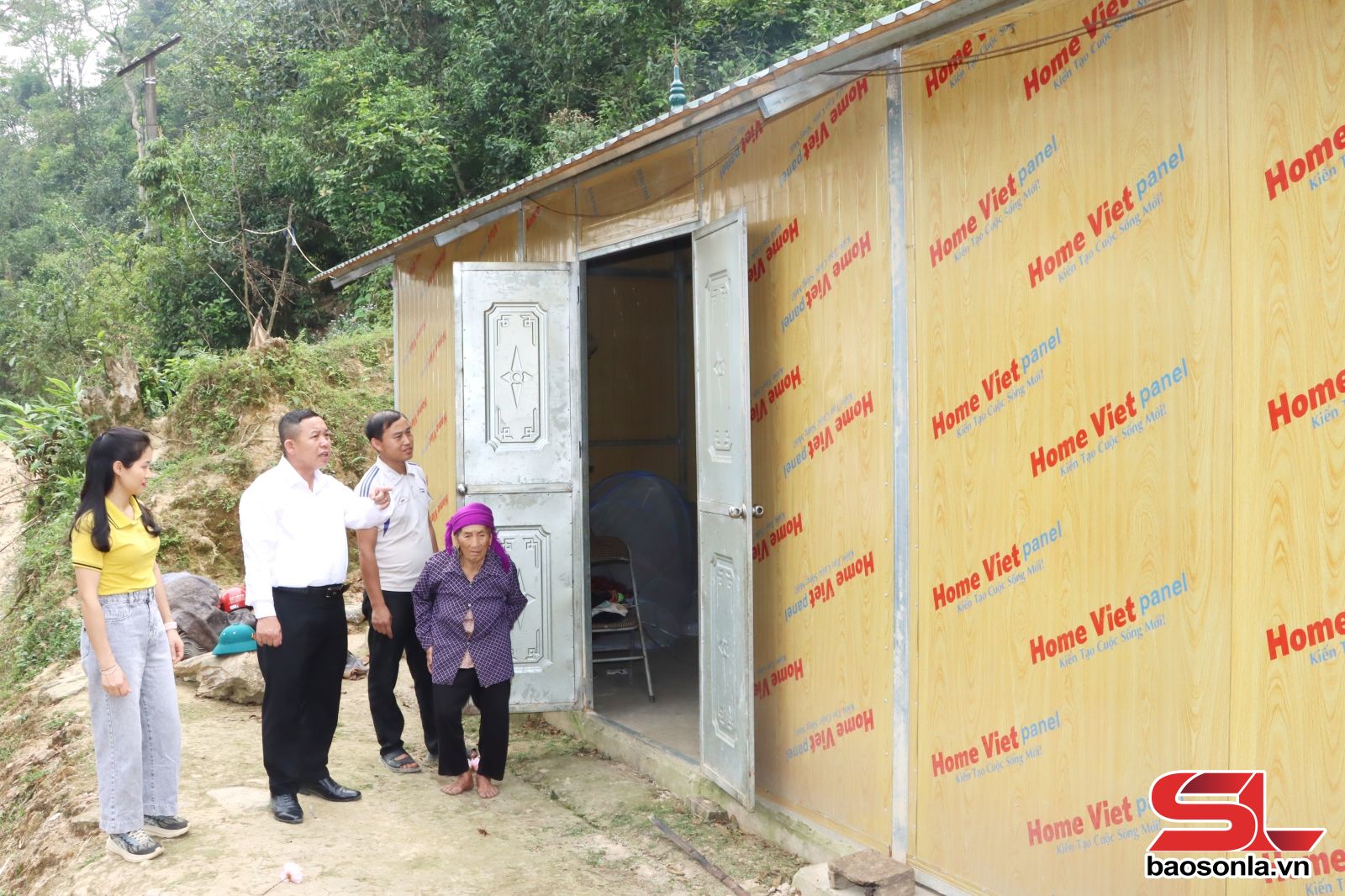
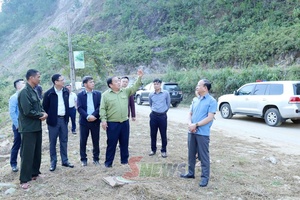
Infrastructure development has also been strengthened through national target programmes. Since 2025, the commune has supported housing repairs for 41 poor households, worth more than 2.6 billion VND. Roads connecting hamlets have been concreted and repaired with total investment exceeding 31 billion VND. The commune has cooperated with Viettel Son La to expand mobile towers and internet infrastructure to multiple hamlets, improving digital connectivity.
Looking ahead, Suoi To aims to reduce the poverty rate by at least 3% annually and raise per capita income by 15% by 2030 compared to 2025. The commune plans to continue mobilising resources to upgrade key routes linking Suoi To with Phu Yen and Ta Xua communes as well as inter-hamlet roads, improving trade and mobility.
At the same time, it seeks to leverage natural resources, cultural identity and local specialties to develop sustainable agriculture linked with forest protection and community-based tourism. Local authorities are also calling for continued support from higher-level authorities to mobilise additional resources and create sustainable livelihoods for residents.


You have 500/500 characters left
Please enter 5 or more characters!!!