






A leader of the Department of Education and Training speaks at the working session.
Implementing the movement, the Department of Education and Training has strengthened dissemination through various forms to officials, civil servants, public employees, and students, creating a clear shift in awareness and action, and promoting the spirit of self-learning to enhance knowledge and digital skills.
The sector has organised 112 communication activities, attracting over 52,000 students. High schools have conducted 595 classes and digital learning support sessions, engaging more than 42,000 students. As many as 59 exemplary digitalisation models have been developed.
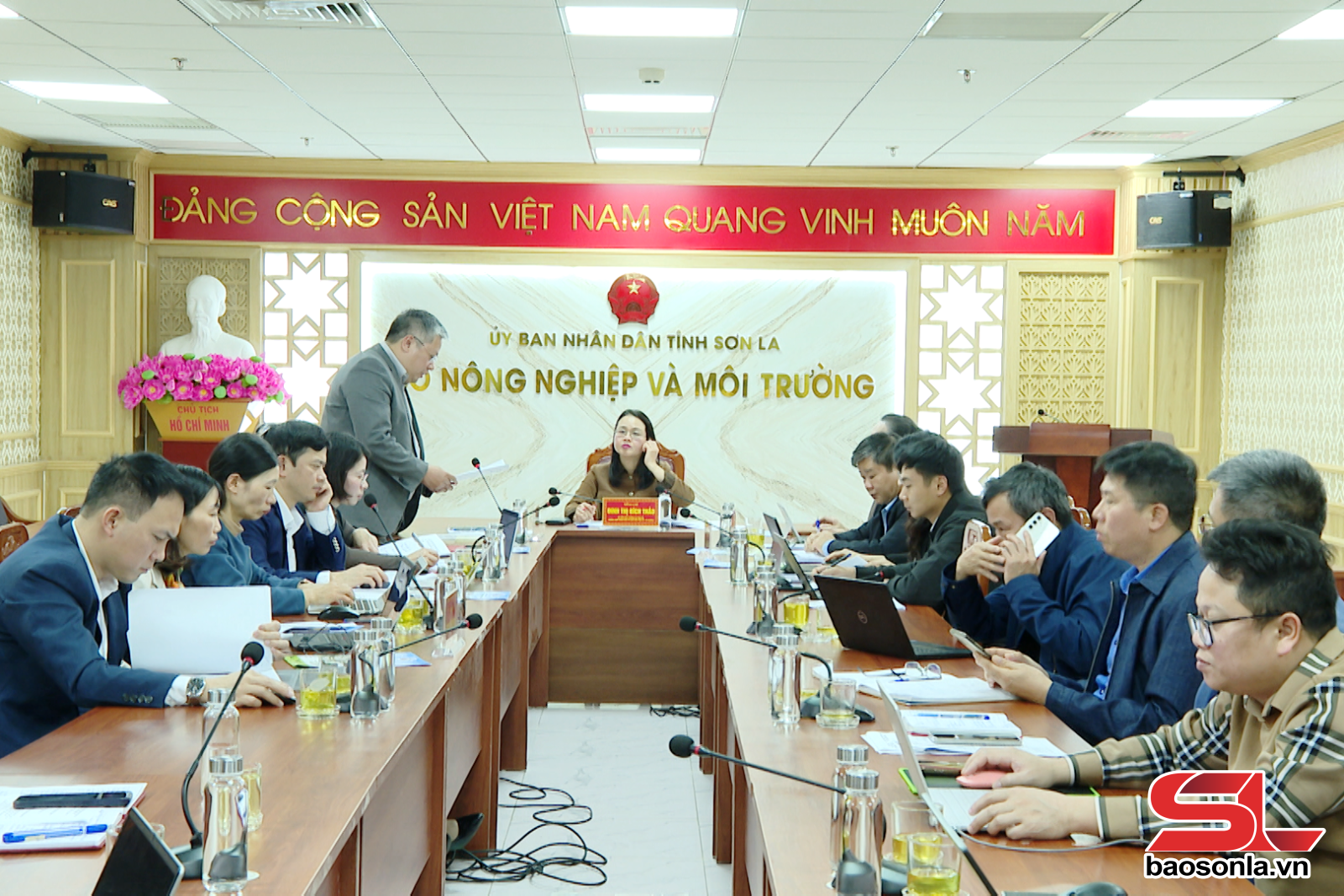
A leader of the Department of Agriculture and Environment addresses the working session.
Meanwhile, the Department of Agriculture and Environment has effectively promoted the “Digital Literacy for All” movement to all officials, public employees, and workers; and supported the updating of skills in using IT platforms, such as AI, open data, and IOC, in performing tasks.
Most staff members have mastered internal systems, online meeting platforms, and specialised applications. In 2025, the department recognised 26 innovative solutions across 19 fields, most of which applied information technology. It also supported farmers in promoting agricultural products on e-commerce platforms, contributing to increasing product value.
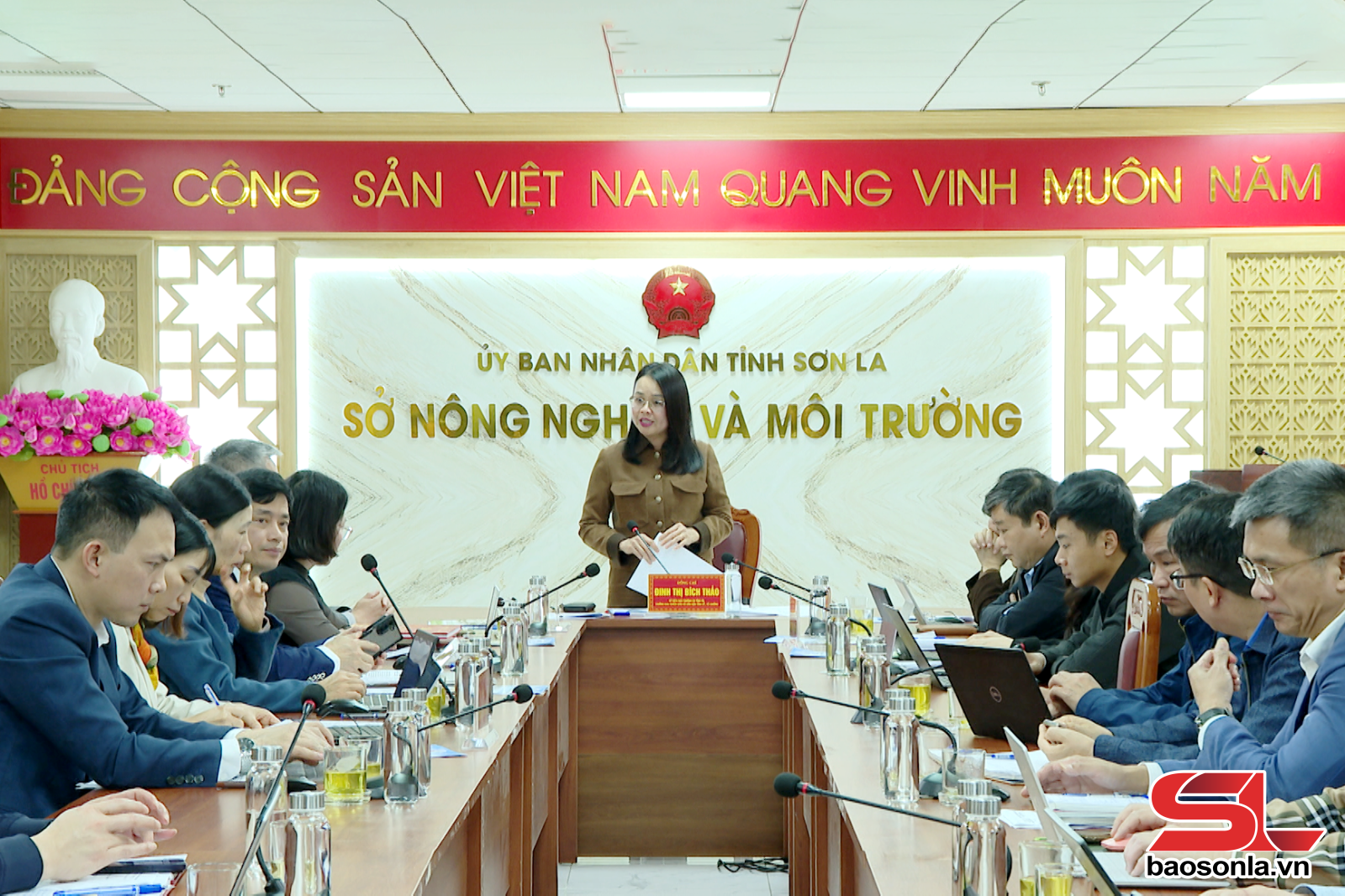
Dinh Thi Bich Thao, head of the provincial Party Committee’s Board for Information, Education and Mass Mobilization, speaks at the working session.
Speaking at the working session, Thao appreciated the results of the implementation of the “Digital Literacy for All” movement by the departments. She asked them to continue following central and provincial directions, and develop clear plans for 2026, specifying responsible persons and tasks.
She emphasised strengthening digital skills training, evaluating the task fulfilment of each official, civil servant, public employee, and worker; promoting and guiding the public to apply digitalisation in an understandable and accessible way; and building and expanding exemplary models to increase the proportion of citizens and students accessing digitalisation, thereby contributing to the formation of digital citizens.
.jpg)














You have 500/500 characters left
Please enter 5 or more characters!!!