

Transformation through digitalisation
Previously, tourism activities in Phu Mau hamlet were mostly spontaneous, small-scale, and heavily dependent on local experience. Promotion efforts were limited, with little effective use of digital platforms, resulting in unstable visitor numbers, mainly from the province or small groups.
A turning point came in 2022 with the establishment of the Tat Nang Tourism and Agriculture Cooperative, comprising 14 local Thai ethnic women. However, in its early stages, the cooperative faced numerous challenges in management, service organisation, and market expansion.
 The hot spring bathing area of the Tat Nang Tourism and Agriculture Cooperative.
In 2024, the cooperative joined the Gender Responsive Equitable Agriculture and Tourism (GREAT) project, funded by the Australian Government, through two components: Women’s Economic Empowerment through Leadership (WEL) and the Inclusive Digital Acceleration Programme (IDAP). This became a crucial boost, helping the cooperative gradually change its mindset and approach.
According to Ngan Thi Nga, Director of the cooperative, participation in the GREAT Project provided access to training in digital transformation, business management, and leadership skills. Previously reliant on experience, the cooperative now applies structured planning, task allocation, and more effective management. Beyond theory, these lessons have been applied in practice, including the adoption of management software, e-invoicing, and gradual digitisation of operations.
Members have also been guided in creating media content, posting images and videos on digital platforms. Notably, the application of artificial intelligence (AI), including tools like ChatGPT, has helped in writing service descriptions, responding to customer inquiries, and producing multilingual promotional content.
This transformation is not only technological but also conceptual, as members have improved task allocation and professionalism in customer service.
 Members of the Tat Nang Tourism and Agriculture Cooperative share their experience in creating videos using smartphones.
Ha Thi Khuyen, a homestay owner in Phu Mau hamlet, said that she previously did not know how to promote her services. After receiving guidance from the project, she learned how to take better photos, write posts, and share them on Facebook. Members have also used AI to create content introducing activities and promoting the hot springs, thereby saving time and effort while still reaching more customers.
According to a representative of the GREAT Project in Son La, through training programmes and technical support, the project has helped more than 200 women and cooperatives enhance management capacity and gradually adopt digital transformation.
Sa Van Duc, an official of the GREAT Project Office in Son La, said that the project not only provides knowledge but also accompanies participants in practical application. The Tat Nang model shows that when women are empowered and equipped with skills, they can become a core force in local economic development.
In reality, the GREAT Project has acted as a “midwife,” providing both technical support and a shift in mindset, laying a foundation for sustainable development.
 Representatives of the GREAT Project exchange information and discuss initial results with members of the Tat Nang Tourism and Agriculture Cooperative.
Forming an attractive destination
With support from digital transformation and the project, the cooperative has gradually leveraged its natural advantages to develop tourism.
The hot spring in Phu Mau hamlet has temperatures ranging from 30–40°C and is rich in minerals, making it ideal for relaxation and health recovery. The natural water source flows year-round, combined with pristine mountainous surroundings, creating a unique appeal.
In addition to the hot spring, the area boasts scenic attractions such as Tat Nang Waterfall, a recognised provincial landmark. The combination of waterfalls, hot springs, and traditional villages forms an attractive tourism complex.
 The hot spring bathing area attracts a large number of international visitors.
Since being systematically developed in 2022, Tat Nang has quickly drawn visitors. According to the cooperative, the site welcomed around 40,000 visitors in 2023, increasing to over 70,000 in 2025, including thousands of international tourists from countries such as France, Spain, Switzerland, and Israel. During peak periods, the site receives several hundred visitors per day.
A Canadian tourist, Lucas Martin, shared that he was deeply impressed by the landscape, describing it as majestic yet peaceful, with friendly and hospitable locals. The hot spring, he added, offers a truly relaxing experience.
 The hot spring bathing area attracts a large number of both domestic and international visitors.
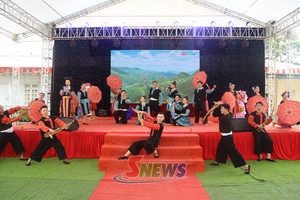
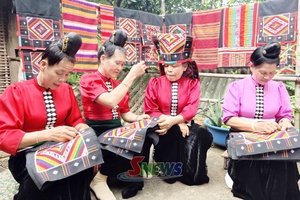
Beyond bathing in the hot spring, visitors can enjoy traditional performances, learn about tea cultivation, harvest agricultural products, explore stilt-house architecture and the daily life of the Thai ethnic community. These activities enhance visitors’ understanding of local culture while increasing the value of tourism services.
Currently, the cooperative provides stable employment for more than 20 local workers, with an average income of 5–7 million VND (190-266 USD) per person per month. During peak seasons, the number of seasonal workers doubles. The development of tourism has contributed to improving local livelihoods and gradually reducing poverty in a sustainable manner.
 A member of the Tat Nang Tourism and Agriculture Cooperative introduces Son La’s tourist attractions to international visitors.
From a little-known destination, Tat Nang Hot Spring is steadily establishing its position on Son La’s tourism map. This initial success stems not only from natural advantages but also from innovative thinking, the application of technology, and especially the effective support of the GREAT Project.
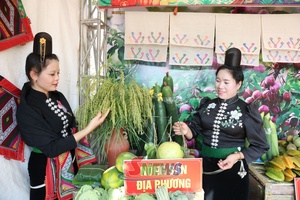
 In addition to hot spring bathing, visitors can also experience agricultural activities.
With proper support, local communities can take ownership of tourism models, enhance the value of their products, and gradually integrate into broader markets. This represents a suitable direction for developing community-based tourism linked with sustainable poverty reduction, helping bring the image of Phu Mau hamlet and Son La’s tourism destinations in general closer to domestic and international visitors.
.jpg)


You have 500/500 characters left
Please enter 5 or more characters!!!