




The cooperatives operate across a range of sectors, including construction, construction-materials production, trade and services, with agriculture accounting for a large share. Some have proactively revamped production methods, expanded their scale and strengthened linkages, gradually adapting to market-based mechanisms.
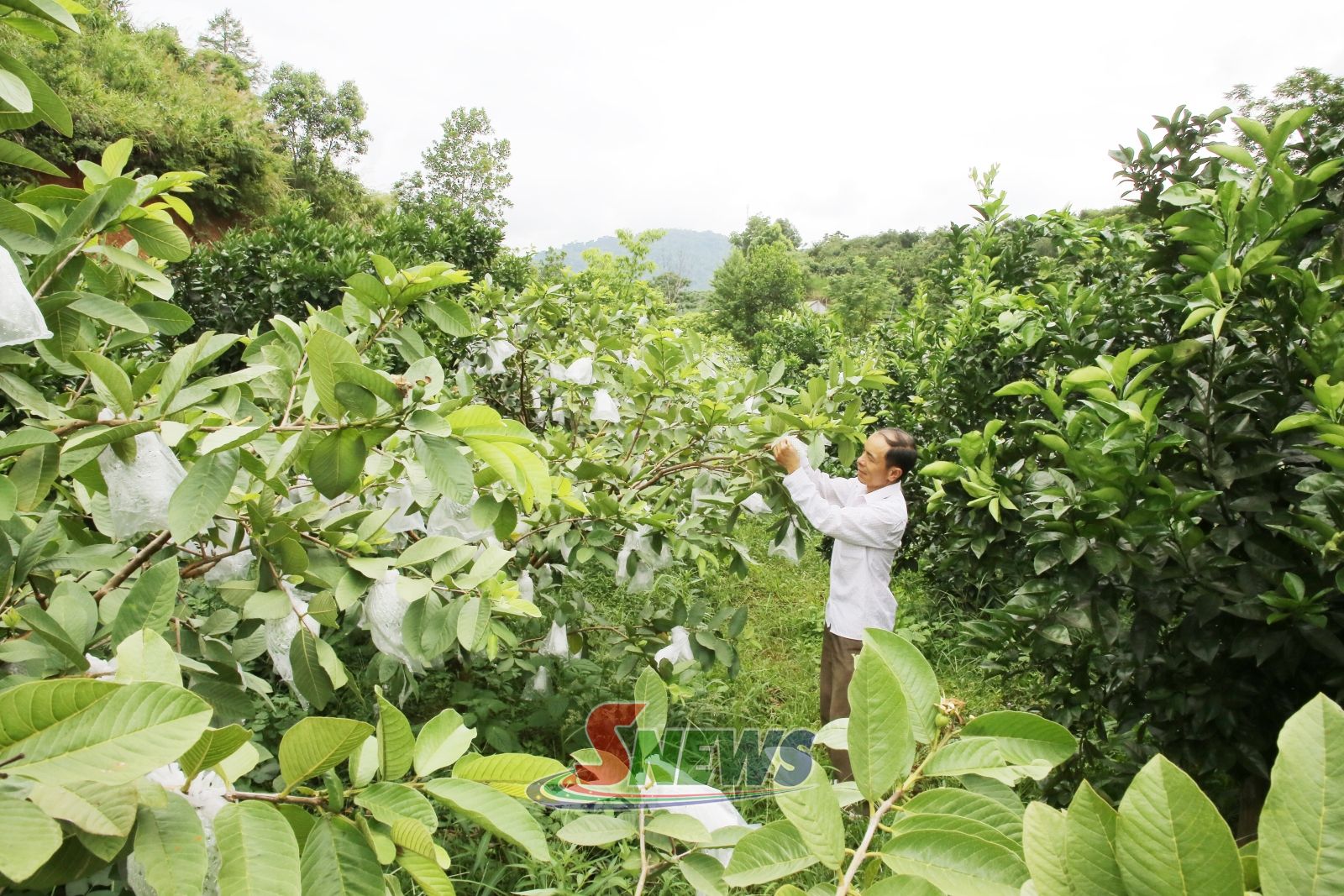
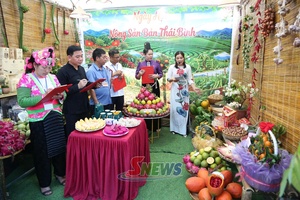
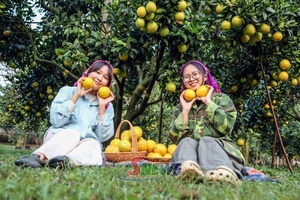
A notable example is Hoang Son Agricultural Cooperative, which has 24 members and 75 hectares devoted to specialty fruit crops including persimmon, mango, longan, avocado, plum, orange and pomelo. The cooperative encourages its members to follow VietGAP standards, enabling many households to earn between 200 million VND and more than 500 million VND per hectare annually.
Do Huu Manh, the cooperative's director, said members are required to tend their fruit trees in accordance with technical procedures and ensure food safety. The cooperative also connects them with businesses and suppliers of fertilizers and seedlings to facilitate technical transfers and secure outlets for their produce. Strict adherence to production procedures and reduced use of chemical-based pesticides have helped boost customer confidence in the cooperative's products.
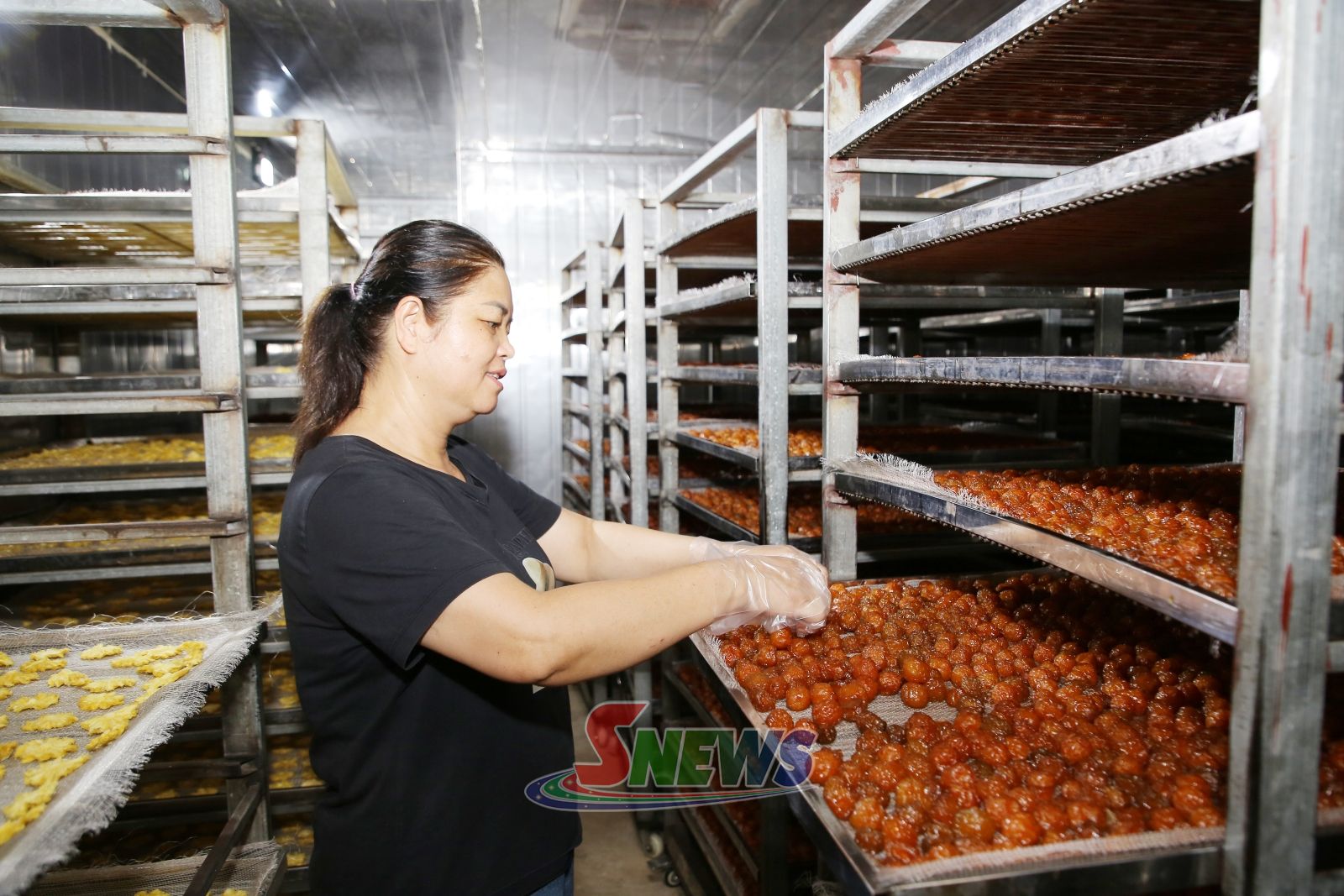
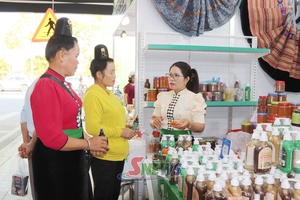
At Cuong Hoa Agricultural and Dried Fruit Services Cooperative, about 200 metric tonnes of plums and mangoes are purchased from local farmers each year for processing into soft-dried products. The cooperative recently received support to implement a 2026 project aimed at promoting the use of advanced machinery and equipment in fruit production and processing, with total funding of more than 617 million VND. The investment includes a cold-drying system with a capacity of 3,000 kg of raw materials a day.
Its director Hoang Thi Hoa said the new equipment has helped complete the production line, improve productivity and product quality and strengthen its competitiveness in the market. It has also eased pressure to sell fresh fruit, helping stabilise market outlets and create sustainable livelihoods for fruit-growing households.
However, the cooperatives continue to face a number of challenges. Some are small in scale, with low charter capital and inadequate equipment and production resources. The management capacity of cooperative staff remains limited, while access to government support policies is difficult because viable production and business plans have yet to be developed. Production and product-marketing linkages remain weak, besides unstable markets.
.jpg)
To address these challenges, Chieng Son is stepping up efforts to build value-chain linkages among farmers, cooperatives and businesses. The commune is focusing on developing stable raw-material supply areas and expanding key products such as tea and other local specialties, while providing management training for cooperative officials and encouraging young, skilled workers to join the collective-economy sector.
It is working to promote the application of science and technology, strengthen existing cooperatives and encourage the formation of new ones aligned with local production needs.
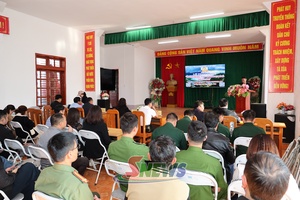
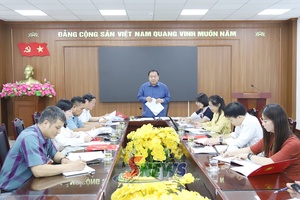
Vu Thanh Hai, Chairman of the commune People’s Committee, said loal authorities have regularly reviewed cooperative operations and monitored their performance to promptly propose support mechanisms and policies. It has also conducted outreach to encourage residents to form cooperatives.
The commune has helped cooperatives access financing and machinery, apply scientific and technological advances, invest in technology, strengthen management capacity, standardise production processes and build brands.
With the support of Party Committees and local authorities, along with the efforts of cooperative members, the collective economy in Chieng Son is gradually gaining momentum. Addressing challenges related to capital, human resources and markets will help cooperatives improve their operational efficiency, contributing to new-style rural development and better living standards for local residents.





You have 500/500 characters left
Please enter 5 or more characters!!!