

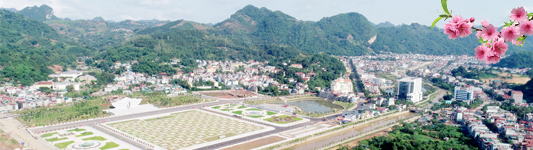
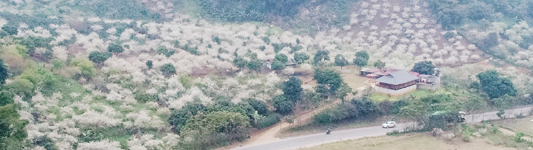

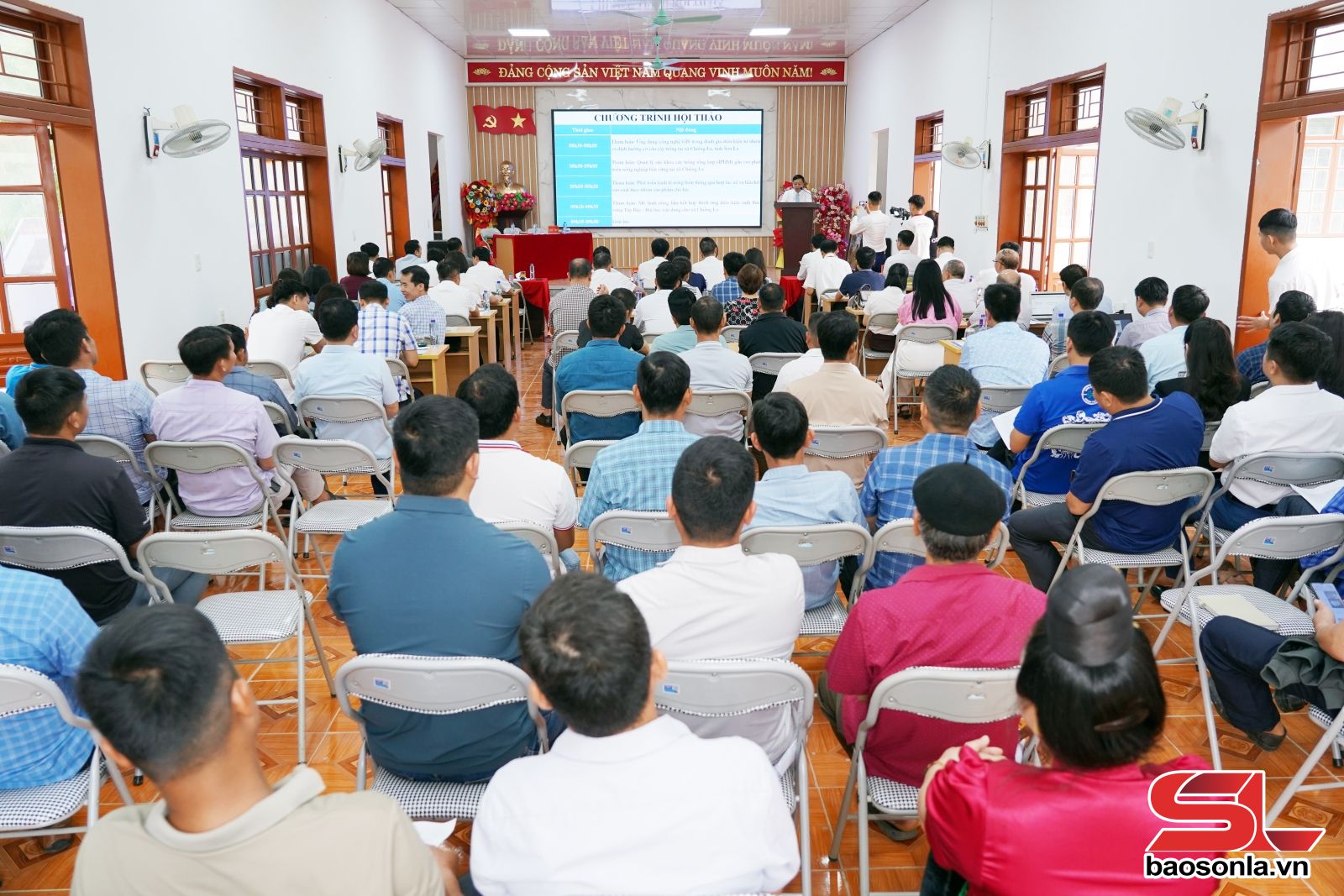
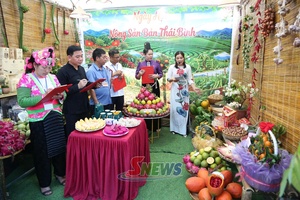
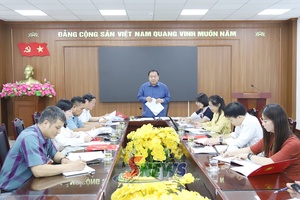
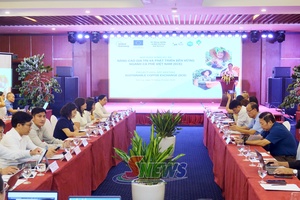
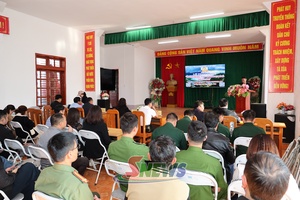
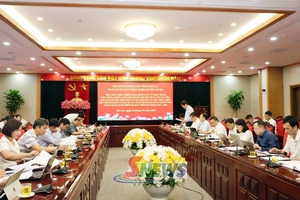
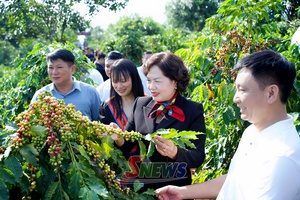
At the workshop on the current situation and orientations for sustainable agricultural development in Chieng La commune.
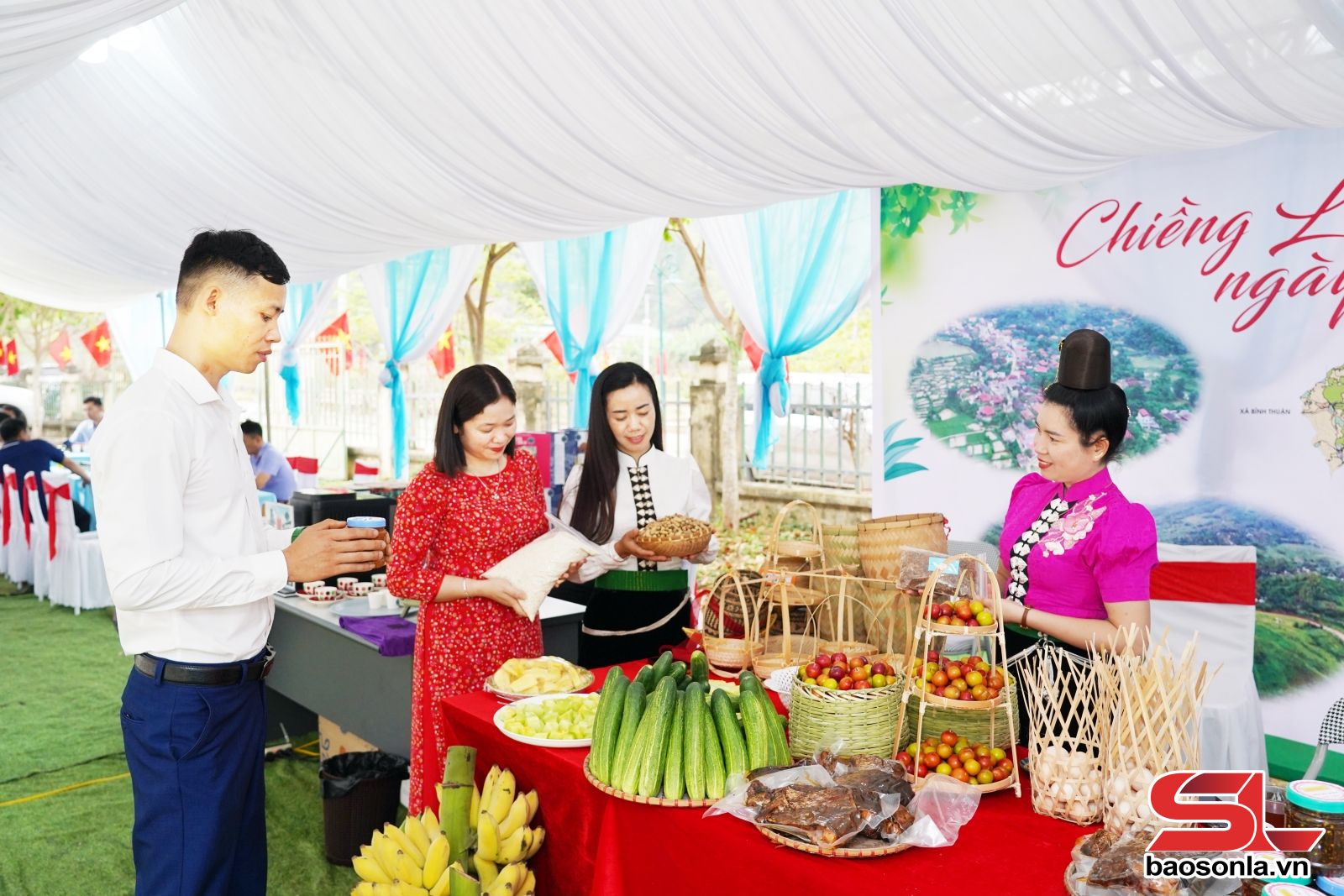
Chieng La commune has more than 4,400 hectares of agricultural land, with key crops including rice and cassava; industrial crops such as tea and coffee; and fruit trees like banana, mango, and longan. The total livestock herd exceeds 149,000 heads, with average annual live-weight meat output reaching 128 tonnes. At present, the commune’s agricultural economy is still considered to be in the early stage of transitioning from subsistence farming to commodity production.
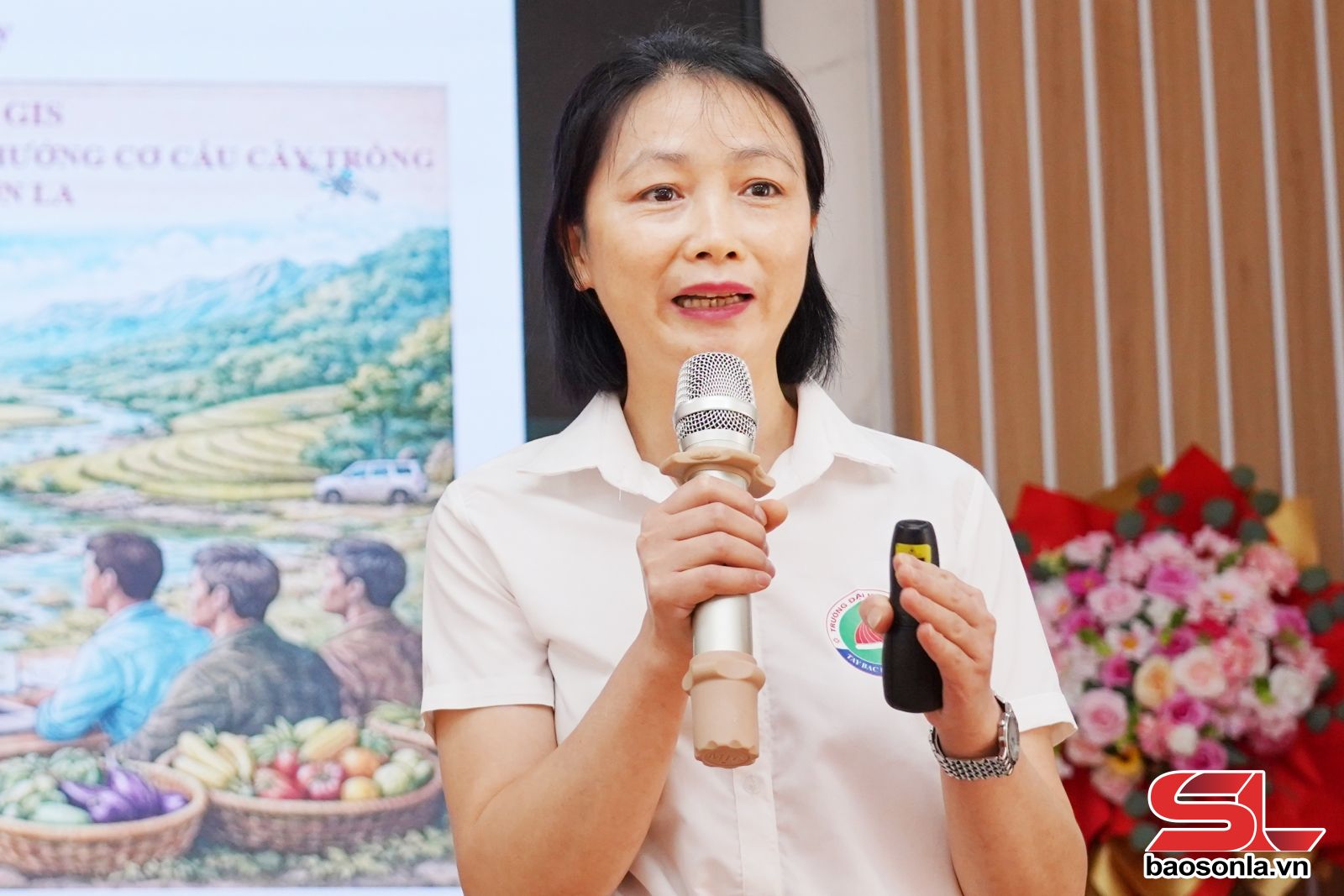
However, Chieng La still face several challenges in agricultural production, including small-scale and fragmented farming, lack of value chain linkages, and predominantly hilly and mountainous terrain that limits the expansion of tea and coffee cultivation areas. In addition, local farmers also encounter constraints in mobilising capital and applying scientific and technical advances in production. Market access remains heavily dependent on traders, and local products have yet to establish strong branding.
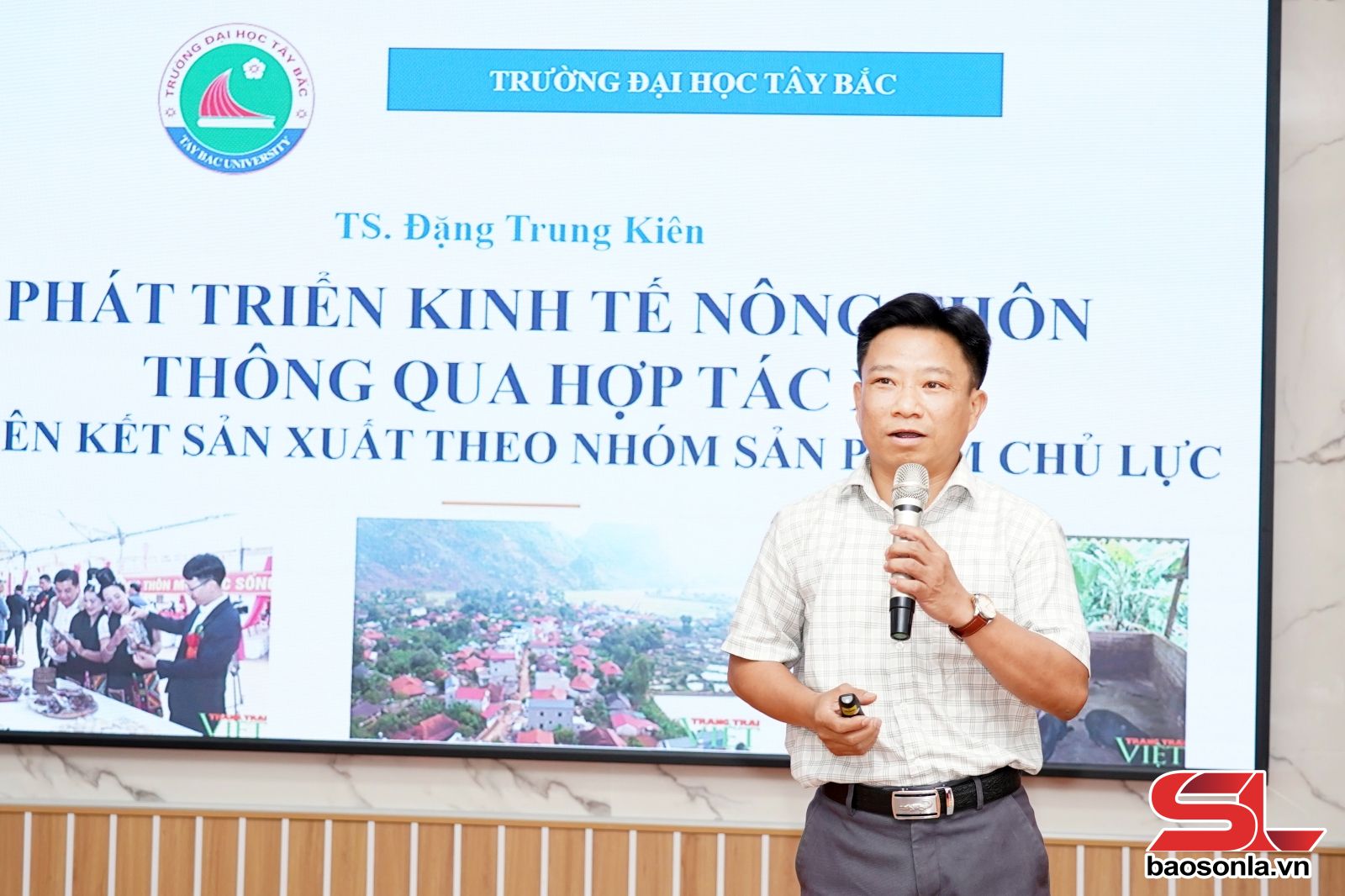
At the end of the workshop, Tay Bac University and the People’s Committee of Chieng La commune agreed on three key directions to promote sustainable agricultural development. These include shifting from small-scale production to market-oriented commodity production; building a brand for Chieng La’s agricultural products through local cooperatives; and strengthening production linkages by establishing a “three-party” relationship among the State, scientists, and farmers, thereby gradually enhancing the value and position of the commune’s agricultural products.



You have 500/500 characters left
Please enter 5 or more characters!!!