

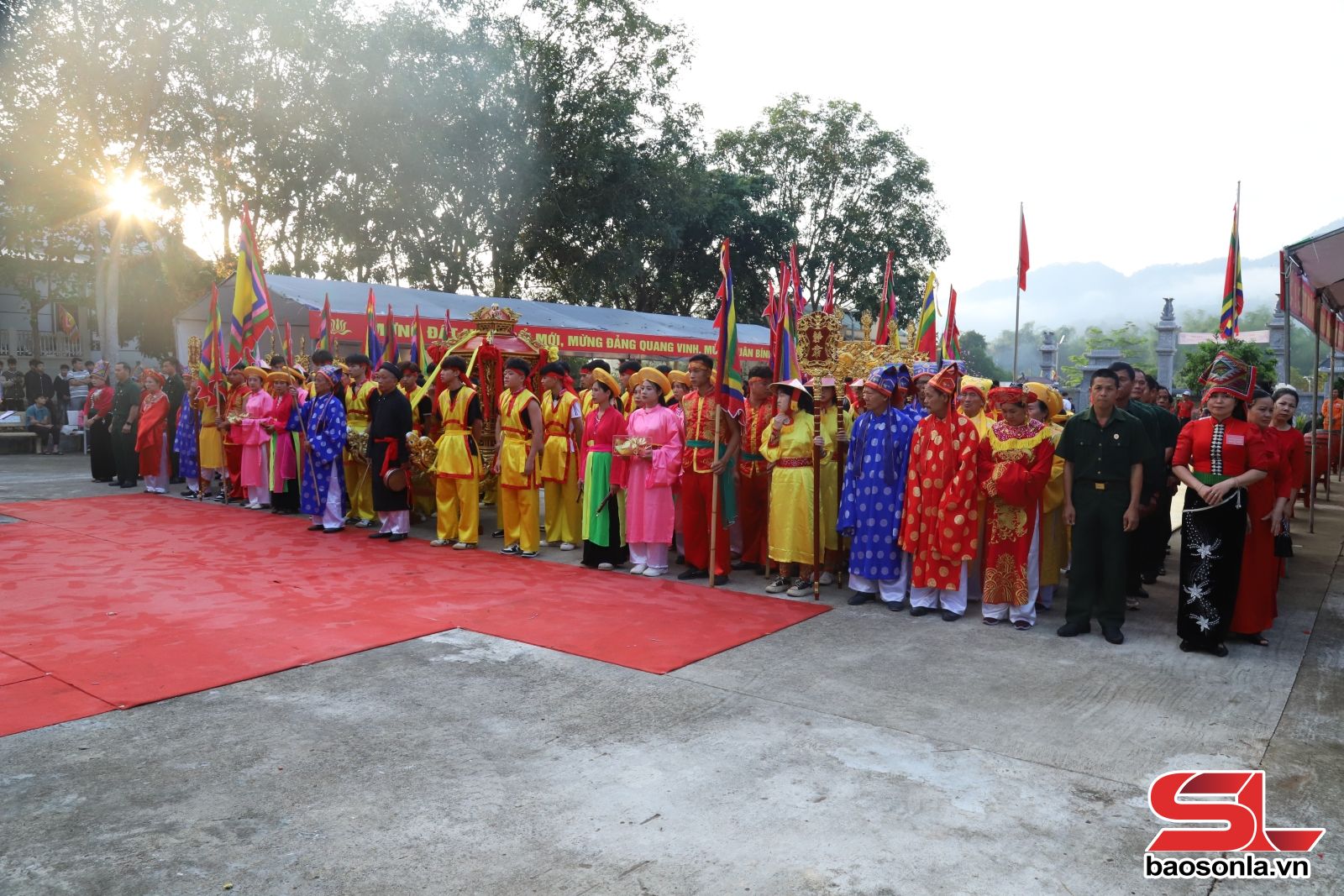
Preparations for the water procession ritual at the incense offering festival.
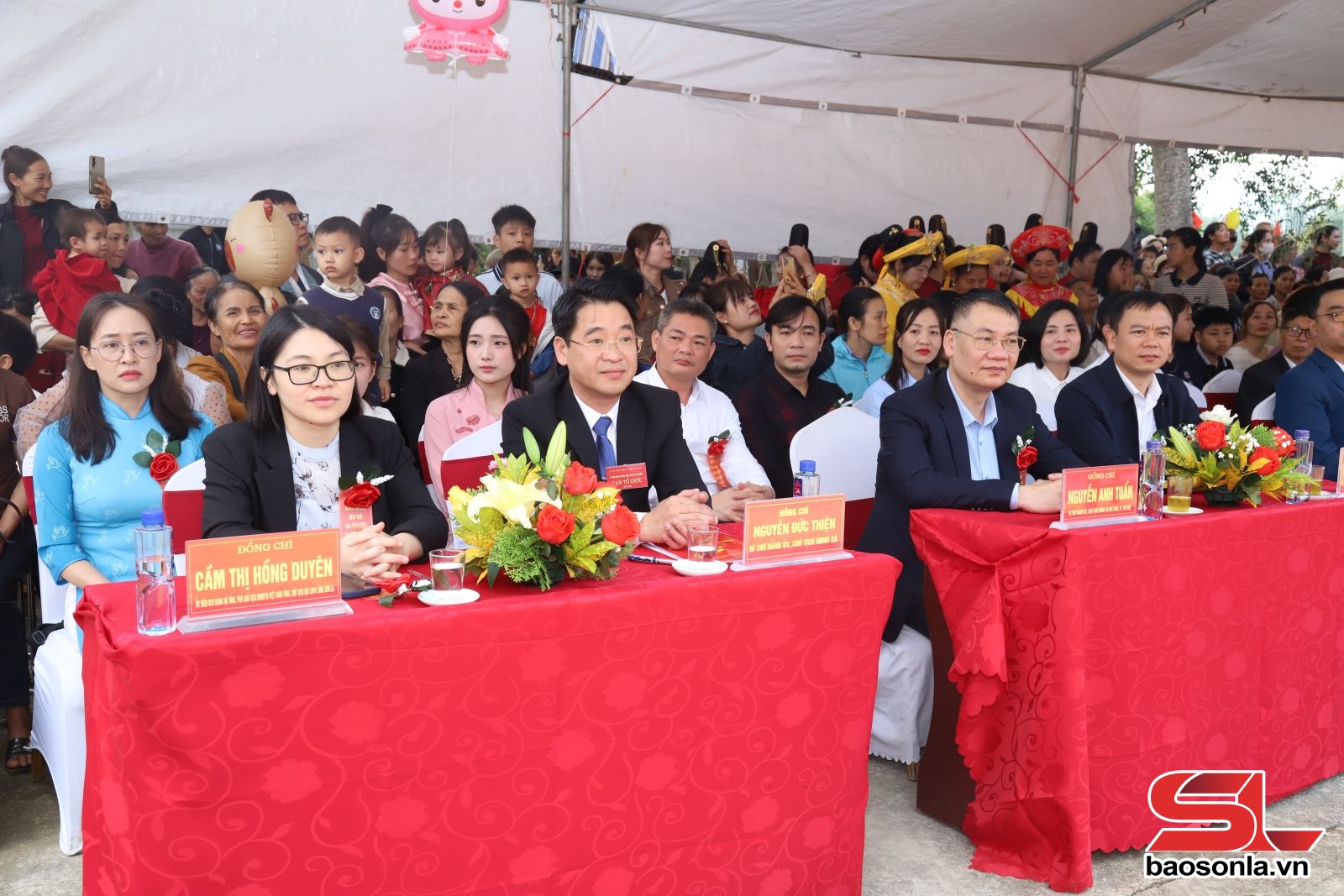
Delegates attend the festival.
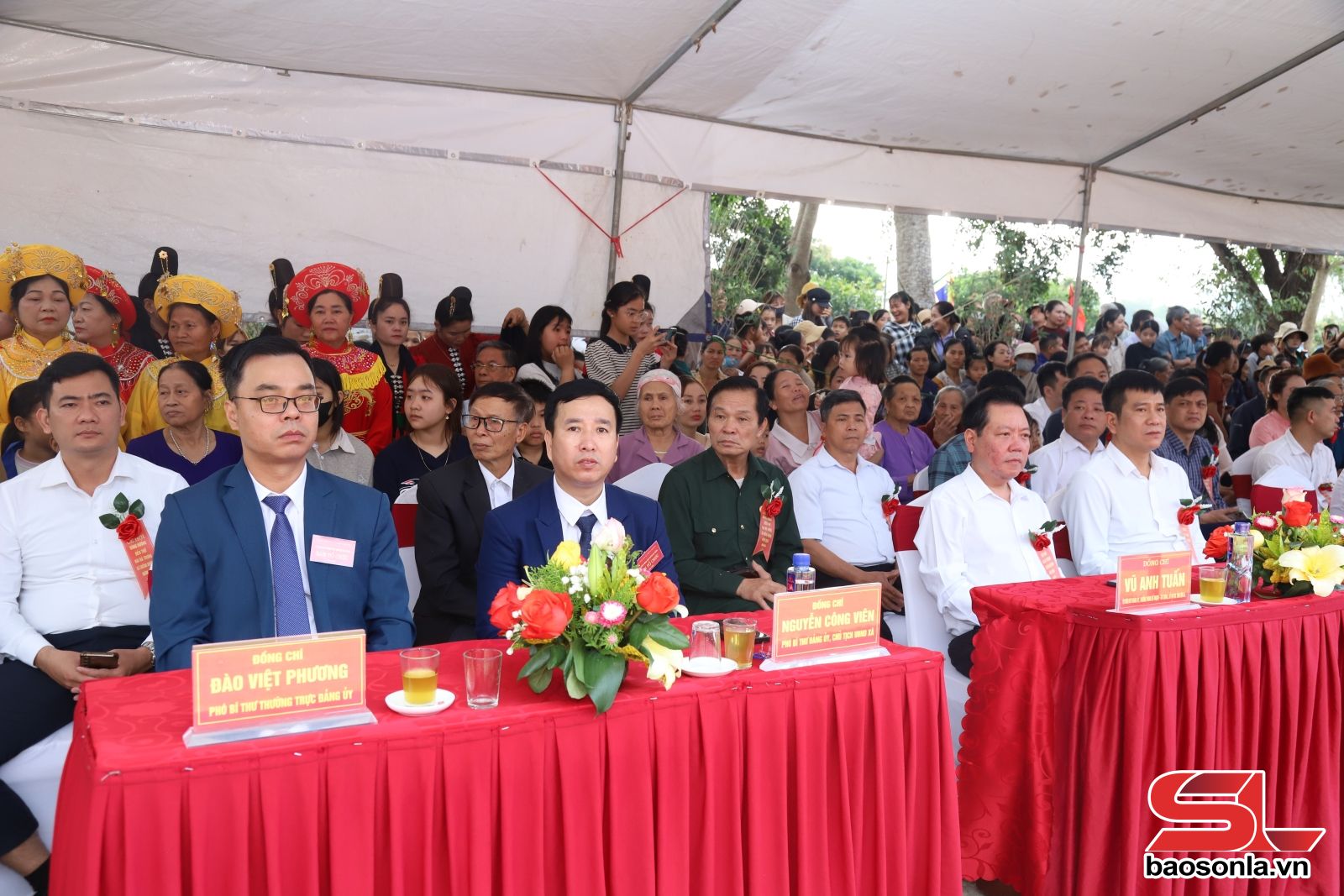
Delegates attend the festival.
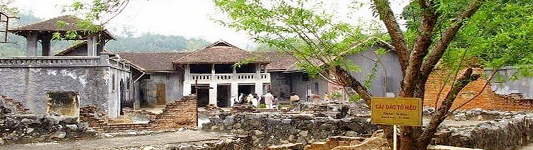
In 1975, implementing the Party and State’s policy, residents of Nai Nam village, Hong Ha commune, Dan Phuong district, former Ha Tay province, relocated to a new economic zone in Chieng Khuong commune, former Song Ma district. With the agreement of the authorities of the two former districts, the temple was relocated and rebuilt in Thong Nhat hamlet, Chieng Khuong commune.
To this day, local residents continue to uphold the tradition of holding the festival on the 12th day of the first lunar month each year. In addition to the main festival, they also organise various activities to commemorate the birth anniversary of the Trung Sisters (Trung Trac – Trung Nhi) and the death anniversary of Thi Sach – the husband of Trung Trac, meeting the spiritual needs of the community in their new homeland.
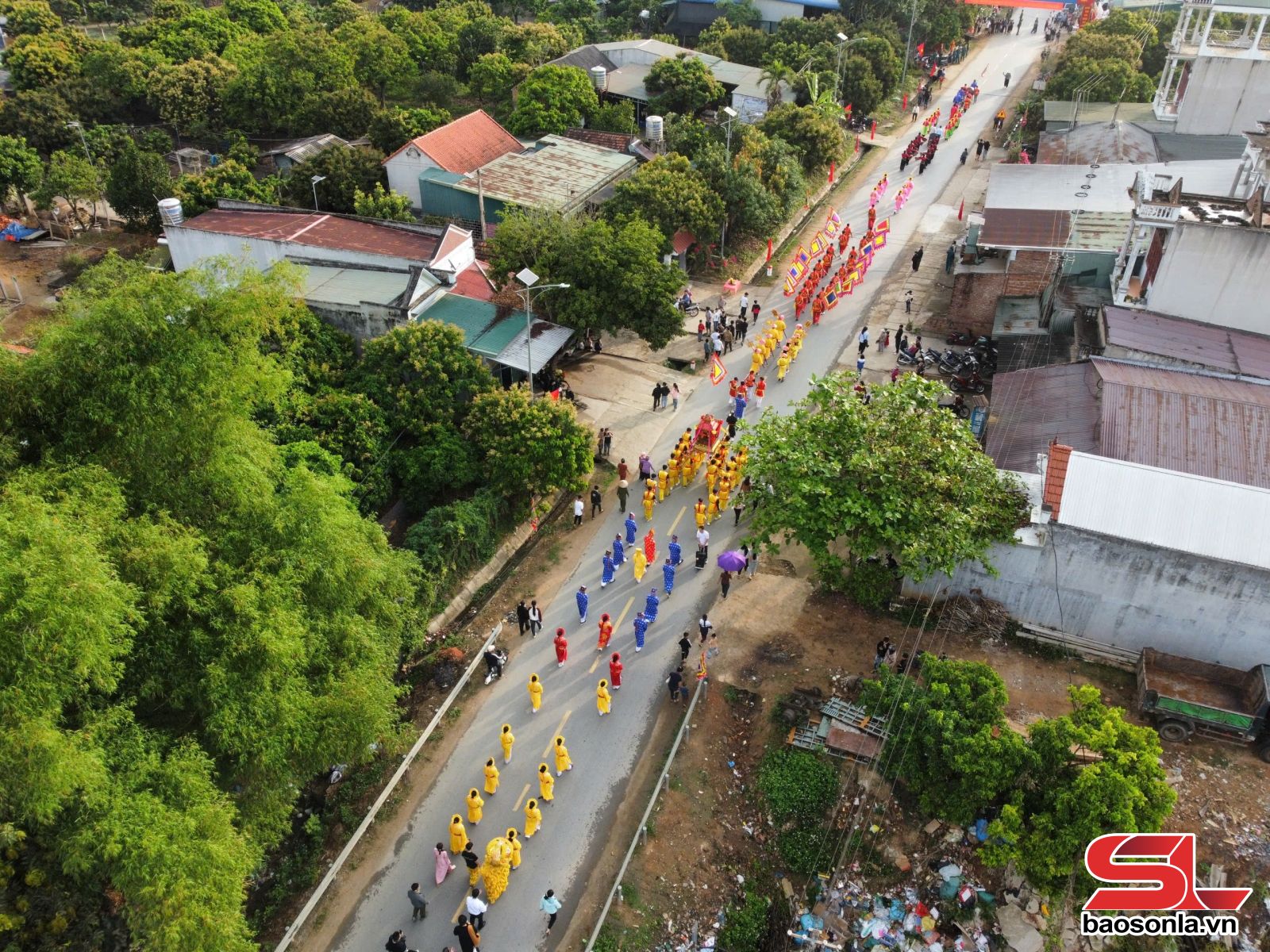
An overview of the water procession ritual at the Incense Offering Festival 2026.
The temple has preserved relatively intact the original set of worship objects, including artifacts made of wood, bronze, earthenware, porcelain, and paper, dating from approximately the 16th to the 19th centuries. Promoting its historical and cultural values, local authorities have actively mobilised social resources to restore and embellish the temple. The site has become an attractive spiritual destination, drawing numerous visitors from near and far, especially in early spring. Notably, in 2011, the Hai Ba Trung Temple was recognised by the provincial People’s Committee as a provincial-level historical relic site.
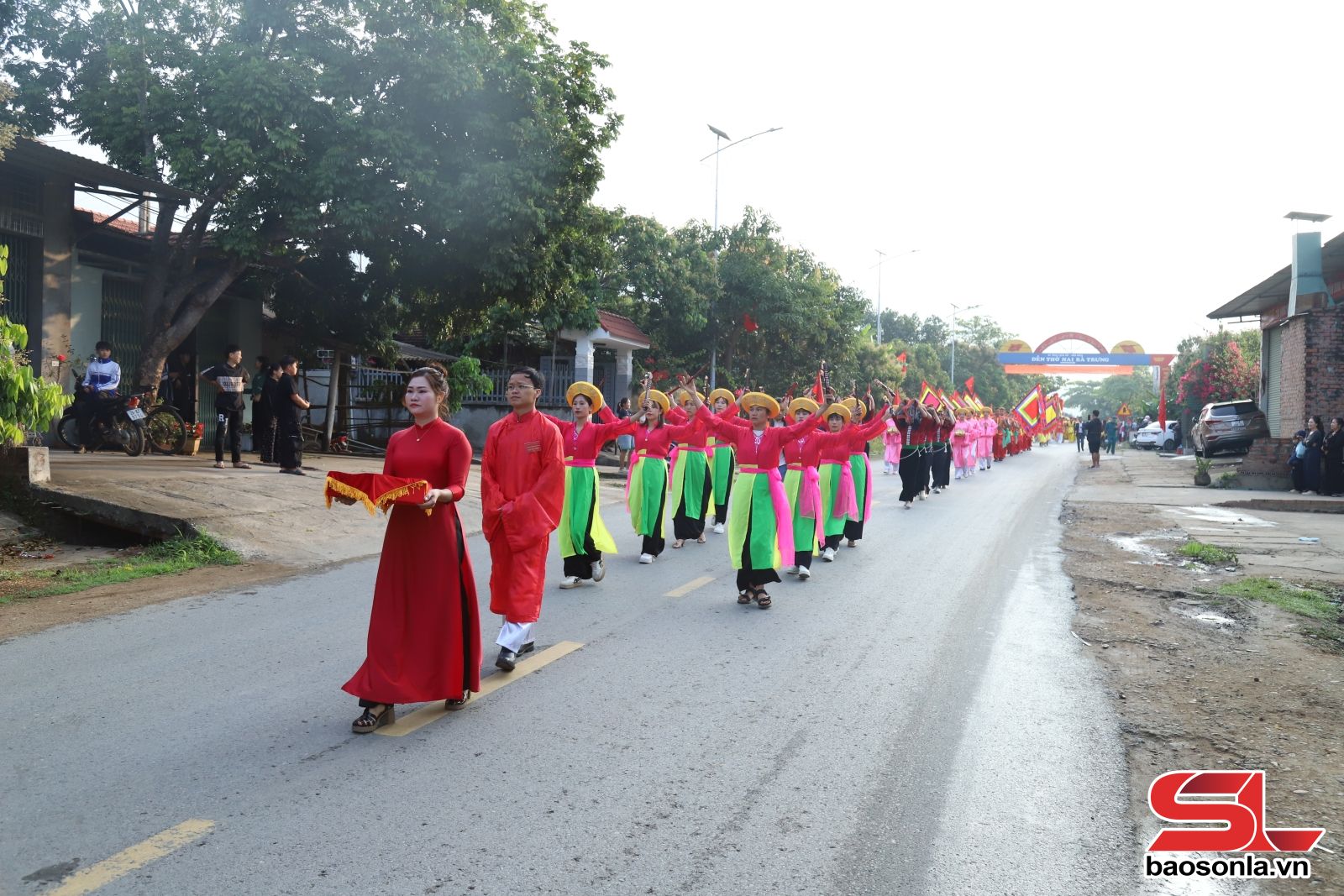
Procession groups participate in the water procession ritual at the festival.
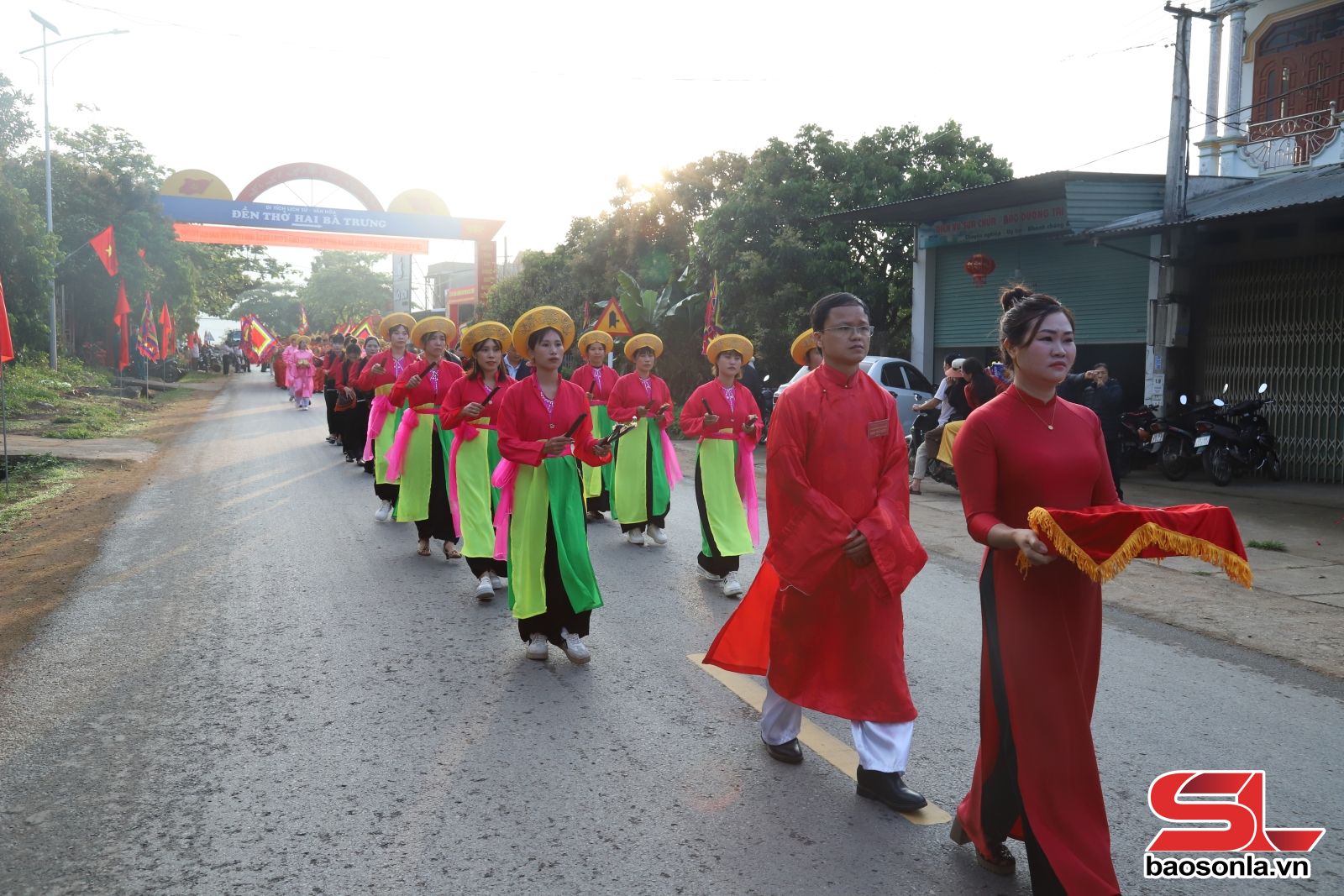
The ‘xenh tien’ dance troupe in the water procession.
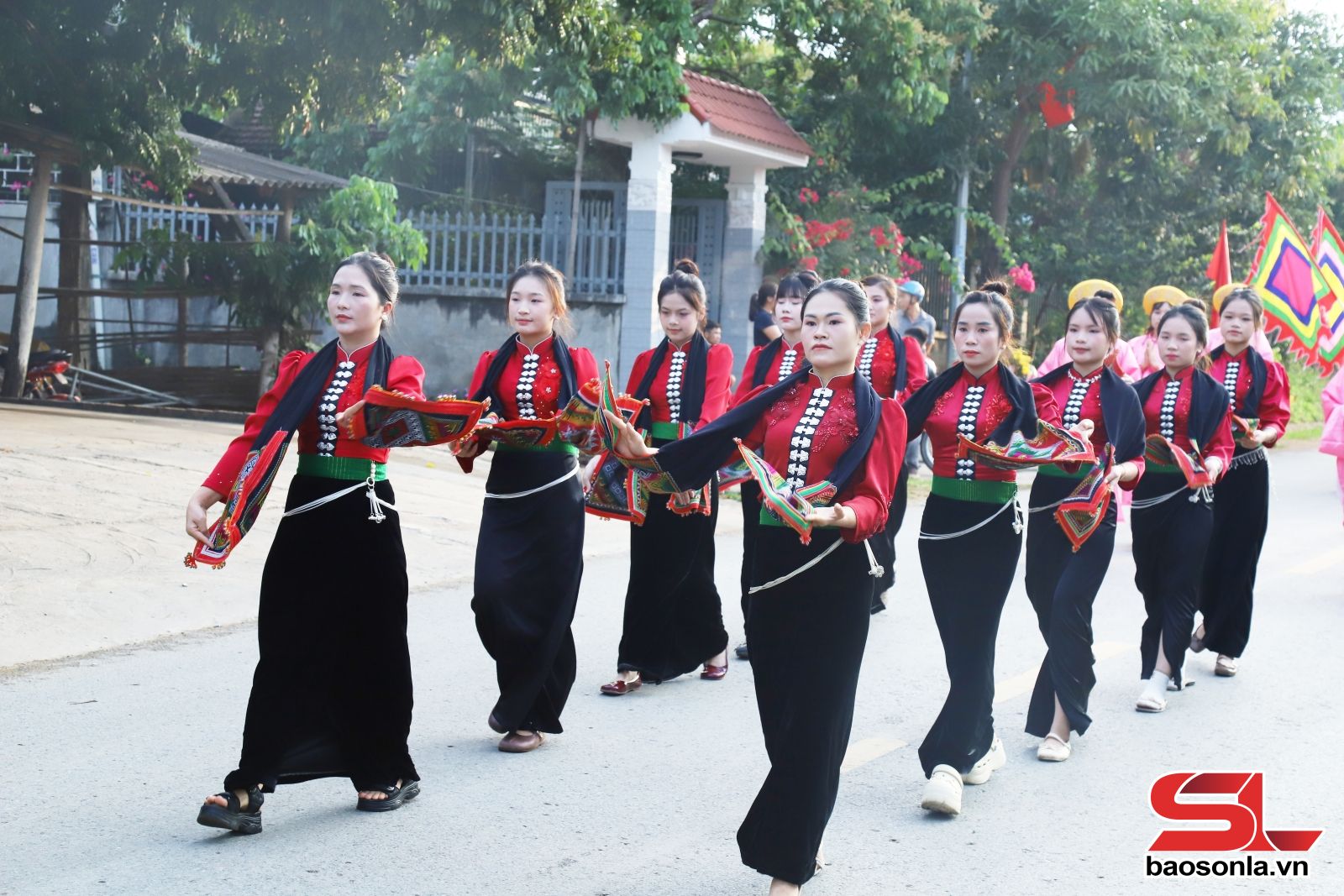
The festival consists of both ceremonial and festive parts. The ceremonial section features the water procession ritual, with participation from various groups, including the ‘xenh tien’ dance troupe, local dance troupe, offering team, flag team, ceremonial guard team, water jar procession team, drum team, palanquin procession team, ritual team, and incense offering team, who carried out the procession from the Ma River to the temple. At the Ma River, a shaman burned incense and performed the ceremony of drawing water into a ceremonial jar, after which the procession returned to the temple.
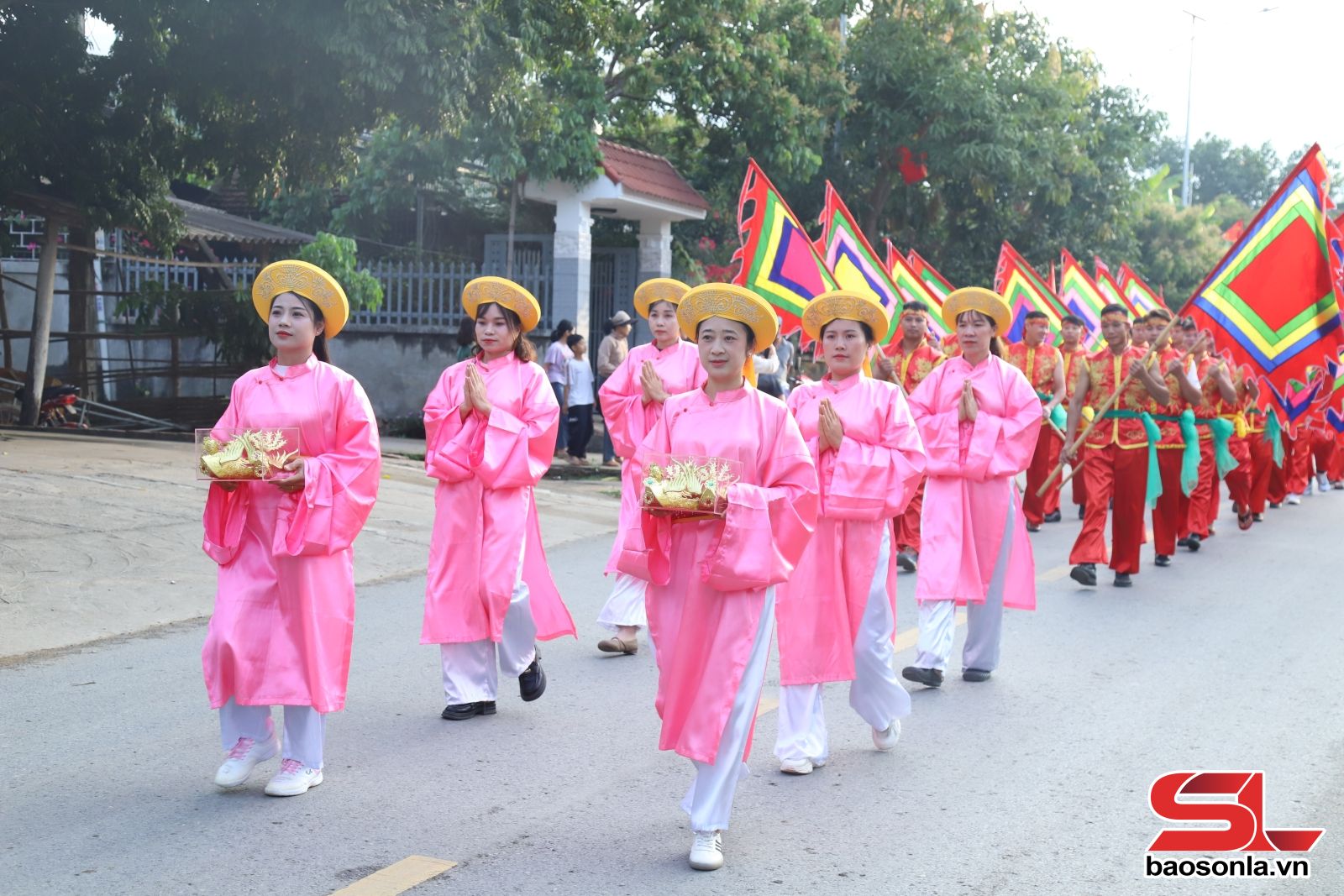
The offering team in the water procession.
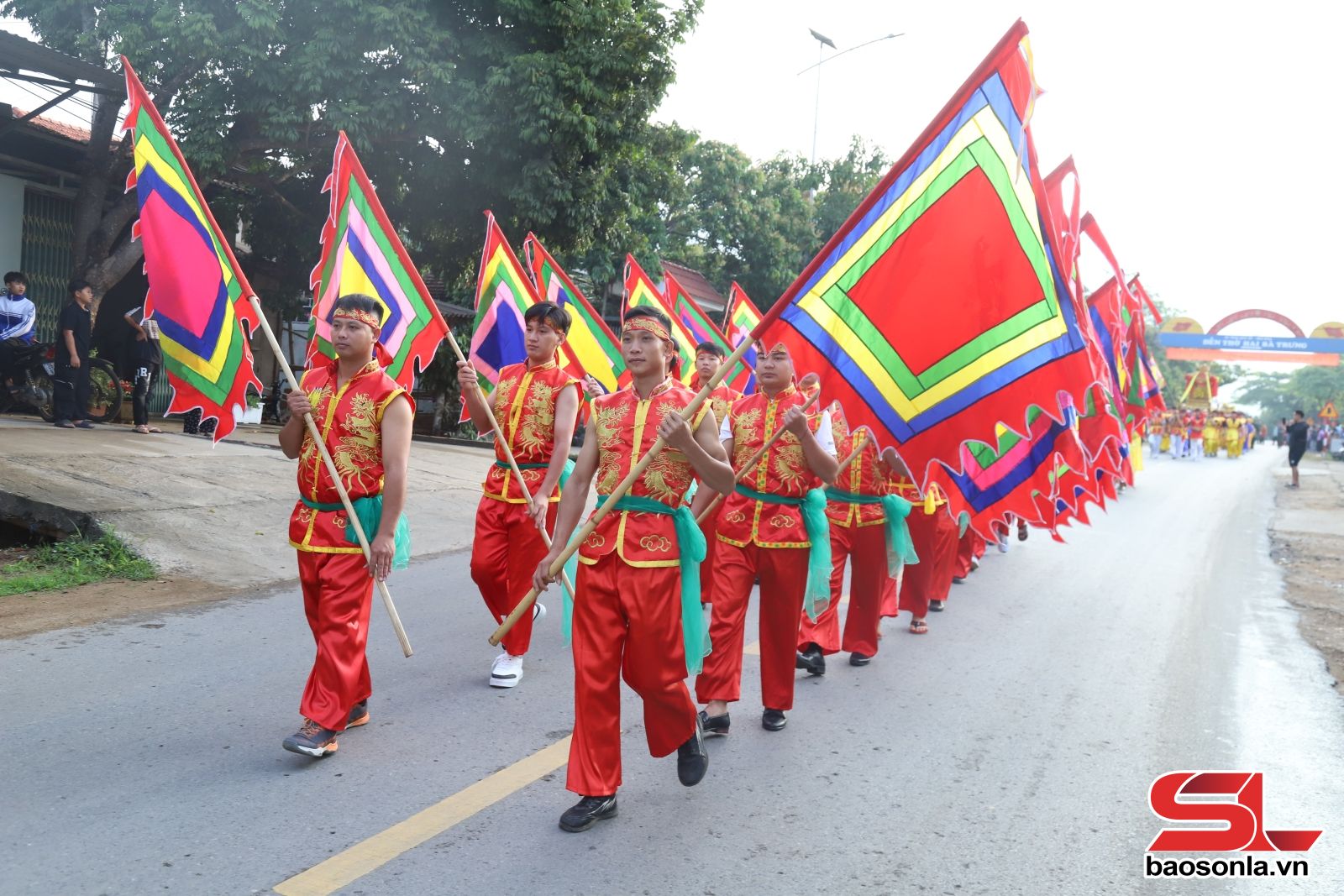
The flag team in the water procession.
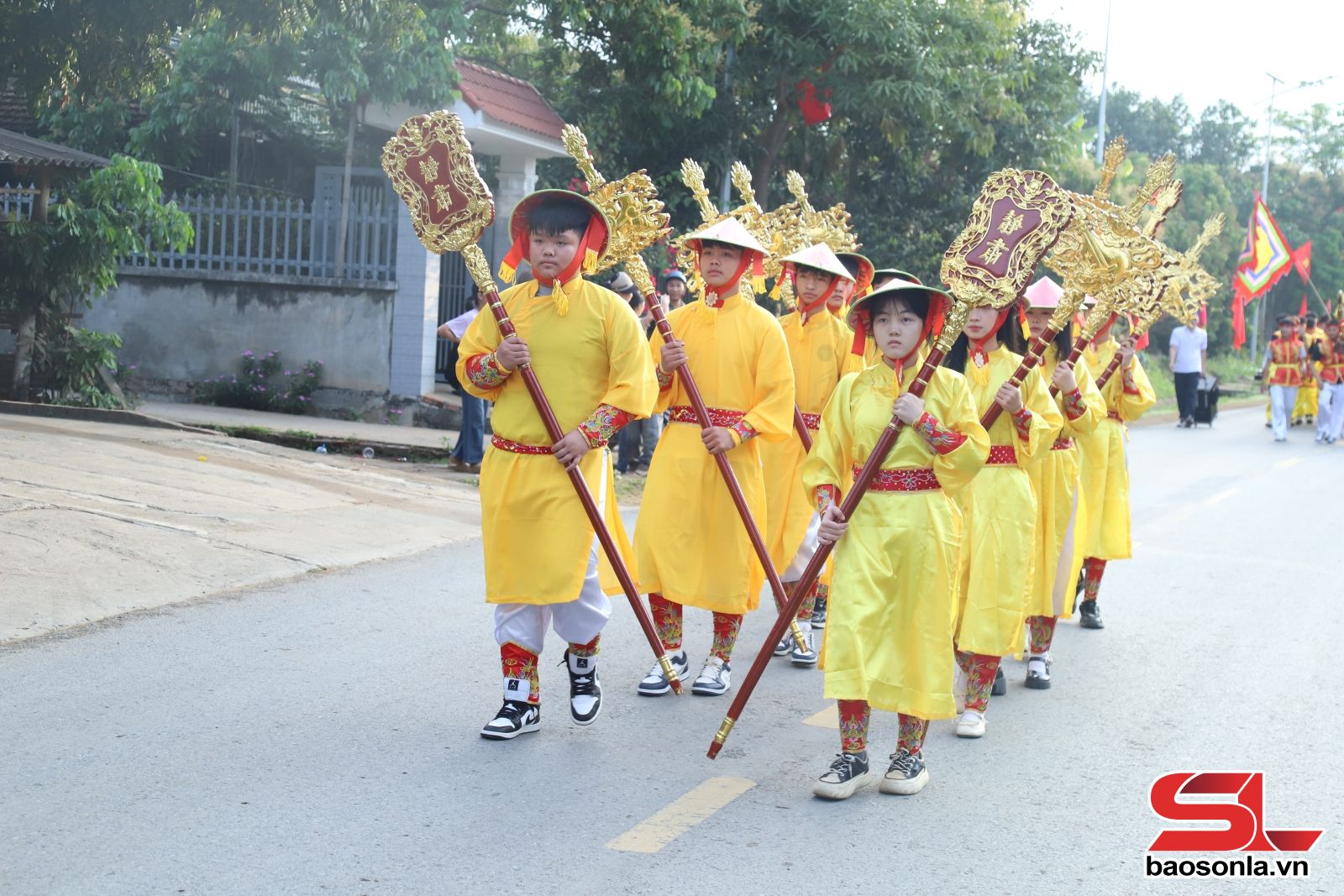
The ceremonial guard team in the water procession.
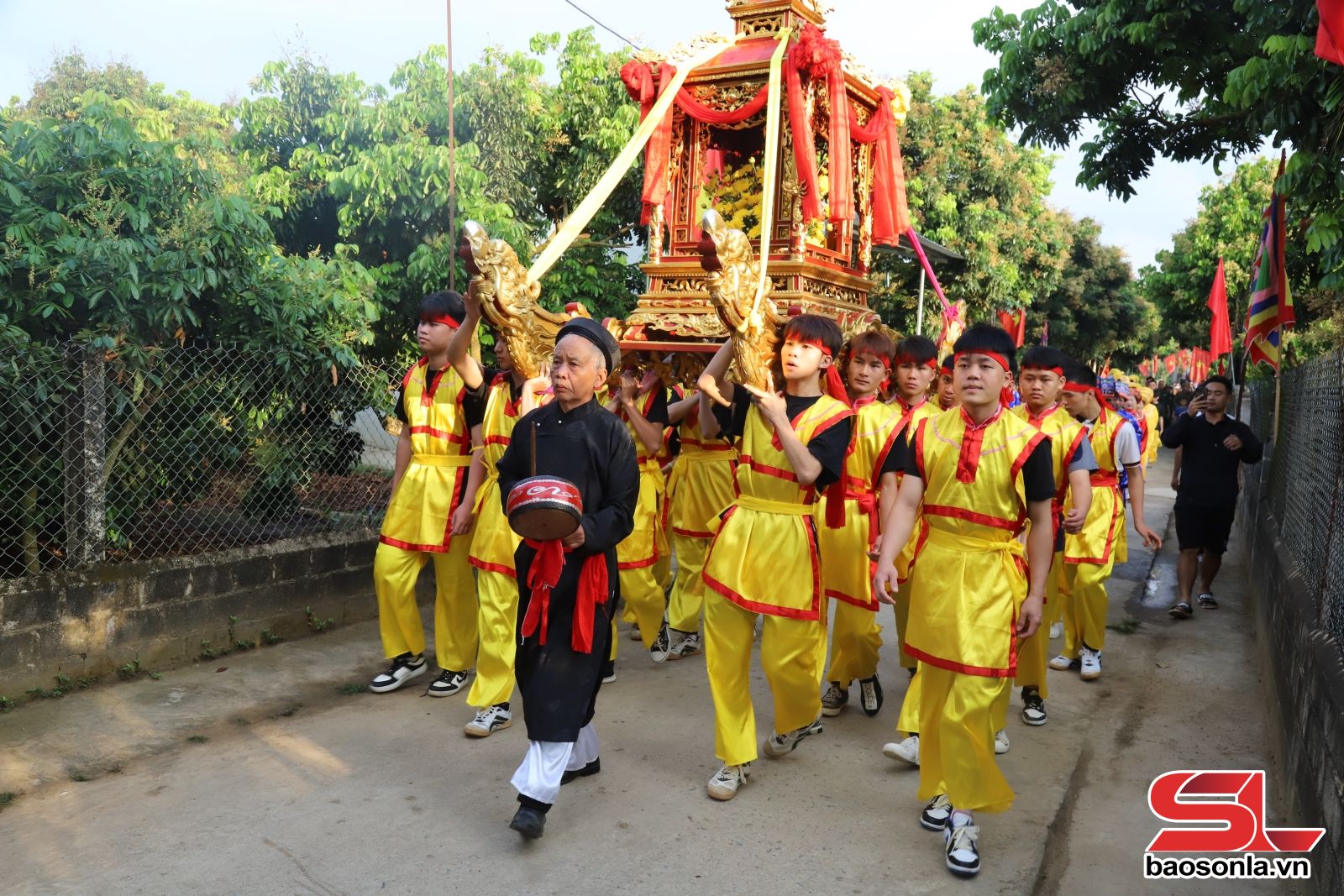
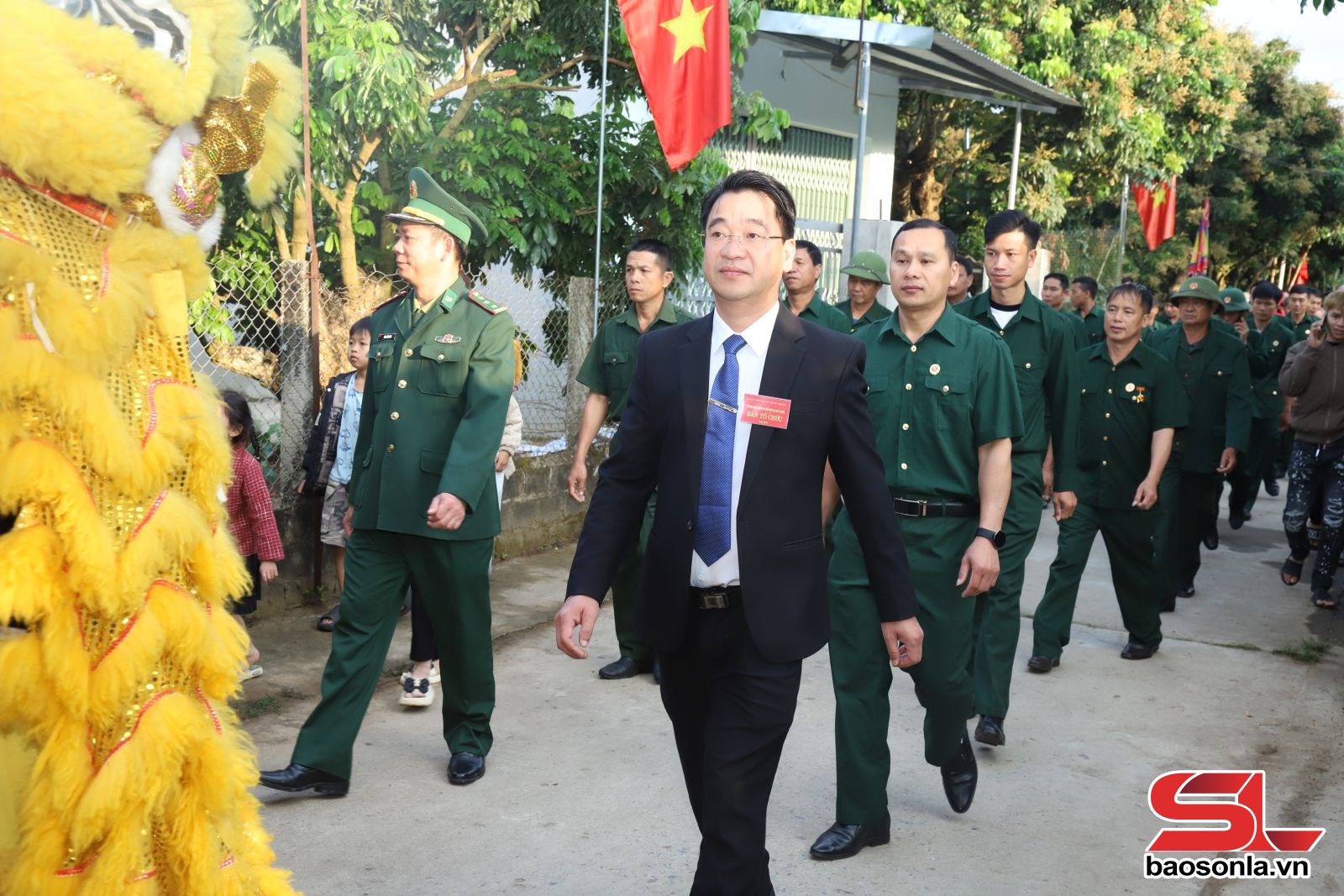
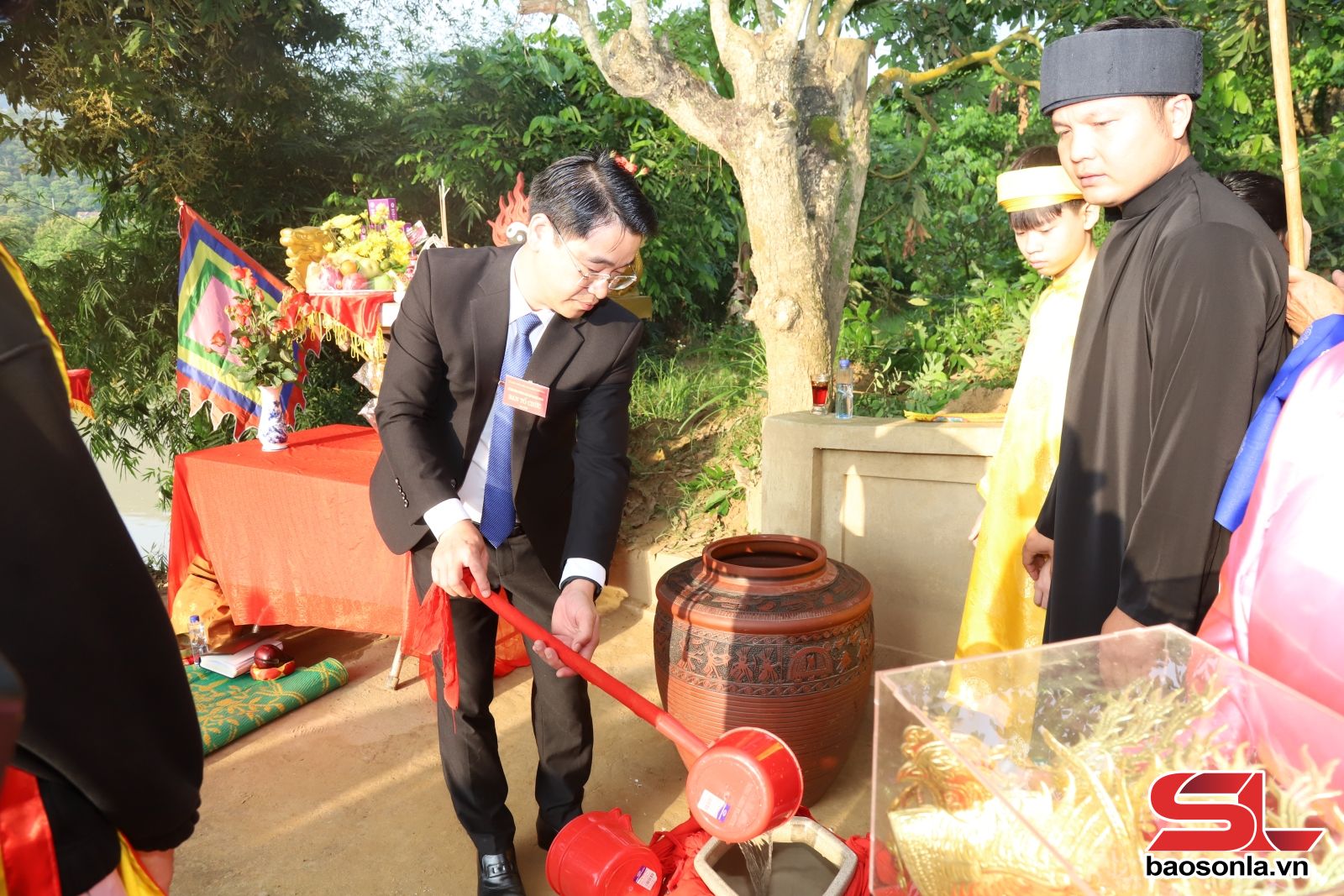
A leader of Chieng Khuong commune performs the ritual of requesting water.
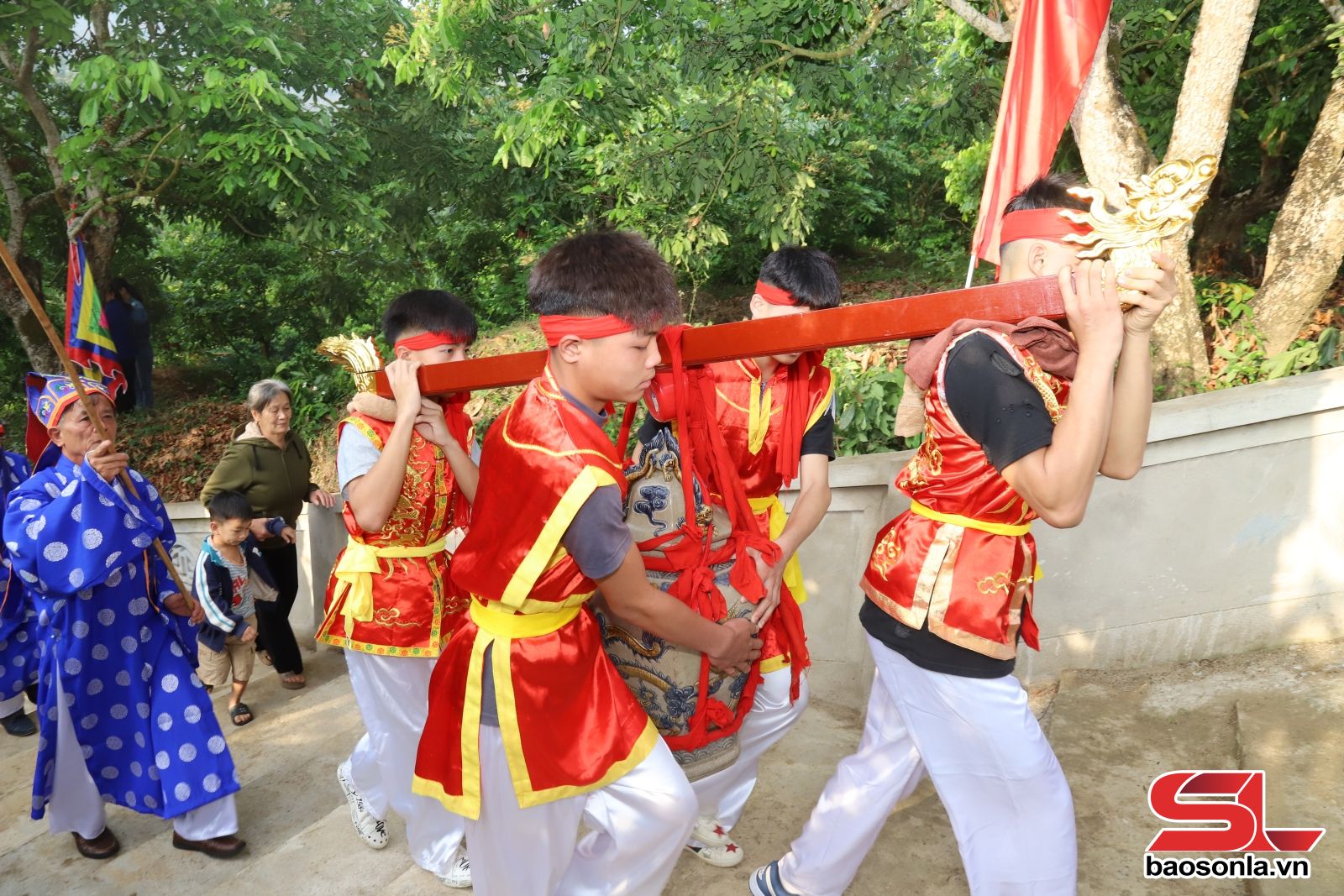
The ritual of bringing water back to the temple.
Following the water procession was a welcoming art programme featuring special performances such as a drum performance, sword dance, the song-and-dance performance “Properous Vietnam,” a martial arts display, and rituals of flower and incense offering in tribute to the great contributions of the Trung Sisters.
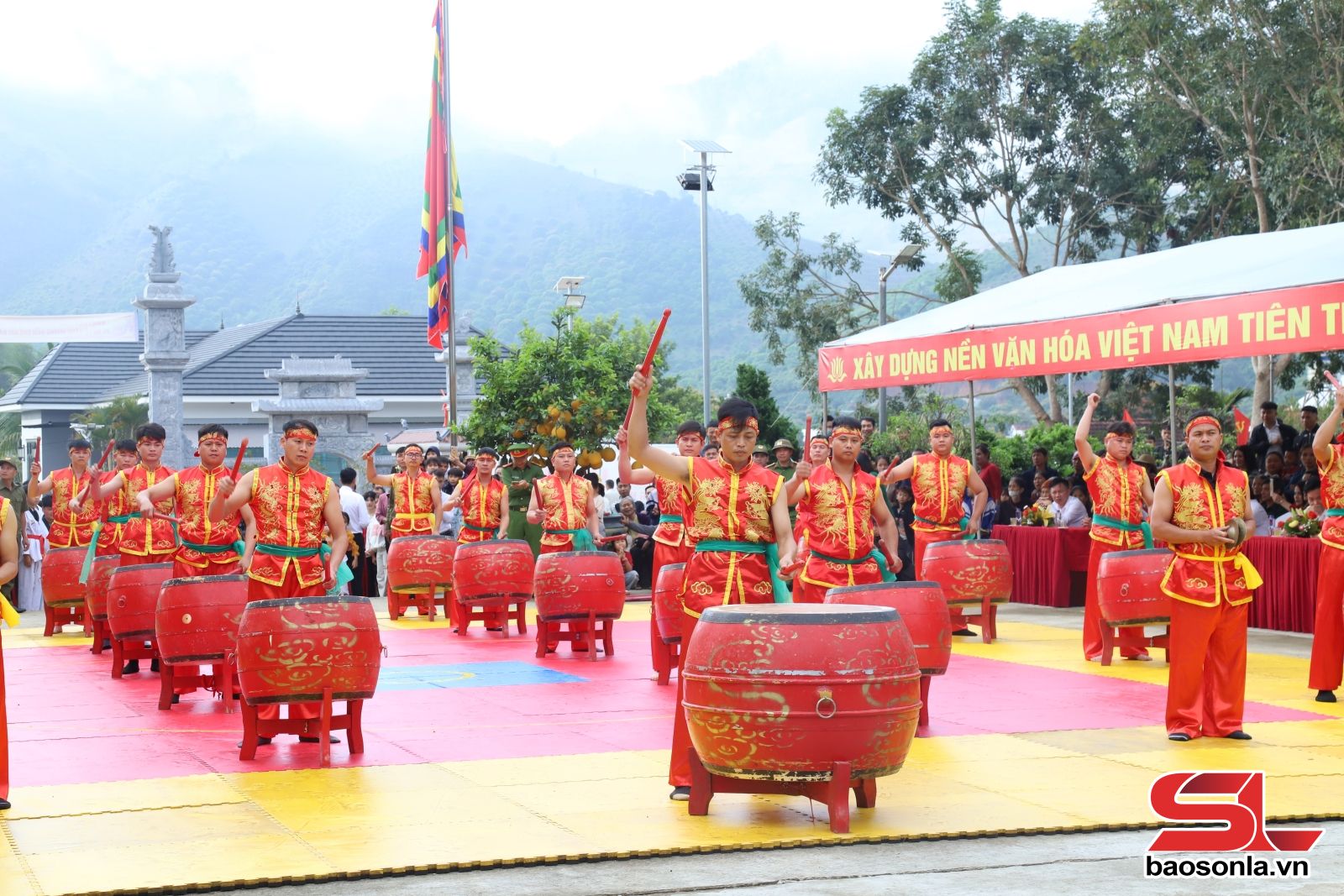
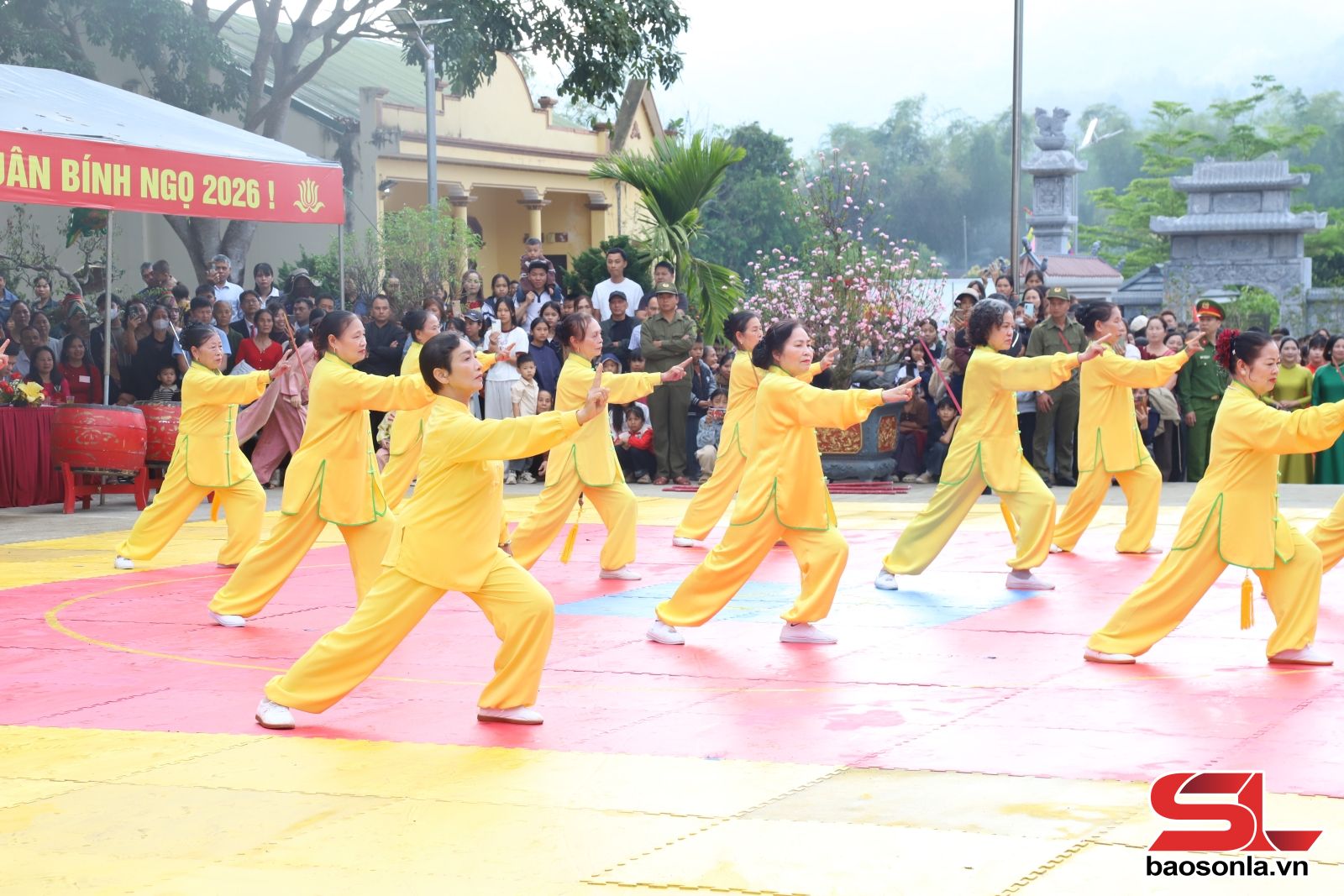
A sword dance performance.
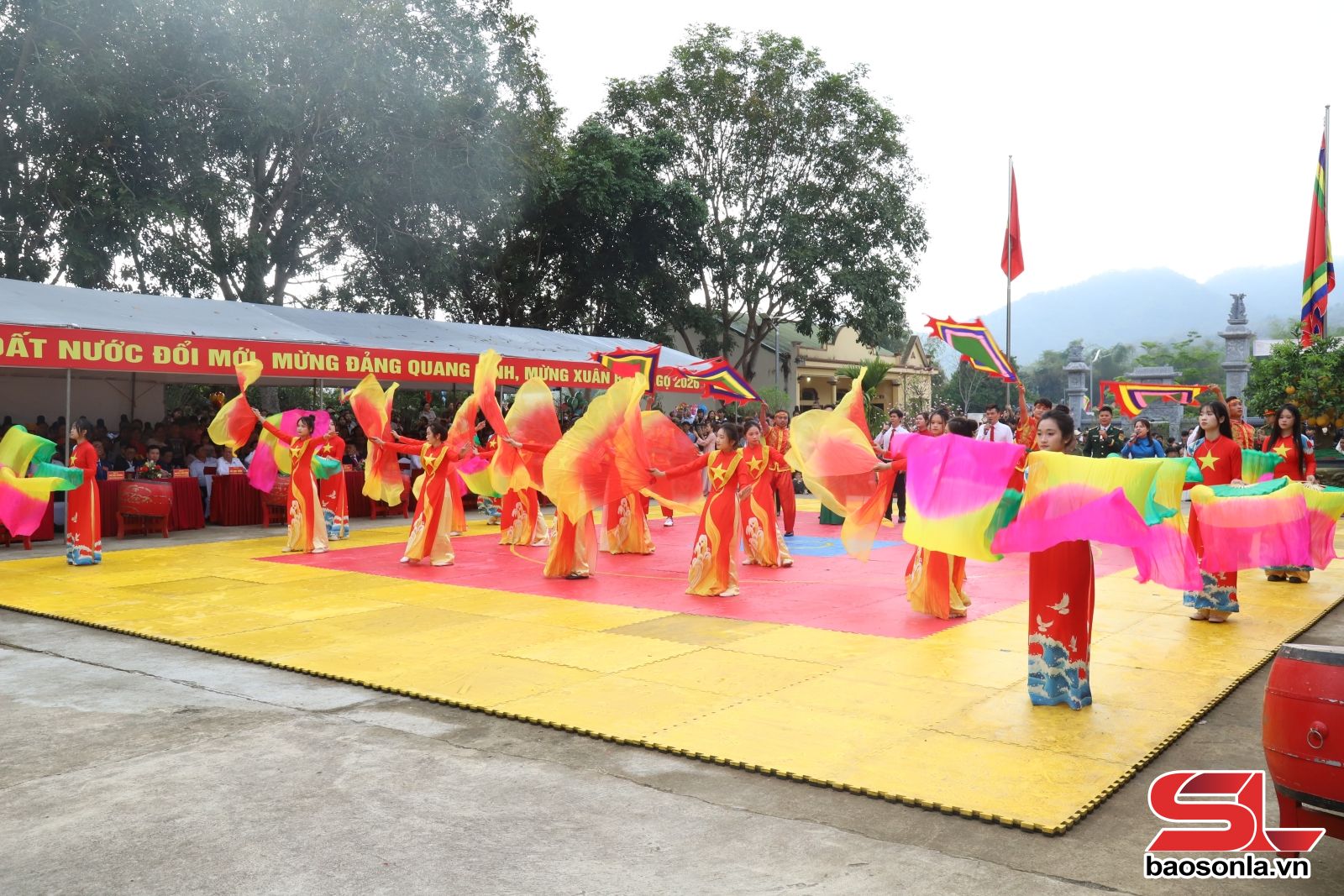
The song-and-dance performance “Prosperous Vietnam.”
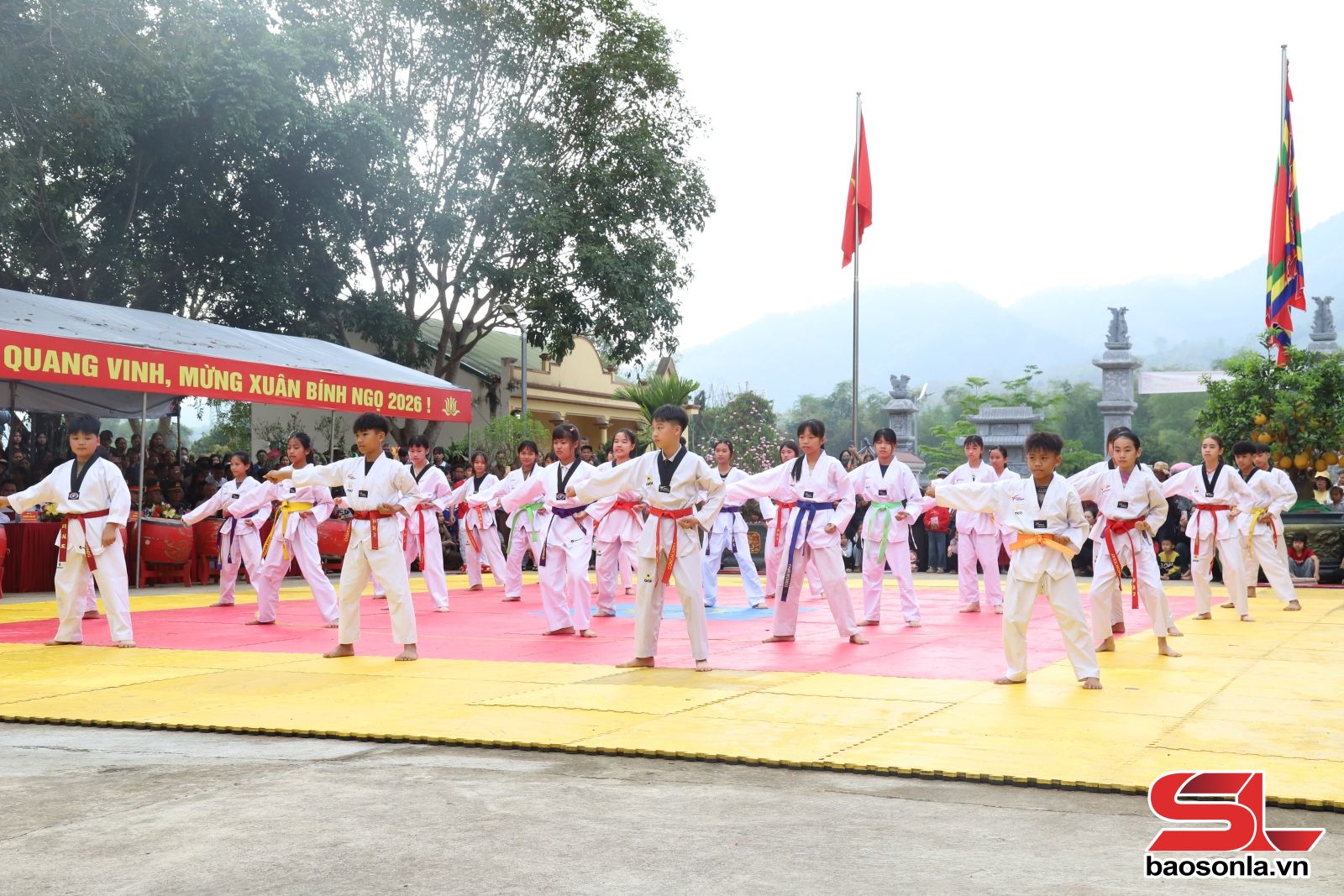
A martial arts performance at the welcoming art programme.
The festival is organised to educate younger generations about the tradition of patriotism and uphold the national ethic of gratitude. It also aims to promote the historical site’s values, creating a highlight that helps turn the temple into an attractive spiritual and cultural tourism destination for visitors from across the country.
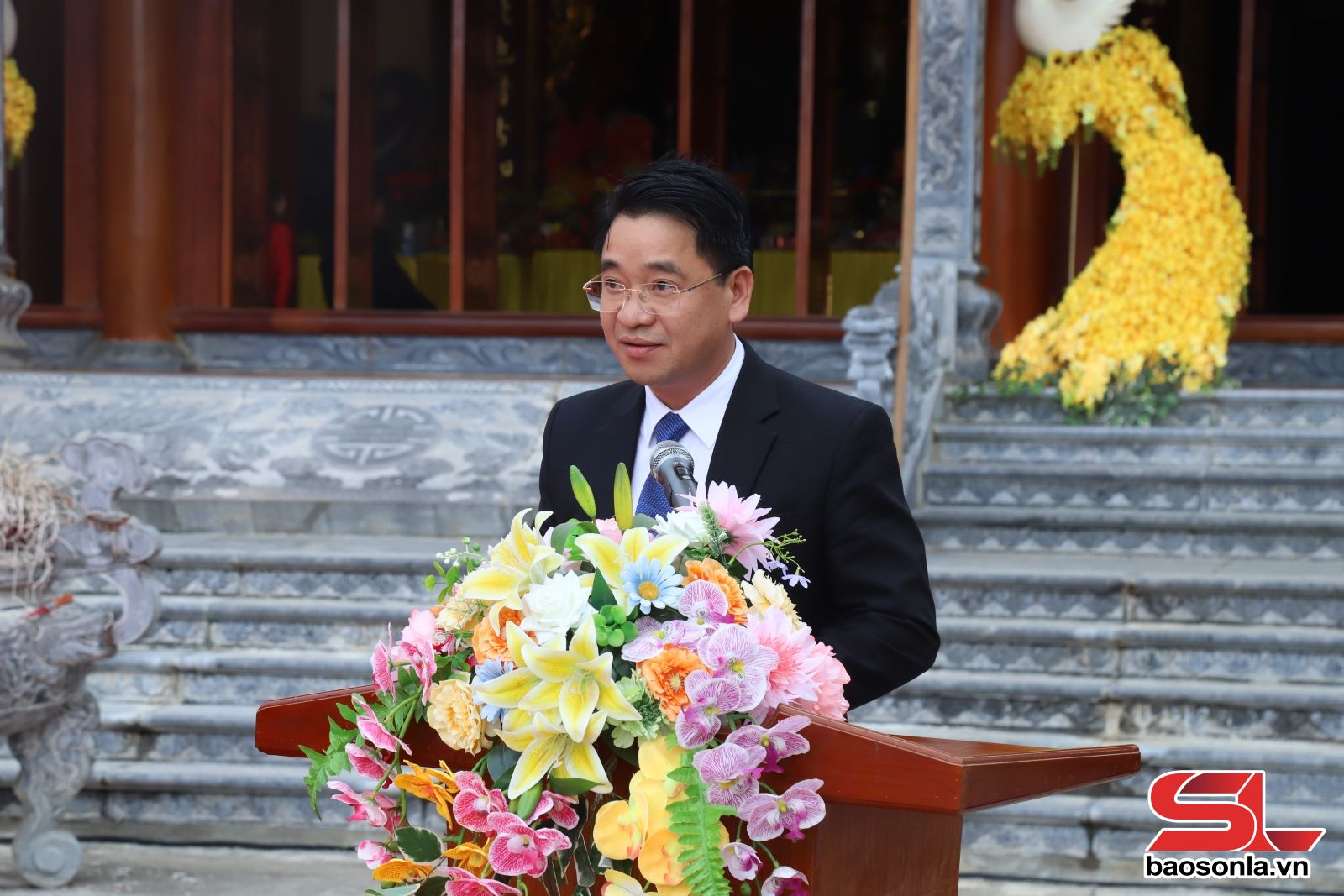
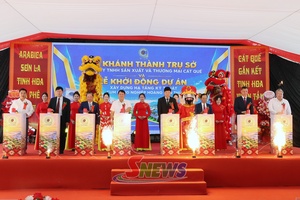
The Secretary of the Party Committee of Chieng Khuong commune delivers the opening speech.
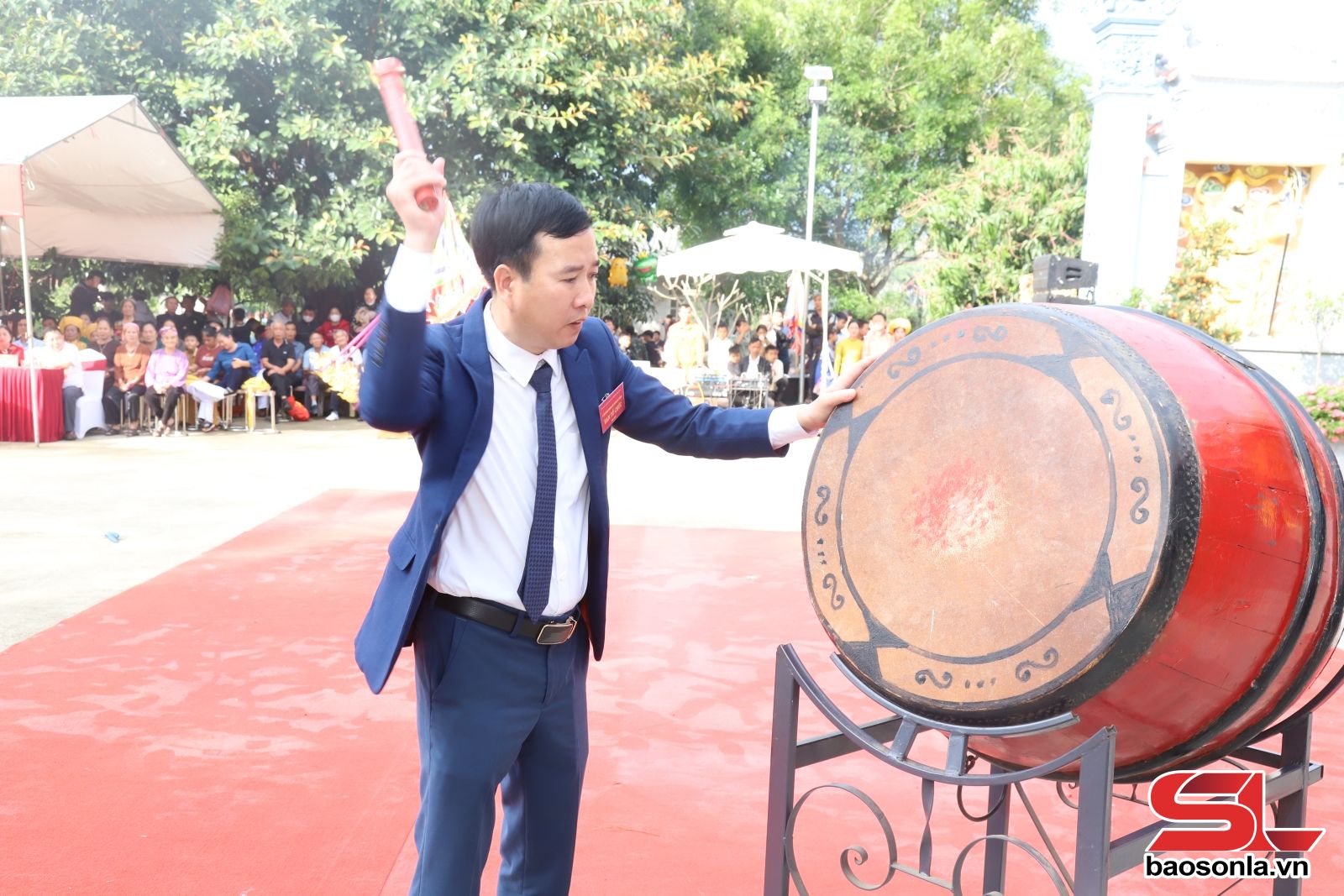
The Chairman of the commune People’s Committee beats the drum to open the festival.
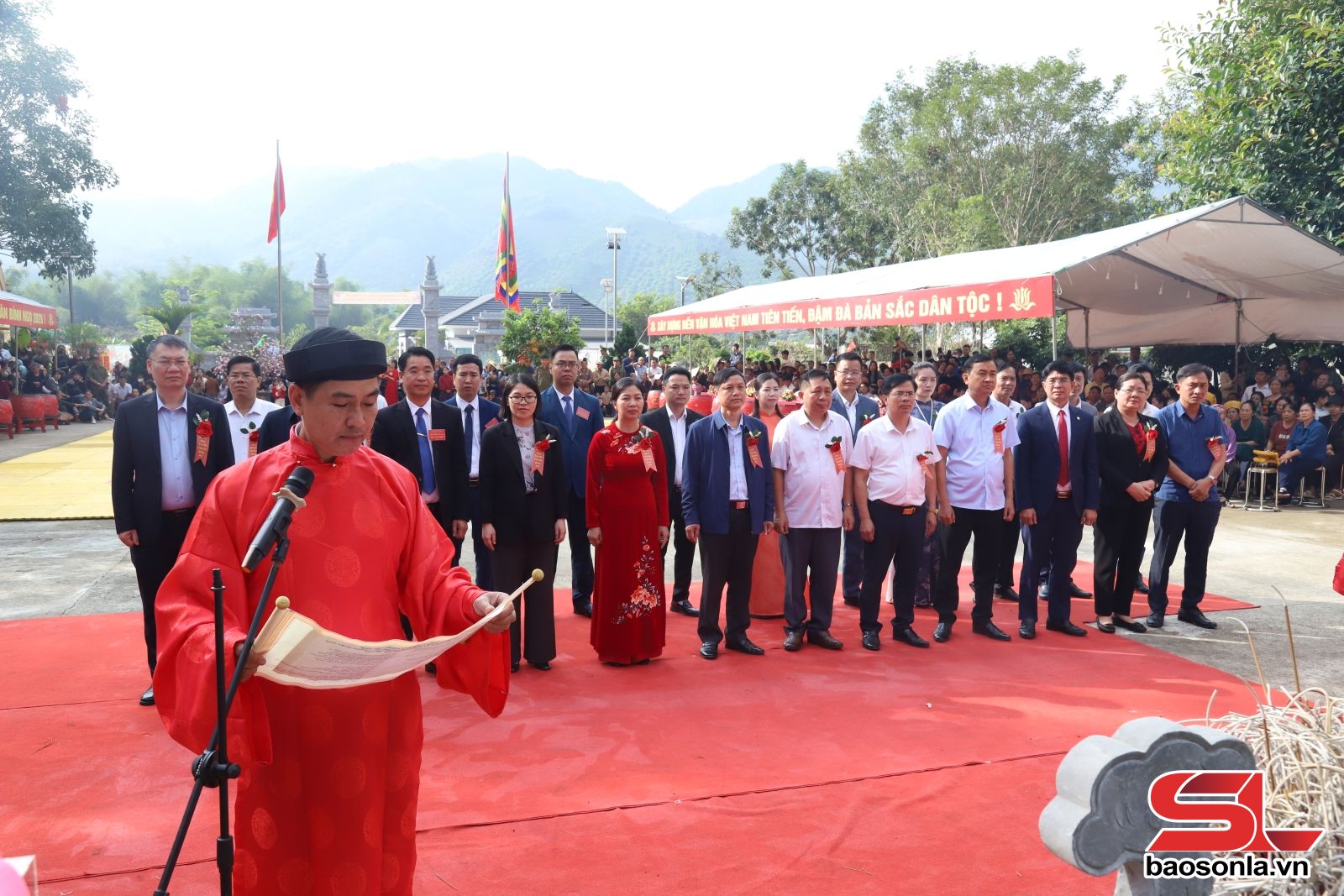
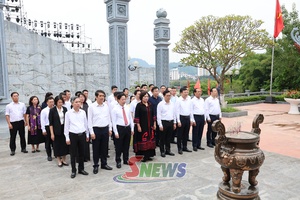
Delegates offer incense at the ceremony.
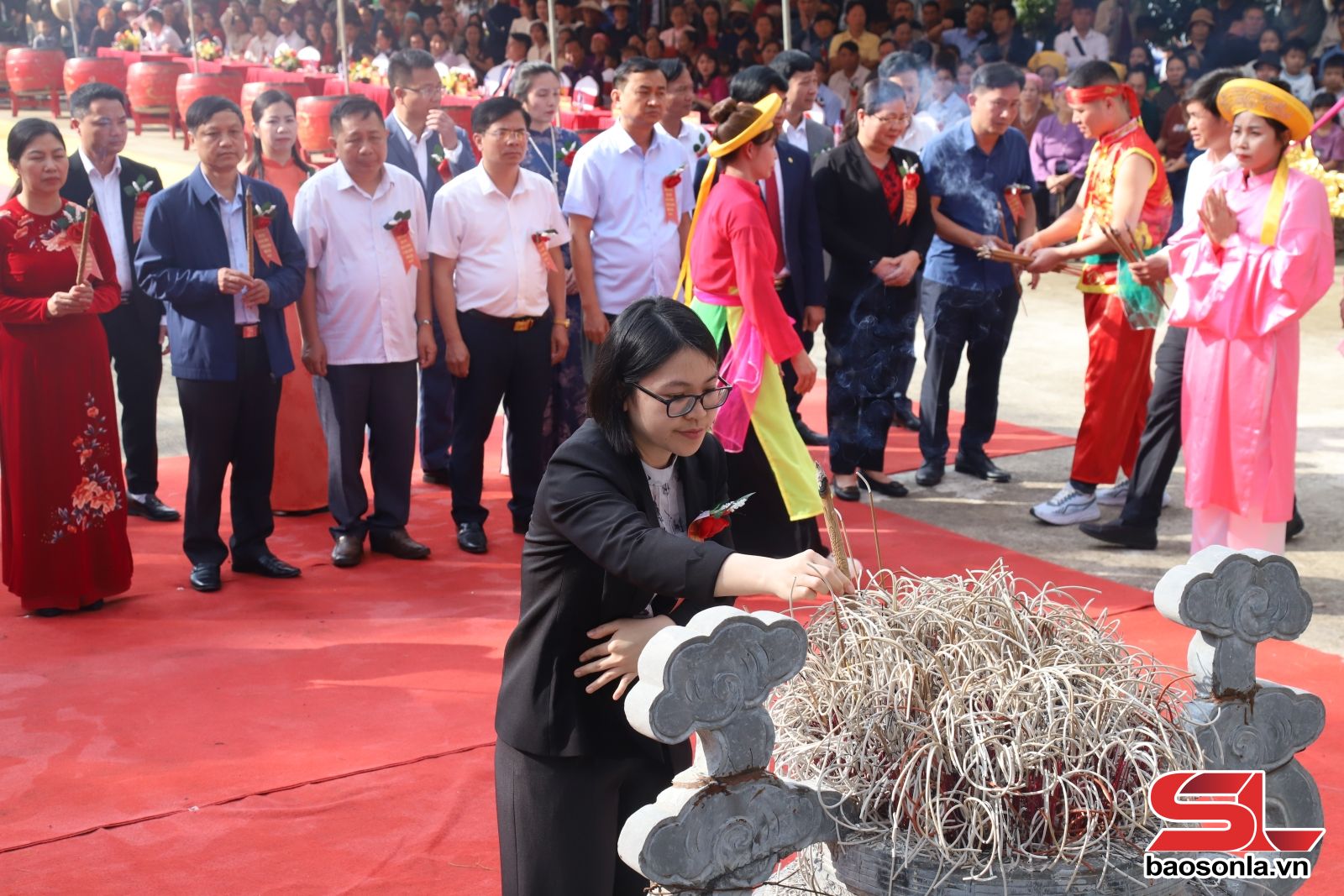
Delegates offer incense at the ceremony.
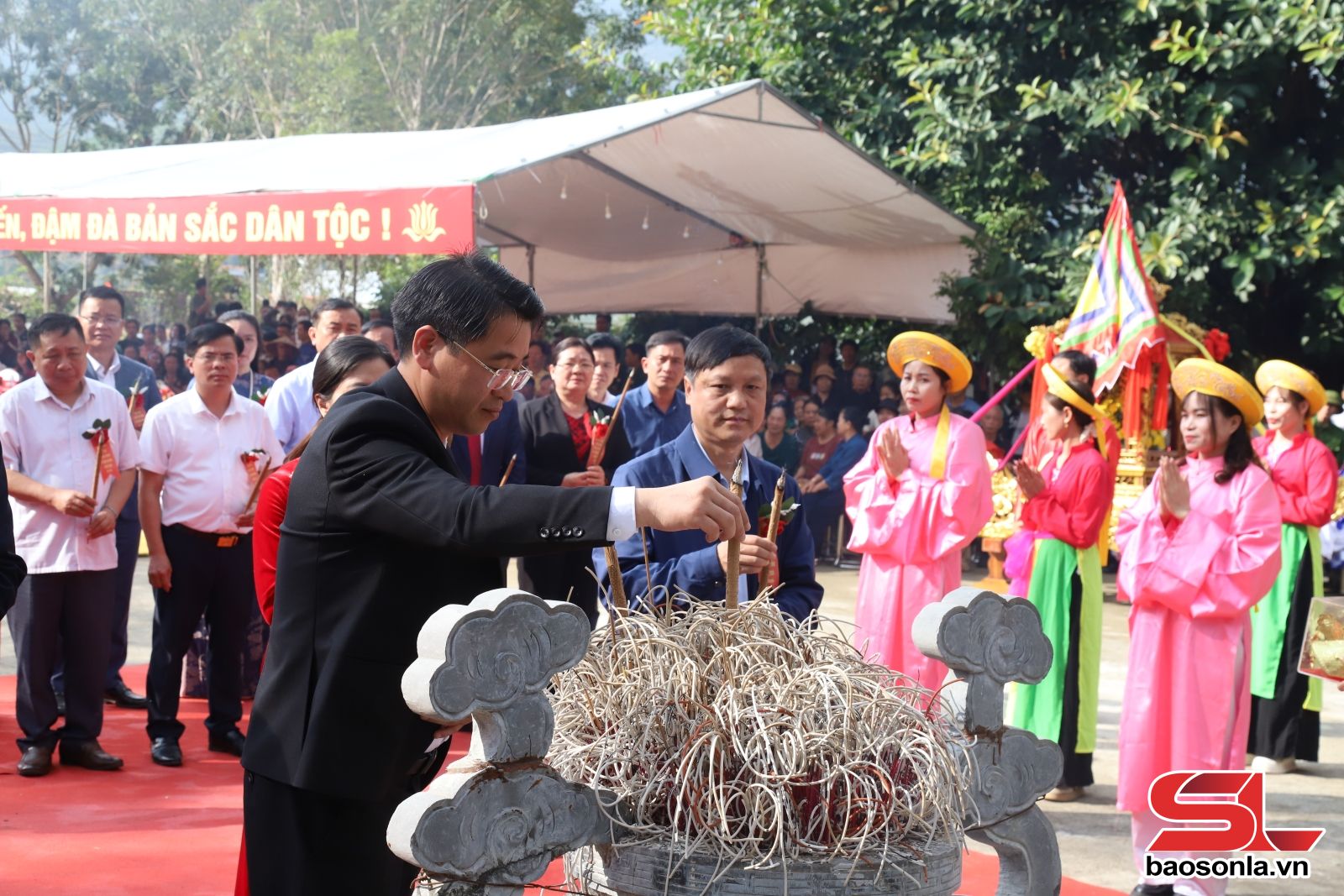
Delegates offer incense at the ceremony.
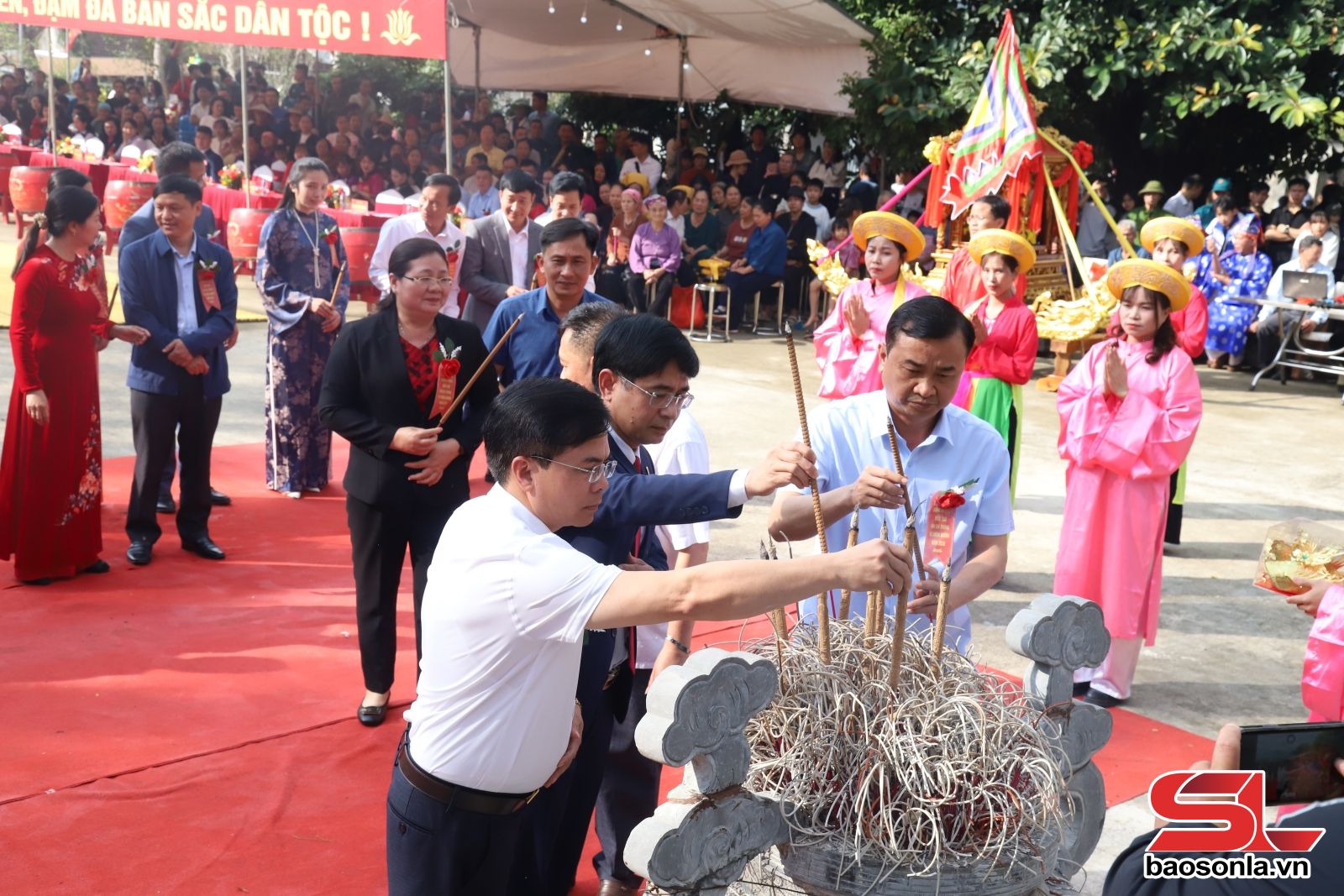
Delegates offer incense at the ceremony.



You have 500/500 characters left
Please enter 5 or more characters!!!