


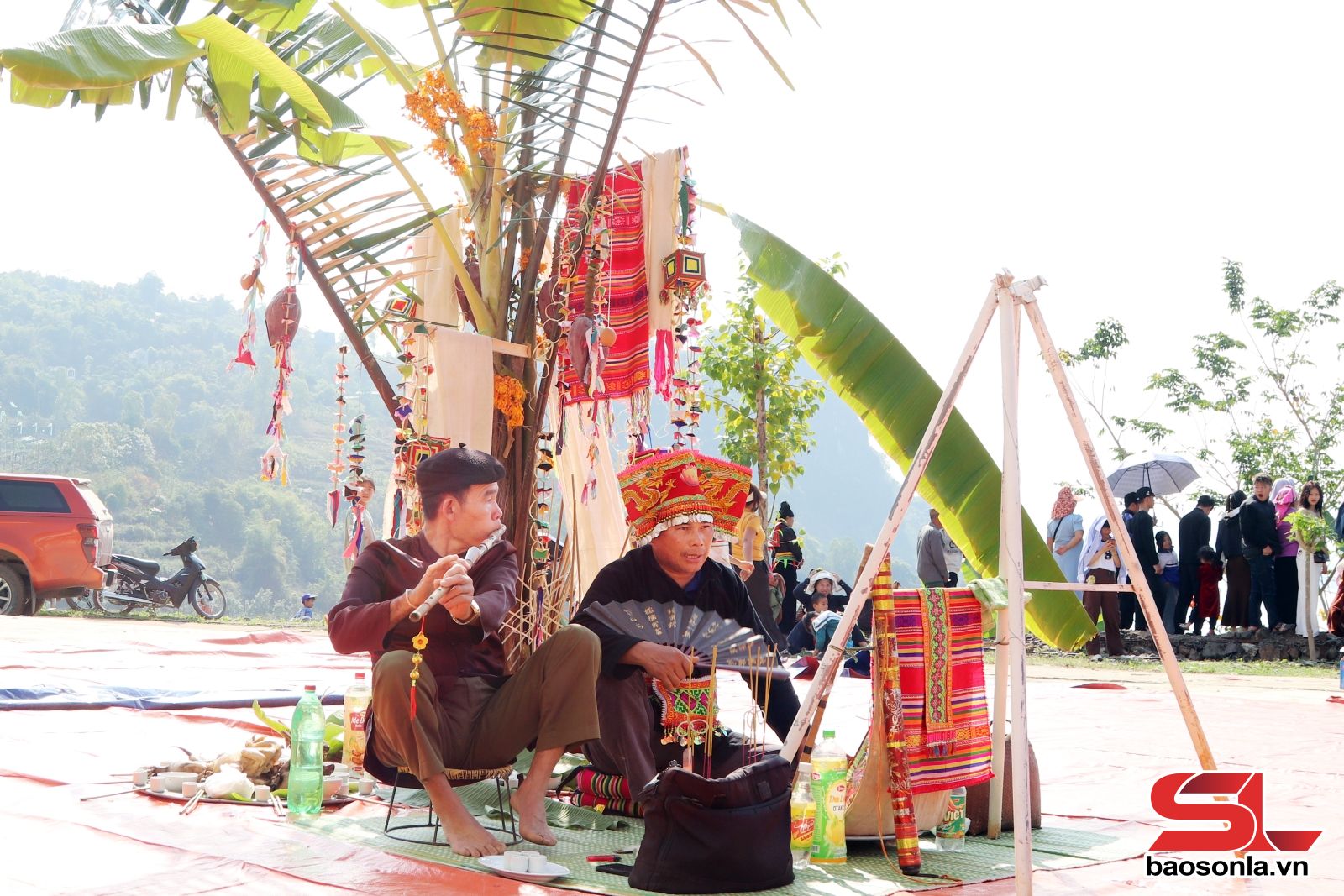
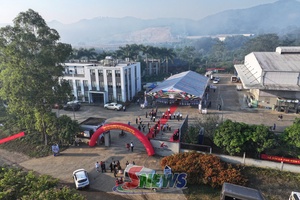
At the yard of Na Lech hamlet cultural house, artisans performed the offering ritual. The ritual took place around the ceremonial “Xang pang” pole, which includes a hook tree symbolising a black buffalo and a banana tree representing a white buffalo. The hook tree was decorated with various objects associated with daily life, along with offerings for the ceremony.
The ritual is intended to report to ancestors, invite deities to attend, express gratitude to forebears and gods, and pray for favourable weather, abundant harvests and a life of prosperity.
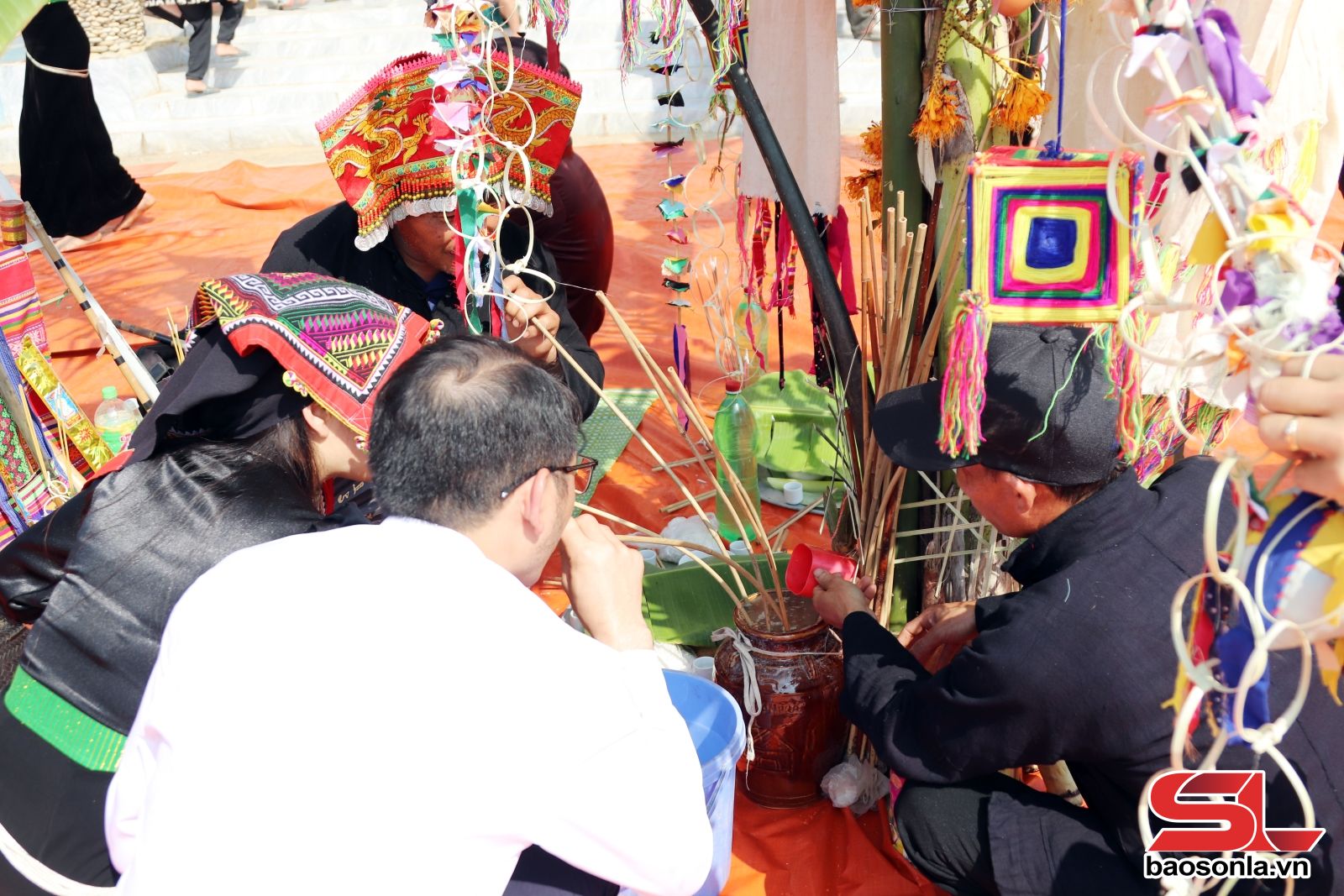
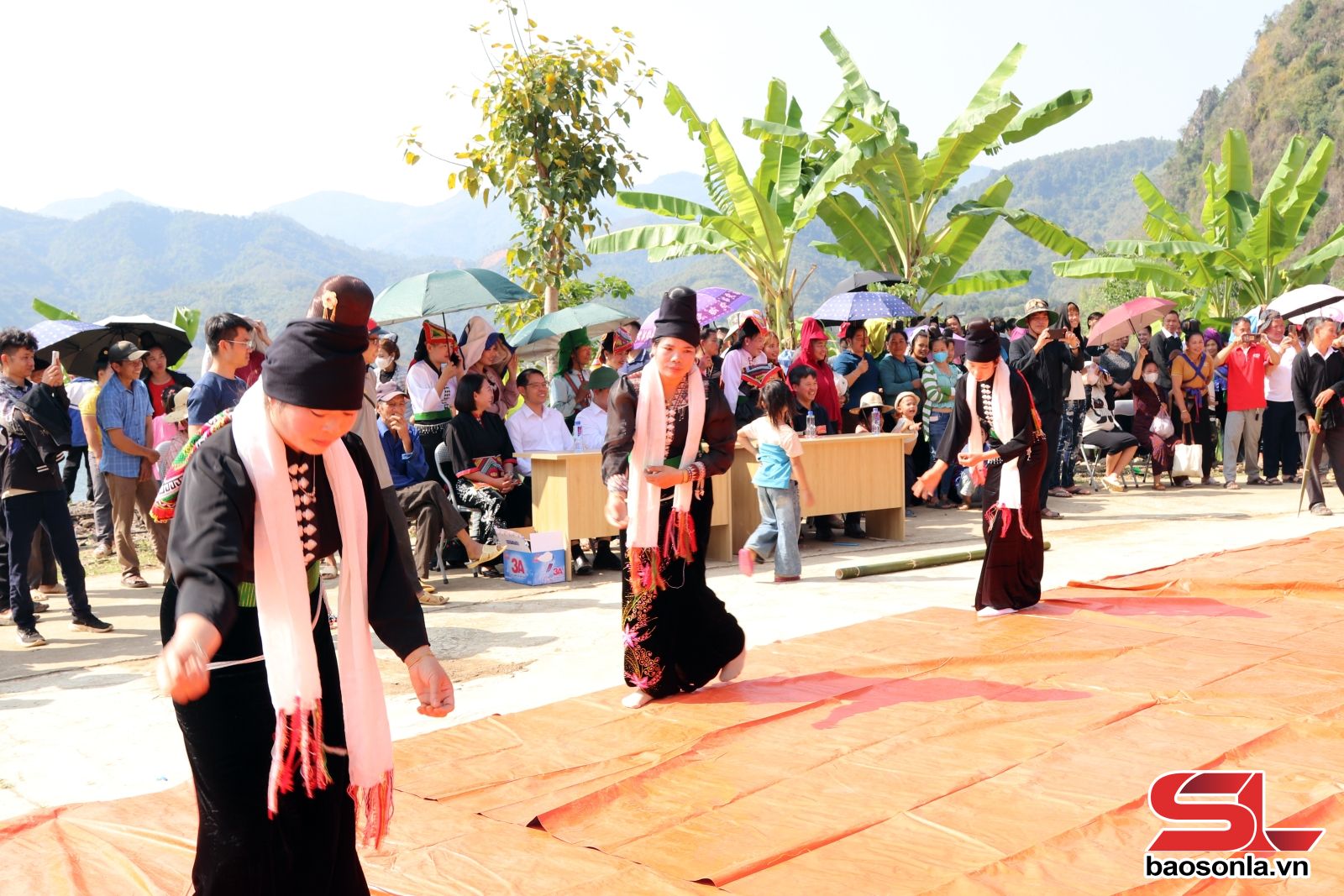
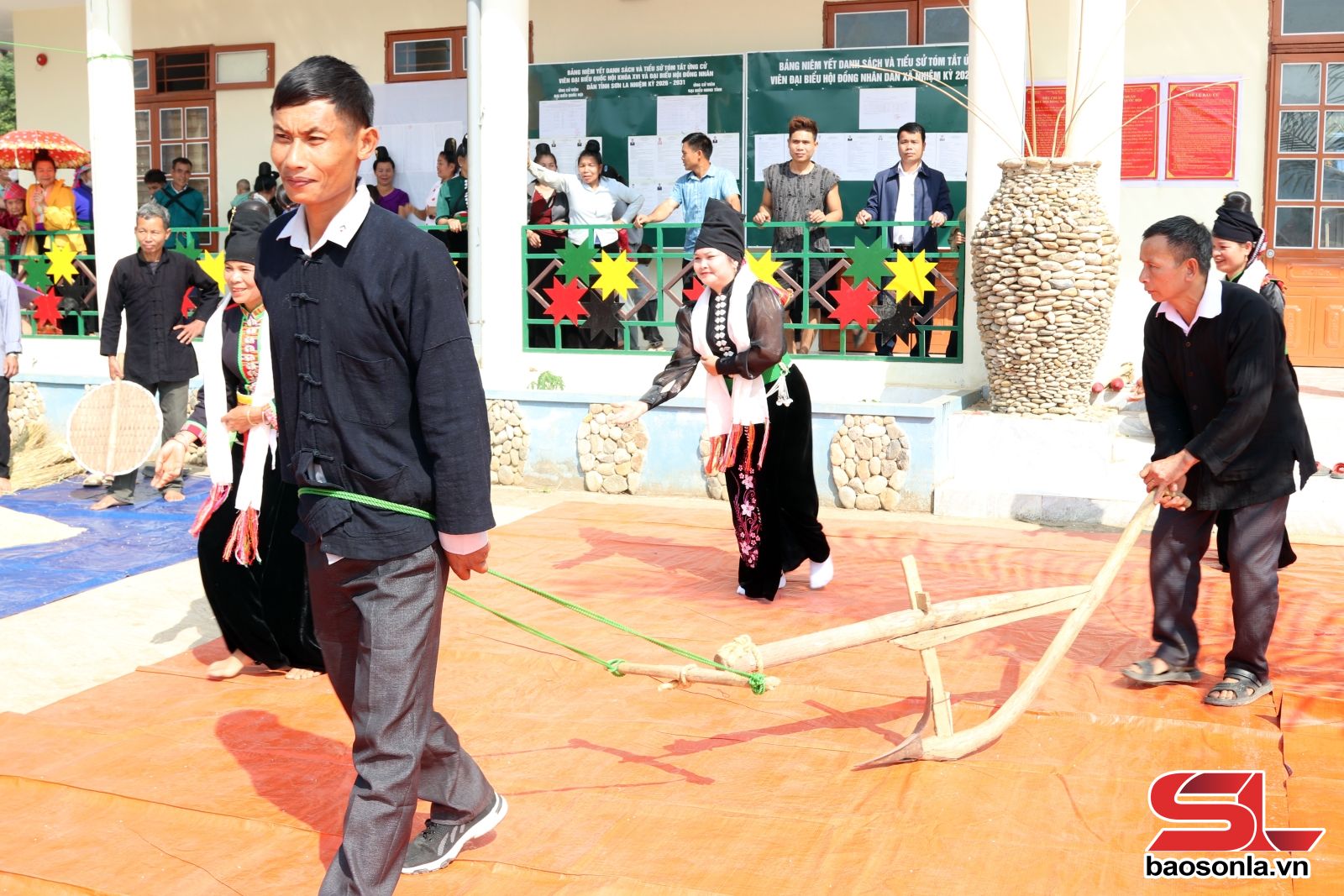
Recreating production activities of the La Ha ethnic group.
While the shaman conducted the ritual, villagers joined in rain-praying dances, scarf dances and sword dances, competed in nem con (a traditional ball-throwing game) and rope skipping. Young men and women beat the tang bu drums and performed the xoe dance, creating a vibrant festive atmosphere that vividly reflects the production culture and daily life of the La Ha ethnic group.
Notably, the festive part of the Pang A ritual also featured the Sung Lung dance, which embodies fertility beliefs and expresses wishes for good health and the flourishing of all living things.
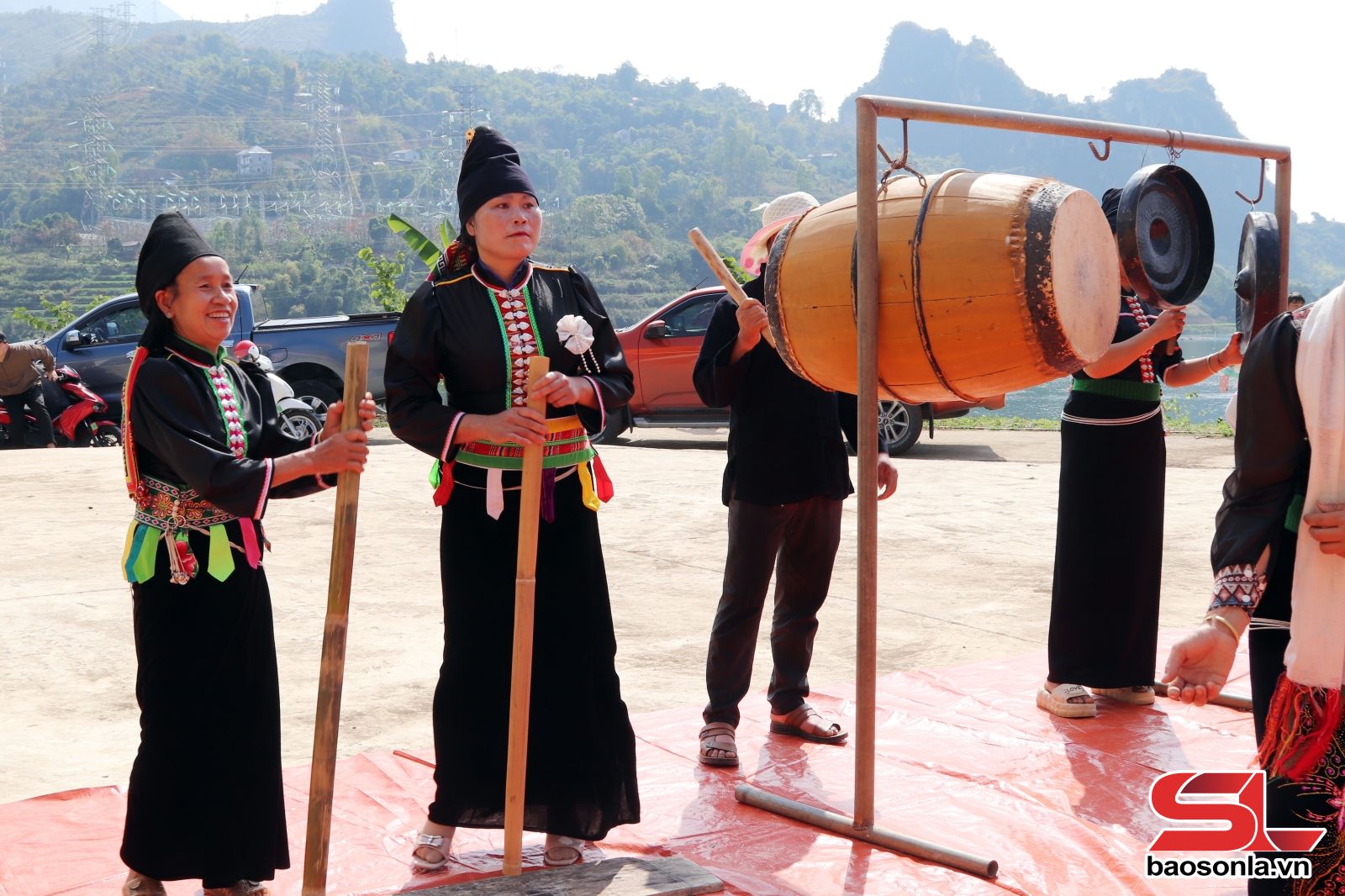
Beating the tang bu drums in the celebration.
Chieng Lao is currently home to six out of 39 hamlets predominantly inhabited by the La Ha ethnic group. Over the years, the La Ha community has preserved their traditional cultural values, including rituals, costumes and traditional dances.
The Pang A ritual is a distinctive cultural and spiritual practice held to pray for abundant harvests, good health, good fortune, and to express gratitude to deities and traditional healers who help safeguard locals’ well-being. The restoration of the ritual aims to foster pride and raise awareness of preserving traditional culture, contributing to safeguarding the ethnic community’s cultural heritage in the commune.
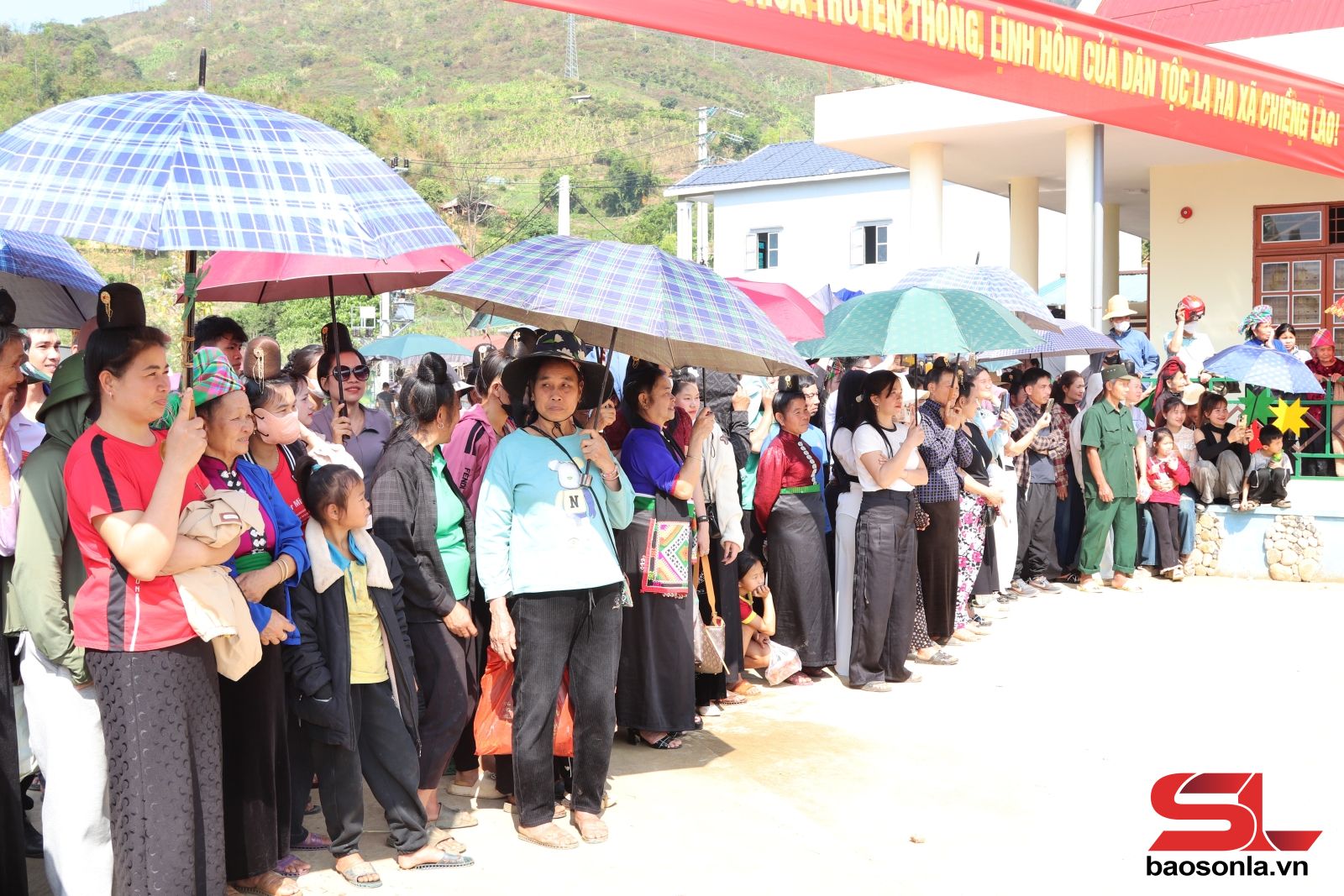
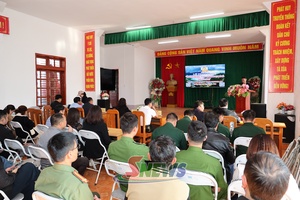
A large number of people come to watch the Pang A ritual.






You have 500/500 characters left
Please enter 5 or more characters!!!