





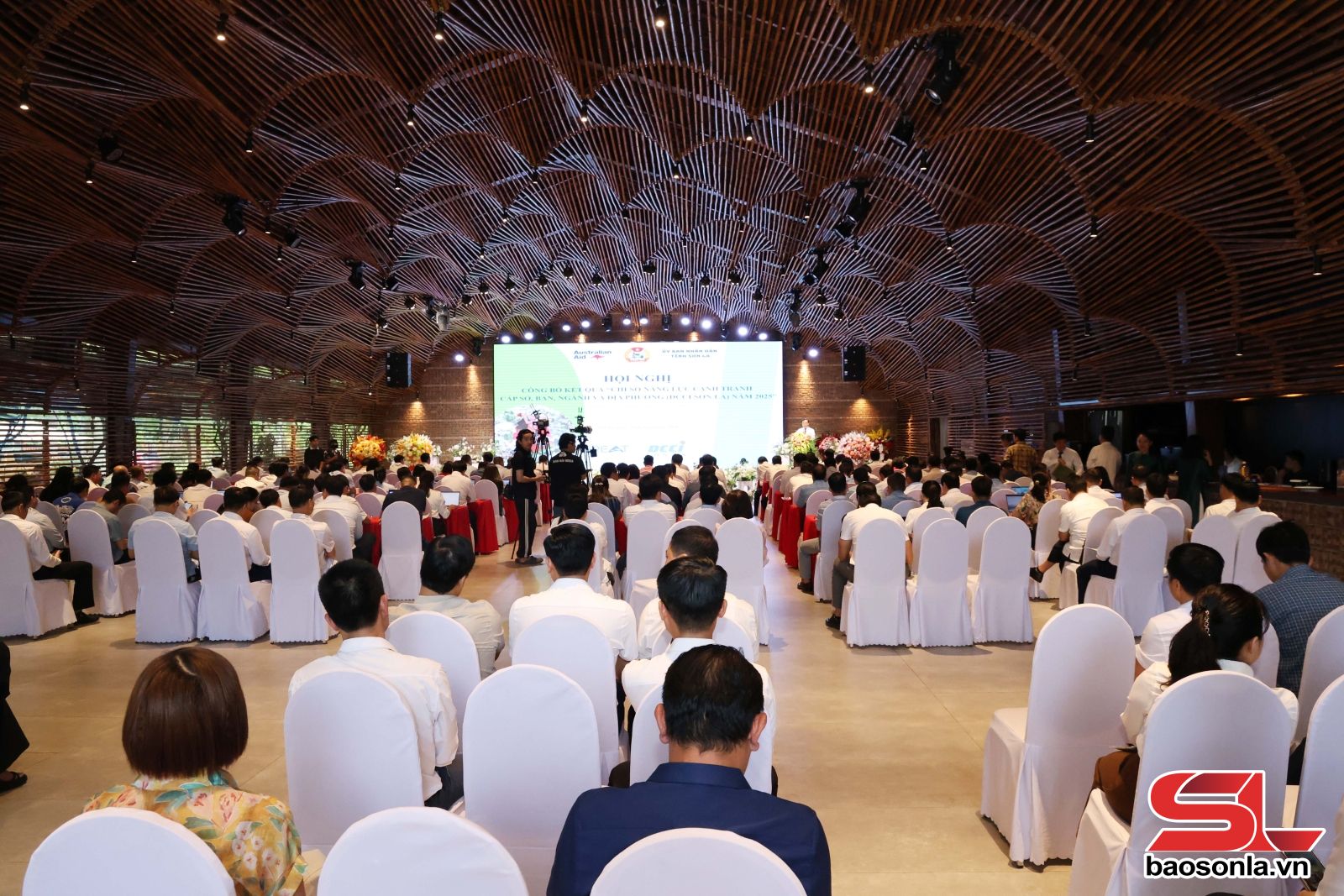
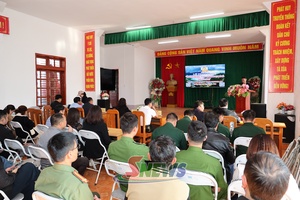
Attending the conference were Ha Trung Chien, Standing Vice Chairman of the provincial People’s Committee; Vi Duc Tho, Standing Vice Chairman of the provincial People’s Council; representatives from the Australian Embassy in Vietnam and the GREAT Project, as well as leaders of provincial departments, agencies and localities, alongside a large number of enterprises, cooperatives and household businesses.
The DDCI Son La 2025 was implemented with support from the Gender Responsive Equitable Agriculture and Tourism (GREAT) Project, funded by the Australian government. This marks the first year the index has been updated to align with key pillars of the investment and business environment and the two-tier local government model following administrative restructuring.
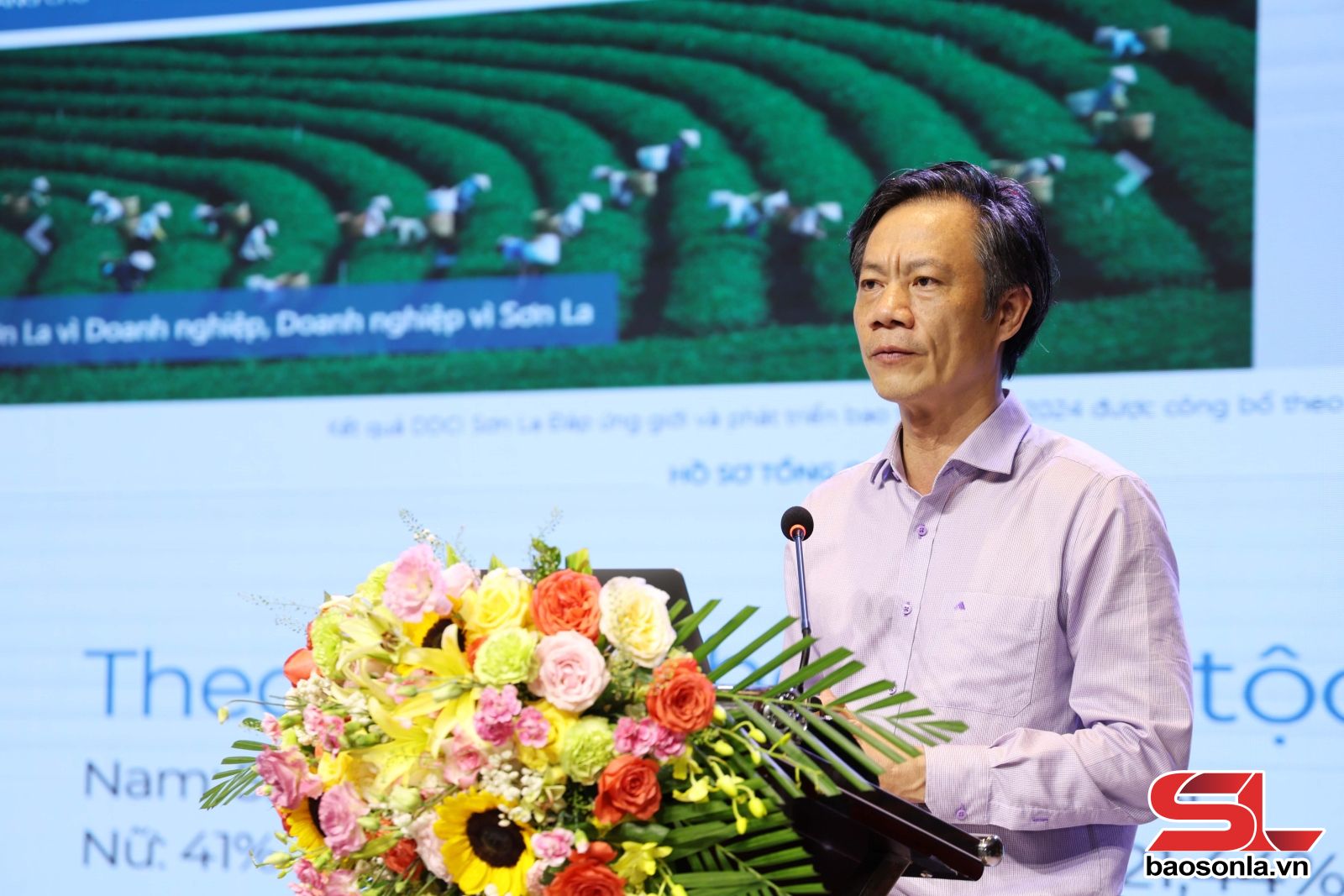
 A summary table of the scores and rankings of provincial departments and agencies.
In 2025, feedback collected from 1,539 enterprises, cooperatives and household businesses provided a broad and objective assessment. The province’s average scores reached encouraging levels, with provincial departments scoring 74.78 points and centrally managed sectoral agencies posting 74.60 points, while scores among the 18 surveyed communes and wards showed more noticeable divergence. Many localities and agencies were seen taking a more proactive role in supporting and removing obstables for businesses.
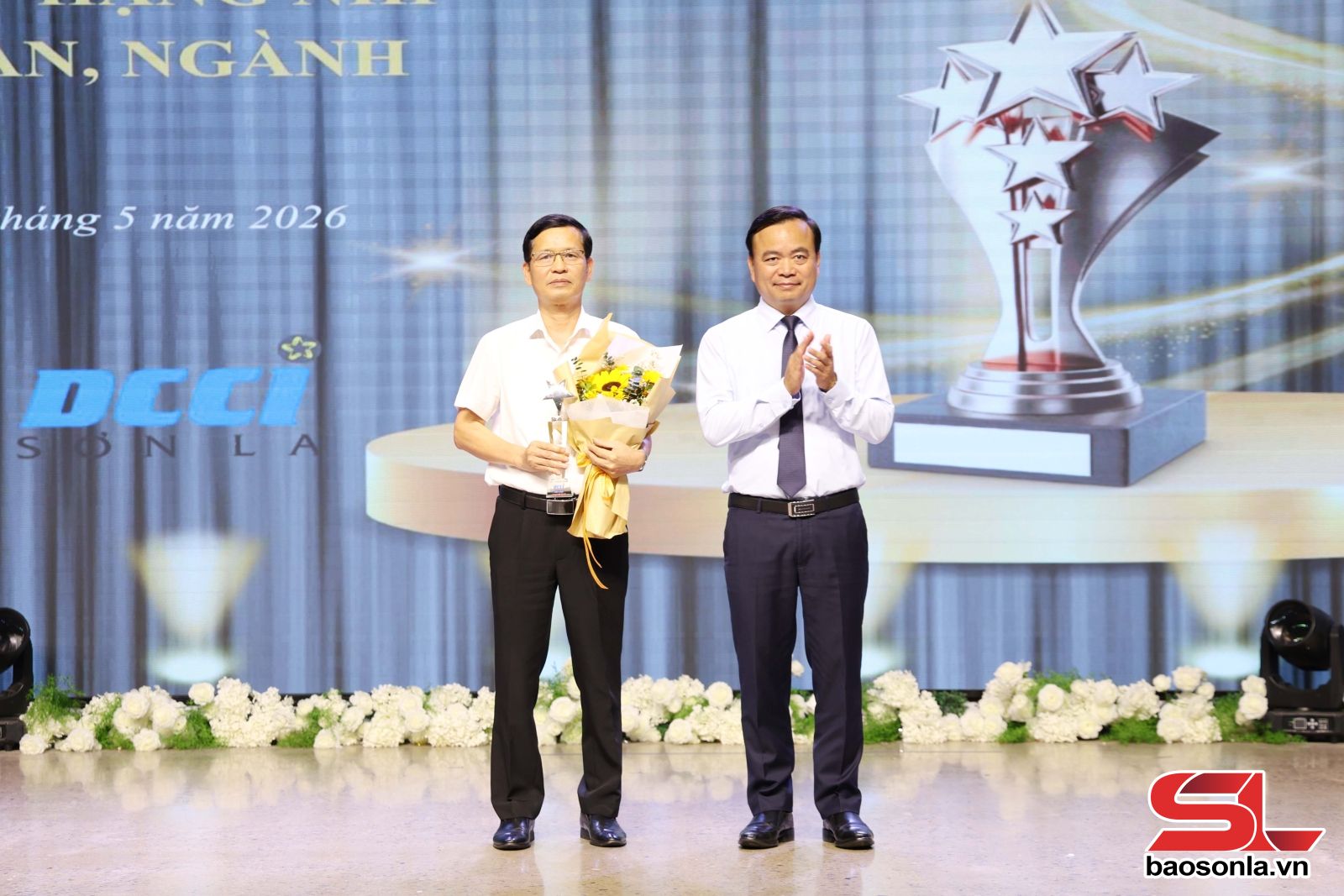
At the conference, the People’s Committee announced the results of the DCCI 2025 assessment and recognised departments, agencies and local authorities for initiatives and efforts aimed at improving service quality and strengthening support for businesses. The Department of Culture, Sports and Tourism topped the rankings with 76.3 points, followed by the Department of Home Affairs with 76.24 points and the Department of Industry and Trade with 75.71 points.


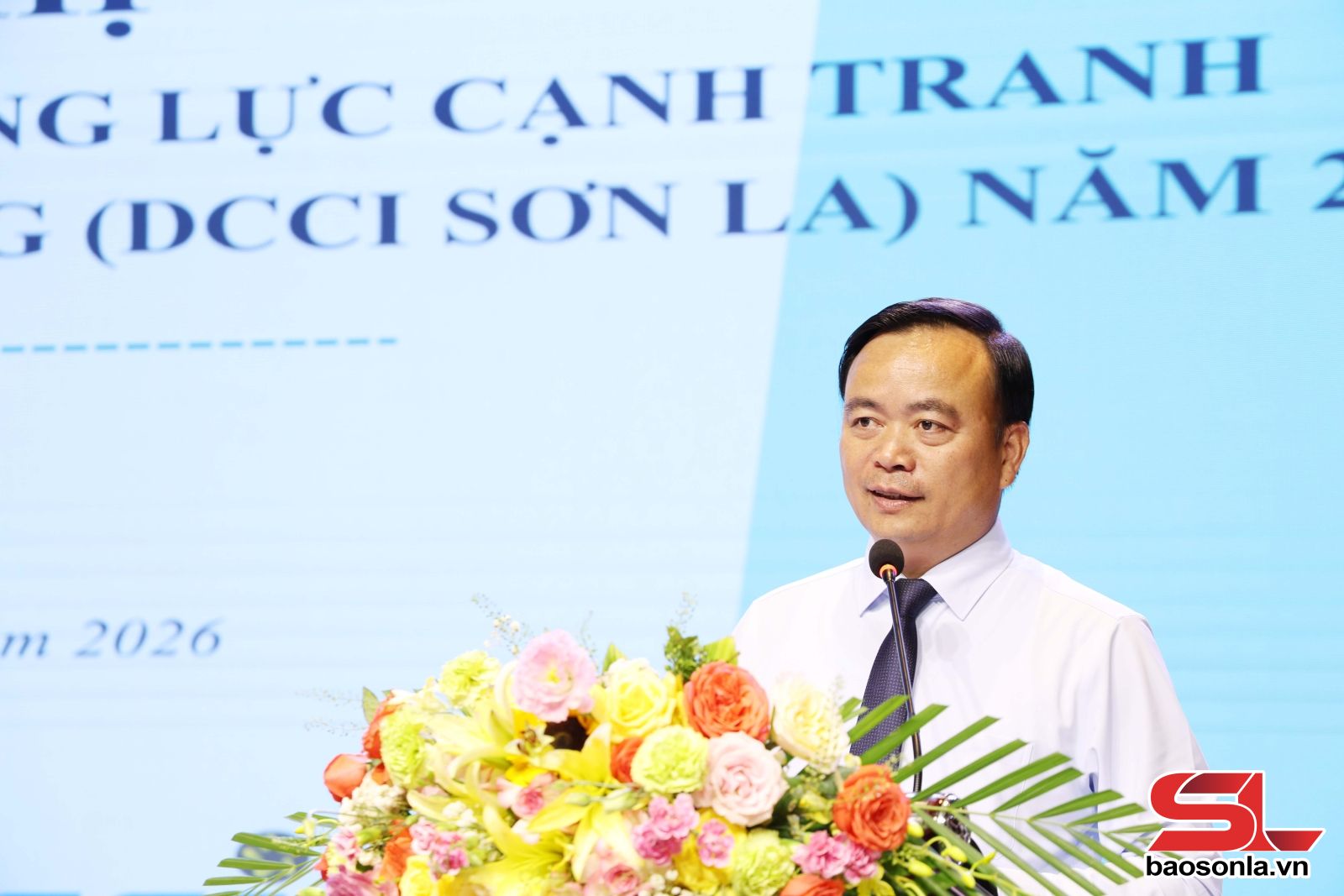
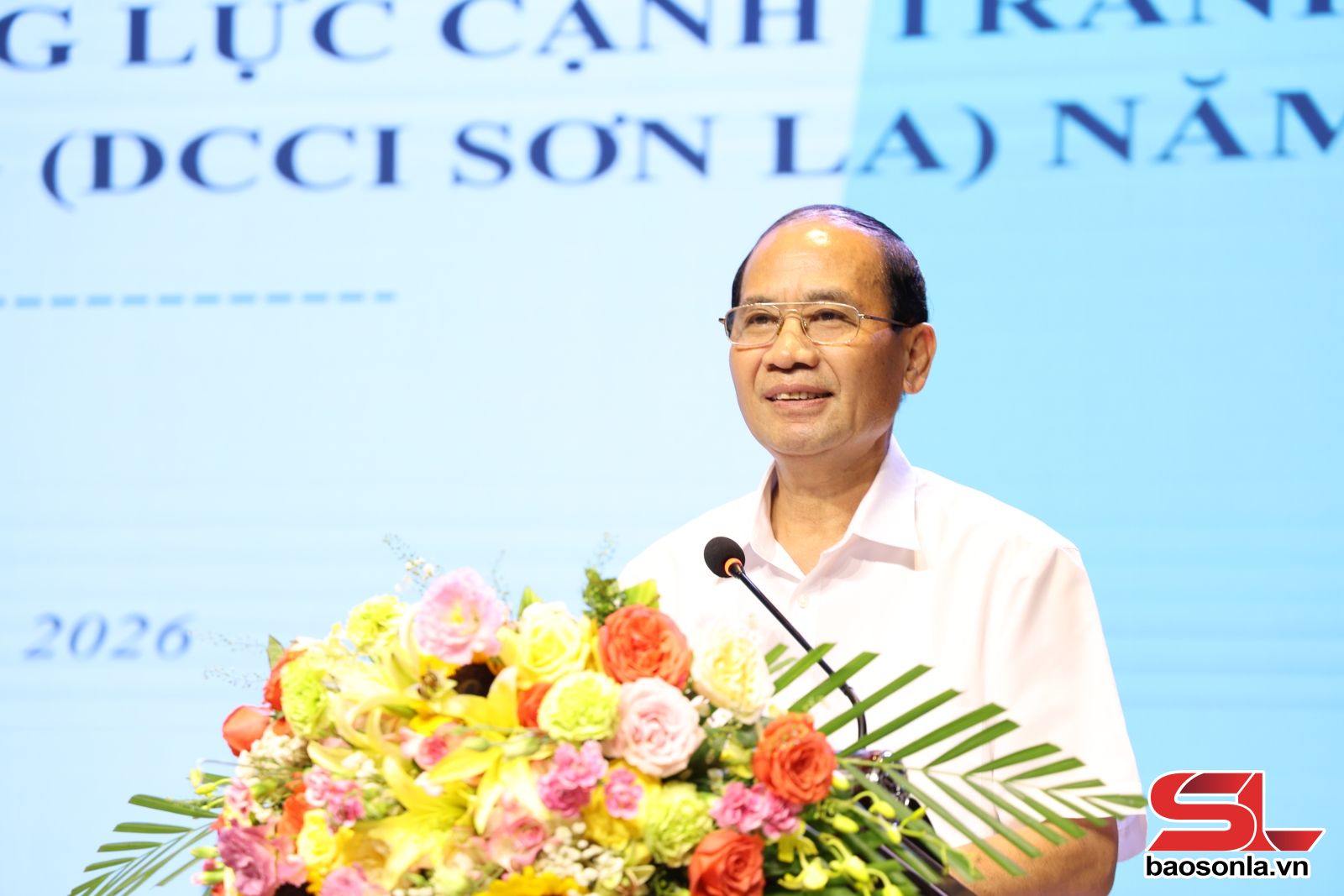
Speaking at the conference, Chien commended and congratulated departments, agencies and local authorities that achieved high rankings and scores in this year’s DCCI, while acknowledging efforts by many units to improve governance practices and strengthen support for businesses.
He called on them to further reform management and governance approaches toward a service-oriented and development-driven administration, placing citizens and businesses at the centre of public service delivery and using their satisfaction as a key benchmark for evaluating the performance of state agencies.
The People’s Committee pledged to continue supporting businesses and fostering a favourable and transparent investment and business environment, with public and business satisfaction serving as a measure of governance effectiveness.












You have 500/500 characters left
Please enter 5 or more characters!!!