




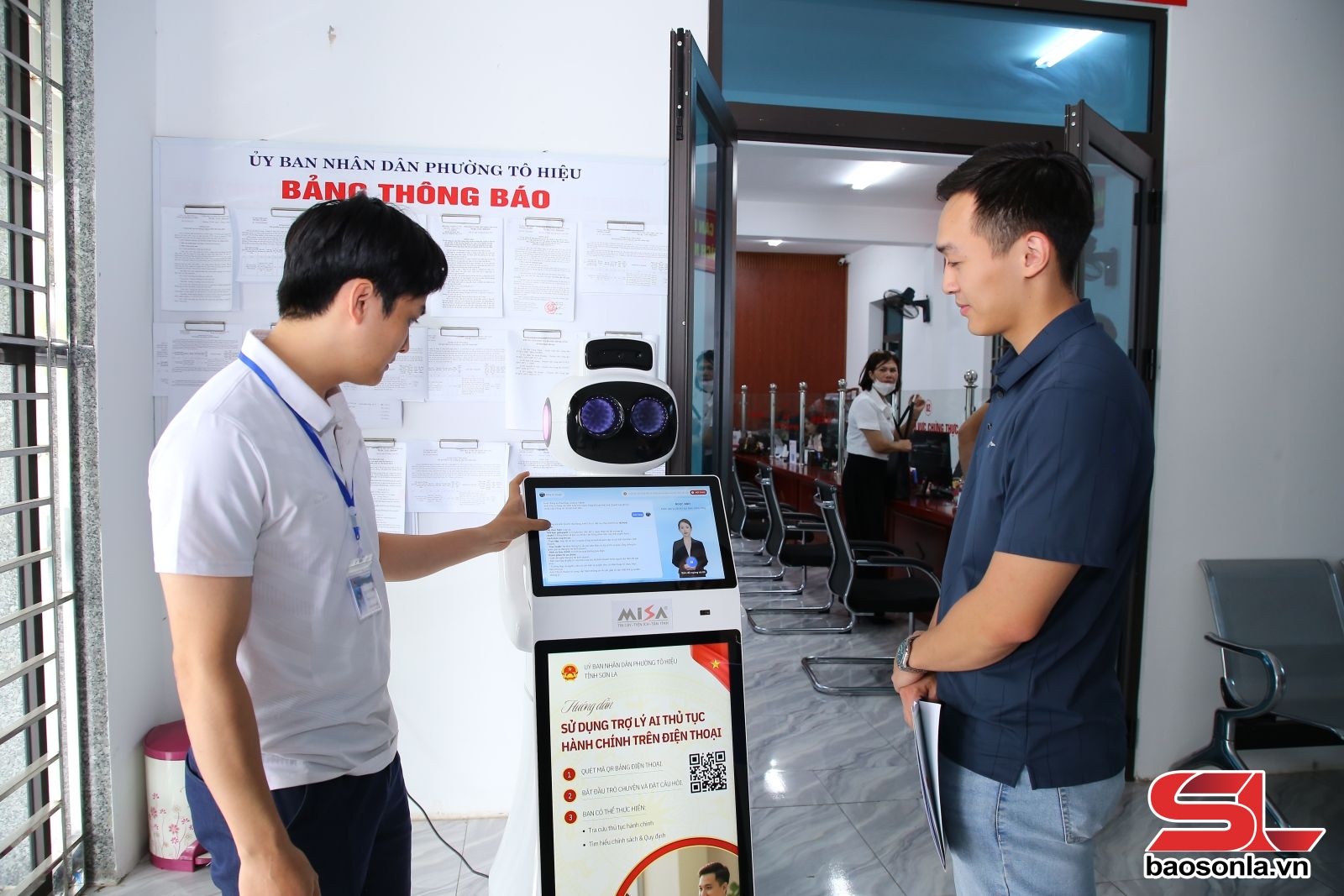
At the Public Administrative Service Centre of To Hieu ward on the last working day of the week, a large number of citizens arrived early in the morning to carry out administrative procedures.
Since being put into operation in January 2026, the Misa Agent Work Robot has interacted with and assisted more than 11,000 citizens, helping to shorten the processing time for administrative procedures, reduce errors, avoid missing documents, improve service quality, and build a digital government and modern administration.
Currently, the centre is implementing 394 online public administrative services. In the first quarter of 2026, it processed 2,349 applications, with 100% completed on time or ahead of schedule.
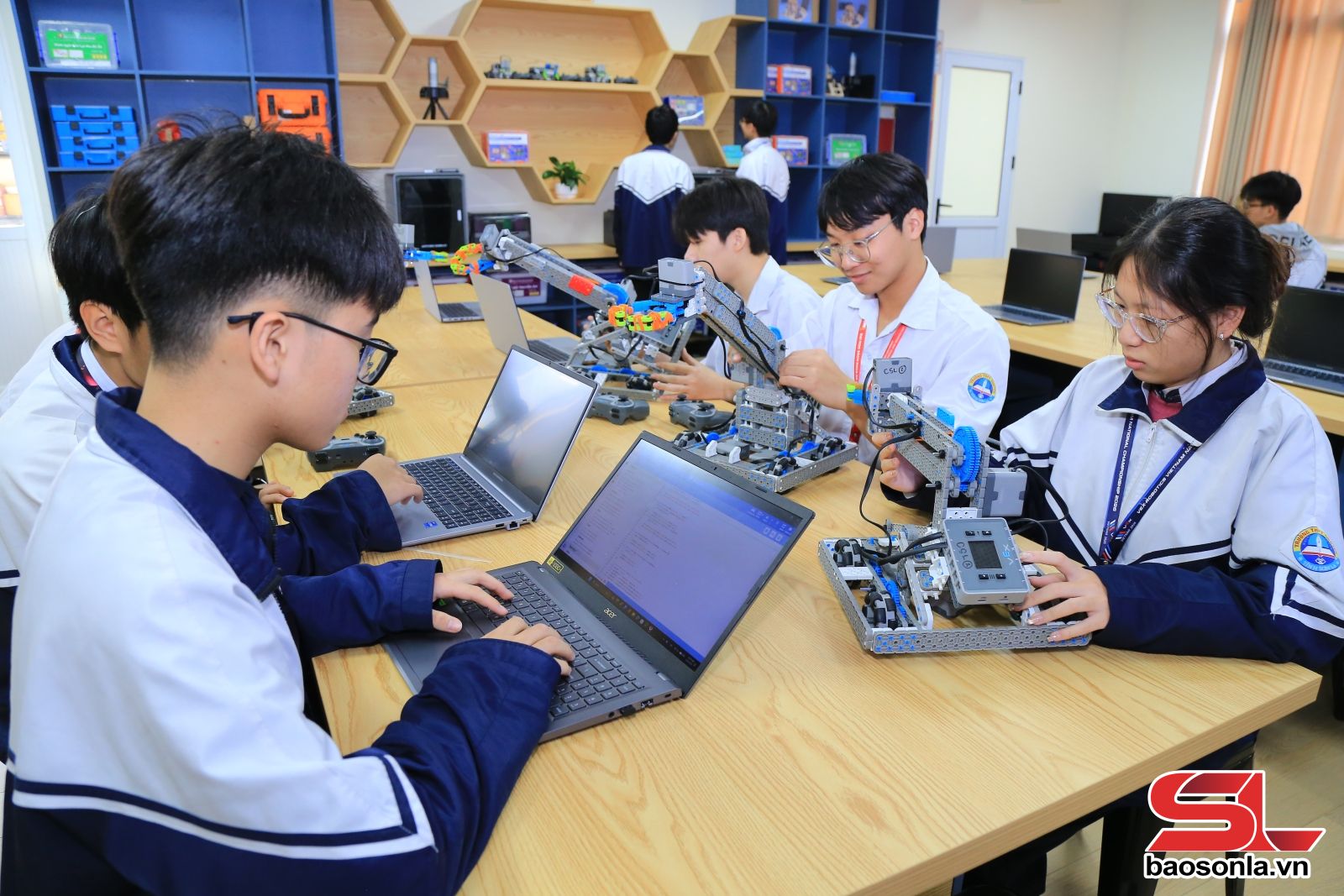
In the field of education, science and technology are also making significant progress. In line with Politburo Resolution No. 57-NQ/TW dated December 22, 2024, the provincial Department of Education and Training has implemented a project to enhance international-standard IT application competencies, knowledge, and skills for general education students during the 2025–2035 period. This initiative opens opportunities for younger generations to master technology from an early age.
In the 2025–2026 academic year, nearly 3,000 administrators and core teachers across the province participated in training programmes on the application of AI and information technology in teaching activities.
Thousands of teachers received online training in e-learning lesson design, including processes for developing and creating online learning content through the integration of multimedia elements such as text, audio, video, images, and interactive features on digital platforms, as well as techniques for operating Education 4.0 models.
Additionally, 100% of officials and teachers in the education sector were equipped with basic digital skills, while personnel responsible for digital transformation received specialised training in data analysis and exploitation.
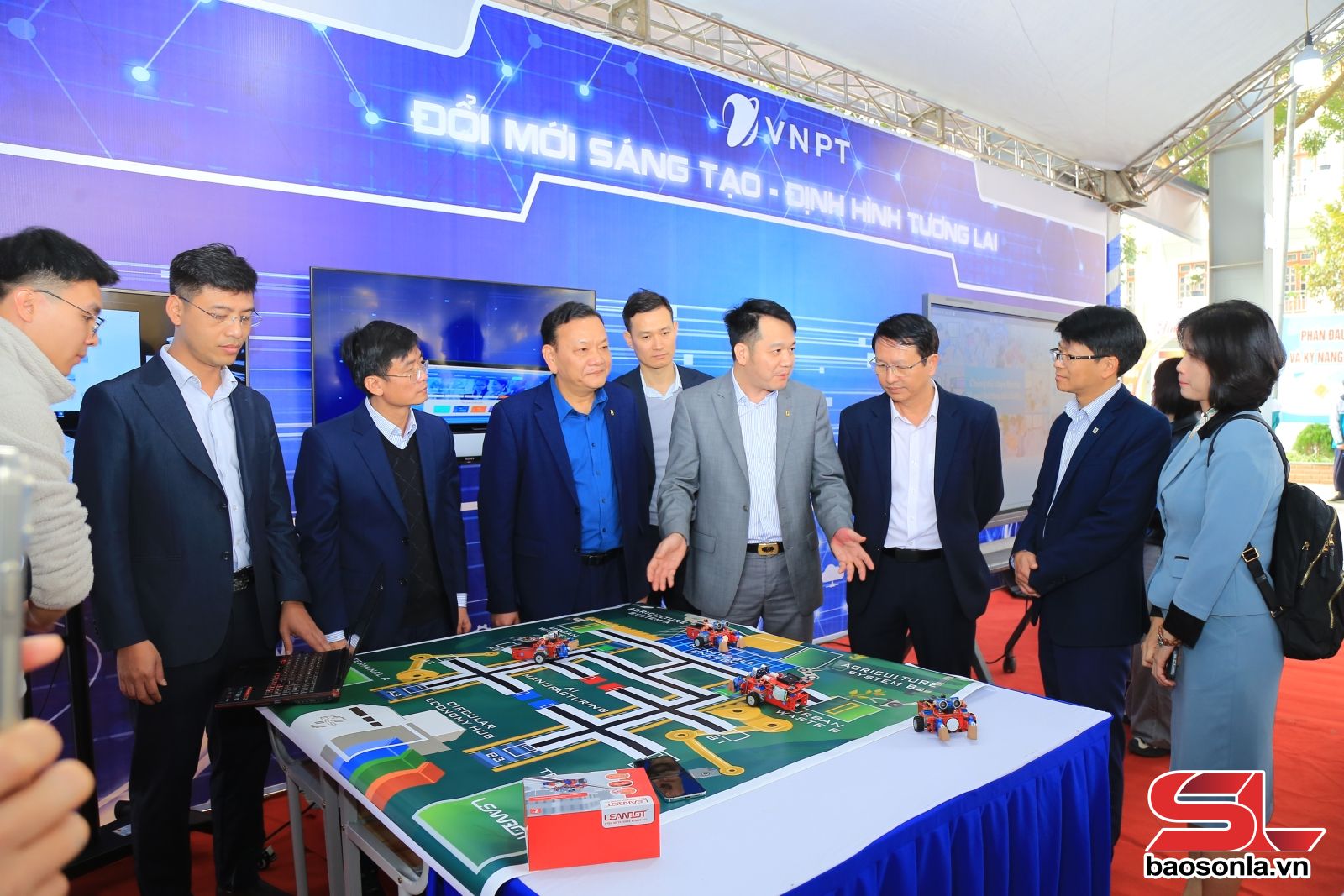
In recent years, Son La province has implemented science, technology, innovation, and digital transformation in a determined, synchronised, and focused manner, aligned with the goals of comprehensive digital transformation and the establishment of data platforms for governance. Numerous utilities supporting socio-economic development have been effectively and widely deployed.
To date, the provincial police have cleaned and verified information for more than 1.3 million permanent residents and 41,000 temporary residents. In addition, all accounts of officials, civil servants, and public employees have been updated and synchronised with the national database system.
Online public services have also been continuously improved, with 2,198 administrative procedures now available on the national public service portal, including 1,031 fully online procedures.
The digital economy has shown clear progress through the promotion of cashless payments, electronic invoices, and electronic tax payments. The proportion of households owning smartphones reaches 96.39%; households covered by fiber-optic broadband networks account for 80.6%; and the provincial Internet usage rate is 65.4%.

The strong implementation of science, technology, and digital transformation has created significant momentum for socio-economic development. In the first quarter of 2026, thanks to the acceleration of science, technology, and digital transformation initiatives, Son La achieved an impressive economic growth rate of 9.76%, leading the nine provinces in the northern midlands and mountainous region and ranking 8th among 34 provinces and cities nationwide.
With synchronised, decisive, and effective solutions, science, technology, and digital transformation will continue to serve as an important “launching pad,” enabling the province to make further breakthroughs, achieve rapid and sustainable development, and meet the demands of integration in the digital era.







You have 500/500 characters left
Please enter 5 or more characters!!!