




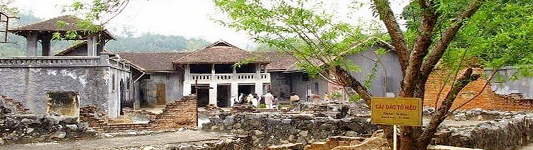
As one of the pioneers in applying the VietFarm standard – a sustainable, low-emission agricultural production framework – to coffee cultivation, Bich Thao Coffee Cooperative in Chieng Coi ward has gradually demonstrated the effectiveness of green production practices. From cultivation and harvesting to processing and quality management, every stage follows standardised procedures with full traceability. Notably, by-products from coffee processing are recycled into organic fertiliser for use in the cooperative's coffee-growing areas, creating a circular production model that enhances sustainability.
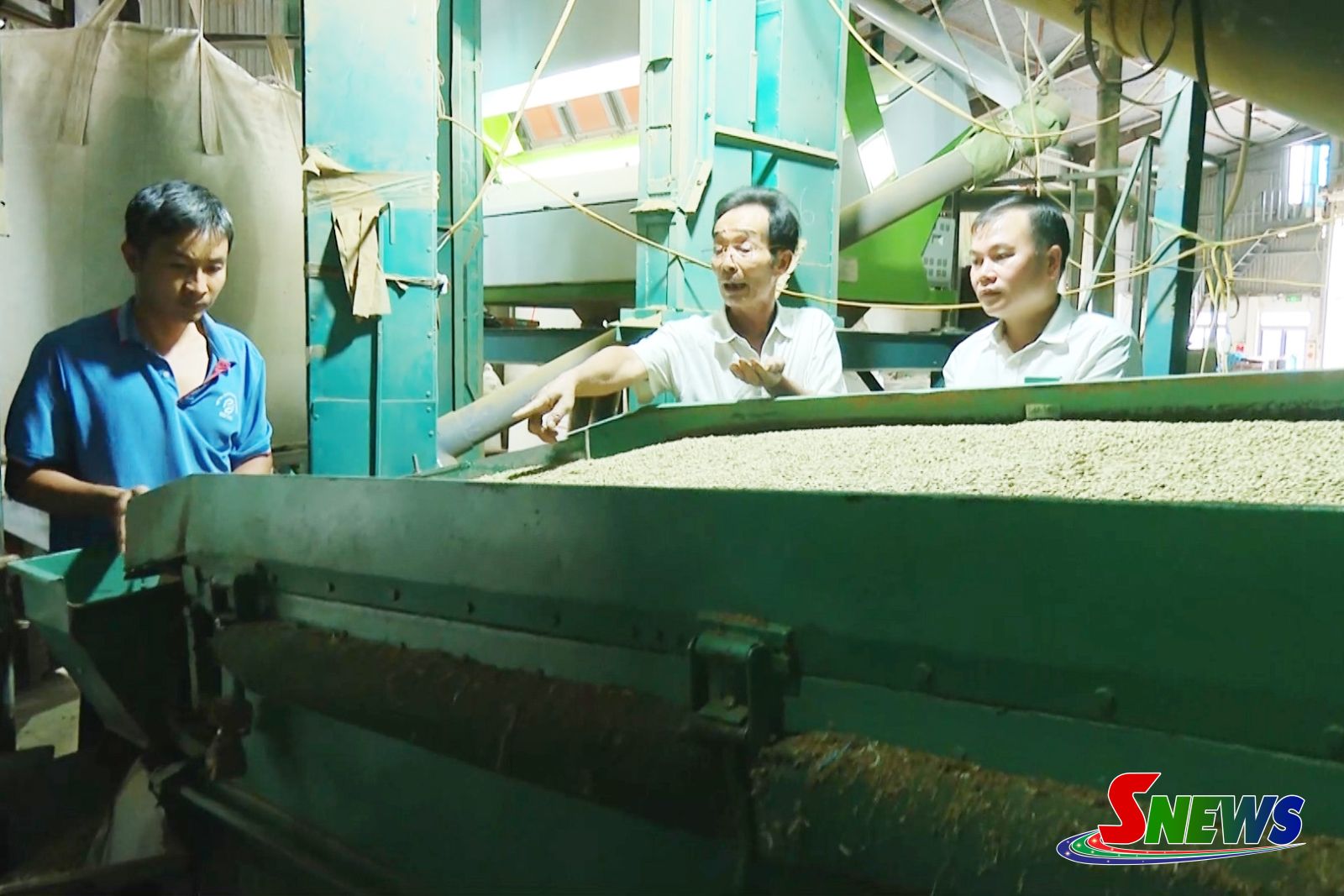
Nguyen Xuan Thao, Director of the cooperative, said the shift to green production practices has reduced fertiliser costs by around 25–30%, while total production investment has fallen from more than 100 million VND to approximately 20–25 million VND (761–972 USD) per hectare annually. At the same time, all coffee pulp and husks are recycled into organic fertiliser within 45–60 days, helping improve both product quality and the value of the coffee beans. From just 11 members initially, the cooperative has expanded its network to nearly 1,200 farming households and now generates annual revenue of more than 40 billion VND.
.jpg)
By consistently adhering to green production practices, the cooperative has steadily improved product quality, expanded its market reach and strengthened partnerships with farming households across its raw material area. Its circular production model has not only reduced input costs but also helped protect the environment and enhance the value of Son La coffee, laying a solid foundation for the cooperative's sustainable growth.
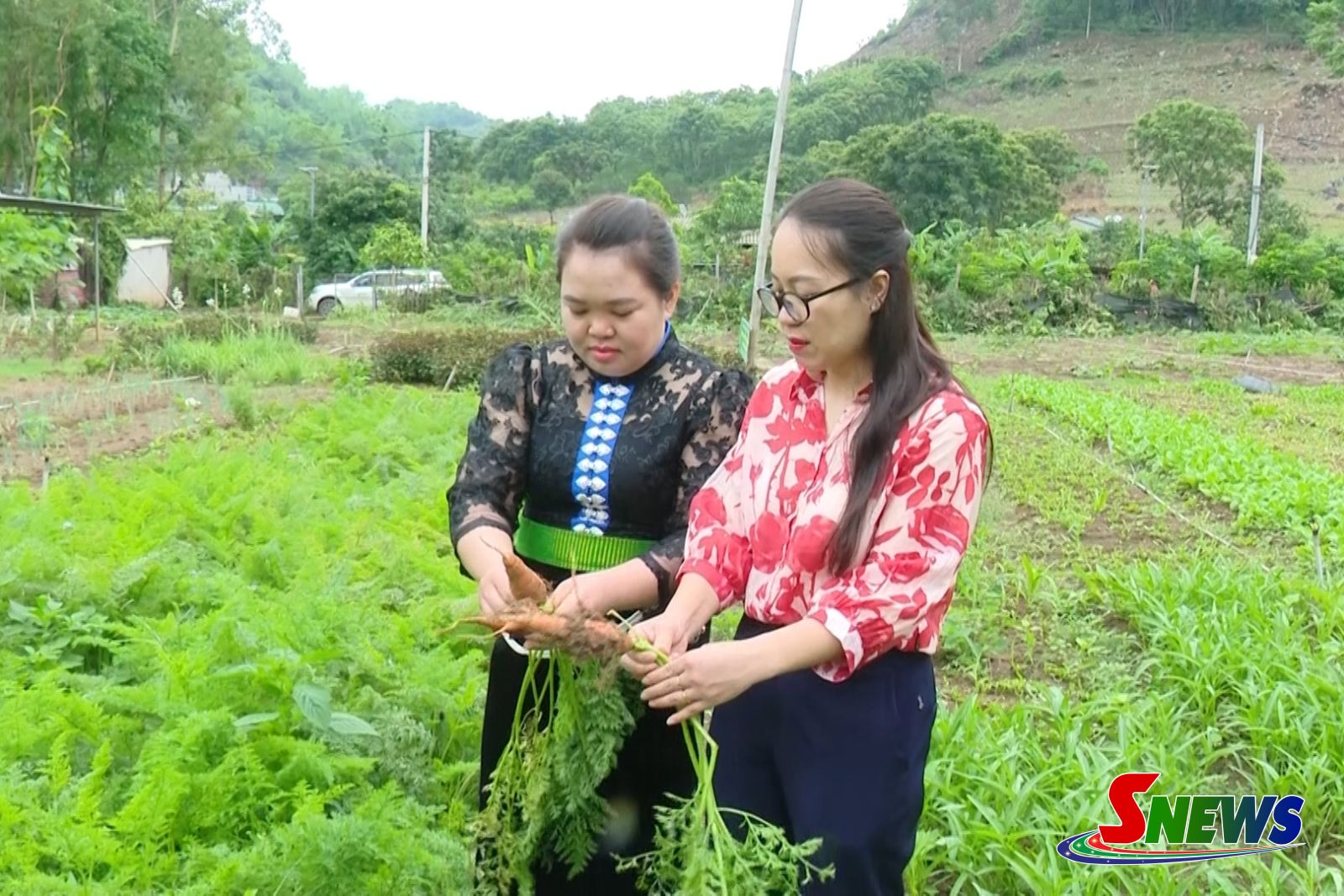
At March 26 Agricultural Cooperative in Chieng Sinh ward, green farming has been rolled out through a range of practical measures. From an initial operation of around three hectares of vegetable cultivation with seven members, the cooperative has expanded to 15 members and established production links with about 30 farming households. It now grows 15 hectares of VietGAP-certified safe vegetables.
The cooperative has invested in net houses and automated irrigation systems, adopted new crop varieties and implemented safe cultivation practices. At the same time, agricultural by-products are recycled into organic fertiliser, helping reduce input costs, improve soil quality and gradually establish a circular production model.
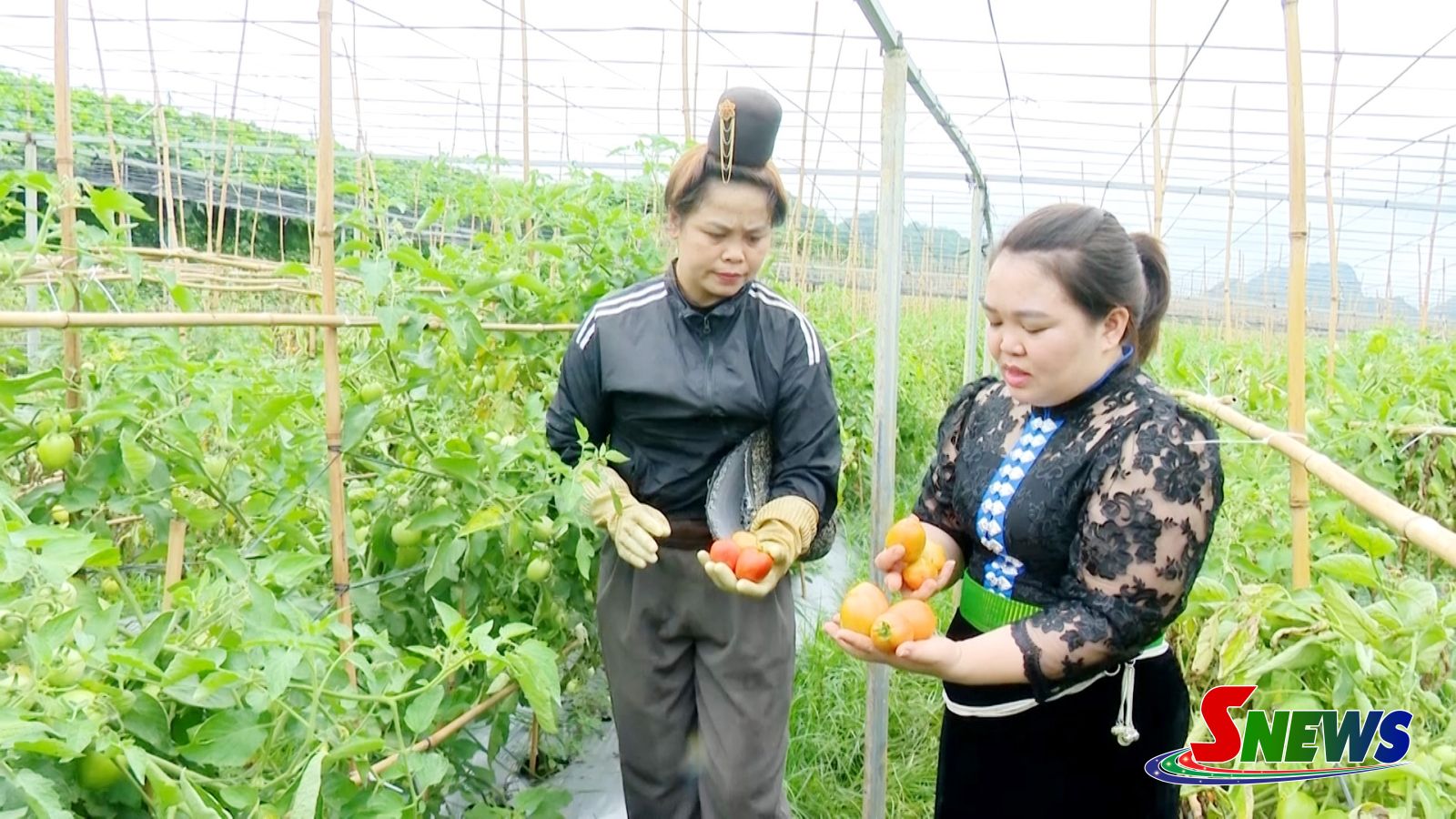
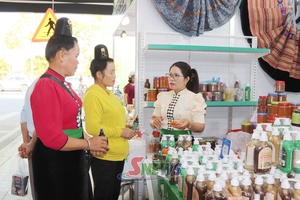
Hoang Thi Tham, Deputy Director of the cooperative, said it is committed to promoting indigenous agriculture while creating jobs for women and rural workers, alongside developing its own supply chain to enhance product value. The cooperative currently operates retail outlets at the November 7, Rang Tech, 308 and Chieng An markets, and has signed contracts to supply safe vegetables to one hospital and 13 schools. Each year, it supplies more than 100 tonnes of vegetables and fruits to the market, generates annual revenue of approximately 2.8 billion VND, and provides regular employment for 10 workers and seasonal jobs for around 30 others.
Son La is now home to 521 agricultural cooperatives, many of which have adopted VietGAP and organic production standards and obtained growing-area codes to support exports. By the end of 2025, the province had 13 VietFarm-certified units, accounting for nearly 30% of all certified entities nationwide, the highest number among Vietnam's provinces and cities.
These achievements reflect a broader shift among agricultural cooperatives from experience-based farming to standardised production processes that incorporate science and technology, develop concentrated raw material areas, strengthen market linkages and expand value-chain production. The transformation is helping improve the quality and value of agricultural products, broaden market access and promote more sustainable agricultural development.
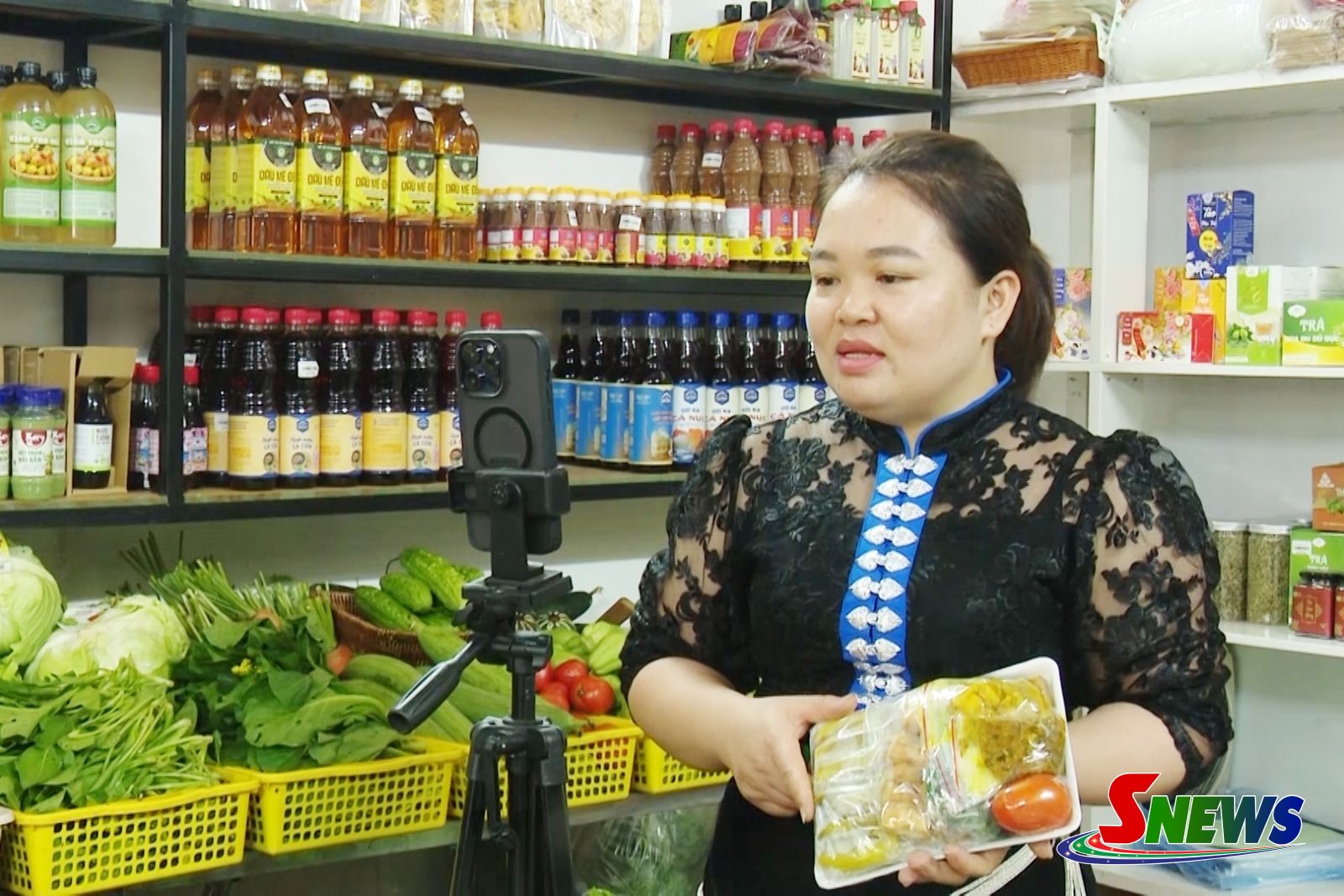
Duong Gia Dinh, Deputy Director of the provincial Department of Agriculture and Environment, said green agricultural production models have increased economic efficiency by 15–20% by reducing production costs, improving product quality and meeting the standards of export markets. More importantly, they have helped transform farmers' production mindset towards more efficient use of resources, lower emissions and sustainable development.
The success of models such as Bich Thao Coffee Cooperative and March 26 Agricultural Cooperative demonstrates that green production is no longer a passing trend but has become a core direction for Son La's agricultural development. As the province leads the country in the number of VietFarm-certified organisations, local farmers have embraced a fundamental shift in production practices. The ongoing transition towards greener agriculture is expected to further enhance the value and reputation of Son La's agricultural products while laying the groundwork for long-term, environmentally sustainable growth./.




You have 500/500 characters left
Please enter 5 or more characters!!!