
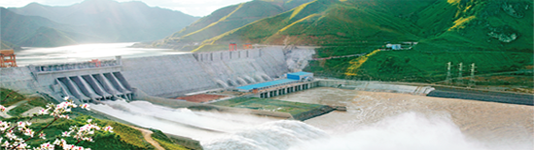
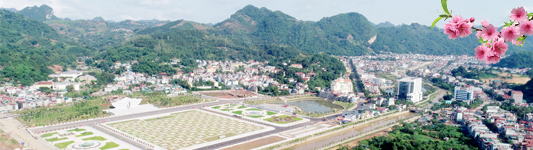
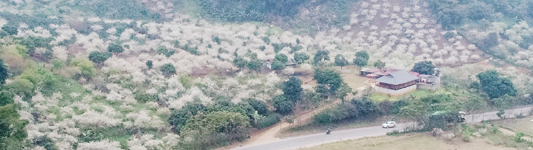

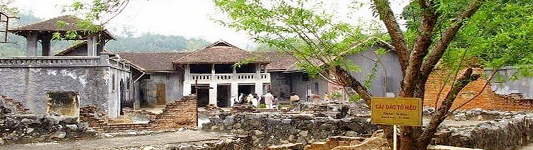
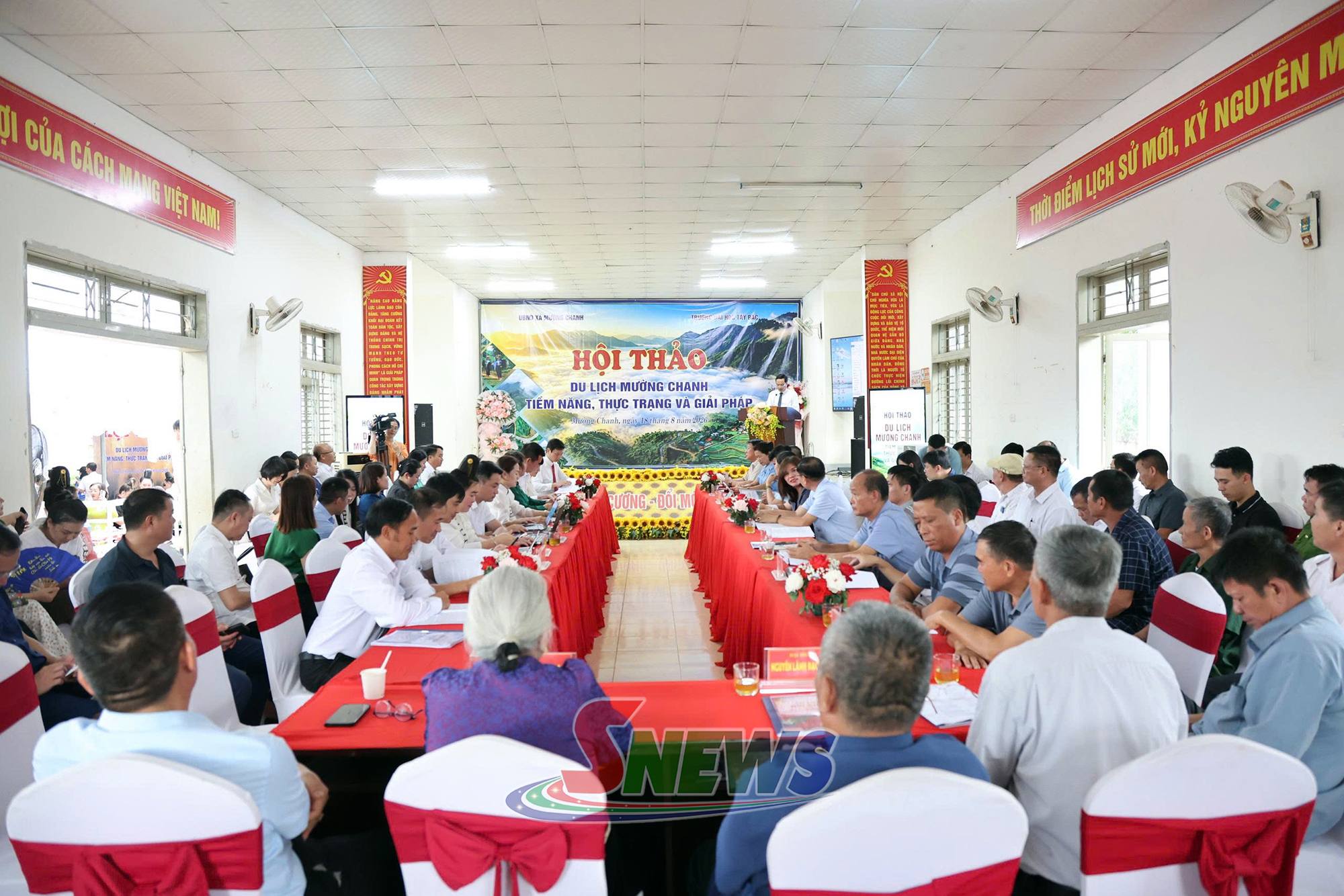
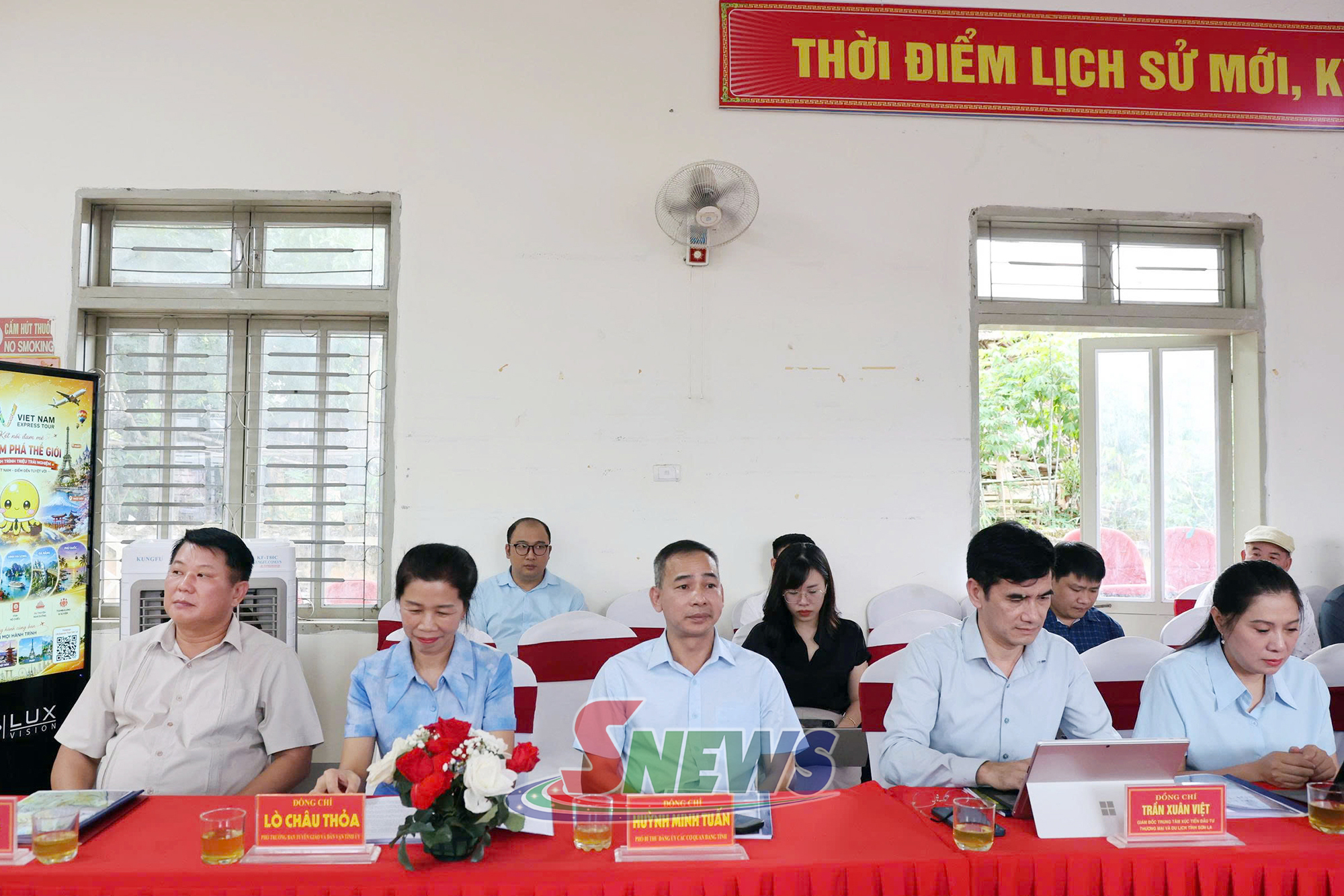
Muong Chanh commune was established through the merger of Muong Chanh and Chieng Chung communes. Covering an area of 101.47 sq.km, the commune comprises 14 hamlets with 2,330 households. More than 98% of its population are ethnic minority people, mainly the Thai ethnic group. Muong Chanh, rich in revolutionary traditions, was awarded the title “Hero of the People’s Armed Forces” for its contributions during the resistance war against the French colonialists. The Muong Chanh Revolutionary Base was recognised as a provincial-level historical relic site in 2006.
The locality also preserves many distinctive cultural features of the Thai people, including traditional stilt houses, Xoe dance, Khap folk singing, festivals, cuisine, traditional pottery making, as well as various customs and practices. These cultural assets represent an important resource for developing cultural and community-based tourism.
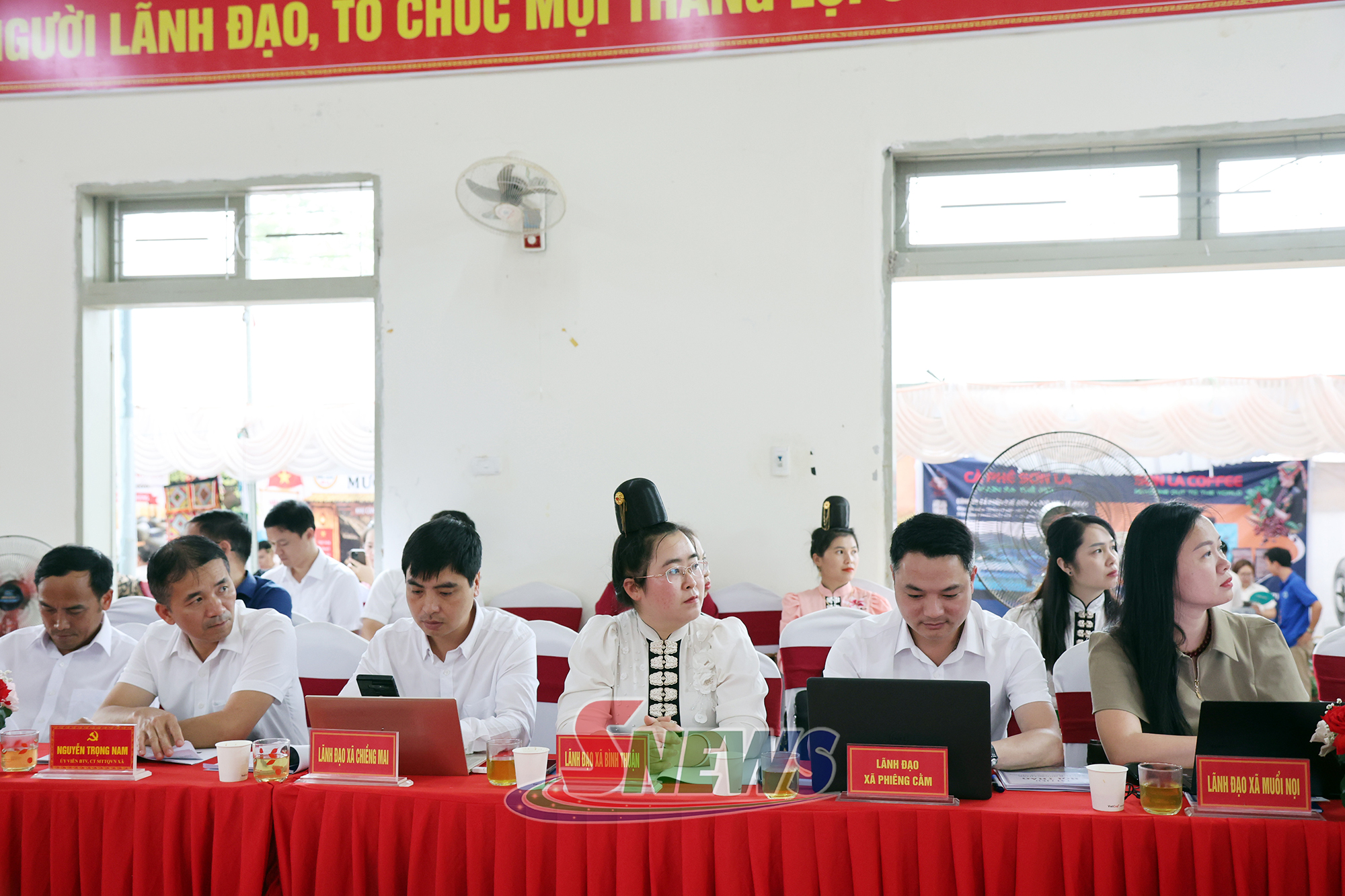
Implementing the provincial Party Committee's Resolution No. 07-NQ/TU, dated December 30, 2025, on tourism development for the 2025-2030 period, Muong Chanh has developed a Tourism Development Plan for 2026-2030; reviewed local tourism resources, conducted surveys of the current situation, and identified its potential, advantages and development orientations.
The Resolution adopted by the 1st commune Party Congress for the 2025-2030 tenure identifies the development of agriculture and forestry and ecotourism in association with digital transformation, green growth and sustainable development as one of the commune’s breakthroughs.
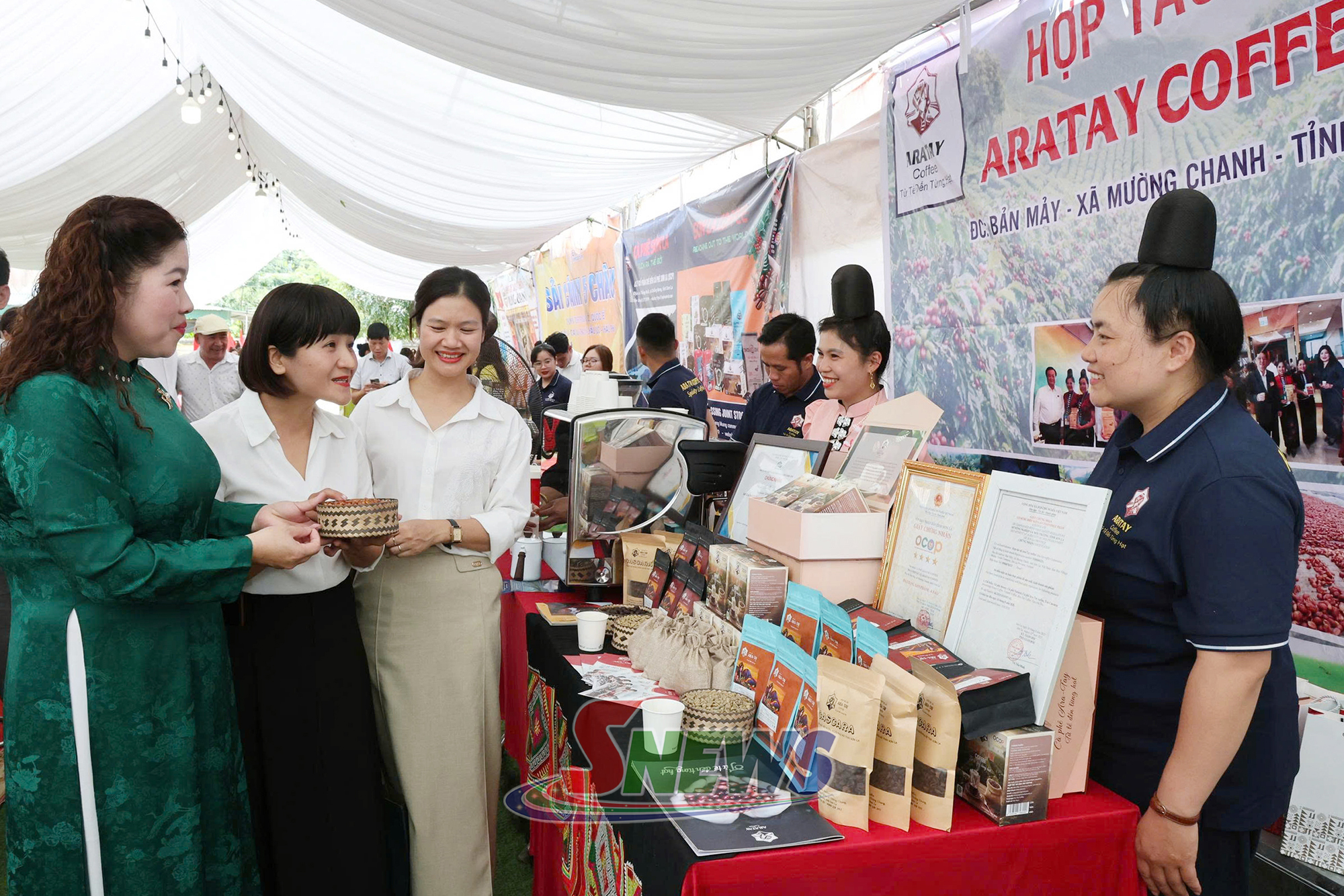
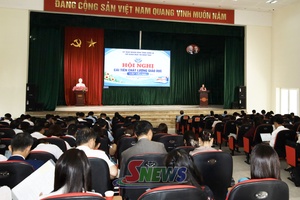
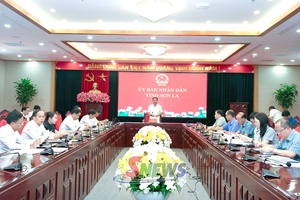
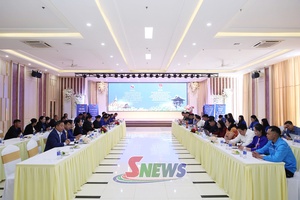
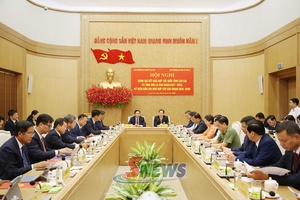
At the workshop, delegates exchanged views and discussed the preservation and promotion of historical and cultural heritage values to support tourism development; investment promotion, tour operator connectivity and the development of the Muong Chanh tourism market; the development of distinctive tourism products based on local resources; and the application of digital transformation in building the image of and promoting tourism in Muong Chanh commune.
.jpg)
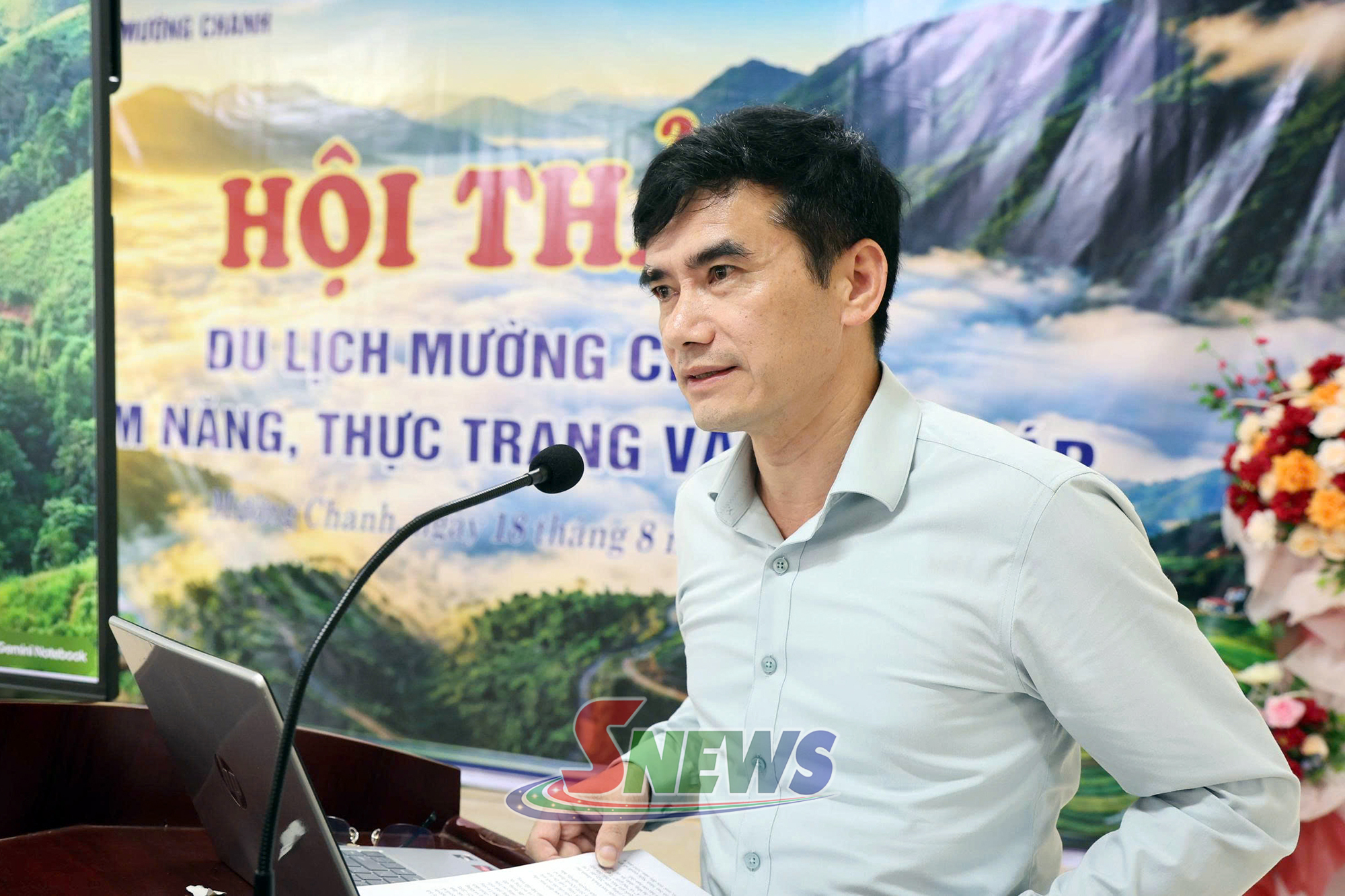
Speaking at the event, Hung urged authorities at all levels and relevant agencies to clearly define the role of Muong Chanh tourism within the province’s overall tourism development strategy; study the formation of interconnected routes and tours, develop distinctive products, and use historical and cultural values and community engagement as the foundation for building the Muong Chanh tourism brand.
He also called for a stronger focus on developing product groups suited to local conditions, accelerating digital transformation in tourism development; standardising information on tourist attractions, accommodation, products and services; and stepping up promotion on digital platforms. He suggested studying the application of digital maps, QR codes, electronic narrations, 360-degree imagery and artificial intelligence in line with local conditions.


You have 500/500 characters left
Please enter 5 or more characters!!!