



After several days of persistent heavy rain, in the early hours of July 9, the house of Lo Van Quan in Chieng Bang sub-zone, Quynh Nhai commune, was completely buried when tens of thousands of cubic metres of soil and rock collapsed from the hillside behind the property.
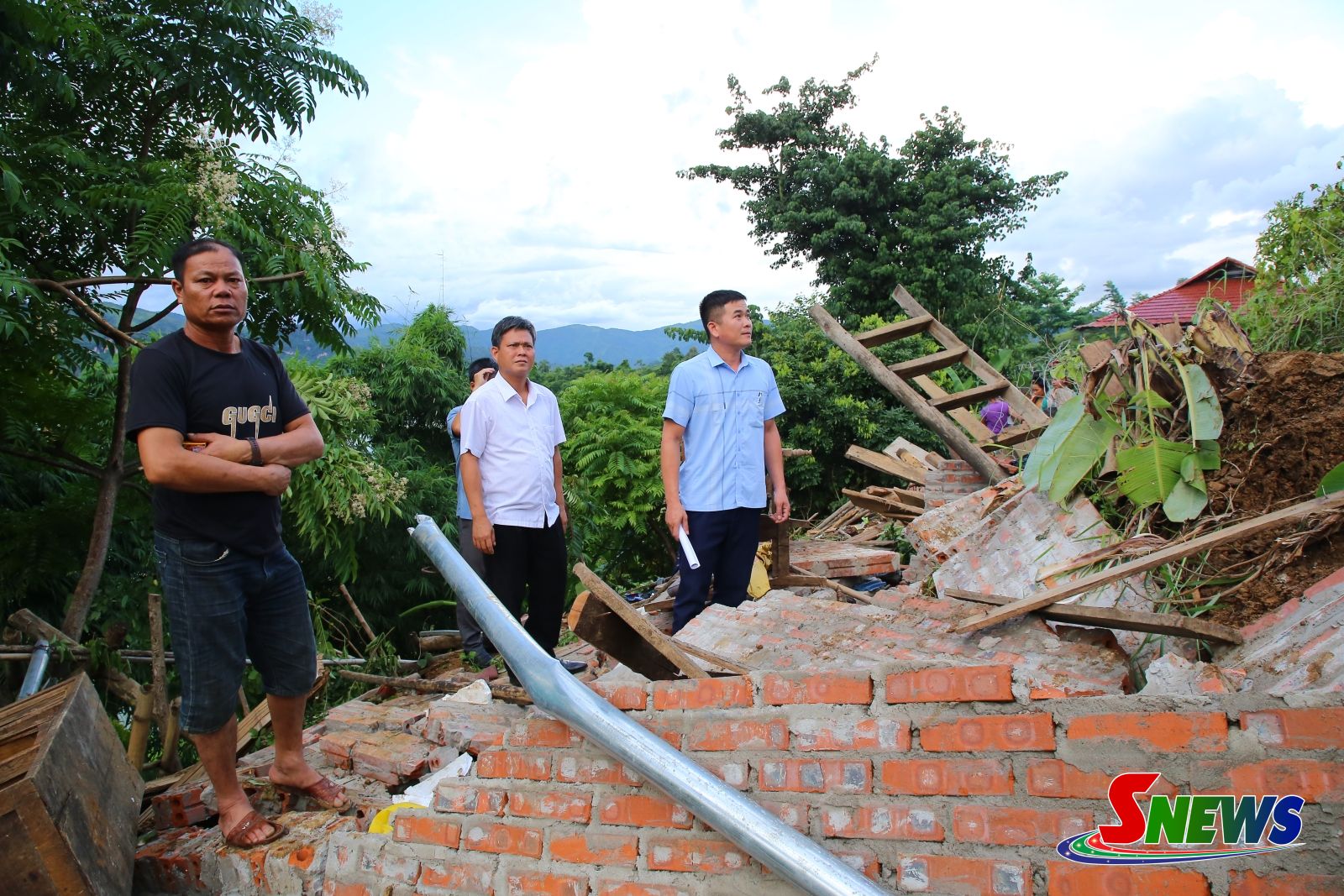
Looking at the newly painted walls lying beneath piles of mud and rocks, Lo Van Quan said sadly: "I built this house just over three years ago and I am still paying off the loan. When the landslide occurred, my wife and I were away, leaving only our 14-year-old son at home. Fortunately, he managed to escape in time. That same morning, military personnel and local residents came to help my family deal with the aftermath and move our belongings to a safe place. We are currently staying with relatives and hope the local authorities will soon provide support so we can stabilise our lives."
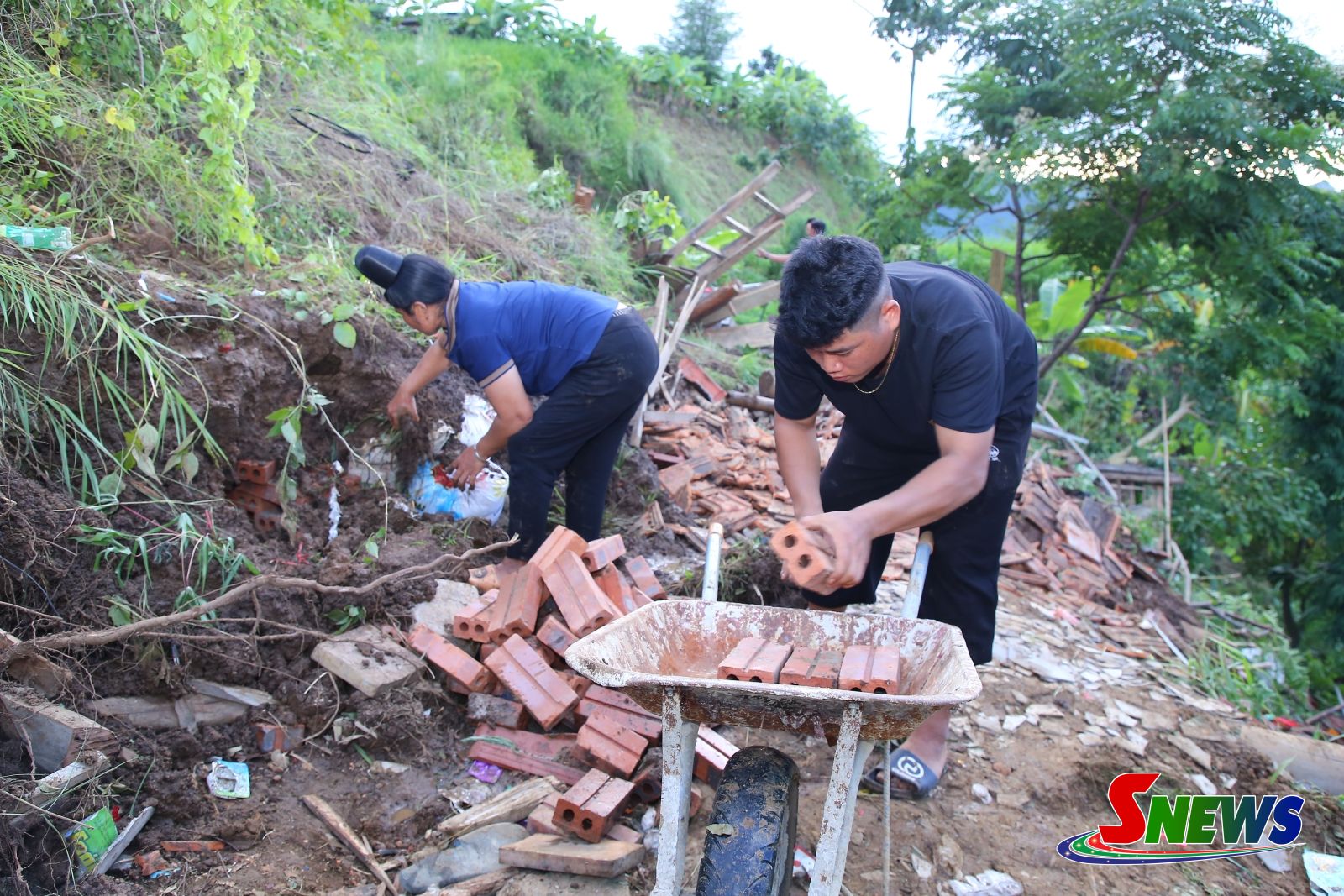
In Chieng Le hamlet, Muong Gion commune, heavy rainfall on July 9 triggered landslides that affected the homes of 10 households. The traditional stilt house of Lo Thi Pan's family was struck by more than 10 cubic metres of soil and rocks, breaking two supporting pillars and leaving the structure at risk of collapse.
Lo Thi Pan recalled: "At around 5 a.m., while I was sleeping, I heard a loud rumbling sound from behind the house. I immediately woke my children and we ran outside. Soon afterward, local authorities arrived to help move our belongings to the community cultural house. Once the weather improves, we will clean up and reinforce the house before returning."
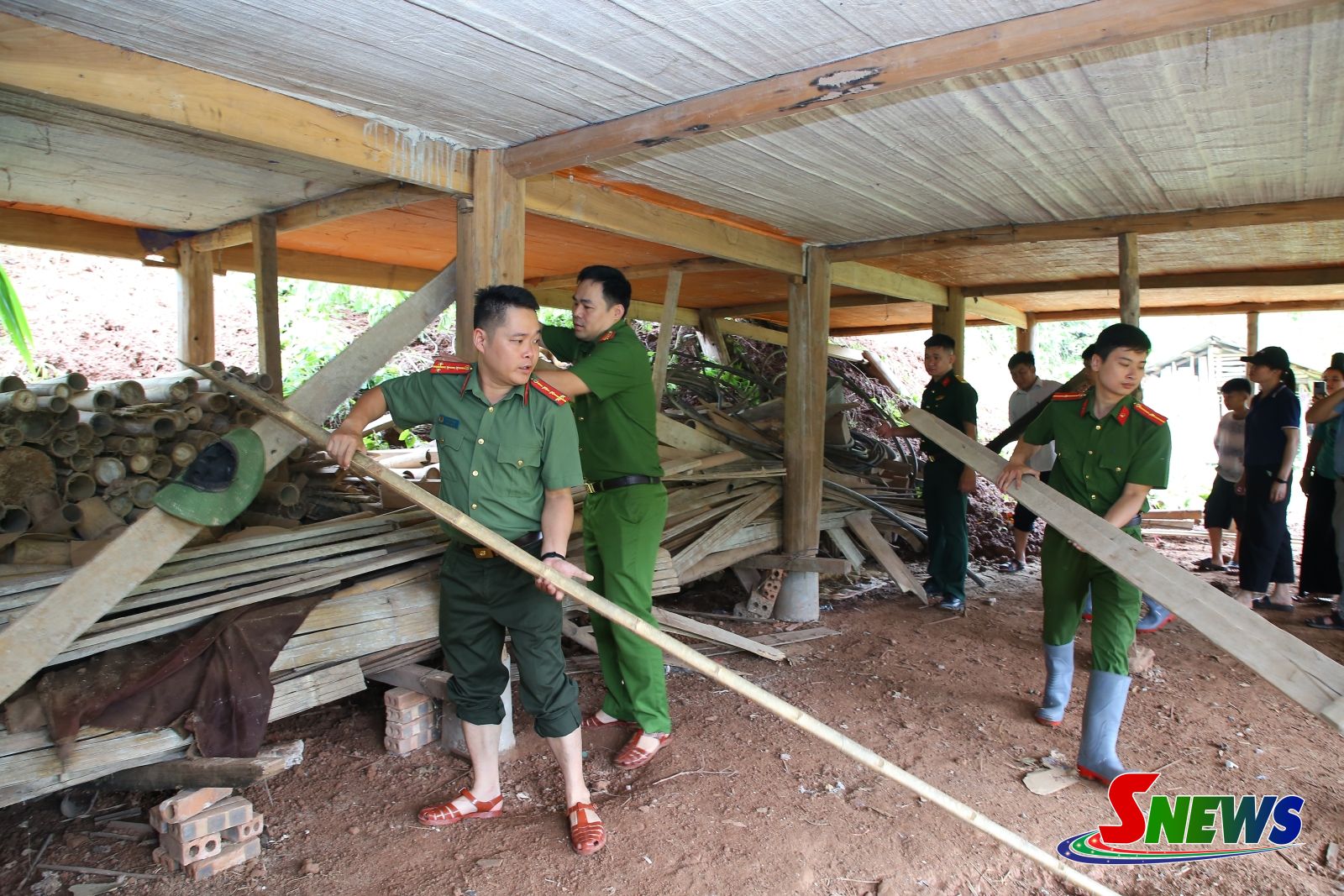
As of July 10, a total of 43 houses in 15 hamlets across the three communes of Quynh Nhai, Muong Gion, and Muong Sai had been damaged by floods and landslides, including two houses that were completely buried. More than 10 hectares of rice fields, corn fields, and fish ponds were flooded or washed away. Total losses are estimated at more than 2 billion VND (76,140 USD).
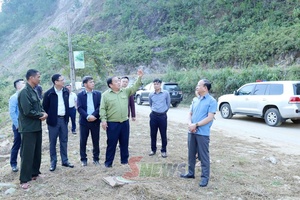
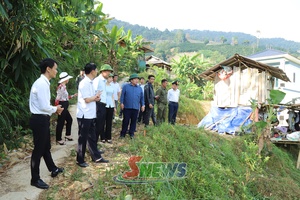
Immediately after the disaster, local authorities were present at the affected sites to direct emergency response efforts, mobilising police, military personnel, and local emergency forces to help residents evacuate people and property to safer locations and restore normal living conditions as quickly as possible.
.jpg)
Nguyen Ngoc Tu, Chairman of the People's Committee of Quynh Nhai commune, said that under the "four-on-the-spot" principle, the commune's Civil Defence Command dispatched inspection teams to assess damage in affected areas. In Chieng Bang sub-zone alone, five households suffered housing damage. The commune mobilised emergency forces to help relocate property and arrange temporary accommodation for affected residents.
At the same time, hamlet authorities have been instructed to inspect areas at risk of landslides, maintain 24-hour duty, and prepare personnel and equipment to respond promptly to heavy rainfall, flooding, and rescue operations.
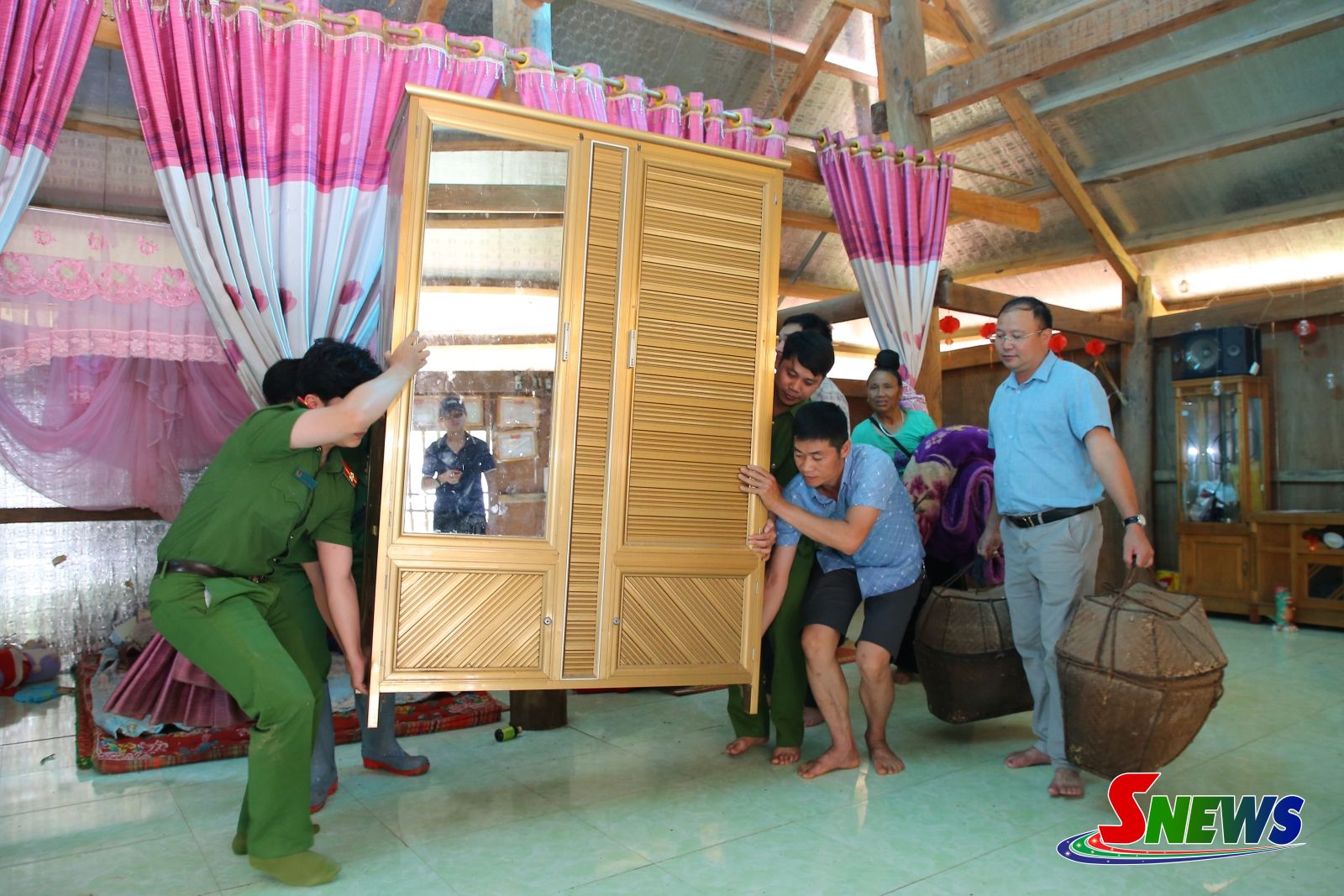
To help residents restore agricultural production, local authorities have mobilised mass organisations and community groups to assist farmers in replanting rice fields that were washed away, ensuring that planting schedules are maintained. The communal People's Committees have also instructed local health stations to maintain adequate medical supplies, coordinate with relevant forces in environmental sanitation efforts, and advise residents in affected areas on hygiene practices, water disinfection, and disease prevention.
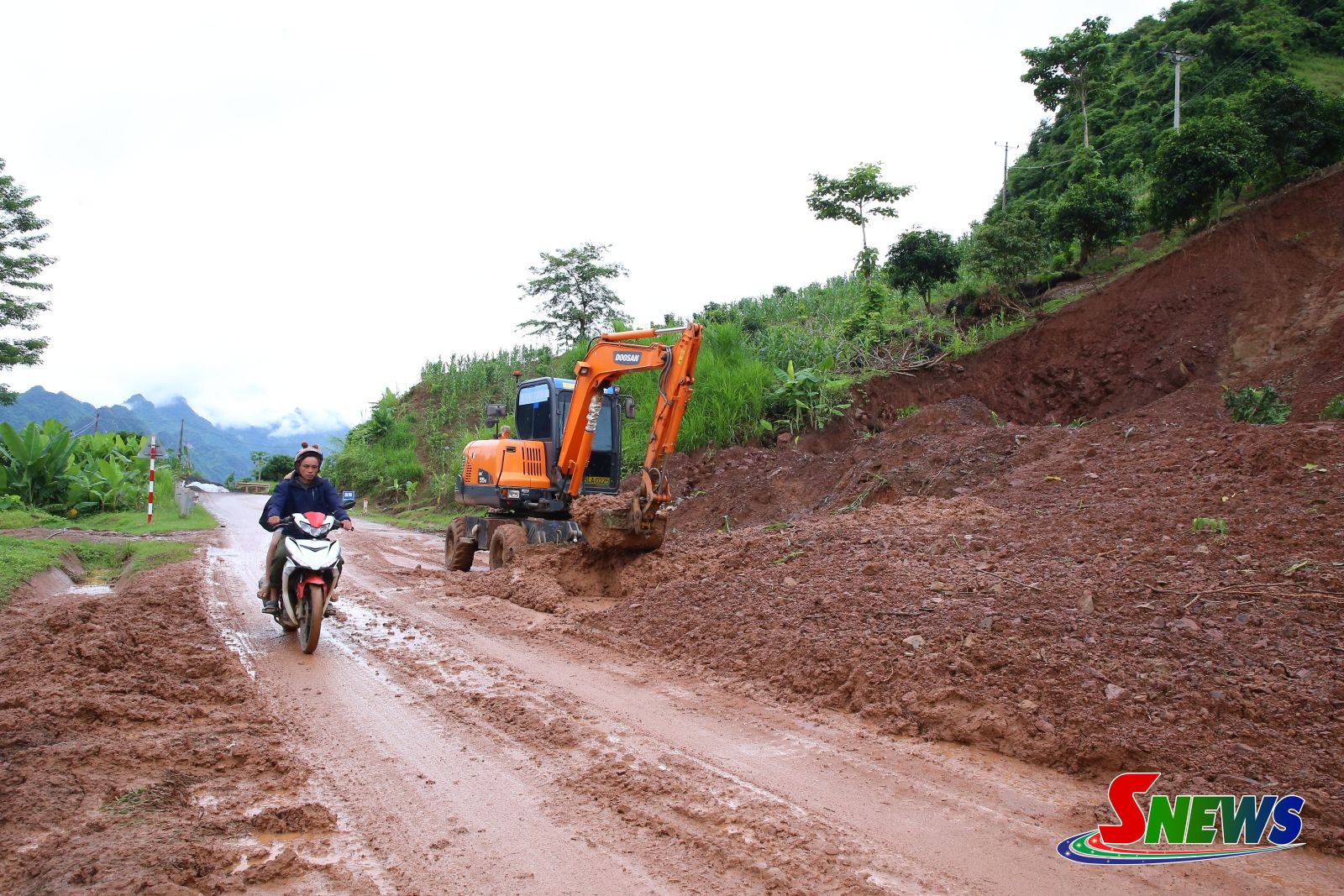
Prolonged heavy rainfall also caused landslides and damage at 18 locations along National Highway 279 and Provincial Road 107 passing through Quynh Nhai and Muong Gion communes. To restore traffic, local authorities have coordinated with road management agencies to deploy machinery and personnel to remove mud, rocks, and fallen trees, clear blocked roads, and reopen routes as quickly as possible. Police officers have also been assigned to direct traffic and assist vehicles passing through landslide-prone areas to ensure public safety.
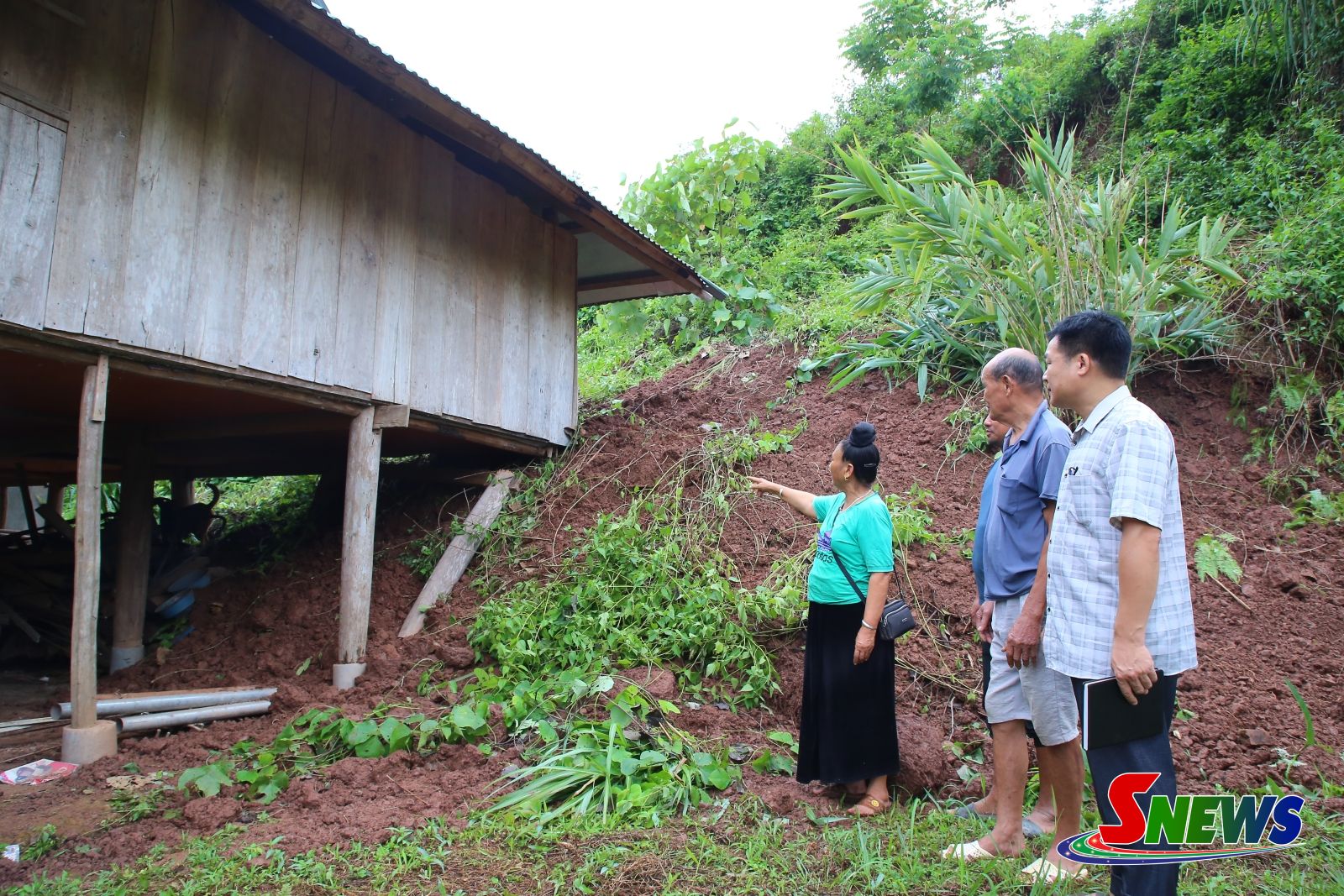
As adverse weather conditions are expected to continue, local authorities will maintain round-the-clock duty, closely track rainfall and flood developments, proactively implement disaster response plans, and mobilise all available resources to recover from the disaster, helping residents restore their livelihoods and resume agricultural production as soon as possible./.












You have 500/500 characters left
Please enter 5 or more characters!!!