







In the first six months of 2026, the provincial People’s Committee’s Steering Committee 1310 translated objectives related to science, technology, innovation, and digital transformation into specific work plans. The province focused on improving the legal framework, creating favorable conditions for departments, sectors, and localities to reform administrative procedures and enhance service quality. Digital transformation efforts were implemented comprehensively across three pillars: digital government, digital economy, and digital society.
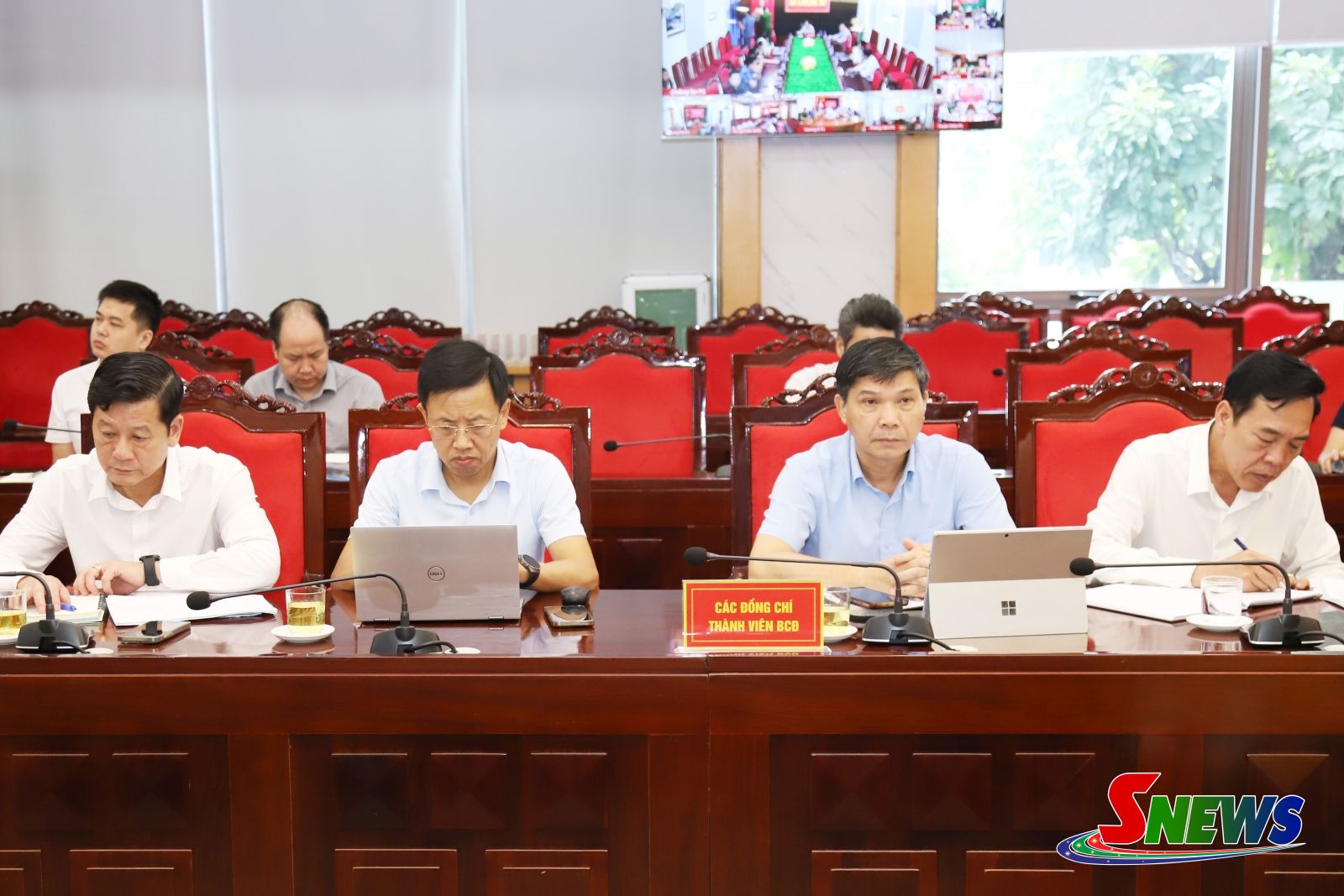
Regarding the implementation of Project 06 on administrative reform and digital transformation, the province stepped up communication campaigns and guided residents in using the VNeID application and integrating personal documents.
In health care, 18 out of 20 units have implemented electronic medical records, 12 hospitals have installed self-service kiosks, and 100% of medical examination and treatment facilities accept citizen identification cards or VNeID instead of paper health insurance cards, with a successful authentication rate of 86.74%.
In the finance and banking sector, 10 credit institutions have adopted VNeID for customer identification, covering nearly 850,000 accounts. The use of electronic invoices generated from cash registers and cashless payments have been expanded, with benefit payments reaching 100% of people with meritorious services and 76.11% of social protection beneficiaries.

Regarding provincial data development, the province has identified data as the foundation of digital transformation and focused on completing its shared data repository linked with the Intelligent Operations Centre (IOC). To date, the provincial data repository has integrated 330 data categories and 783 tables, containing more than 31 million records from 18 departments and sectors. The system has been visualised through 301 dashboards and 986 AI chatbot scenarios, providing effective support for leadership and management at all levels.
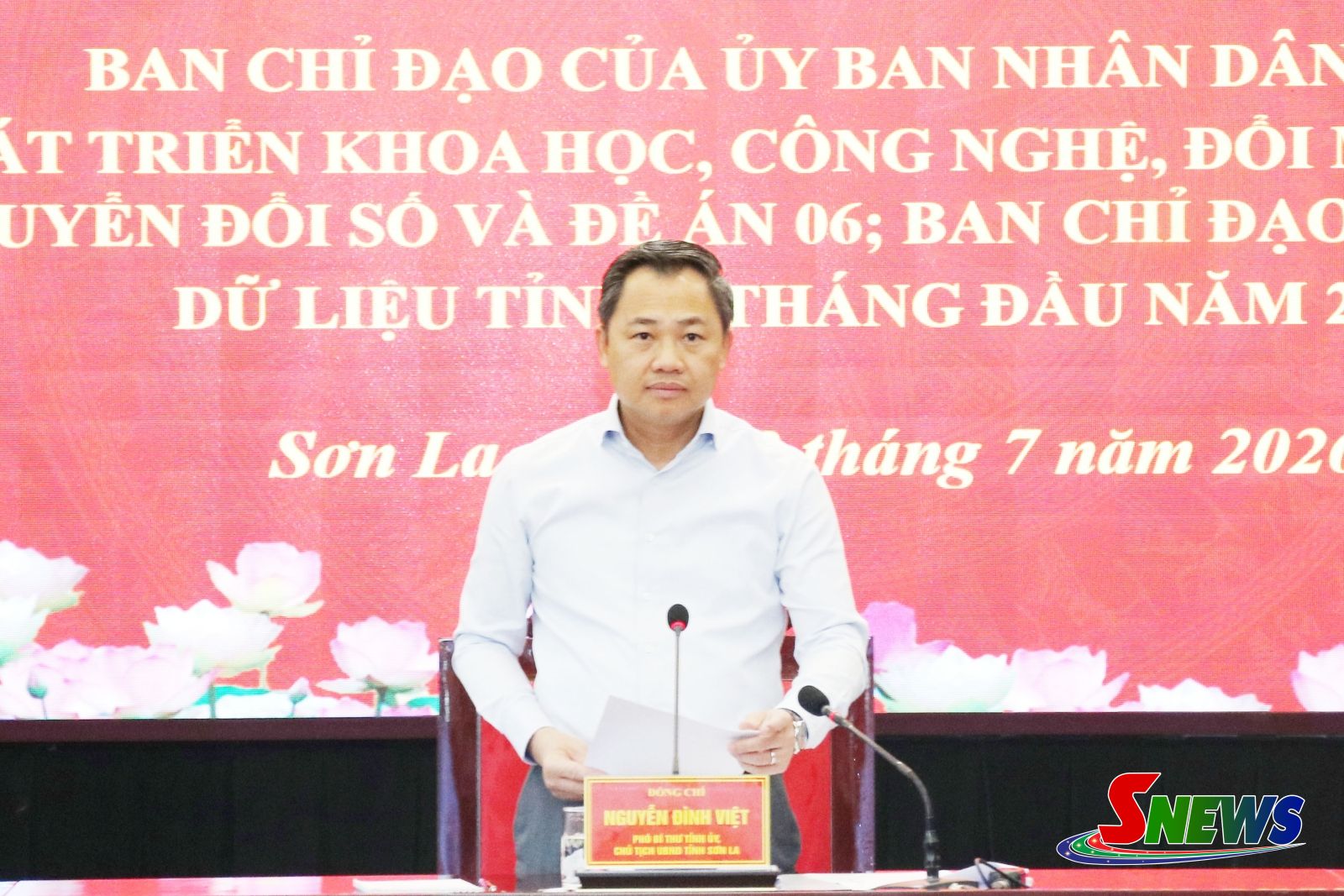
Concluding the meeting, Chairman Viet requested departments, sectors, and localities to continue closely following directions and take decisive measures to improve administrative reform indicators and citizen satisfaction levels in 2026. Key priorities include reviewing and substantially reducing administrative procedures, improving the effectiveness of the one-stop-shop mechanism, and increasing the rate of on-time application processing.
Units were also instructed to accelerate the completion of the shared data repository, enhance data cleaning, connectivity, and exploitation of sector-specific databases to develop visualised management scenarios, while prioritising the provision of open data to better serve citizens and businesses.















You have 500/500 characters left
Please enter 5 or more characters!!!